

Cleaning a pontoon is essential for maintaining its aesthetic and structural integrity. Regular cleaning not only enhances the boat’s appearance but also prolongs its lifespan by preventing damage caused by dirt, grime, and mildew. This comprehensive guide will walk you through the necessary steps to effectively clean your pontoon, ensuring it remains in pristine condition for your next adventure on the water.

Gather Your Cleaning Supplies

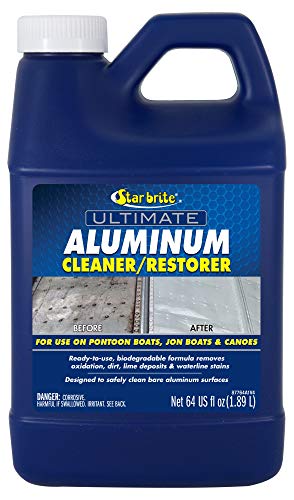
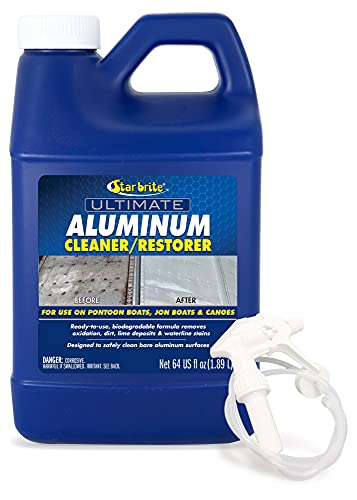
Before embarking on the cleaning process, it’s crucial to have all necessary supplies at hand.
– Mild Boat Soap: Opt for a soap specifically designed for marine use to avoid damaging the pontoon’s finish. A pH-balanced boat soap will help remove dirt and grime without harming the surface.
– Soft Brushes and Sponges: Gather a variety of soft brushes and sponges to facilitate gentle scrubbing. It’s essential to avoid abrasive materials that could scratch the surface of the pontoon.
– Microfiber Cloths: These are perfect for drying the surface and wiping down any remaining dirt or soap residue. Their fine fibers can pick up dust and debris efficiently without leaving scratches.
– Specialized Cleaners: For tackling specific issues like mildew or stains, having a mildew remover and a spot cleaner for tough stains will be beneficial.
Prepare the Pontoon for Cleaning


Proper preparation is key to ensuring an effective cleaning session.
– Remove All Furniture and Accessories: Start by taking out any furniture, accessories, and personal items from the pontoon. This step not only allows you to clean every nook and cranny but also prevents items from getting damaged during the cleaning process.
– Rinse the Pontoon: Use a hose to rinse the pontoon with fresh water, which helps eliminate loose dirt and debris. This preliminary rinse will make the subsequent cleaning much easier.
Clean the Exterior

With the pontoon prepared, it’s time to address the exterior surfaces.
– Apply Boat Soap: Using a soft brush, apply the mild boat soap. Work in sections, starting from the top and moving downwards to prevent soap from running onto already cleaned areas. The soft bristles of the brush will ensure that you don’t scratch the surface while effectively removing grime.
– Rinse Thoroughly: Once you’ve scrubbed the entire exterior, rinse the pontoon thoroughly with fresh water. Make sure to eliminate all soap residue, as leftover soap can lead to streaks and residue buildup.
Top 7 Pontoon Cleaning Products (2024)
| # | Product | Type | Size | Price |
|---|---|---|---|---|
| 1 | Star brite Boat Wash | Liquid | 32 oz | $15.99 |
| 2 | 303 Marine Multi-Surface Cleaner | Spray | 32 oz | $12.99 |
| 3 | Marine 31 Mildew Remover | Liquid | 32 oz | $19.99 |
| 4 | Meguiar’s Marine/RV Vinyl Cleaner | Spray | 32 oz | $14.99 |
| 5 | Star brite Non-Skid Deck Cleaner | Powder | 16 oz | $9.99 |
| 6 | Star brite Instant Hull Cleaner | Gel | 32 oz | $29.99 |
| 7 | 3M Marine Cleaner and Wax | Spray | 16 oz | $18.99 |
Address Stains and Mildew
Stains and mildew can be persistent problems on a pontoon, but they can be effectively managed with the right approach.
– Use a Specialized Mildew Remover: For tougher stains, apply a mildew remover according to the product instructions. Always test the product in a small, inconspicuous area first to ensure it does not damage the surface.
– Scrub Gently: Employ a soft brush to scrub the affected areas. This gentle approach will lift stains without scratching the pontoon’s finish. For stubborn stains, you may need to let the cleaning solution sit for a few minutes before scrubbing.
Best Mildew Remover for Marine Use
| Feature | ⭐ Marine 31 | Star brite | Mildew Stain Remover |
|---|---|---|---|
| Effectiveness | Excellent | Good | Fair |
| Safe for All Surfaces | ✅ | ✅ | ❌ |
| Price | $19.99 | $15.99 | $12.99 |
| Ease of Use | ✅ Simple | ✅ Simple | ❌ Complicated |
| Fast Acting | ✅ | ✅ | ❌ No |
| Eco-Friendly | ✅ | ✅ | ❌ No |
| Scent | Pleasant | Neutral | Chemical |
| Best For | All surfaces | Light mildew | Heavy mildew |
Clean the Interior and Furniture
After the exterior is spotless, it’s time to turn your attention to the interior.
– Vacuum the Interior: Begin by vacuuming the floors and any fabric surfaces to remove dirt and debris. Pay attention to corners and under furniture where debris tends to accumulate.
– Wipe Surfaces: Use a mild cleaner on a microfiber cloth to wipe down all surfaces, including dashboards, cup holders, and any other plastic or vinyl areas. This ensures a thorough clean without scratching the surfaces.
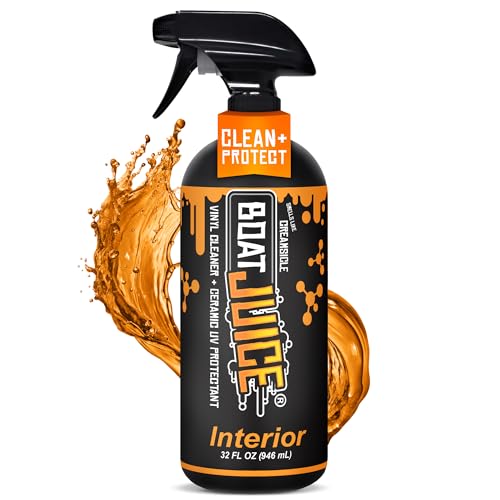
– Vinyl Seats Care: Apply a UV protectant specifically designed for marine vinyl seats. This will help prevent fading and cracking from sun exposure, prolonging the life of your upholstery.
Protect and Maintain Your Pontoon
Once your pontoon is clean, it’s essential to take steps to protect it from future damage.
– Apply Wax or Sealant: Consider applying a wax or sealant specifically formulated for marine surfaces. This protective layer can help shield against UV rays, saltwater, and other harsh environmental factors.
– Regular Maintenance Checks: Periodically check and clean boat covers and other protective gear. Keeping these items clean will help them function effectively and extend their lifespan.
Final Touches and Tips
As you wrap up your cleaning, take a moment to perform some final checks.
– Inspect for Damage: While cleaning, inspect your pontoon for any signs of damage or wear. Early detection of issues can save you from costly repairs down the line.
– Schedule Regular Cleanings: To maintain your pontoon’s condition, establish a regular cleaning schedule. This could be monthly during the boating season or biannually, depending on usage.
Maintaining a clean pontoon not only enhances its visual appeal but also ensures its longevity on the water. By following these steps, you can effectively clean your pontoon and keep it in top shape for your next outing. Don’t forget to gather your supplies and set a cleaning schedule to enjoy your time on the water worry-free! Regular maintenance will not only make your pontoon look great but will also contribute to a safer and more enjoyable boating experience.
Frequently Asked Questions
What is the best method to clean my pontoon boat?
The best method to clean your pontoon boat involves using a specialized boat cleaning solution designed for aluminum surfaces. Start by rinsing the boat with fresh water to remove loose debris, then apply the cleaner with a soft brush or sponge. For tough stains, you can use a mixture of white vinegar and water, ensuring you rinse the area thoroughly afterward to prevent any residue from damaging the finish.
How often should I clean my pontoon boat?
You should clean your pontoon boat at least once a month during the boating season, and more frequently if you use it in dirty or saltwater conditions. Regular cleaning helps prevent the buildup of algae, dirt, and grime, which can affect performance and aesthetic appeal. Additionally, after every use, a quick rinse can prolong the life of your boat’s surface.
Why is it important to clean the underside of my pontoon?
Cleaning the underside of your pontoon is crucial because it prevents the accumulation of marine growth, which can slow down your boat and affect fuel efficiency. Algae, barnacles, and other debris can cling to the hull, leading to corrosion and damage over time. Regular cleaning of the underside also helps maintain the boat’s overall performance and value.
Which cleaning products are safe for pontoon boats?
Safe cleaning products for pontoon boats include biodegradable boat cleaners, a mixture of baking soda and water, or a diluted solution of vinegar. Avoid harsh chemicals and abrasive cleaners, as these can damage the aluminum or vinyl surfaces of your pontoon. Always check product labels to ensure they are marine-safe before use.
How do I remove tough stains from my pontoon?
To remove tough stains from your pontoon, start by applying a paste made from baking soda and water directly to the stained area, letting it sit for 15-20 minutes. For more stubborn stains, a specialized aluminum cleaner or a solution of hydrogen peroxide may be effective. Always scrub gently with a soft brush to avoid scratching the surface, and rinse thoroughly afterward to ensure no cleaner residue remains.
References
- https://www.boats.com/how-to/how-to-clean-your-pontoon-boat/
https://www.boats.com/how-to/how-to-clean-your-pontoon-boat/ - Google Scholar Google Scholar
https://scholar.google.com/scholar?q=how+to+clean+pontoon - Google Scholar Google Scholar
https://scholar.google.com/scholar?q=pontoon+boat+maintenance - Google Scholar Google Scholar
https://scholar.google.com/scholar?q=cleaning+methods+for+pontoon+boats - https://www.edc.nationalparkservice.gov/cleaning-your-boat.htm
https://www.edc.nationalparkservice.gov/cleaning-your-boat.htm - https://en.wikipedia.org/wiki/Special:Search?search=how+to+clean+pontoon
https://en.wikipedia.org/wiki/Special:Search?search=how+to+clean+pontoon - https://www.ncbi.nlm.nih.gov/search/research-articles/?term=how+to+clean+pontoon
https://www.ncbi.nlm.nih.gov/search/research-articles/?term=how+to+clean+pontoon
