How to Clean After Wisdom Teeth Removal: Essential Steps
After wisdom teeth removal, maintaining proper oral hygiene is essential for promoting healing and preventing infection. This requires a combination of gentle cleaning techniques and specific care routines that do not disturb the delicate extraction sites. In this article, we will explore effective strategies for cleaning your mouth post-surgery, ensuring a smooth and uneventful recovery.
Understanding the Healing Process
Understanding the healing process is vital for anyone who has undergone wisdom teeth extraction. The extraction site is a sensitive area that requires time to heal properly. During the initial healing phase, a blood clot forms in the socket of the removed tooth, serving as a protective barrier against bacteria and promoting the growth of new tissue.
It is critical to avoid disturbing this clot, as it is essential for healing. If the clot becomes dislodged, a condition known as dry socket can occur, leading to increased pain and delayed recovery. Thus, maintaining a gentle approach to oral hygiene is crucial in the days following the procedure.
Immediate Care Post-Surgery
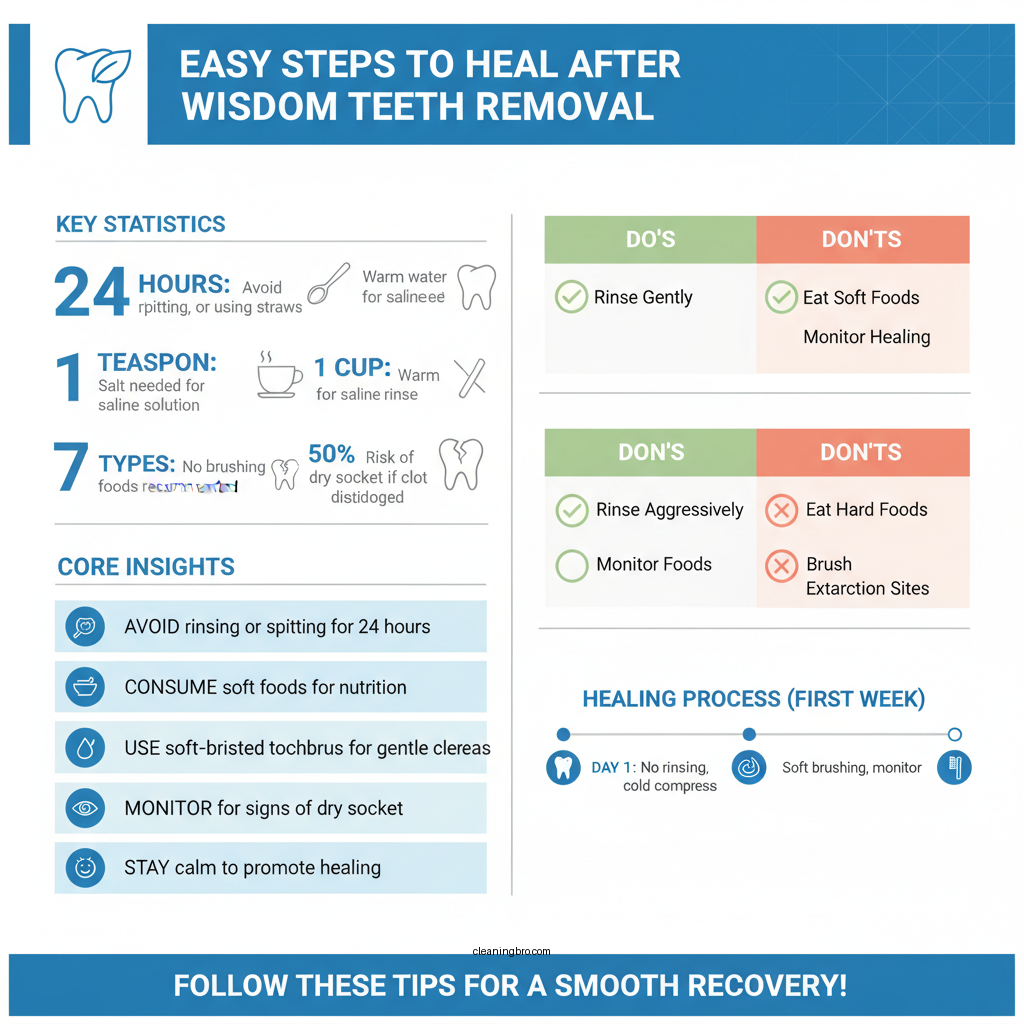
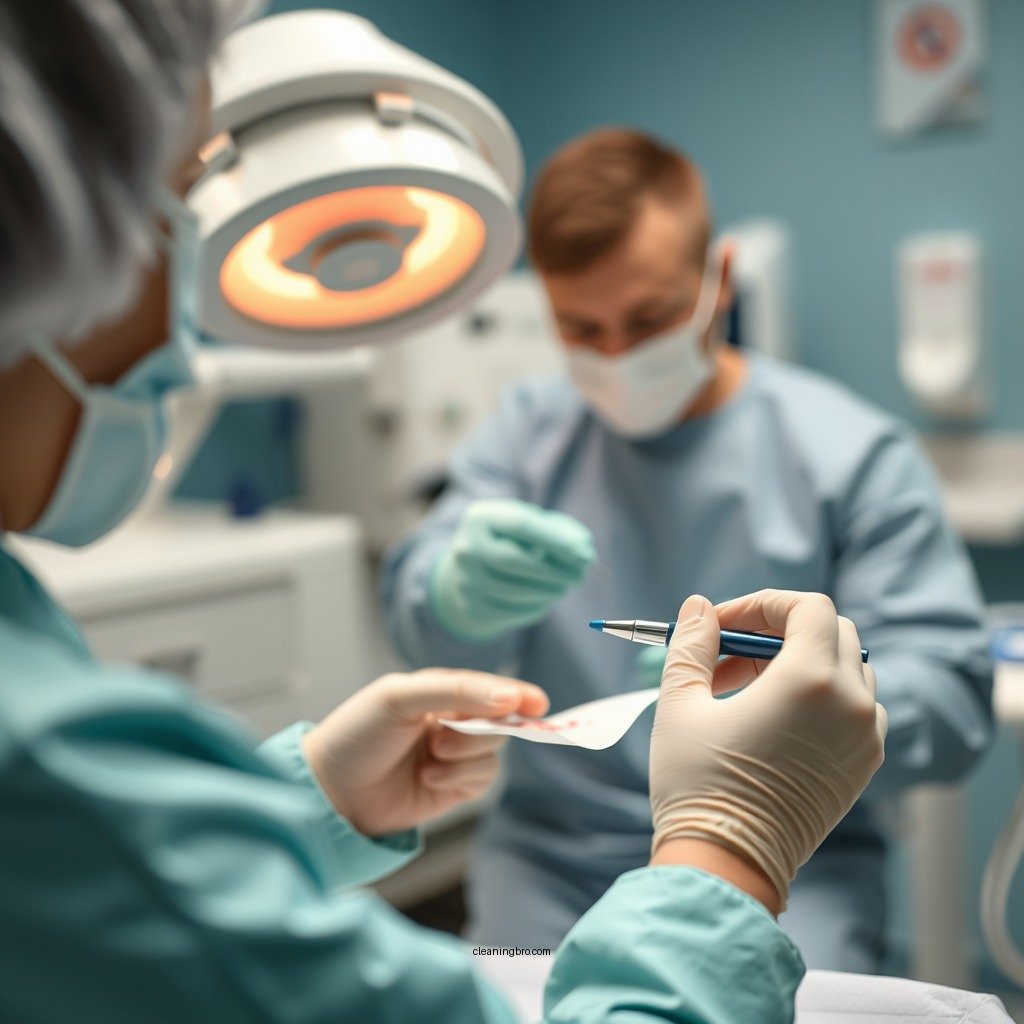
Immediate care following wisdom teeth removal sets the foundation for successful healing. For the first 24 hours after surgery, you should avoid rinsing your mouth, spitting, or using straws, as these actions can dislodge the blood clot at the extraction site. Instead, focus on staying calm and allowing your body to initiate the healing process.
Additionally, it is advisable to stick to soft foods and liquids. Foods such as yogurt, applesauce, and smoothies can provide necessary nutrition without irritating the extraction sites. Staying away from hard, crunchy, or spicy foods is essential, as these can cause discomfort and disrupt the healing process.
Gentle Mouth Cleaning Techniques
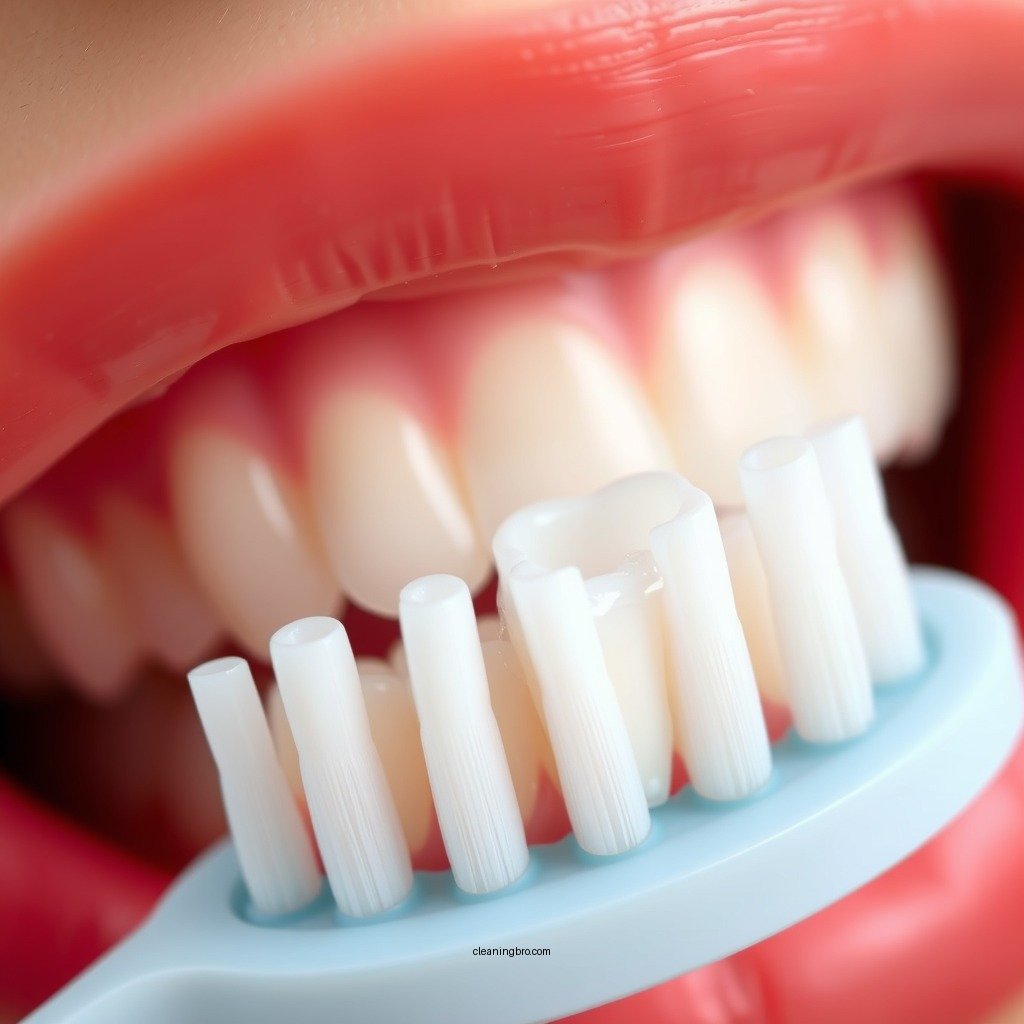
After the first 24 hours, you can begin to gently clean your mouth. One of the best methods is to use a saline solution. To prepare this, simply mix a teaspoon of salt in a cup of warm water. This solution can be used to gently rinse your mouth, promoting healing and reducing the risk of infection.
When rinsing, do so delicately to avoid disturbing the extraction sites. It’s also important to avoid brushing the extraction site directly for the first week; instead, focus on cleaning the other areas of your mouth using a soft-bristled toothbrush. This approach will help maintain overall oral hygiene while allowing the extraction sites to heal undisturbed.
Top 7 Tips for Oral Hygiene After Wisdom Teeth Removal
| # | Tip | Timing | Importance |
|---|---|---|---|
| 1 | Use Saline Rinse | After 24 hours | High |
| 2 | Avoid Straws | First 24 hours | Critical |
| 3 | Eat Soft Foods | First week | High |
| 4 | Avoid Hard Foods | First week | Critical |
| 5 | Stay Hydrated | Ongoing | High |
| 6 | Ice Packs for Swelling | First 48 hours | High |
| 7 | Monitor Pain Levels | First week | Important |
Managing Pain and Discomfort
Pain and discomfort following wisdom teeth removal are common and can vary from person to person. It is important to manage these symptoms effectively to ensure a smooth recovery. Your dentist may prescribe pain relief medication, or you can opt for over-the-counter options such as ibuprofen or acetaminophen, following the recommended dosage.
In addition to medication, applying ice packs to your cheeks can significantly reduce swelling and discomfort. Use an ice pack for 15-20 minutes at a time during the first 48 hours after surgery. This not only helps with swelling but also provides a numbing effect, alleviating pain in the affected area.
Signs of Infection to Watch For
After wisdom teeth removal, it is crucial to monitor your recovery closely for any signs of infection. Be vigilant for symptoms such as increased pain, swelling, or the presence of pus at the extraction site. These could indicate an infection that may require immediate medical attention.
In addition, if you experience a fever or worsening symptoms beyond the expected discomfort, you should contact your dentist promptly. Early intervention is key to preventing complications and ensuring a successful recovery.
Follow-Up Care and Appointments
Scheduling follow-up appointments with your dentist is an essential part of the recovery process. These visits allow your dentist to assess the healing of the extraction sites and address any concerns you may have. Typically, a follow-up visit will occur about a week after the surgery.
During these appointments, do not hesitate to discuss any unusual symptoms or complications you have experienced. Your dentist can provide guidance on further care and recommend any additional treatments if necessary.
Dietary Considerations for Recovery
Your diet plays a significant role in your recovery after wisdom teeth removal. For optimal healing, focus on consuming soft, nutrient-rich foods that are easy to chew and swallow. Options such as mashed potatoes, soup, smoothies, and protein shakes are excellent choices that provide necessary nutrition without irritating the healing sites.
Additionally, staying hydrated is essential. Drink plenty of water throughout the day to support your body’s healing processes. However, avoid carbonated beverages, as the bubbles can cause discomfort and may irritate the extraction sites.
Recovery Diet Options After Wisdom Teeth Removal
| Food Type | ⭐ Soft Foods | Liquid Diet | Foods to Avoid |
|---|---|---|---|
| Mashed Potatoes | ✅ | ✅ | ❌ |
| Applesauce | ✅ | ✅ | ❌ |
| Smoothies | ✅ | ✅ | ❌ |
| Soup | ✅ | ✅ | ❌ |
| Ice Cream | ✅ | ✅ | ❌ |
| Bread | ❌ | ❌ | ✅ |
Summarizing the importance of proper cleaning after wisdom teeth removal, remember to follow gentle techniques and heed your dentist’s advice for recovery. By maintaining good oral hygiene and monitoring your healing, you can ensure a smooth recovery process. If you have any questions or concerns, don’t hesitate to reach out to your dental professional for guidance.
Frequently Asked Questions
How soon can I start cleaning my mouth after wisdom teeth removal?
It is generally recommended to avoid any oral hygiene practices for the first 24 hours after wisdom teeth removal to allow blood clots to form properly. After this initial period, you can gently rinse your mouth with a saltwater solution to promote healing, but avoid brushing directly on the extraction sites for at least a week.
What is the best way to rinse my mouth after wisdom teeth removal?
The best way to rinse your mouth after wisdom teeth removal is to use a warm saltwater solution, made by dissolving half a teaspoon of salt in eight ounces of warm water. Rinse gently, being careful not to dislodge blood clots, and repeat this process several times a day to help reduce swelling and prevent infection.
Why is it important to avoid using a straw after wisdom teeth removal?
Avoiding the use of a straw after wisdom teeth removal is crucial because the suction created can dislodge the blood clot that forms in the socket, leading to a painful condition known as dry socket. This can delay the healing process and cause significant discomfort, so it’s best to drink fluids directly from a cup instead.
How can I manage bad breath after wisdom teeth removal?
To manage bad breath after wisdom teeth removal, maintain a gentle oral hygiene routine by brushing your teeth carefully and rinsing with saltwater. Staying hydrated and avoiding certain foods that may cause bacteria buildup can also help, as well as using an antibacterial mouthwash prescribed by your dentist.
Which foods should I avoid while cleaning my mouth post-surgery?
After wisdom teeth removal, it is best to avoid hard, crunchy, or spicy foods that can irritate the extraction sites and disrupt healing. Stick to soft foods like yogurt, applesauce, and smoothies, while also steering clear of hot temperatures and alcohol, which can hinder the cleaning process and recovery.
References
- Shin splints – Symptoms & causes – Mayo Clinic
https://www.mayoclinic.org/diseases-conditions/wisdom-teeth-removal/symptoms-causes/syc-20354106 - https://www.ncbi.nlm.nih.gov/pmc/articles/PMC6996307/
https://www.ncbi.nlm.nih.gov/pmc/articles/PMC6996307/ - Wisdom Teeth Removal in Teenagers – AAOMS | AAOMS
https://www.aaoms.org/conditions/wisdom-teeth-removal - https://www.nidcr.nih.gov/health-info/wisdom-teeth-removal
https://www.nidcr.nih.gov/health-info/wisdom-teeth-removal - https://www.cdc.gov/oralhealth/information/wisdom-teeth.html
https://www.cdc.gov/oralhealth/information/wisdom-teeth.html - https://www.who.int/news-room/questions-and-answers/item/wisdom-teeth
https://www.who.int/news-room/questions-and-answers/item/wisdom-teeth - https://www.britannica.com/science/wisdom-tooth
https://www.britannica.com/science/wisdom-tooth - Google Scholar Google Scholar
https://scholar.google.com/scholar?q=wisdom+teeth+removal+aftercare - Google Scholar Google Scholar
https://scholar.google.com/scholar?q=post-operative+care+wisdom+teeth+removal - Google Scholar Google Scholar
https://scholar.google.com/scholar?q=cleaning+after+wisdom+teeth+extraction