How to Clean an Antique Oil Painting Safely
Cleaning an antique oil painting requires meticulous care to prevent any damage to the valuable artwork. The process involves assessing the condition of the painting, selecting suitable cleaning materials, and employing techniques that ensure the preservation of the artwork’s integrity. This guide will provide a comprehensive approach to safely clean your cherished oil painting, keeping it in pristine condition for years to come.
Assessing the Condition of the Painting

Before embarking on the cleaning process, it is crucial to thoroughly examine the painting. Start by inspecting the surface for any visible dirt, grime, or dust accumulation. Look closely for any flaking paint, which could indicate underlying issues with the artwork. If the painting has been exposed to smoke or has been stored in a damp environment, there may be discoloration or a sticky residue on the surface.
Next, assess any signs of damage. Check for cracks, tears, or areas where the paint has begun to lift. Pay attention to the canvas itself; any warping or buckling may require different handling techniques. Documenting the painting’s condition using photographs can be helpful, especially if you consider consulting a professional conservator later. By understanding the painting’s state, you can determine the appropriate cleaning methods and materials to use.
Gathering the Right Cleaning Materials
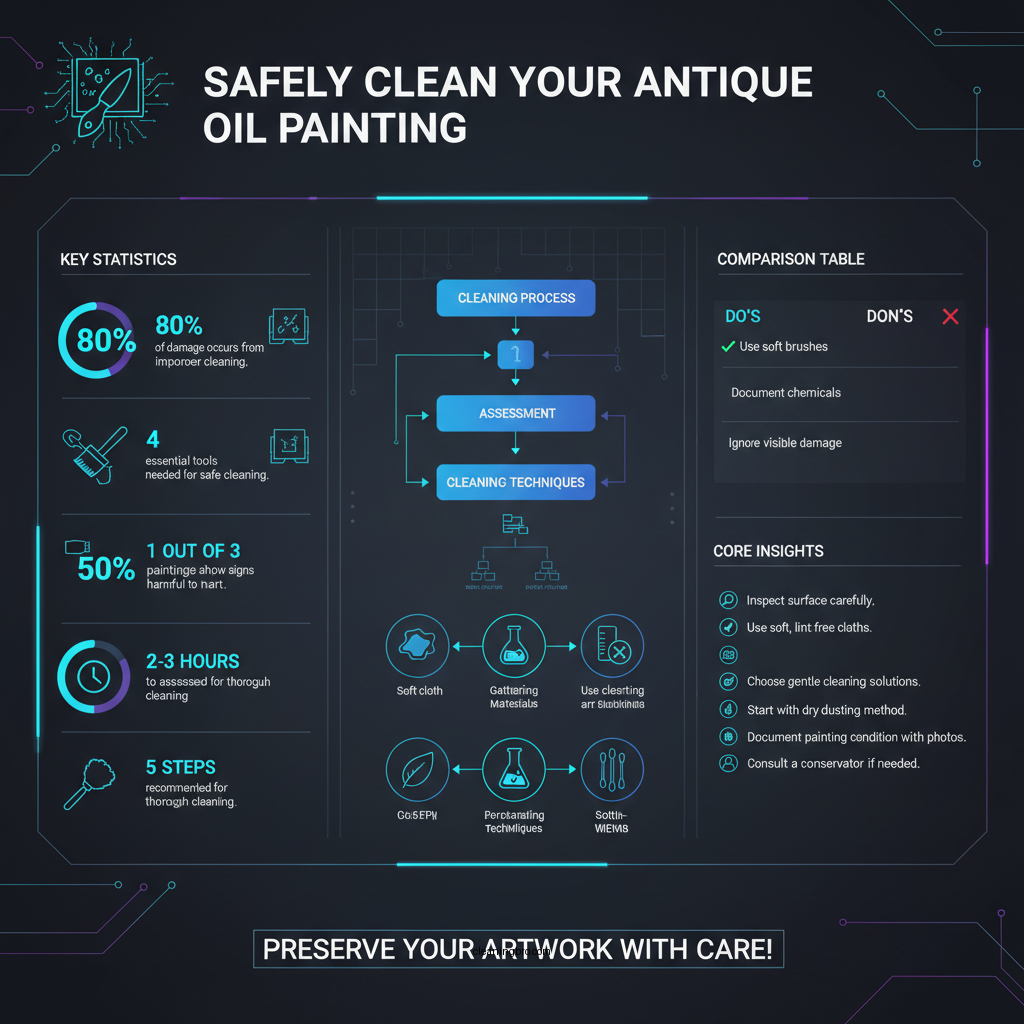
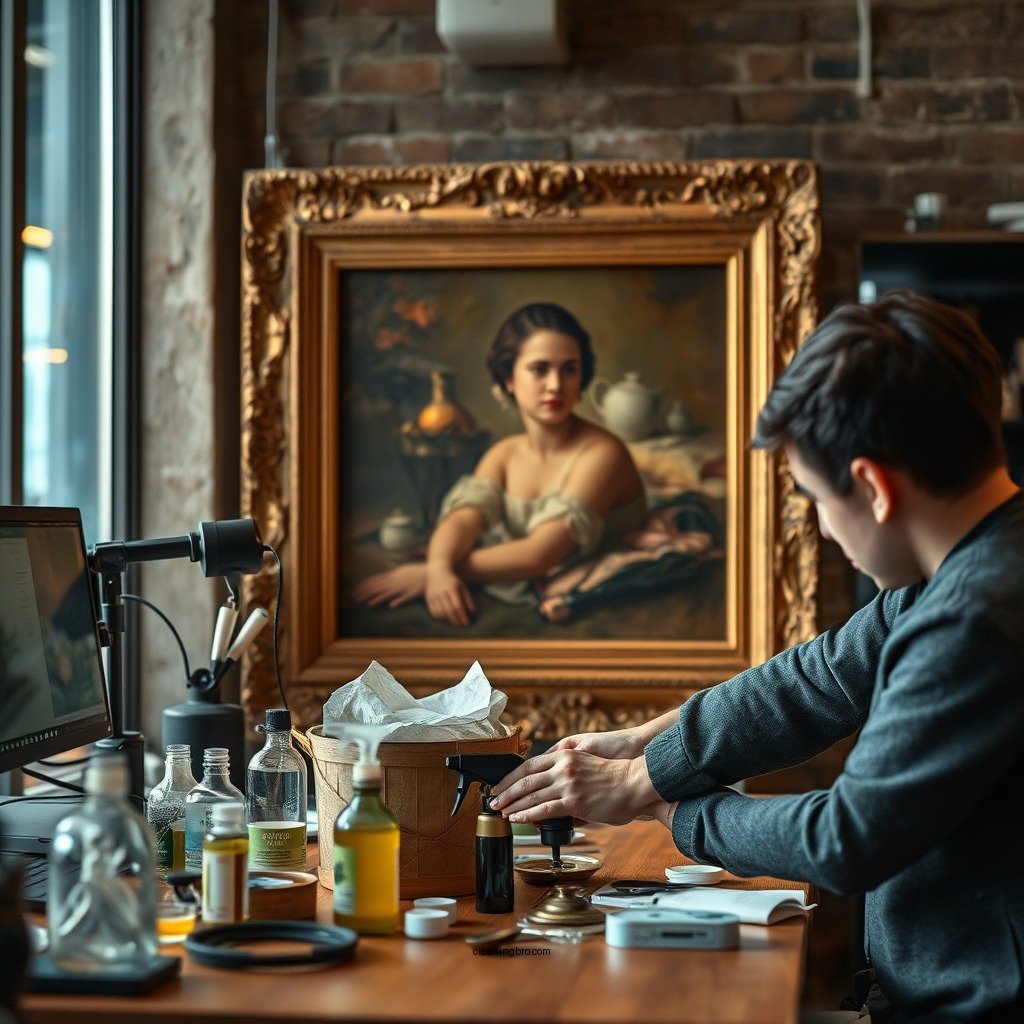
Once you have assessed the painting’s condition, the next step is to gather the necessary cleaning materials. Always prioritize gentle options to avoid any harm to the painting. Here are some essential items you will need:
– Soft, Lint-Free Cloths: These are crucial for dusting the surface without scratching or damaging the paint. Microfiber cloths are an excellent choice for this purpose.
– Soft Brushes: A clean, soft-bristled brush can help remove dust from crevices without applying pressure that could lift paint.
– Gentle Cleaning Solutions: Look for cleaning solutions specifically designed for artworks. Avoid harsh chemicals or solvents that could damage the oil paint or varnish. A mixture of distilled water and a small amount of mild soap can be a good option for more stubborn grime.
– Cotton Swabs: These can be useful for cleaning small areas carefully, especially around the edges or in detailed areas.
Basic Cleaning Techniques
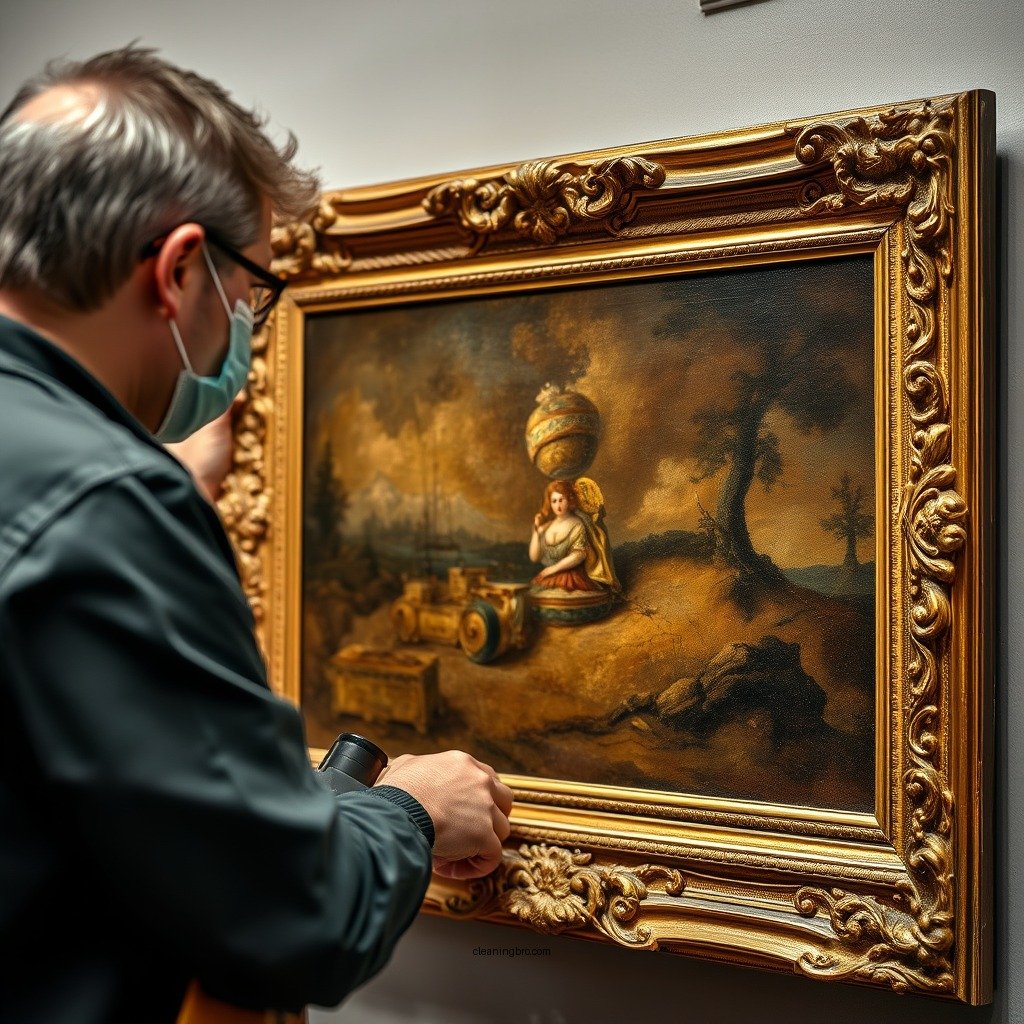
Start with the least invasive method, which is dry dusting. Utilize a soft brush or a lint-free cloth to gently remove surface dust and debris. Always work from the top of the painting downwards to prevent dust from settling on cleaned areas. Be cautious around any damaged areas to avoid exacerbating the problem.
Avoid using water directly on the surface of the painting. Instead, if you identify areas that require more thorough cleaning, lightly dampen a cloth with your chosen cleaning solution. Test this solution on a small, inconspicuous area first to ensure it does not adversely affect the painting. If the test area shows no negative effects after a few hours, you can proceed with cleaning the more visible sections.
For any textured areas, a soft brush can help dislodge dirt without applying too much pressure. If you encounter stubborn stains, you can use a cotton swab with a small amount of cleaning solution, again testing on a hidden area first.
Dealing with Stains and Residue
Identifying the type of stain on your painting is essential for effective cleaning. Common stains include grease from hands, smoke residue, or even water damage. Once you’ve determined the type of stain, choose a suitable cleaning method:
1. Grease Stains: For greasy spots, mix a few drops of mild dish soap with distilled water. Dampen a cloth with the solution, wring it out thoroughly, and gently dab the stained area.
2. Smoke Residue: If the painting has been exposed to smoke, a mixture of white vinegar and water can help. Test this solution first and then gently wipe the affected areas.
3. Water Stains: If you see water marks, these can be challenging to remove. A professional conservator can often address these, but for minor cases, a damp cloth with a gentle cleaner may suffice.
Always apply cleaning solutions sparingly and avoid soaking any part of the painting. Testing on a small area ensures you do not inadvertently damage the artwork.
When to Consult a Professional
While many cleaning tasks can be handled at home, there are instances when it is best to consult a professional conservator. If your painting displays significant damage—such as large cracks, missing paint, or extensive water damage—DIY cleaning may worsen the condition. Additionally, if you are uncertain about the cleaning process or if your painting is of high monetary or sentimental value, seeking professional help is advised.
Professional restorers have the expertise and tools necessary to address complex issues without risking further damage. They can provide services ranging from surface cleaning to complete restoration, ensuring that your artwork is preserved for future generations.
Preventative Care for Antique Oil Paintings
Once your painting is clean, implementing preventative care can help maintain its appearance and condition. Here are a few tips to ensure longevity:
– Minimize Sunlight Exposure: Direct sunlight can fade colors and damage the paint over time. Display your painting in a location that avoids prolonged exposure to sunlight.
– Control Humidity: High humidity can lead to mold growth and damage to the canvas. Use a dehumidifier in humid environments and maintain stable indoor conditions.
– Regular Dusting: Incorporate regular dusting into your routine to prevent buildup. This simple act can significantly reduce the need for extensive cleaning sessions.
– Proper Framing: Use UV-protective glass for framing your artwork. This can shield it from harmful UV rays while providing a barrier against dust and dirt.
By following these preventative measures, you can help preserve the beauty and value of your antique oil painting for years to come.
Common Cleaning Solutions for Oil Paintings
| # | Solution Type | Ingredients | Application Method |
|---|---|---|---|
| 1 | Distilled Water & Soap | Distilled water, mild soap | Dampen cloth, gently wipe |
| 2 | Vinegar Solution | White vinegar, distilled water | Dampen cloth, dab stains |
| 3 | Grease Cleaner | Mild dish soap, water | Apply with damp cloth |
| 4 | Specialty Art Cleaner | Art-safe cleaning solution | Apply as directed |
| 5 | Rubbing Alcohol | Isopropyl alcohol | Test area, use sparingly |
| 6 | Baby Wipes | Unscented baby wipes | Wipe gently |
| 7 | Olive Oil | Pure olive oil | Use for varnish removal |
Top 3 Products for Cleaning Antique Oil Paintings
| Feature | ⭐ Art Rescuer | Gentle Clean | Pro Art Cleaner |
|---|---|---|---|
| Type | Liquid | Wipes | Spray |
| Safe for Oil Paintings | ✅ | ✅ | ✅ |
| Eco-Friendly | ✅ | ❌ | ✅ |
| Varnish Removal | ✅ | ❌ | ✅ |
| Cost | $15.99 | $8.99 | $19.99 |
| Ease of Use | User-friendly | Convenient | Quick application |
| Availability | Widely available | Online | Specialty stores |
| Customer Rating | ★★★★☆ | ★★★☆☆ | ★★★★★ |
| 🏆 Best For | General cleaning | Quick touch-ups | Professional use |
By following the guidelines outlined in this article, you can successfully clean and care for your antique oil painting while maintaining its beauty and value. Regular maintenance and gentle cleaning can preserve your antique oil painting for years to come. If you’re unsure about any step, don’t hesitate to seek professional help to protect your valuable artwork.
Frequently Asked Questions
What is the best way to clean an antique oil painting without damaging it?
The best way to clean an antique oil painting is to use a soft, dry brush to gently remove dust and dirt from the surface. Avoid using water or any cleaning solutions, as these can damage the paint and varnish. If the painting is particularly dirty, consult a professional conservator who specializes in art restoration.
How often should I clean my antique oil painting?
You should clean your antique oil painting at least once a year to prevent dust accumulation and potential damage. However, if the painting is displayed in a high-traffic area or has been exposed to smoke or humidity, more frequent cleaning may be necessary, but always proceed with caution to avoid harming the artwork.
Why is it important to avoid using water on an antique oil painting?
Using water on an antique oil painting can cause the paint to lift or become discolored, as oil paints are not water-soluble. Additionally, moisture can seep into the canvas or wood panel, leading to mold growth and structural damage. For these reasons, it’s crucial to use dry cleaning methods for maintenance.
Which products should I avoid when cleaning an antique oil painting?
Avoid using household cleaners, solvents, or any abrasive materials when cleaning an antique oil painting, as these can harm the paint layer and varnish. Specifically, steer clear of ammonia, alcohol, and vinegar, as they can cause irreversible damage. Stick to soft brushes and microfiber cloths instead.
What are the signs that my antique oil painting needs professional cleaning?
Signs that your antique oil painting may need professional cleaning include visible dirt buildup, a dull appearance, or any signs of mold or mildew. If the painting has been exposed to smoke or extreme environmental conditions, or if you notice any flaking paint, it’s advisable to seek the expertise of a professional conservator to avoid further damage.
References
- https://www.artconsignment.com/news/cleaning-antique-oil-paintings/
https://www.artconsignment.com/news/cleaning-antique-oil-paintings/ - https://www.arts.gov/impact/research-reports/cleaning-oil-paintings
https://www.arts.gov/impact/research-reports/cleaning-oil-paintings - https://www.smithsonianmag.com/arts-culture/how-to-clean-a-painting-180975251/
https://www.smithsonianmag.com/arts-culture/how-to-clean-a-painting-180975251/ - Google Scholar Google Scholar
https://scholar.google.com/scholar?q=cleaning+antique+oil+paintings - Google Scholar Google Scholar
https://scholar.google.com/scholar?q=conservation+of+oil+paintings - Oil painting | Description, History, & Facts | Britannica
https://www.britannica.com/art/oil-painting - – American Institute for Conservation
https://www.culturalheritage.org/about-conservation/conservation-basics/cleaning-paintings - Google Scholar Google Scholar
https://scholar.google.com/scholar?q=how+to+clean+an+antique+oil+painting - how to clean an antique oil painting – Search results
https://en.wikipedia.org/wiki/Special:Search?search=how+to+clean+an+antique+oil+painting - https://www.ncbi.nlm.nih.gov/search/research-articles/?term=how+to+clean+an+antique+oil+painting
https://www.ncbi.nlm.nih.gov/search/research-articles/?term=how+to+clean+an+antique+oil+painting