
Cleaning your rifle barrel effectively is essential for maintaining accuracy and prolonging the life of your firearm. This guide will provide you with the best techniques and tools to clean your rifle barrel properly, ensuring optimal performance and reliability. A well-maintained rifle not only enhances shooting accuracy but also safeguards your investment in your firearm.
Understanding the Importance of Barrel Cleaning

Maintaining a clean rifle barrel not only enhances shooting performance but also contributes to the gun’s longevity. Regular maintenance ensures that you can depend on your firearm when it counts.

Essential Tools for Cleaning a Rifle Barrel
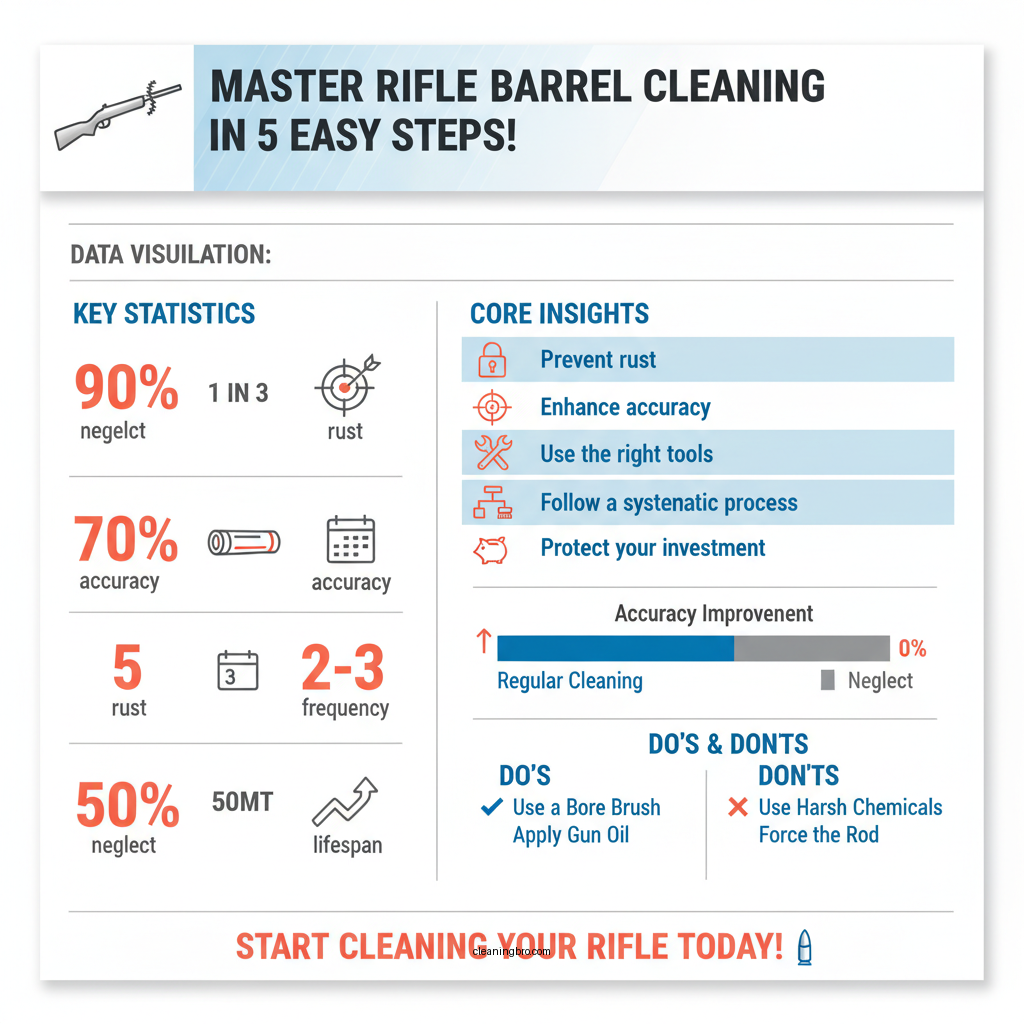
To effectively clean a rifle barrel, you will need several essential tools:
– Bore Brush: This is typically made of bronze or nylon and is designed to remove fouling and buildup from the barrel’s interior. The bristles are stiff enough to scrub away deposits without scratching the barrel.
– Cleaning Rod: A cleaning rod is used to guide the bore brush and other cleaning attachments through the barrel. It should be strong yet flexible to navigate the barrel’s length.
– Patches and Cleaning Solvent: Patches are used in conjunction with a cleaning solvent to wipe down the interior of the barrel. Choose a solvent that is appropriate for the type of fouling you are dealing with, whether it’s copper, carbon, or lead.
– Jag: This is a small attachment that holds the cleaning patches securely while you clean the barrel.
– Cleaning Mat: A protective surface to work on that will catch any debris and solvent, keeping your workspace clean.
Having the right tools on hand simplifies the cleaning process and ensures thorough maintenance.
Step-by-Step Cleaning Process

Cleaning your rifle barrel can be methodical and straightforward when you follow these steps:
– Step 1: Ensure the rifle is unloaded and safe. Always check your firearm to confirm it is completely unloaded before you begin any cleaning process. Safety should always be your top priority.
– Step 2: Attach the bore brush to the cleaning rod and run it through the barrel multiple times. Insert the bore brush into the barrel from the chamber end, pushing it through to the muzzle and pulling it back. Repeat this process 5-10 times to effectively scrub the interior.
– Step 3: Apply cleaning solvent to a patch and run it through the barrel using the jag. Saturate a patch with your chosen solvent and push it through the barrel. Let it sit for a few minutes to dissolve any fouling.
– Step 4: Use clean patches to wipe down the barrel. After allowing the solvent to sit, push clean, dry patches through the barrel until they come out clean. This may take several patches to ensure all residue is removed.
– Step 5: Finish with a light oiling. After the barrel is clean, apply a light coat of gun oil to protect the metal from corrosion.
Data on Common Rifle Barrel Cleaning Frequencies
Recommended Cleaning Frequencies Based on Usage
| # | Usage Type | Recommended Cleaning Frequency | Notes |
|---|---|---|---|
| 1 | Hunting | After each outing | To ensure accuracy |
| 2 | Target Shooting | Every 50-100 shots | Depends on ammo used |
| 3 | Competition | After each event | Max performance required |
| 4 | Casual Use | Every few months | Less frequent cleaning |
| 5 | Long-term Storage | Before storage | Prevents corrosion |
| 6 | Rainy or Humid Conditions | Immediately after use | Essential to avoid rust |
| 7 | After Shooting Hollow Point | After every outing | Hollow points create more fouling |
Tips for Effective Cleaning
To enhance the effectiveness of your rifle cleaning routine, consider the following tips:
– Use a cleaning solvent suitable for your rifle type. Different rifles may require specific solvents based on the materials used in their construction. Research and select a solvent that is compatible with your rifle to avoid damage.
– Clean from the chamber end to avoid damaging the muzzle. Always insert your cleaning tools from the chamber end, as this method reduces the risk of damaging the muzzle, which is often more delicate and critical for accuracy.
– Be gentle but thorough. While it’s important to remove fouling, avoid excessive force that could scratch or damage the barrel’s interior. Take your time to ensure a thorough clean without harming the rifling.
– Inspect the barrel regularly. After cleaning, visually inspect the barrel using a bore light to check for any signs of wear or damage. Keeping an eye on the condition of your barrel will help you catch any issues early.
Common Mistakes to Avoid
When cleaning a rifle barrel, certain mistakes can hinder your efforts or even damage your firearm. Here are common pitfalls to watch out for:
– Neglecting to clean after every use. Failing to clean your rifle after each use can lead to the buildup of fouling, which can affect accuracy and lead to corrosion over time.
– Using the wrong cleaning materials that can damage the barrel. Avoid using abrasive brushes or harsh solvents not designed for firearms. Always opt for materials that are gentle yet effective for firearm cleaning.
– Rushing the cleaning process. Take your time during the cleaning process to ensure that every step is done correctly. Hurrying through the process can lead to missed spots and potential damage.
– Ignoring the importance of lubrication. After cleaning, it’s essential to apply a light coat of oil to protect the barrel from moisture and corrosion. Many shooters overlook this final step, which can lead to rust formation.
Frequency of Cleaning Your Rifle Barrel
The frequency of cleaning your rifle barrel depends on several factors, including the type of ammunition used, the shooting environment, and how often the rifle is utilized.
– Factors affecting cleaning frequency: Using higher-quality ammunition may result in less fouling, while shooting in humid or adverse conditions can necessitate more frequent cleaning. For instance, if you frequently shoot in wet environments, cleaning your rifle after each outing is advisable.
– General guideline: A good rule of thumb is to clean your rifle after every few uses or whenever you notice a decline in accuracy. Many shooters find it beneficial to inspect the barrel visually after every shooting session to determine if cleaning is necessary.
As a practical example, many experienced hunters prefer to clean their rifles after each outing, especially when hunting in wet or muddy conditions, while competitive shooters may clean their rifles after every event to maintain peak performance.
Final Thoughts on Rifle Barrel Maintenance
Regular cleaning and maintenance will enhance your rifle’s performance and lifespan. By following the steps outlined in this guide, you can ensure that your rifle remains in peak condition for years to come. Remember that a clean rifle not only performs better but also assures you of reliability and safety when you need it most. Take the time to implement these steps, and you will see the difference in your shooting experience. For more tips and detailed guides, consider subscribing to our newsletter or checking out our resource section for additional insights on firearm care and maintenance.Frequently Asked Questions
What is the best method to clean a rifle barrel?
The best method to clean a rifle barrel involves a combination of using a cleaning rod, patches, and solvent. Start by applying a quality gun cleaning solvent to a patch and run it through the barrel, followed by a bronze or nylon brush to remove fouling. Finish by running dry patches through until they come out clean, ensuring that the barrel is free of debris and residue.
How often should I clean my rifle barrel?
You should clean your rifle barrel after every shooting session or at least every few hundred rounds, depending on usage. Regular cleaning helps maintain accuracy and prolongs the lifespan of the barrel by preventing corrosion and buildup of copper or lead fouling, which can impact performance.
Why is it important to clean the rifle barrel?
Cleaning the rifle barrel is important because it ensures optimal accuracy and reliability. Residue buildup from firing can lead to decreased performance, inconsistent grouping, and potential damage to the barrel over time. Regular maintenance helps prevent these issues and keeps your rifle in top condition.
Which products are best for cleaning a rifle barrel?
The best products for cleaning a rifle barrel include high-quality solvents like Hoppe’s No. 9, copper removers such as Sweets 7.62, and protective oils like CLP (cleaner, lubricant, protectant). Additionally, using a good cleaning rod, brushes, and patches will enhance the cleaning process, ensuring thorough removal of fouling and protection against rust.
How do I clean a rifle barrel without damaging it?
To clean a rifle barrel without damaging it, use a cleaning rod that is properly sized for your barrel and avoid using metal brushes that can scratch the rifling. Always apply cleaning solvent before scrubbing, and use soft, lint-free patches to avoid leaving fibers behind. Be gentle and avoid excessive force to prevent any potential damage to the interior surfaces.
References
- Rifle
https://en.wikipedia.org/wiki/Rifle - Google Scholar Google Scholar
https://scholar.google.com/scholar?q=how+to+clean+rifle+barrel - https://www.ncbi.nlm.nih.gov/pmc/articles/PMC7315374/
https://www.ncbi.nlm.nih.gov/pmc/articles/PMC7315374/ - NRA-ILA | Home
https://www.nraila.org/articles/20200123/the-importance-of-rifle-cleaning - Google Scholar Google Scholar
https://scholar.google.com/scholar?q=rifle+barrel+cleaning+techniques - https://www.lsu.edu/departments/extension/publications/cleaning%20rifles.pdf
https://www.lsu.edu/departments/extension/publications/cleaning%20rifles.pdf - https://www.americanrifleman.org/articles/2018/9/25/how-to-clean-a-rifle-barrel/
https://www.americanrifleman.org/articles/2018/9/25/how-to-clean-a-rifle-barrel/ - https://www.sciencedirect.com/science/article/pii/B9780128142238000250071
https://www.sciencedirect.com/science/article/pii/B9780128142238000250071 - how to clean rifle barrel – Search results
https://en.wikipedia.org/wiki/Special:Search?search=how+to+clean+rifle+barrel - https://www.ncbi.nlm.nih.gov/search/research-articles/?term=how+to+clean+rifle+barrel
https://www.ncbi.nlm.nih.gov/search/research-articles/?term=how+to+clean+rifle+barrel
