
How to Clean an Engine Bay: A Step-by-Step Guide
Cleaning your engine bay is vital for both the performance and aesthetics of your vehicle. A clean engine bay not only looks better but also helps identify potential issues such as leaks and corrosion, ensuring that your vehicle runs smoothly. In this comprehensive guide, you will learn the essential steps and tips to effectively clean your engine bay, allowing you to maintain its functionality and appearance.
Preparing for the Clean

Before diving into the cleaning process, preparation is key. Start by gathering all the necessary supplies, which include a high-quality degreaser, various brushes (including an old toothbrush for tight spots), microfiber towels, a hose or bucket of water, and protective gear such as gloves and goggles.
It is crucial that you ensure the engine is cool before you begin cleaning. A hot engine can pose a burn risk and may also damage some components when exposed to water or cleaners. This means waiting at least an hour after driving or using a cooling fan to bring the temperature down.
Protecting Sensitive Components
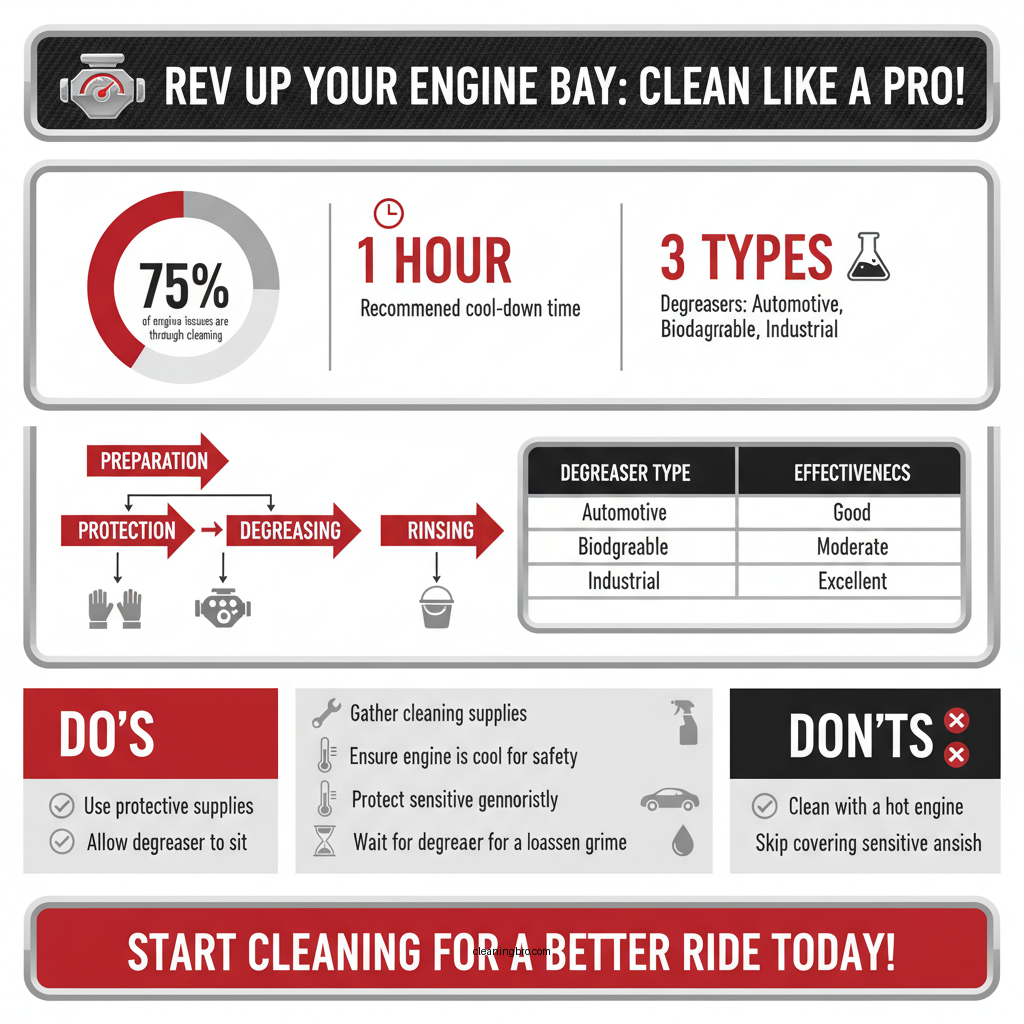
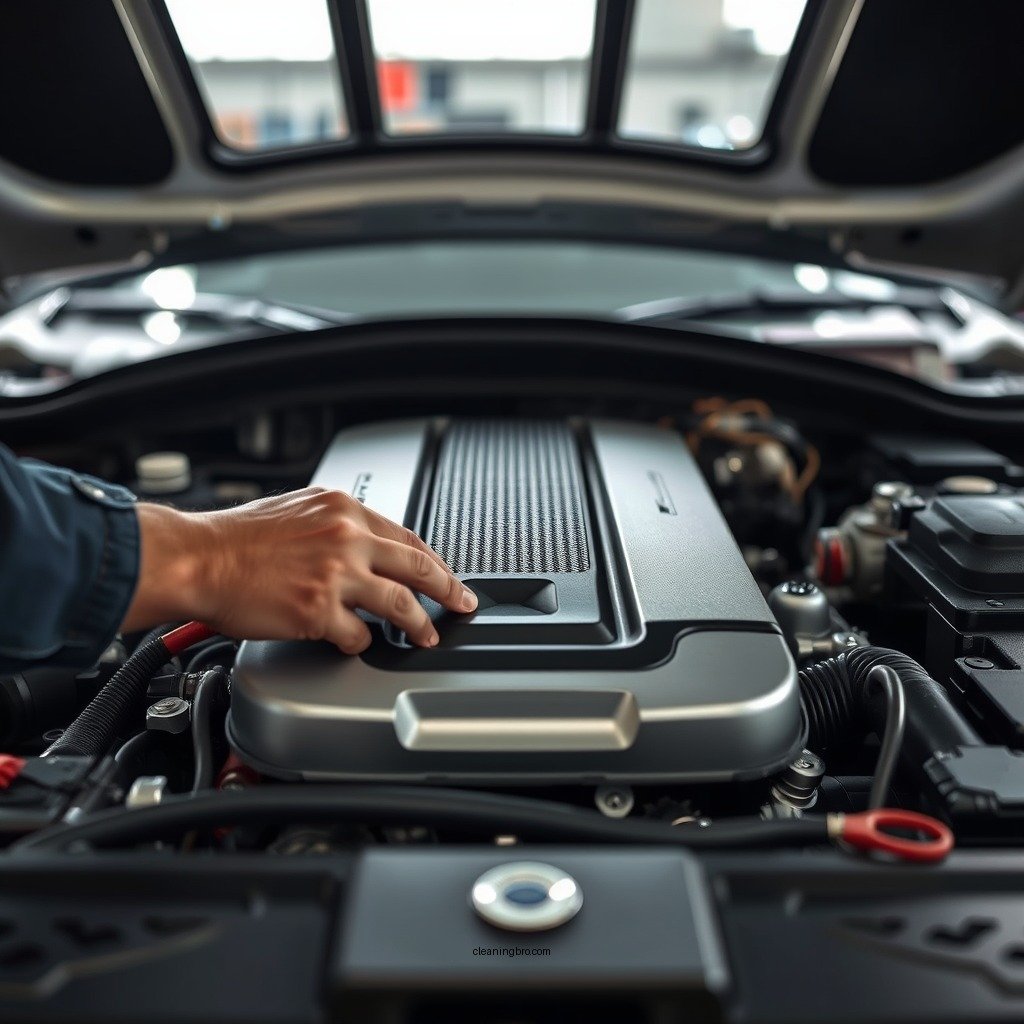
Next, it’s essential to protect sensitive components of your engine bay from moisture and cleaning products. Cover electrical connections, battery terminals, and any exposed sensors with plastic bags or aluminum foil. This prevents water and cleaning solutions from entering sensitive areas, which could lead to expensive repairs. Use tape to secure these covers to ensure they stay in place during the cleaning process.
Degreasing the Engine Bay
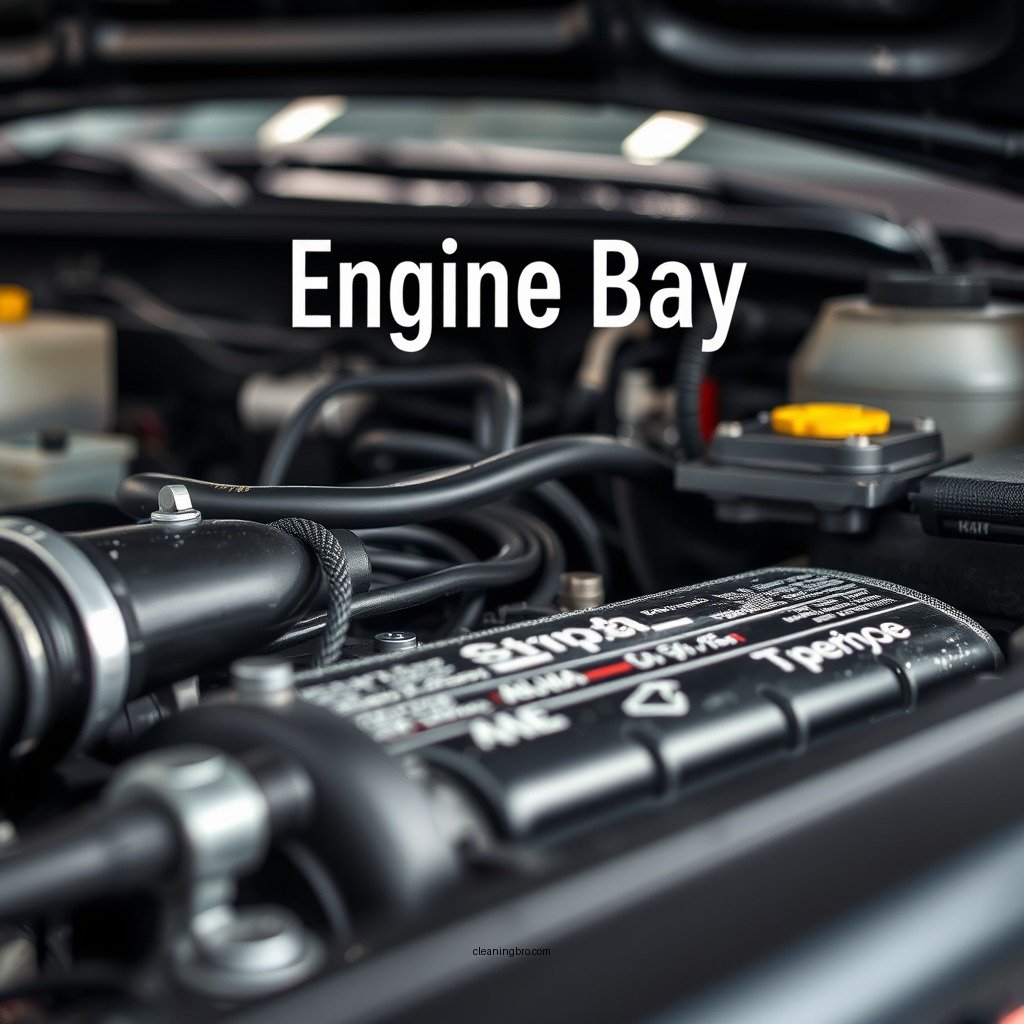
With everything prepared and protected, it’s time to apply a degreaser to the engine bay. Choose a degreaser that is appropriate for automotive use, as it will effectively cut through grease and grime without damaging any surfaces. Spray the degreaser generously across the entire engine bay, paying special attention to areas that are particularly greasy or dirty, such as the oil pan and around the engine block.
Allow the degreaser to sit for about 5-10 minutes. This waiting period is vital as it helps to loosen the dirt and grime, making it much easier to scrub away.
Most Effective Degreasers for Engine Bay Cleaning (2024)
| # | Product Name | Effectiveness | Eco-Friendly | Price |
|---|---|---|---|---|
| 1 | Simple Green | ★★★★☆ | ✅ | $8.99 |
| 2 | Gunk Engine Degreaser | ★★★★★ | ✅ | $9.99 |
| 3 | Meguiar’s Engine Cleaner | ★★★★☆ | ✅ | $11.99 |
| 4 | Chemical Guys Signature Series | ★★★★☆ | ❌ | $14.99 |
| 5 | Black Magic Engine Degreaser | ★★★★☆ | ✅ | $7.99 |
| 6 | Zep Heavy-Duty Citrus Degreaser | ★★★★★ | ✅ | $10.49 |
| 7 | Royal Purple Max-Tane | ★★★★☆ | ❌ | $12.99 |
Scrubbing and Rinsing
After allowing the degreaser to penetrate the grime, it’s time to scrub and rinse. Using brushes and microfiber rags, begin scrubbing all surfaces of the engine bay. Pay special attention to crevices, around hoses, and the engine block where dirt tends to accumulate. For intricate areas, an old toothbrush can be particularly useful.
Once you’ve effectively scrubbed the surfaces, rinse off the degreaser with a gentle stream of water, avoiding high-pressure jets that could dislodge or damage components. A gentle rinse will help ensure that all residues are effectively washed away without risking damage to sensitive parts.
Top Engine Bay Cleaning Tools: Full Comparison
| Feature | ⭐ Heavy-Duty Degreaser | Microfiber Towels | Detail Brushes |
|---|---|---|---|
| Effectiveness | ✅ Best-in-class | ✅ Good | ✅ Essential |
| Durability | Long-lasting | High-quality | Varied quality |
| Price | $8.99 | $12.99 | $9.99 |
| Ease of Use | Very easy | Easy | Requires some skill |
| Eco-Friendly | ✅ Good option | ✅ Best | ❌ Not eco-friendly |
| Stain Removal | High | N/A | N/A |
| Versatility | Great | Limited | High |
| Availability | Widely available | Commonly available | Available online |
| User Reviews | ★★★★☆ | ★★★★★ | ★★★★☆ |
| 🏆 Best For | Heavy-duty cleaning | Soft cleaning | Detailing |
Drying the Engine Bay
After rinsing, it is important to dry the engine bay thoroughly to prevent corrosion and water spots. Use clean, dry towels to wipe down any excess water, focusing on areas where moisture could accumulate. Pay particular attention to crevices and water traps. After towel-drying, allow the engine bay to air dry completely before starting the vehicle. This step is crucial, as starting the engine with moisture present can lead to electrical issues or corrosion.
Finishing Touches
Once the engine bay is clean and dry, you can apply a protectant to plastic and rubber components to restore their shine and protect against UV damage. These products can help to rejuvenate faded plastic and rubber, giving your engine bay a fresh look.
While you’re in the engine bay, take the opportunity to inspect for any potential leaks, loose connections, or other issues. A clean engine bay makes spotting these problems much easier, allowing for timely maintenance and repairs.
Regular Maintenance Tips
To maintain a clean engine bay, it is advisable to schedule a cleaning every few months or as needed, depending on your driving conditions. Regular inspections for leaks and immediate cleaning of spills will help keep dirt and grime from building up. An engine bay that is consistently clean not only looks better but can also enhance the longevity and performance of your vehicle.
In conclusion, cleaning your engine bay is a straightforward yet essential task that can significantly impact your vehicle’s performance and appearance. By following these steps and maintaining a regular cleaning schedule, you can ensure that your engine bay remains in top condition. This proactive approach helps in identifying potential issues early and promotes the overall health of your vehicle. Make engine bay cleaning a routine part of your vehicle maintenance to enjoy the benefits of a clean and functional engine compartment.
Frequently Asked Questions
What is the best way to clean an engine bay safely?
The best way to clean an engine bay safely involves first ensuring the engine is cool, then covering sensitive components like the air intake and electrical parts with plastic bags. Use a degreaser specifically designed for automotive use, spraying it on the dirty areas, and then gently agitate with a soft brush. Finally, rinse with low-pressure water to avoid damaging any components.
How often should I clean my engine bay?
It’s recommended to clean your engine bay every 6 months to a year, depending on your driving conditions. If you frequently drive in dusty or off-road environments, you may need to do it more often. Regular cleaning helps prevent grime buildup, which can lead to corrosion and make it easier to spot potential issues.
Why is it important to clean the engine bay?
Cleaning the engine bay is important because it helps maintain the performance and longevity of your vehicle. A clean engine allows for better heat dissipation, reduces the risk of overheating, and makes it easier to identify leaks and other mechanical issues. Additionally, it enhances the overall appearance of your vehicle, especially if you’re planning to sell it.
Which products are best for cleaning an engine bay?
The best products for cleaning an engine bay include biodegradable degreasers, engine cleaners, and a variety of brushes and microfiber cloths. Look for a non-corrosive degreaser to avoid damaging sensitive components, and ensure the products are safe for automotive use. Some popular brands include Simple Green and Gunk, which offer effective degreasing capabilities.
How do I protect my engine after cleaning the engine bay?
After cleaning your engine bay, you can protect it by applying a silicone-based protectant or dressing to plastic and rubber components. This will help repel dirt and grime while giving them a fresh appearance. Additionally, ensure all components are dry before starting the engine to prevent moisture-related issues.
References
- Hood (car)
https://en.wikipedia.org/wiki/Engine_bay - https://www.carbibles.com/how-to-clean-an-engine-bay/
https://www.carbibles.com/how-to-clean-an-engine-bay/ - https://www.edmunds.com/car-care/how-to-clean-your-engine-bay.html
https://www.edmunds.com/car-care/how-to-clean-your-engine-bay.html - Google Scholar Google Scholar
https://scholar.google.com/scholar?q=how+to+clean+an+engine+bay - Google Scholar Google Scholar
https://scholar.google.com/scholar?q=engine+bay+maintenance - Google Scholar Google Scholar
https://scholar.google.com/scholar?q=engine+cleaning+techniques - Newer Audi models recalled for axle and alignment issue
https://www.thecarconnection.com/news/1132133_how-to-clean-your-engine-bay - how to clean an engine bay – Search results
https://en.wikipedia.org/wiki/Special:Search?search=how+to+clean+an+engine+bay - https://www.ncbi.nlm.nih.gov/search/research-articles/?term=how+to+clean+an+engine+bay
https://www.ncbi.nlm.nih.gov/search/research-articles/?term=how+to+clean+an+engine+bay