

Cleaning a bed liner is essential for maintaining its appearance and longevity, and it’s easier than you might think. With the right supplies and methods, you can restore your bed liner to a like-new condition, preventing dirt build-up and potential damage over time. This guide will walk you through each step of the cleaning process, ensuring your bed liner remains in optimal shape for years to come.



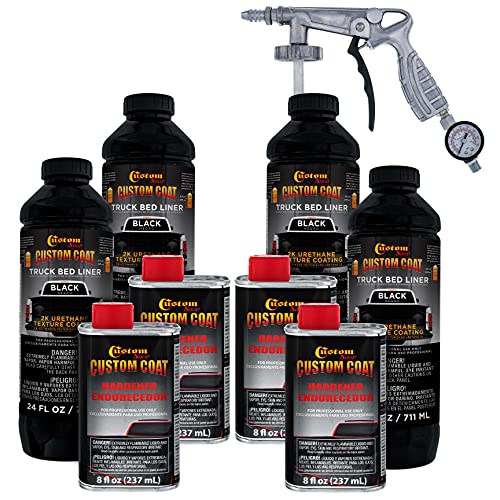
Choosing the Right Cleaning Supplies

To effectively clean your bed liner, it is crucial to select the right cleaning supplies that will not damage the material. Non-abrasive cleaners are ideal for this task. Look for products specifically designed for automotive surfaces, as they will provide the cleaning power you need without scratching or degrading the liner.
In addition to the cleaner, gather the following tools:
– Brushes: A soft-bristle brush for general cleaning and a stiff-bristle brush for tougher stains will be beneficial.
– Microfiber Cloths: These are perfect for wiping down surfaces without leaving lint or scratches.
– Hose: A garden hose with a spray nozzle will help you rinse off the cleaner thoroughly.
Having these supplies ready will streamline the cleaning process, making it more efficient and effective.
Preparing the Bed Liner for Cleaning


Before you start cleaning, it’s essential to prepare the bed liner properly. Begin by removing any loose debris and heavy dirt. A vacuum cleaner with a hose attachment is highly effective for this purpose, but a broom can also do the job well. Make sure to get into the corners and crevices where dirt tends to accumulate.
If possible, consider removing the bed liner from the truck bed. This will provide you with easier access to all areas and make the cleaning process significantly more manageable. It allows you to clean underneath and around the liner thoroughly, ensuring no dirt remains trapped.
Cleaning the Bed Liner

Once the bed liner is prepped, it’s time to clean it. Start by applying the chosen cleaner evenly across the entire surface of the bed liner. Be sure to follow the manufacturer’s instructions for the cleaning product to avoid any adverse reactions.
Using your soft-bristle brush, gently scrub the surface. For stubborn stains or areas with built-up grime, switch to the stiff-bristle brush for a more intense scrubbing action. Take your time, working in sections to ensure that you cover every inch of the liner. After scrubbing, allow the cleaner to sit for a few minutes to loosen any remaining dirt.
Data Comparison
Top Bed Liner Cleaning Products (2024)
| # | Product Name | Type | Usage | Rating |
|---|---|---|---|---|
| 1 | Chemical Guys Bed Liner Cleaner | Liquid | Spray | ★★★★★ |
| 2 | Meguiar’s Heavy Duty Cleaner | Foam | Scrub | ★★★★☆ |
| 3 | 303 Aerospace Protectant | Spray | Protect | ★★★★★ |
| 4 | Rugged Ridge Bed Liner Cleaner | Gel | Scrub | ★★★★☆ |
| 5 | Star Brite Non-Skid Deck Cleaner | Liquid | Spray | ★★★★☆ |
| 6 | Griot’s Garage Rubber Cleaner | Foam | Scrub | ★★★★☆ |
| 7 | 3M Clean-N-Strip | Liquid | Soak | ★★★★☆ |
Rinsing and Drying
After scrubbing, it is crucial to rinse the bed liner thoroughly to remove all cleaning residue. Use your hose with a spray nozzle to rinse from top to bottom, ensuring that all cleaner and dirt are washed away. Pay special attention to any areas where the cleaner may have pooled or where you scrubbed more vigorously.
Once rinsed, allow the bed liner to air dry completely before reinstalling it. This step is vital as it prevents moisture from being trapped, which could lead to mold growth or degradation of the liner material.
Inspecting for Damage
After cleaning, take the time to inspect the bed liner for any signs of damage. Look for cracks, tears, or peeling areas that may need repair. Addressing these issues promptly can prevent further deterioration, which could lead to more extensive and costly repairs in the future. If you notice any damage, consider consulting with a professional for repair options or follow DIY methods if you are comfortable.
Preventative Maintenance Tips
To prolong the life of your bed liner, it’s essential to implement preventative maintenance. Here are some effective tips:
– Apply a UV Protectant: This will shield the liner from sun damage, which can cause fading and cracking.
– Regular Cleaning: Establish a routine cleaning schedule, ideally every few months, depending on usage. This will prevent dirt buildup and maintain the liner’s appearance.
– Avoid Overloading: Be cautious about the weight you load into the truck bed, as excessive weight can damage the liner over time.
By following these tips, you can ensure that your bed liner stays in excellent condition, enhancing the longevity and functionality of your truck.
In summary, regular cleaning and maintenance will keep your bed liner in excellent condition, ensuring it serves you well for years to come. Consider sharing this guide with fellow truck owners looking to care for their bed liners and maintain their vehicles’ value and functionality.
Frequently Asked Questions
What is the best way to clean a truck bed liner?
The best way to clean a truck bed liner is to start by removing any loose debris and dirt using a broom or vacuum. Next, use a mixture of warm water and mild soap to scrub the surface with a soft brush or cloth. Rinse thoroughly with water to remove any soap residue, ensuring your bed liner stays in good condition and maintains its protective qualities.
How often should I clean my bed liner?
You should clean your bed liner at least once every few months, or more frequently if you use your truck for heavy hauling or off-road activities. Regular cleaning prevents dirt and grime buildup, which can lead to discoloration and damage over time. Additionally, addressing spills and stains immediately can help maintain the integrity of your bed liner.
Why is it important to clean my bed liner?
Cleaning your bed liner is crucial because it prevents dirt, mud, and debris from causing scratches or deterioration. A clean bed liner also helps maintain its protective qualities against rust and corrosion, ensuring your truck remains in optimal condition. Regular maintenance can prolong the life of your bed liner and enhance the overall appearance of your vehicle.
Which cleaning products are safe for bed liners?
Safe cleaning products for bed liners include mild detergents, degreasers, and specialized automotive cleaners designed for plastic or rubber surfaces. Avoid using harsh chemicals, bleach, or abrasive scrubbing tools, as they can damage the texture and finish of the bed liner. Always check the manufacturer’s recommendations for cleaning products to ensure compatibility.
How do I remove tough stains from my bed liner?
To remove tough stains from your bed liner, start by applying a specialized cleaner or a paste made of baking soda and water directly on the stain. Let it sit for a few minutes to penetrate the stain before scrubbing gently with a soft brush. Rinse thoroughly with water and repeat if necessary, ensuring the bed liner is restored to its original appearance without causing damage.
References
- Auto detailing
https://en.wikipedia.org/wiki/Car_care - https://www.sciencedirect.com/topics/engineering/cleaning
https://www.sciencedirect.com/topics/engineering/cleaning - https://pubmed.ncbi.nlm.nih.gov/
https://pubmed.ncbi.nlm.nih.gov/ - https://www.nature.com/subjects/cleaning
https://www.nature.com/subjects/cleaning - https://www.bbc.com/news/topics/cyx74j0m1dmt/cleaning
https://www.bbc.com/news/topics/cyx74j0m1dmt/cleaning - Google Scholar Google Scholar
https://scholar.google.com/scholar?q=how+to+clean+bed+liner - Google Scholar Google Scholar
https://scholar.google.com/scholar?q=bed+liner+cleaning+methods - Google Scholar Google Scholar
https://scholar.google.com/scholar?q=cleaning+techniques+for+bed+liners - https://www.cdc.gov/niosh/topics/cleaning.html
https://www.cdc.gov/niosh/topics/cleaning.html - https://www.mayoclinic.org/healthy-lifestyle/consumer-health/in-depth/cleaning-and-disinfecting/art-20417582
https://www.mayoclinic.org/healthy-lifestyle/consumer-health/in-depth/cleaning-and-disinfecting/art-20417582
