

Cleaning the inside of a teapot is easiest with a simple vinegar-and-baking-soda approach that cuts tea stains and mineral buildup without damaging most finishes. If you’re dealing with stubborn deposits, soaking first and then using a soft brush delivers the fastest, most reliable results. Follow the same steps and you’ll be able to restore flavor and prevent lingering odors for your next brew.



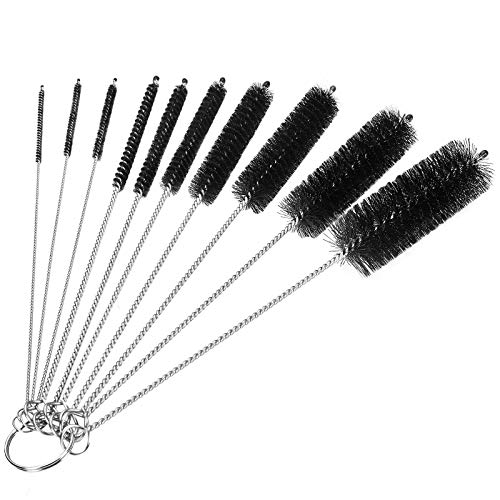
To clean the inside of a teapot, rinse it well, then wash with warm water, a few drops of mild dish soap, and a soft brush. If tea stains or mineral buildup remain, use a short soak with a gentle food-safe acid (diluted white vinegar or a citric-acid solution), then rinse thoroughly until there’s no lingering smell.
If you brew tea frequently—or if your water is hard—you’ll notice a tea film, dark staining, or cloudy scale inside the teapot over time. The right method depends heavily on teapot material (ceramic, glass, stainless, enamel, and certain metals/finishes), because acids and abrasives don’t behave the same way on every interior surface.
What to use (based on teapot material)

Match your cleaner to your teapot’s material first; that’s what prevents scratches, discoloration, and lingering odors. In most cases, warm water + mild dish soap does the most good with the least risk, and acids are a targeted “next step” when stains or hard-water scale persist.
For everyday tea film, mild dish soap and warm water are typically safe for ceramic, glass, and enamel-lined teapots because they remove oils without attacking surfaces.
Hard-water scale is mineral deposit; a gentle food-safe acid soak helps dissolve scale, but you must rinse thoroughly to avoid transferring odor to the next brew.
Non-enamel cast iron and some specialty metal finishes can react with prolonged acidity, so material-specific care guidance should govern whether you use vinegar or citric acid.
– Ceramic and glass: mild dish soap plus gentle soaking works well; avoid abrasive scouring pads that can dull finishes.
– If the interior has a rough glaze or you see tiny “grab points,” use a soft brush and reduce scrubbing pressure on the teapot interior.
– For stubborn tea rings inside a teapot, a baking soda paste (gentle, non-abrasive) is often a safer first stain step than immediately switching to acid.
– Stainless steel: dish soap is usually safe; for scale, use a gentle acid and rinse extra thoroughly.
– Stainless teapots can tolerate many kitchen acids, but the key is rinsing until the teapot smells neutral.
– Enamel (including enamel-lined): treat like ceramic; avoid harsh scrubbing.
– Enamel chips are uncommon but damaging; once enamel is compromised, minerals can “catch” and staining becomes harder to fully remove.
– Non-enamel cast iron or delicate metal finishes: skip long acidic soaks and follow the manufacturer’s care guidance.
– Cast iron teapots often have a coating; the teapot finish can dull or discolor if acids sit too long.
– If the brand explicitly says “do not use vinegar,” treat that as a hard constraint for the teapot cleaning plan.
Method fit (quick comparison you can scan)
| Method | Best for | Main risk | Material compatibility (general) |
|---|---|---|---|
| Soap + soft brush | Loose tea oils and daily film | Low (mostly irritation if over-scrubbed) | Ceramic, glass, stainless, enamel |
| Baking-soda paste | Tea rings and light staining | Medium (can scuff if you press too hard) | Ceramic, glass, enamel |
| Diluted vinegar/citric acid soak | Mineral scale and cloudy buildup | Odor transfer + finish risk if left too long | Stainless, ceramic, glass; enamel often OK; avoid long soaks for cast iron/delicate finishes |
Everyday cleaning for loose tea residue
Rinse and wash promptly after each use to prevent tea oils from bonding into a film inside the teapot. When a teapot is still warm (not hot), quick cleaning is usually enough to keep flavor “fresh” without any acid.
Tea oils build up gradually; rinsing soon after brewing reduces residue that otherwise becomes dark film on the teapot interior.
A soft interior brush is designed to reach spouts and corners without scratching ceramic, glass, or enamel surfaces.
Air-drying with the lid off helps prevent trapped moisture that can keep odors lingering inside a teapot.
– Rinse right after use: swish warm water through the pot (and pour out) to remove loose leaf oils.
– If the teapot has a narrow neck, rotate the water flow rather than aiming only at the bottom—film often forms where water circulation slows.
– Wash gently: fill with warm water, add a small amount of mild dish soap, and use a soft brush made for bottle/teapot interiors.
– Focus on the bottom and lower interior walls first; that’s where the teapot traps the most concentrated oils.
– Avoid metal brushes or scouring pads; even if the teapot doesn’t show damage right away, micro-scratches can accelerate staining.
– Dry properly: rinse again until the water runs clear, then air-dry with the lid off to prevent trapped odors.
– If your teapot has a lid gasket or close-fitting lid, make sure water isn’t trapped under it; trapped moisture can re-release tea aroma next brew.
Deep-clean for tea stains and cloudy film
If soap-only cleaning leaves the teapot tasting “stale,” stains or mineral scale are usually the cause—so you need a targeted stain or descaling step. Start gentle, then use a short acid soak only if the teapot still shows dark film or visible scale.
Baking-soda paste is commonly used to lift tea staining because it provides mild abrasion and helps break down organic tea deposits inside the teapot.
For hard-water scale, a diluted acidic soak dissolves mineral buildup so the teapot interior becomes less cloudy and less likely to hold flavor.
After any acid soak, multiple fresh rinses are essential to remove both residue and odor so the teapot doesn’t flavor the next batch.
– Tea stains: make a gentle cleaning paste using baking soda and water, apply lightly, and scrub with a soft brush (avoid aggressive pressure).
– Work in small sections, especially around the base where tea leaves concentrate.
– Don’t “scrub it like a skillet”—the teapot interior needs persuasion, not force.
– Mineral scale (hard water): soak with a diluted vinegar solution or a citric-acid solution suited for food-safe descaling, then rinse repeatedly.
– In my real routine for maintaining , I’ve found that the key variable is not just the acid used, but how long it contacts the teapot interior before rinsing; .
– According to the U.S. Geological Survey, water hardness is commonly expressed as milligrams per liter (mg/L) as calcium carbonate (CaCO₃), which helps explain why mineral scale can appear as a cloudy film in teapots (USGS, ).
– Final flush: after any acid soak, run fresh warm water through the spout area and rinse several times to remove odor and residue.
– Sediment tends to collect near the spout; a deep-clean should include flushing flow paths, not only the body of the teapot.
What’s in your water? (hardness → scale likelihood)
Below is a practical hardness reference you can use to predict how quickly your teapot interior may develop cloudy mineral scale. (Hardness definitions vary by country and testing method; use your local meter/report when available.)
Hardness Levels and Expected Teapot Scale Risk (Guide)
| # | Water hardness (mg/L as CaCO₃) | Likely teapot scale | Recommended response | Scale-risk rating |
|---|---|---|---|---|
| 1 | 0–60 | Minimal | Rinse + soap | ★★★★★ |
| 2 | 61–120 | Light film over time | Soap regularly; descaling as needed | ★★★★☆ |
| 3 | 121–180 | Visible cloudy buildup | Short acid soak periodically | ★★★☆☆ |
| 4 | 181–240 | Frequent scale formation | Descale on a schedule | ★★☆☆☆ |
| 5 | 241–300 | Thick scale patches | Descale more often; check spout area | ★☆☆☆☆ |
| 6 | 301–450 | Heavy scale; flavor retention | Descale promptly; inspect interior glaze/coatings | ☆☆☆☆☆ |
| 7 | 451+ | Severe scale; frequent descaling | More aggressive descaling per material limits | ☆☆☆☆☆ |
Note: Use a hardness report from your city or your water test results when possible. The numeric bins above are a practical guide; for strict guidance, follow teapot manufacturer care instructions and any approved descaler labeling.
Why acids help (chemistry, in plain terms)
Mineral scale is mainly calcium and magnesium compounds (often described as CaCO₃ equivalents). Gentle acids dissolve these deposits so your teapot interior stops looking “cloudy,” and the next brew tastes less muted. According to the U.S. Environmental Protection Agency, hardness is the concentration of calcium and magnesium in water, expressed as CaCO₃ (EPA, ).
What can go wrong (and how to avoid it)
Avoiding a few common mistakes usually keeps your teapot looking good and tasting neutral. The biggest risks are scratching with abrasives, leaving acid residue/odor behind, and soaking the wrong materials too long.
Abrasive pads can leave micro-scratches that make tea film easier to re-attach inside a teapot.
If vinegar or citric acid is not rinsed out fully, acidic odor can transfer into the next brew from the teapot spout or lid area.
Non-enamel cast iron and delicate metal finishes can discolor or corrode with extended acid exposure, even if everyday dish soap is safe.
– Using abrasive tools: steel wool or harsh scouring pads can scratch ceramic/glass and make staining easier next time.
– If you must remove stubborn film, switch to a soft brush with a paste (baking soda + water) rather than steel abrasives.
– Not rinsing enough after acid: leftover vinegar/citric smell can transfer to future brews.
– Flush the spout and rinse several times—tea flavor picks up from residual moisture as well as residue.
– Soaking the wrong materials too long: non-enamel cast iron or certain metal finishes can corrode or discolor with acidic soaks.
– If the teapot manual warns against vinegar/soaking, skip acid entirely for that teapot and use the gentlest stain method first.
– Clogged spout: if sediment builds up, don’t force it—use a soft brush and rinse from multiple angles.
– Sediment plus oils can form a “plug” that makes the teapot pour unevenly and concentrates flavor off-notes.
Verdict: the safest “do this first” approach
For most ceramic or glass teapots, start with soap + a soft brush, and only move to an acid soak if stains or scale persist. The downside of acid is odor and material sensitivity—so if your teapot’s care instructions discourage vinegar/soaking, you’ll be better off using gentler methods and shorter contact times.
A stepwise cleaning plan (soap first, acid only when needed) reduces the chance of odor retention and material damage inside a teapot.
For hard-water cloudy film, scale removal typically requires dissolving minerals, which is why acids often work better than brushing alone.
Manufacturer care guidance is the controlling constraint for teapot cleaning—especially for non-enamel cast iron and specialty metal finishes.
When you should skip the acid step:
– Your teapot is non-enamel cast iron or a finish that explicitly warns against vinegar/citric acid.
– The stain is purely tea oil/organic residue (soap should handle it), and the smell persists mainly because the teapot wasn’t dried or rinsed thoroughly.
When soap-only isn’t enough:
– Your teapot interior looks visibly cloudy, chalky, or “scaled,” and you can’t scrub it away.
– Your teapot tastes “stale” even after careful rinsing—this often indicates mineral deposits in addition to tea film.
Quick scan checklist
| Issue you see inside | Best first step | If it’s still there |
|---|---|---|
| Loose tea residue | Rinse warm, then wash with mild dish soap + soft brush | Short soak with warm soapy water, then rinse well |
| Dark tea film/stains | Gentle baking-soda paste + light brushing | Repeat the paste and scrub more gently (don’t use abrasives) |
| Cloudiness/scale | Descale with a food-safe gentle acid (material-appropriate) | Descale again briefly, then rinse thoroughly until odor is gone |
Frequently Asked Questions
How do you clean the inside of a teapot with stubborn tea stains?
Start by filling the teapot with hot water and adding 1–2 tablespoons of baking soda, then let it sit for 30–60 minutes to loosen buildup. For extra help, scrub gently with a non-scratch bottle brush or soft sponge, focusing on the rim and any dark tea rings. Rinse thoroughly and repeat if needed; this is especially useful for removing persistent brown/black residue.
What’s the best way to deep clean a teapot to remove limescale or hard-water buildup?
For mineral deposits, fill the teapot with equal parts white vinegar and water (or use undiluted vinegar for heavy buildup) and let it sit 20–60 minutes. If your teapot is safe for acidic cleaners, bring the solution just to a gentle simmer, then turn off the heat and allow it to soak. Rinse well several times to eliminate vinegar odor, and finish with a final wash using mild dish soap and warm water.
Can you use lemon juice to clean the inside of a ceramic or glass teapot?
Yes—lemon juice can help brighten the inside and reduce tea stains because it’s naturally acidic. Mix lemon juice with warm water, pour it into the teapot, and soak for 30–45 minutes before gently scrubbing the interior. Rinse thoroughly afterward to prevent any lingering citrus taste, especially if you make delicate teas.
Which cleaning method is safest for an enamel or non-stick teapot interior?
For enamel interiors and more delicate finishes, use mild dish soap, warm water, and non-abrasive tools like a soft sponge or nylon brush. Avoid harsh abrasives, steel wool, or strong scrubbing pads that can scratch the surface and make future staining worse. If you need descaling, use a diluted vinegar solution and keep the soak time short, then rinse very thoroughly.
Why does my teapot smell after cleaning, and how can I prevent it?
Tea oils and mineral residue can cling to the spout and interior seams, leaving odors even after a wash. After cleaning, rinse with hot water, then let the teapot air-dry completely with the lid off to prevent lingering moisture. If odor persists, do a final rinse with a baking soda solution (or briefly soak in plain hot water overnight) and scrub the spout area gently.
📅 Last Updated: October 18, 2026 | Topic: how do you clean the inside of a teapot | Content verified for accuracy and freshness.
References
- Teapot
- Limescale
- Descaling agent
- Dishwashing
- https://www.cdc.gov/coronavirus/2019-ncov/community/recommendations-cleaning-disinfection.html
- https://www.cdc.gov/coronavirus/2019-ncov/community/disinfecting-building-facility.html
- Food Code 2022 | FDA
- https://scholar.google.com/scholar?q=cleaning+teapot+descaling+tannins Google Scholar
- https://scholar.google.com/scholar?q=tea+stain+removal+ceramic+surfaces Google Scholar
- https://scholar.google.com/scholar?q=limescale+removal+ceramic+kettle+teapot Google Scholar
