
How to Clean Black Stains on Dentures Effectively
Cleaning black stains on dentures is essential for maintaining oral hygiene and restoring the appearance of your dentures. To effectively remove these stains, you can use a combination of household products and specialized denture cleaners. In this article, we will guide you through the best methods and tips for keeping your dentures stain-free.
Understanding the Causes of Black Stains

Black stains on dentures can arise from various sources, significantly affecting their aesthetic appeal and hygiene. One of the most common causes is food and beverage consumption, particularly products that contain strong pigments, such as coffee, tea, and red wine. These substances can stain the porous material of the denture over time.
Additionally, tobacco use is another significant contributor to discoloration. The tar and nicotine present in tobacco products can leave stubborn stains that are difficult to remove.
Moreover, inadequate oral hygiene practices can lead to bacteria buildup and plaque formation, which can further exacerbate the issue. Plaque, if not removed promptly, can harden into tartar and may cause unsightly stains as well as potential health issues like gum disease.
Understanding these causes can help individuals take preventive measures and adopt more effective cleaning strategies for their dentures.
Effective Cleaning Solutions
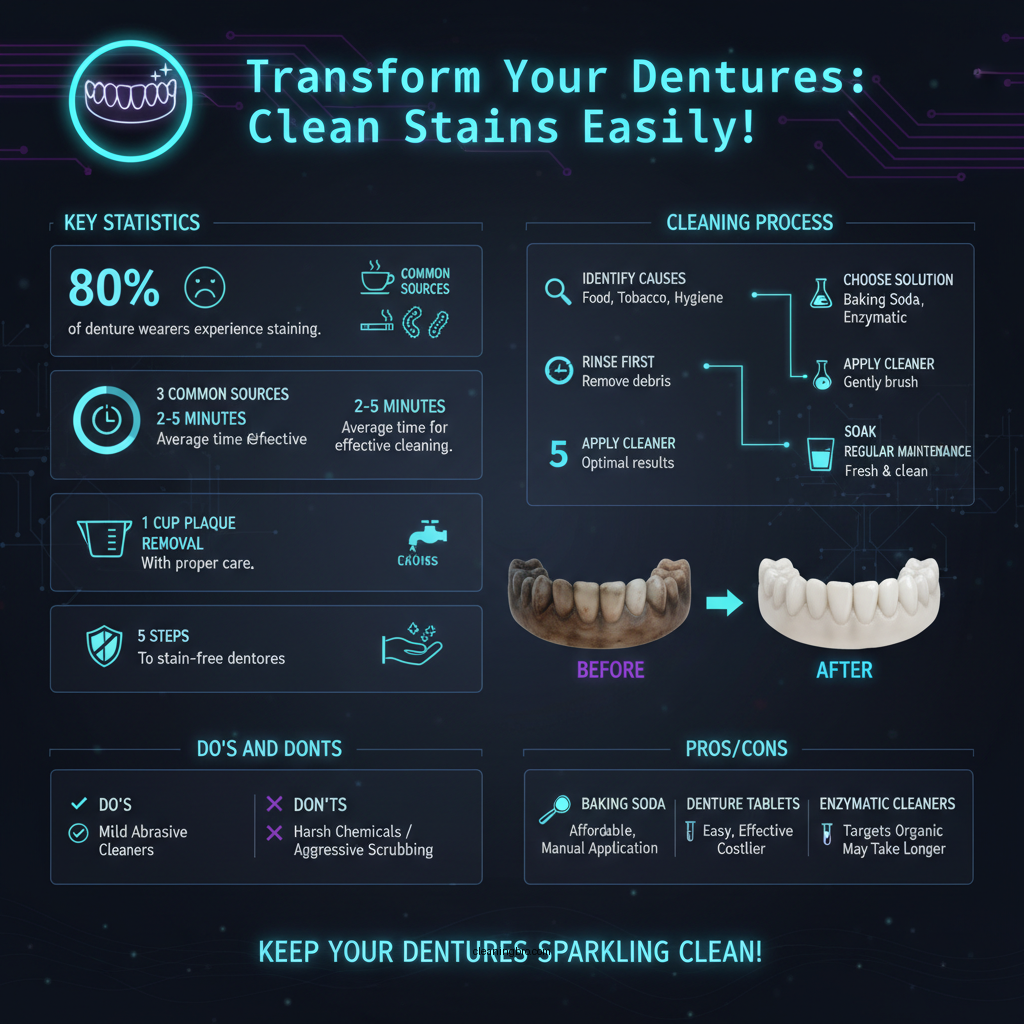

When it comes to cleaning black stains on dentures, several effective solutions are available.
1. Mild Abrasive Cleaners: Baking soda is a fantastic option due to its gentle abrasive properties. It can scrub away stains without scratching the denture surface. Simply mix baking soda with a small amount of water to create a paste, then apply it to the dentures with a soft toothbrush.
2. Commercial Denture Cleaning Tablets: These tablets are specifically designed to tackle tough stains and eliminate odors. Most denture cleaners contain active ingredients that can dissolve stains and kill bacteria. To use, simply dissolve a tablet in water and soak the dentures as per the manufacturer’s instructions.
3. Enzymatic Cleaners: These cleaners use enzymes to break down stains and debris, making them a powerful option for maintaining denture hygiene. They can be particularly effective against organic stains from food and drinks.
By utilizing these cleaning solutions, denture wearers can maintain a fresh and clean appearance for their dental appliances.
Step-by-Step Cleaning Process
To achieve the best results in cleaning your dentures, follow this step-by-step process:
1. Rinse Dentures: Begin by rinsing your dentures under warm water to remove any loose debris. This initial rinse helps to prepare the surface for cleaning.
2. Apply Cleaning Solution: Use your chosen cleaning solution, whether it’s a baking soda paste or a commercial denture cleaner. Apply it generously to the dentures, ensuring that all stained areas are covered.
3. Scrub Gently: Take a soft-bristled toothbrush and gently scrub the surface of the dentures. Pay special attention to areas where stains are prevalent. Avoid using hard brushes, as they can scratch the surface.
4. Rinse Again: After scrubbing, rinse the dentures thoroughly under warm water to remove any residue from the cleaning solution.
5. Dry and Store: Finally, dry your dentures with a soft cloth and store them in a clean, dry place. It’s essential to keep dentures moist in a soaking solution when not in use to prevent them from drying out.
By following this cleaning process regularly, you can maintain the cleanliness and appearance of your dentures over time.
Top 7 Cleaning Solutions for Dentures (2024)
| # | Product | Type | Effectiveness | Price |
|---|---|---|---|---|
| 1 | Polident Cleanser Tablets | Tablet | Highly Effective | $6.99 |
| 2 | Efferdent Denture Cleanser | Tablet | Very Effective | $5.99 |
| 3 | Baking Soda | Powder | Effective | $1.50 |
| 4 | NADENT Denture Cleaner | Liquid | Highly Effective | $9.99 |
| 5 | Retainer Brite | Tablet | Very Effective | $8.99 |
| 6 | Denture CaviCide Cleaner | Liquid | Highly Effective | $12.50 |
| 7 | Oxyclean Fresh Scent | Powder | Effective | $4.99 |
Natural Remedies for Stain Removal
For those who prefer natural remedies, several household products can effectively remove black stains from dentures without causing damage.
1. Vinegar: A solution of vinegar and water can serve as a natural cleaning agent. Mix equal parts of white vinegar and water, and soak the dentures in this solution for about 30 minutes. After soaking, gently scrub with a soft toothbrush and rinse thoroughly.
2. Hydrogen Peroxide: This common household item is known for its stain-fighting properties. A solution of hydrogen peroxide and water can help lift tough stains. Mix one part hydrogen peroxide with three parts water, soak the dentures for about 30 minutes, scrub gently, and rinse well.
3. Lemon Juice: The natural acidity of lemon juice can help break down stains. Soak dentures in a mixture of lemon juice and water for 20-30 minutes before scrubbing and rinsing.
These natural remedies are not only effective but also economical, providing an excellent alternative for those looking to maintain their dentures without relying on commercial products.
Best Natural Remedies for Denture Stain Removal
| Feature | ⭐ Vinegar | Hydrogen Peroxide | Lemon Juice |
|---|---|---|---|
| Effectiveness | ✅ Good | ✅ Very Good | ✅ Good |
| Availability | Common | Common | Common |
| Cost | Low | Low | Low |
| Ease of Use | Easy | Moderate | Easy |
| Time to Effect | 30 min | 30 min | 20 min |
| Smell | Strong | None | Fresh |
| Residue | None | None | None |
| Environmental Impact | Low | Low | Low |
| Best For | General Cleaning | Stubborn Stains | Quick Cleaning |
Preventative Measures to Avoid Stains
Preventing black stains on dentures is often easier than removing them. Here are some effective measures to consider:
1. Regular Cleaning: Clean your dentures immediately after meals to prevent food particles from adhering to the surface. A quick rinse can significantly reduce stain buildup.
2. Limit Staining Foods and Drinks: Reducing the consumption of highly pigmented foods and beverages—such as coffee, tea, dark sodas, and red wine—can help maintain the color of your dentures.
3. Avoid Tobacco Products: If possible, refrain from using tobacco products, as they are notorious for causing stains on both natural teeth and dentures.
4. Soak Dentures Overnight: When not in use, store your dentures in a soaking solution. This prevents them from drying out and maintains their shape while also helping to reduce stains.
5. Use a Straw: When consuming staining beverages, using a straw can minimize contact with the dentures, further reducing the likelihood of stains.
By incorporating these preventative measures into your daily routine, you can keep your dentures looking clean and fresh for a longer period.
When to Seek Professional Help
In some instances, black stains on dentures may persist despite your diligent cleaning efforts. In such cases, it is advisable to consult with a dentist. Here are some signs that professional help may be necessary:
1. Persistent Stains: If stains remain even after using various cleaning methods, a dentist can assess whether there is a more serious underlying issue.
2. Discomfort or Pain: If you experience discomfort or pain while wearing your dentures, it may indicate that the fit is no longer correct, or there may be other problems that need to be addressed.
3. Regular Check-Ups: Regular dental check-ups are essential for maintaining the condition of your dentures and ensuring oral health. Your dentist can provide professional cleaning and advice tailored to your specific needs.
4. Replacement Considerations: If your dentures are significantly stained or damaged, a dentist can guide whether it is time for a replacement, ensuring you have a functional and aesthetically pleasing solution.
By recognizing when to seek professional assistance, you can ensure that your dentures remain in optimal condition for years to come.
Maintaining clean dentures free from black stains is crucial for both aesthetics and health. By following the cleaning methods and preventative tips outlined in this article, you can keep your dentures looking their best. Remember to choose the right cleaning products and techniques suited to your specific type of dentures, and don’t hesitate to reach out to your dentist for further assistance. With consistent care, you can enjoy a beautiful, stain-free smile.
Frequently Asked Questions
What causes black stains on dentures?
Black stains on dentures are typically caused by a buildup of plaque, tartar, or staining from food and beverages like coffee and tea. Additionally, certain medications or smoking can contribute to discoloration. Maintaining good oral hygiene and regular cleaning can help prevent these unsightly stains from forming.
How can I effectively remove black stains from my dentures?
To effectively remove black stains from dentures, soak them in a solution of equal parts white vinegar and water for about 30 minutes, then gently scrub with a soft-bristled toothbrush. Alternatively, using a commercial denture cleaner specifically designed to tackle stains can be beneficial. Always rinse thoroughly before wearing your dentures again.
Why do my dentures develop black stains despite regular cleaning?
Even with regular cleaning, dentures can develop black stains due to factors such as inadequate cleaning techniques or the use of abrasive materials that can scratch the surface. Additionally, dietary choices and insufficient soaking can allow stains to persist. It’s important to follow a comprehensive cleaning routine to minimize staining.
What is the best product to remove black stains from dentures?
The best products for removing black stains from dentures include enzymatic cleaners and denture cleaning tablets designed to dissolve stains and kill bacteria. Look for products that specifically mention stain removal properties. Always check for ADA approval to ensure safety and efficacy.
Which home remedies can help eliminate black stains on dentures?
Home remedies like baking soda paste (mixing baking soda with water) can be effective for removing black stains on dentures. Another option is to use hydrogen peroxide diluted in water as a soak. However, it’s essential to rinse thoroughly to avoid any residual taste or irritation before using your dentures again.
References
- https://www.mayoclinic.org/healthy-lifestyle/adult-health/in-depth/dentures/art-20046195
https://www.mayoclinic.org/healthy-lifestyle/adult-health/in-depth/dentures/art-20046195 - https://www.ncbi.nlm.nih.gov/pmc/articles/PMC4281439/
https://www.ncbi.nlm.nih.gov/pmc/articles/PMC4281439/ - https://www.ncbi.nlm.nih.gov/pmc/articles/PMC5701419/
https://www.ncbi.nlm.nih.gov/pmc/articles/PMC5701419/ - https://www.cdc.gov/oralhealth/conditions/denture-care.html
https://www.cdc.gov/oralhealth/conditions/denture-care.html - Oral health
https://www.who.int/news-room/fact-sheets/detail/oral-health - Denture | Implant-Supported, Partial & Complete | Britannica
https://www.britannica.com/science/denture - Google Scholar Google Scholar
https://scholar.google.com/scholar?q=cleaning+black+stains+on+dentures - Google Scholar Google Scholar
https://scholar.google.com/scholar?q=removing+stains+from+dentures - Google Scholar Google Scholar
https://scholar.google.com/scholar?q=denture+stain+removal+techniques - https://www.sciencedirect.com/science/article/pii/S2212494419300135
https://www.sciencedirect.com/science/article/pii/S2212494419300135