How to Clean Your Coffee Thermos: Simple Steps
Cleaning your coffee thermos is essential to maintain its functionality and ensure that your beverages taste fresh. With just a few simple steps, you can remove stains, odors, and residue, keeping your thermos in top condition. In this article, we’ll guide you through effective methods to clean your thermos easily, ensuring that your coffee experience remains enjoyable.
Why Cleaning Your Coffee Thermos Matters
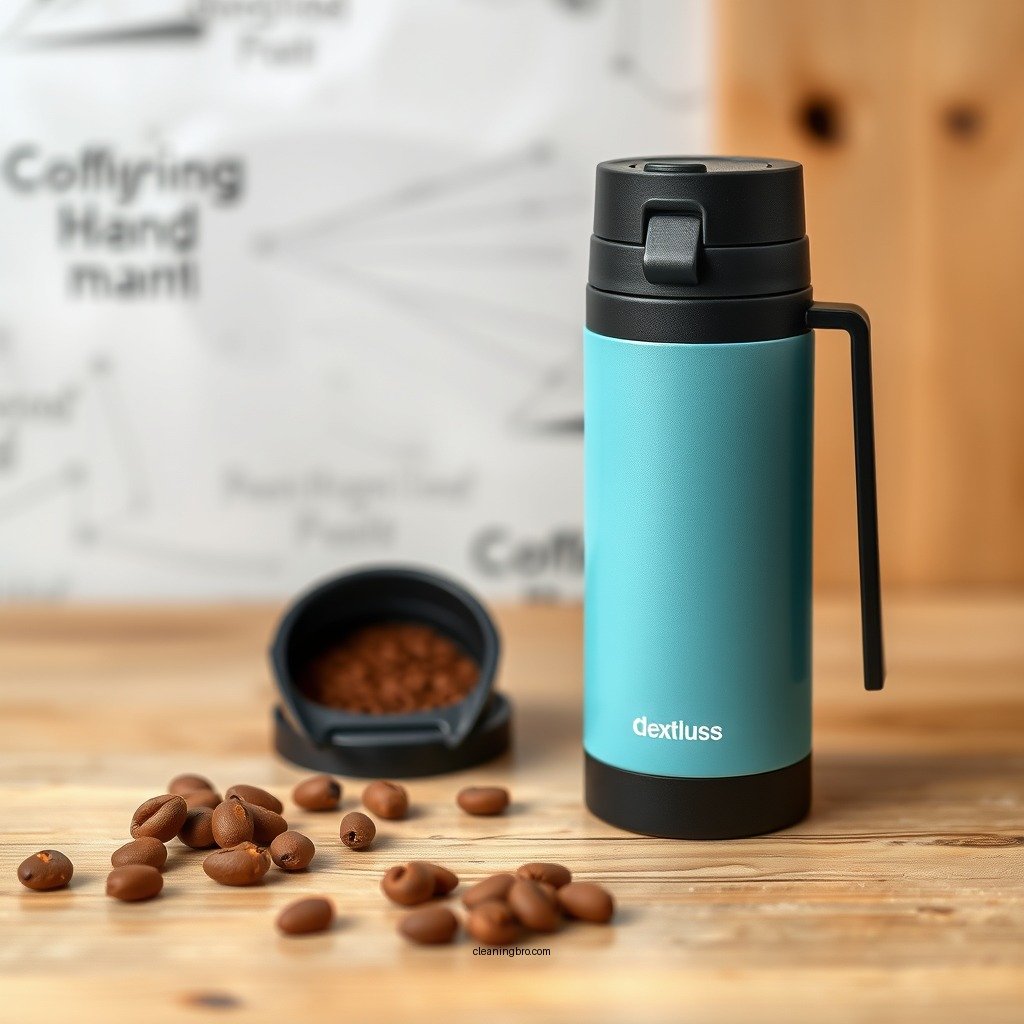
Cleaning your coffee thermos is not merely a matter of aesthetics; it plays a critical role in preserving the quality of your beverages. Over time, coffee oils and residues can build up inside the thermos, leading to unpleasant flavors that taint your drink. This accumulation can also create an environment conducive to bacteria growth, particularly in thermoses that are not used regularly. Regular cleaning not only enhances flavor but also ensures that your thermos remains safe and hygienic for your daily use.
Materials You’ll Need

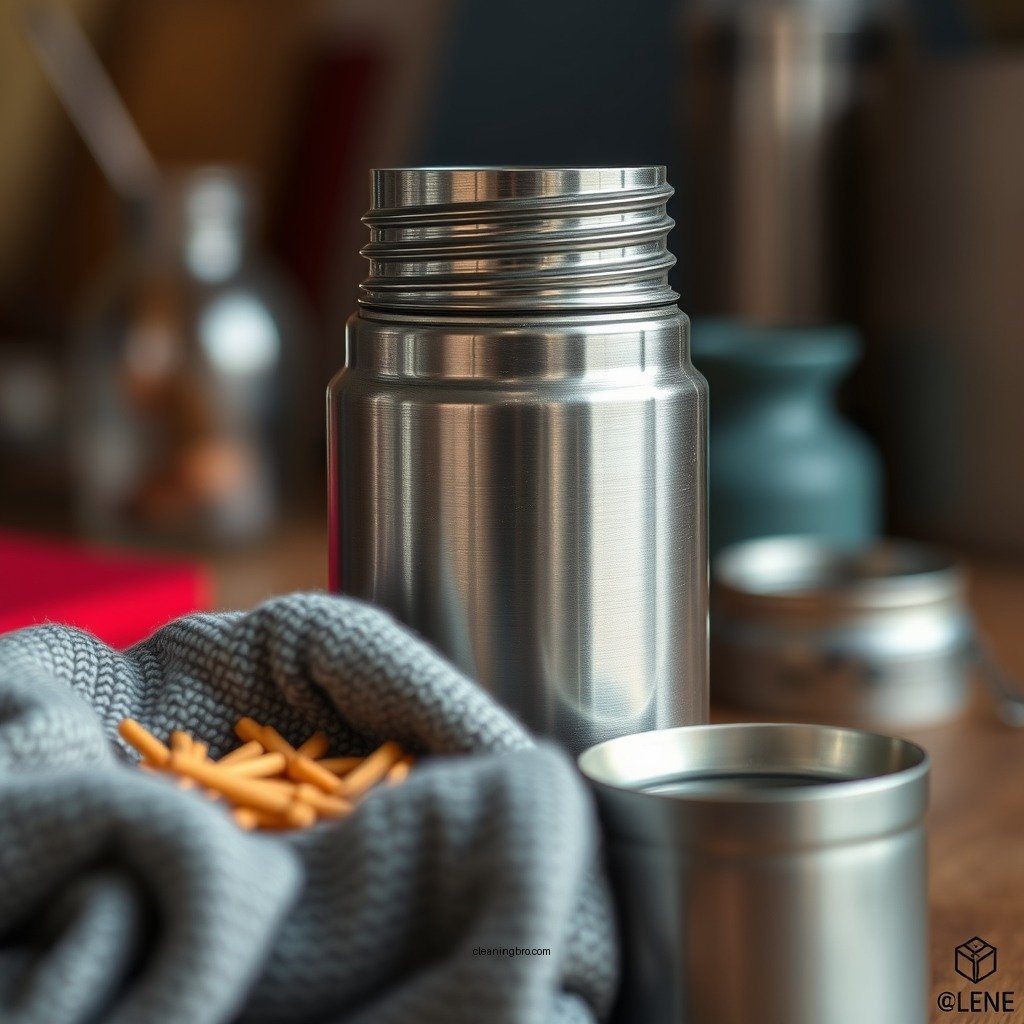
To clean your coffee thermos effectively, you’ll need the following materials:
– Dish Soap or Baking Soda: Both of these are effective cleaning agents that can help break down coffee residues and stains.
– A Bottle Brush or Sponge: A bottle brush is particularly useful for reaching the bottom of the thermos, ensuring a thorough clean.
– Warm Water: Warm water aids in dissolving residues and makes scrubbing easier.
Step-by-Step Cleaning Process

The cleaning process for your coffee thermos is straightforward and can be done in just a few minutes. Follow these steps:
1. Pour Warm Water and Add Soap: Fill your thermos with warm water, then add a few drops of dish soap or a tablespoon of baking soda.
2. Scrub the Interior: Use a bottle brush to scrub the interior of the thermos. Make sure to pay special attention to the bottom and any grooves, as these areas are prone to residue build-up.
3. Rinse Thoroughly: Once you’ve scrubbed the interior, rinse the thermos thoroughly with warm water to remove any soap or baking soda residue.
4. Dry: Leave the thermos open to air dry completely before sealing it again.
Top 7 Coffee Thermos Brands in 2024
| # | Brand | Material | Insulation Type | Capacity (oz) |
|---|---|---|---|---|
| 1 | Thermos | Stainless Steel | Vacuum Insulation | 16 |
| 2 | Contigo | BPA-free Plastic | Thermal Insulation | 20 |
| 3 | Zojirushi | Stainless Steel | Vacuum Insulation | 12 |
| 4 | CamelBak | BPA-free Plastic | Insulated | 24 |
| 5 | Stanley | Stainless Steel | Vacuum Insulation | 18 |
| 6 | ThermoFlask | Stainless Steel | Vacuum Insulation | 32 |
| 7 | Simple Modern | Stainless Steel | Vacuum Insulation | 18 |
Cleaning Stubborn Stains
Even with regular cleaning, stubborn stains can sometimes persist. If you encounter tough stains, a mixture of vinegar and baking soda can be particularly effective. Here’s how to do it:
1. Prepare the Mixture: Combine equal parts vinegar and baking soda to create a paste.
2. Apply and Soak: Apply this mixture to the stained areas and let it sit overnight. The chemical reaction will help break down tough stains.
3. Rinse Thoroughly: After soaking, rinse the thermos thoroughly with warm water to remove any residual cleaning agents. This will ensure that your thermos is not only clean but also safe for future use.
Regular Maintenance Tips
To prolong the life of your coffee thermos, consider incorporating these maintenance tips into your routine:
– Rinse After Each Use: After you finish your drink, rinse the thermos with warm water. This prevents residue from drying and becoming harder to clean later.
– Store Properly: Store the thermos with the cap off to allow air circulation. This helps prevent odors and moisture build-up that can lead to mold.
– Regular Deep Cleaning: Aim to deep clean your thermos with soap and warm water at least once a week, especially if you use it daily.
Alternative Cleaning Methods
If you’re looking for alternative methods to clean your thermos, consider the following:
– Rice and Water: Rice can serve as a natural abrasive cleaner. Add a handful of rice to the thermos with warm water and shake it vigorously. The rice will help dislodge any stuck-on residue.
– Specialized Cleaning Tablets: There are cleaning tablets specifically designed for thermoses. These can be an easy solution for maintaining cleanliness, especially if you’re short on time.
Cleaning Methods: Natural vs. Chemical vs. Specialized Tablets
| Feature | ⭐ Natural (Rice & Water) | Chemical (Vinegar & Baking Soda) | Specialized Tablets |
|---|---|---|---|
| Effectiveness | Moderate | High | Very High |
| Time Required | 5 minutes | Overnight | 1-2 minutes |
| Ingredients Needed | Rice, Water | Vinegar, Baking Soda | Cleaning Tablets |
| Ease of Use | ✅ Simple | ✅ Requires Some Mixing | ✅ Very Simple |
| Environmental Impact | Low | Moderate | Low |
| Cost | Very Low | Low | Medium |
| Safety | Very Safe | Safe with Proper Use | Safe |
| Availability | Widely Available | Readily Available | Readily Available |
| 🏆 Best For | Eco-conscious Users | Deep Cleaning | Quick Cleaning |
When to Replace Your Thermos
Despite your best efforts in cleaning and maintaining your coffee thermos, there comes a time when replacement is necessary. Here are some indicators that it may be time to invest in a new thermos:
– Signs of Wear: Look for rust, dents, or damage to the insulation, as these can affect performance and durability.
– Persistent Odors or Stains: If odors or stains persist despite your cleaning efforts, it may indicate that the material has absorbed these elements beyond the point of cleaning.
– Decreased Insulation Performance: If you notice that your beverages are not staying hot or cold for as long as they used to, it could be a sign that the insulation is compromised.
By being proactive about the cleanliness and maintenance of your thermos, you can significantly extend its lifespan and improve your overall coffee-drinking experience.
In conclusion, maintaining a clean coffee thermos is crucial for both taste and hygiene. With the right materials and simple cleaning methods, you can keep your thermos in great condition. Incorporate regular cleaning and maintenance into your routine and explore alternative cleaning methods as needed. When it’s time to replace your thermos, be vigilant about the signs that indicate wear or decreased performance. By taking these steps, you can ensure that your coffee remains fresh and enjoyable every time you take a sip.
Frequently Asked Questions
What are the best methods to clean a coffee thermos?
The best methods to clean a coffee thermos include using a mixture of warm water and dish soap, or vinegar and baking soda for tougher stains. Fill the thermos with the cleaning solution, let it sit for a few hours, then scrub with a bottle brush and rinse thoroughly. This ensures that any coffee residue or odors are effectively removed.
How often should I clean my coffee thermos?
You should clean your coffee thermos after every use to prevent the buildup of coffee oils and odors. If you use it daily, a deeper clean with vinegar or baking soda every week or two is recommended to maintain freshness and hygiene. Regular cleaning helps prolong the life of your thermos.
Why does my coffee thermos smell bad, and how can I get rid of the odor?
A bad smell in your coffee thermos is often caused by residual coffee oils and moisture that promote bacterial growth. To eliminate the odor, clean the thermos with a mixture of vinegar and water, or use baking soda to absorb smells. Rinse thoroughly and let it dry completely to prevent future odors.
Which cleaning products are safe for my coffee thermos?
Safe cleaning products for your coffee thermos include mild dish soap, white vinegar, baking soda, and specialized thermos cleaners. Avoid using abrasive cleaners or scrubbers that can scratch the interior. Always check the manufacturer’s guidelines to ensure compatibility with your thermos material.
Can I put my coffee thermos in the dishwasher for cleaning?
It depends on the thermos; many stainless steel coffee thermoses are dishwasher safe, but it’s best to check the manufacturer’s instructions. If your thermos has plastic components or a vacuum seal, hand washing is usually recommended to avoid damage. Always ensure that any removable parts are dishwasher safe before placing them in the machine.
References
- https://www.bbc.com/future/article/20200629-how-to-clean-your-coffee-maker
https://www.bbc.com/future/article/20200629-how-to-clean-your-coffee-maker - https://www.mayoclinic.org/healthy-lifestyle/consumer-health/in-depth/cleaning-your-coffee-maker/art-20418623
https://www.mayoclinic.org/healthy-lifestyle/consumer-health/in-depth/cleaning-your-coffee-maker/art-20418623 - https://www.nytimes.com/wirecutter/blog/how-to-clean-a-coffee-maker/
https://www.nytimes.com/wirecutter/blog/how-to-clean-a-coffee-maker/ - Google Scholar Google Scholar
https://scholar.google.com/scholar?q=how+to+clean+coffee+thermos - Google Scholar Google Scholar
https://scholar.google.com/scholar?q=cleaning+coffee+thermos - Google Scholar Google Scholar
https://scholar.google.com/scholar?q=thermos+maintenance+guide - https://www.sciencedirect.com/science/article/pii/S2212862218300266
https://www.sciencedirect.com/science/article/pii/S2212862218300266 - https://www.cdc.gov/healthywater/drinking/cleaning.html
https://www.cdc.gov/healthywater/drinking/cleaning.html - https://en.wikipedia.org/wiki/Special:Search?search=how+to+clean+coffee+thermos
https://en.wikipedia.org/wiki/Special:Search?search=how+to+clean+coffee+thermos - https://www.ncbi.nlm.nih.gov/search/research-articles/?term=how+to+clean+coffee+thermos
https://www.ncbi.nlm.nih.gov/search/research-articles/?term=how+to+clean+coffee+thermos