How to Clean Corroded Aluminum: Effective Methods and Tips
Cleaning corroded aluminum is a straightforward process that can restore its shine and functionality. The key to effectively cleaning corrosion involves using the right materials and techniques, which will be outlined in this guide. By following these steps, you can revitalize your aluminum items and prevent further damage.
Understanding Aluminum Corrosion
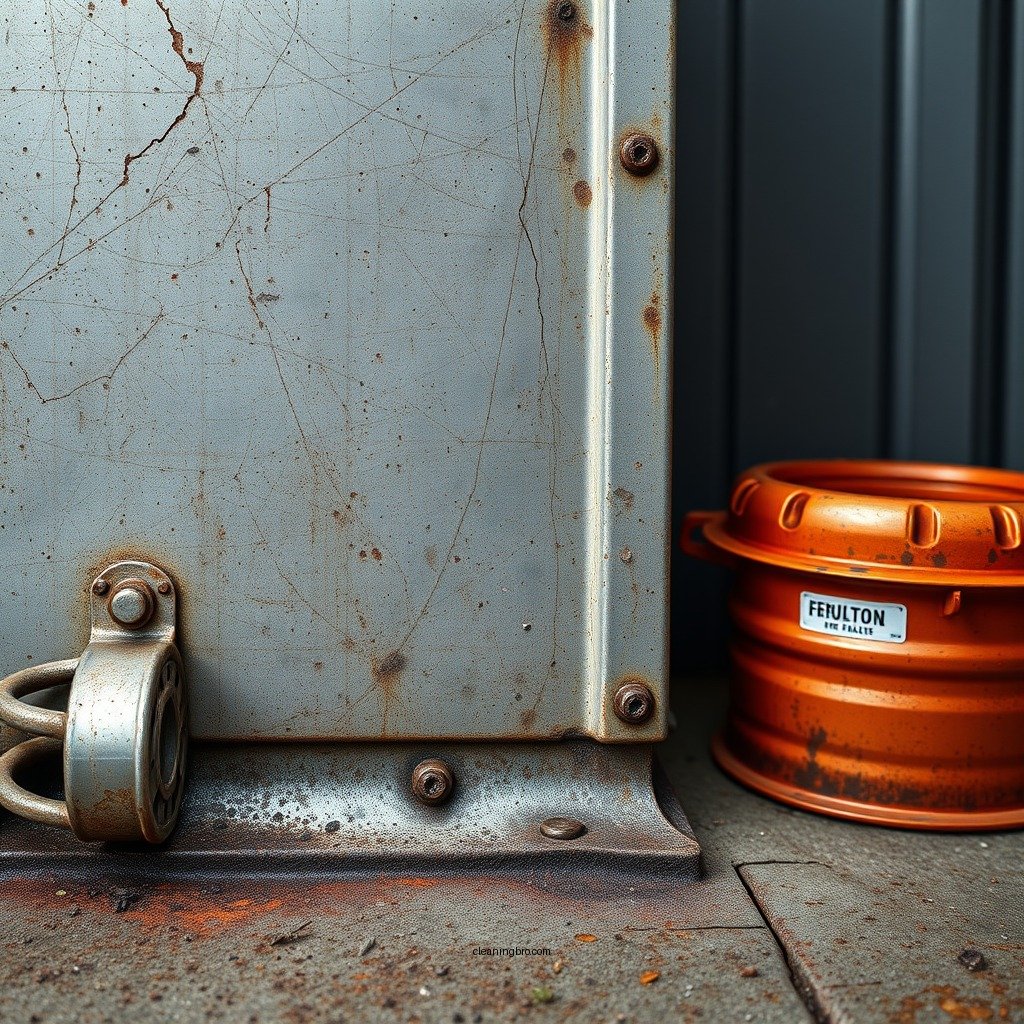
Aluminum corrosion primarily occurs through a process known as oxidation, where aluminum reacts with oxygen in the presence of moisture to form aluminum oxide. This reaction typically manifests as white powdery deposits on the surface, often referred to as corrosion. Several environmental factors may accelerate this process, including exposure to moisture, salt, and acidic or alkaline substances. For instance, aluminum structures near coastal areas are more susceptible to corrosion due to saltwater exposure, while acidic cleaners can exacerbate the issue. Understanding these factors is crucial for effective cleaning and prevention strategies, as they can help identify the level of corrosion and the best methods for treatment.
Tools and Materials Needed
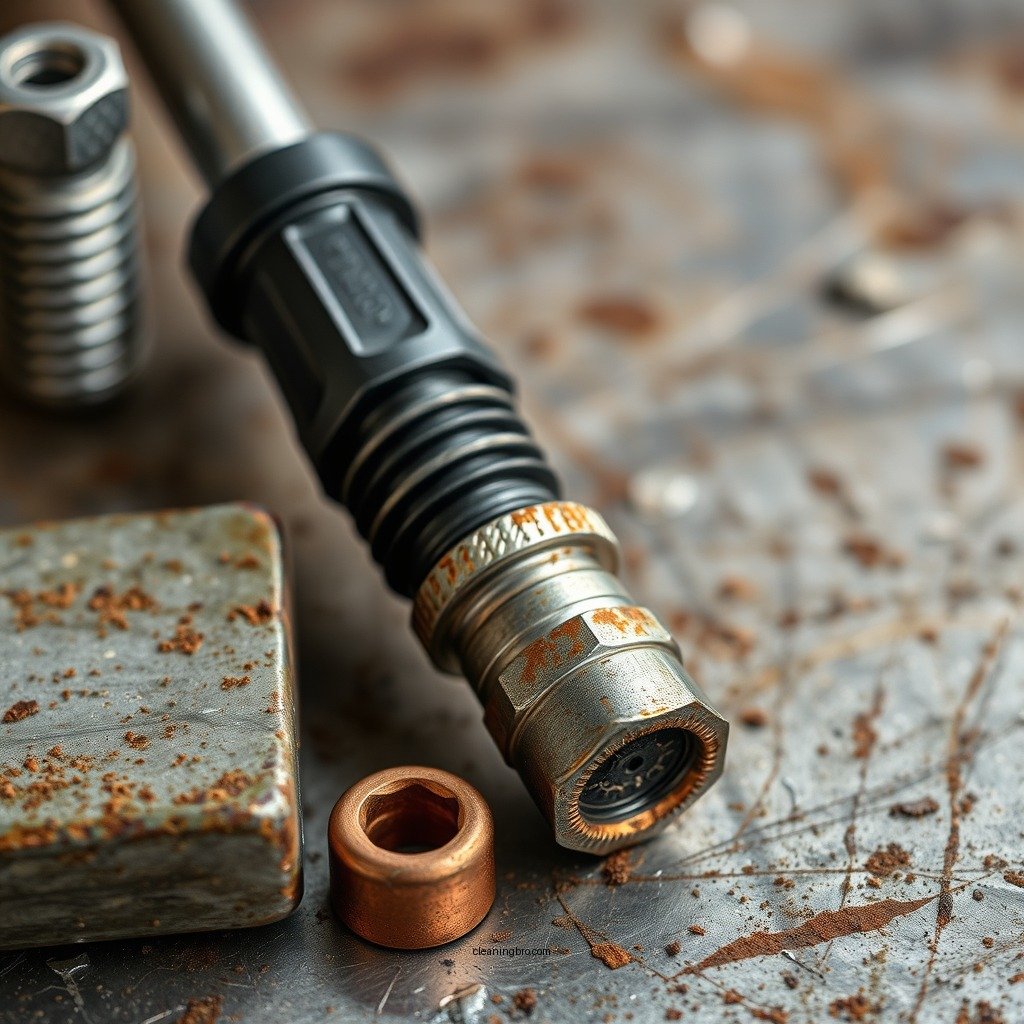
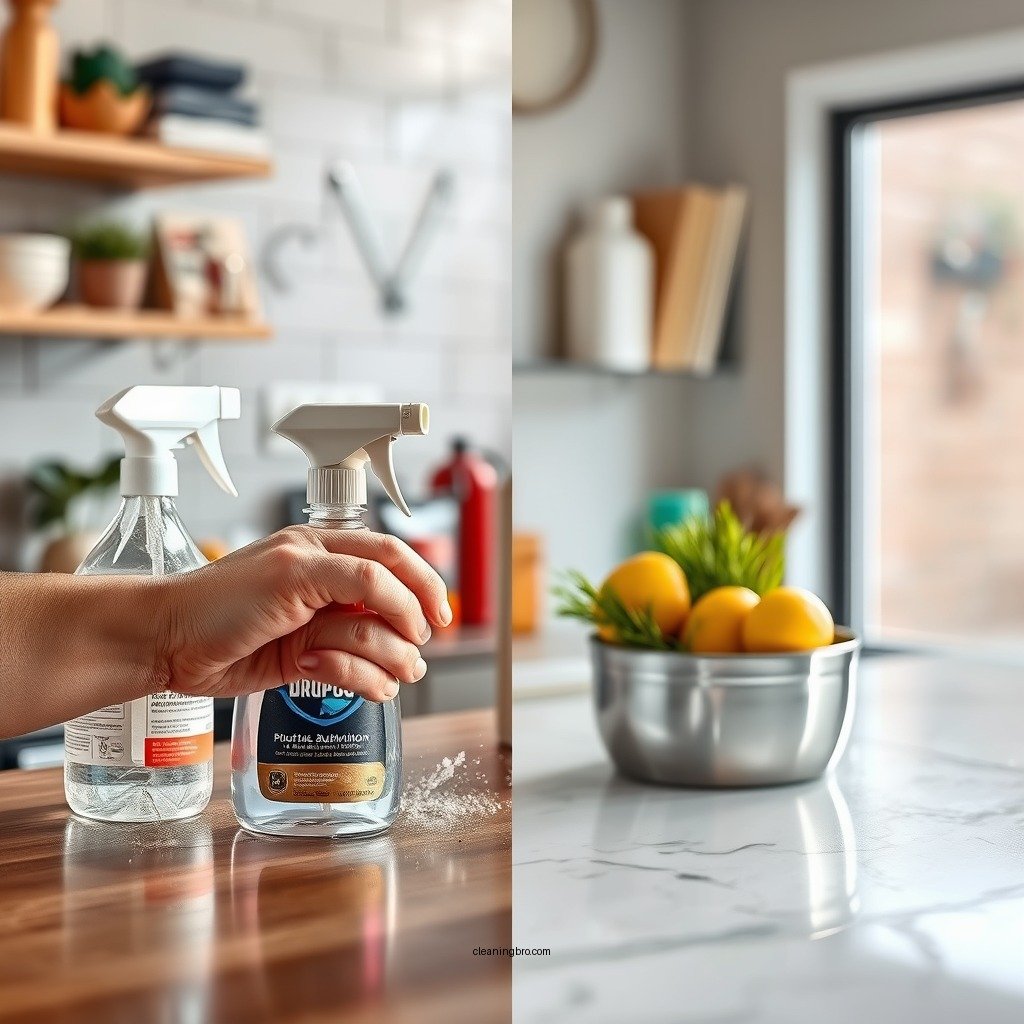
To effectively clean corroded aluminum, you will need specific tools and materials that are gentle yet effective. Key items include:
– Mild Abrasive Cleaners: Products specifically designed for aluminum surfaces can help remove corrosion without damaging the metal. Look for non-toxic, biodegradable options to minimize environmental impact.
– Soft Cloths: Microfiber cloths are ideal for applying cleaners and drying surfaces without scratching.
– Non-abrasive Pads: For tougher corrosion, non-abrasive scrubbing pads can be used. Avoid steel wool or harsh scrubbers, as these can scratch the aluminum surface.
– Protective Gloves: To protect your hands from harsh chemicals, wear gloves during the cleaning process.
These materials will help ensure that your cleaning efforts are both effective and safe for the aluminum surfaces you are working on.
Step-by-Step Cleaning Process
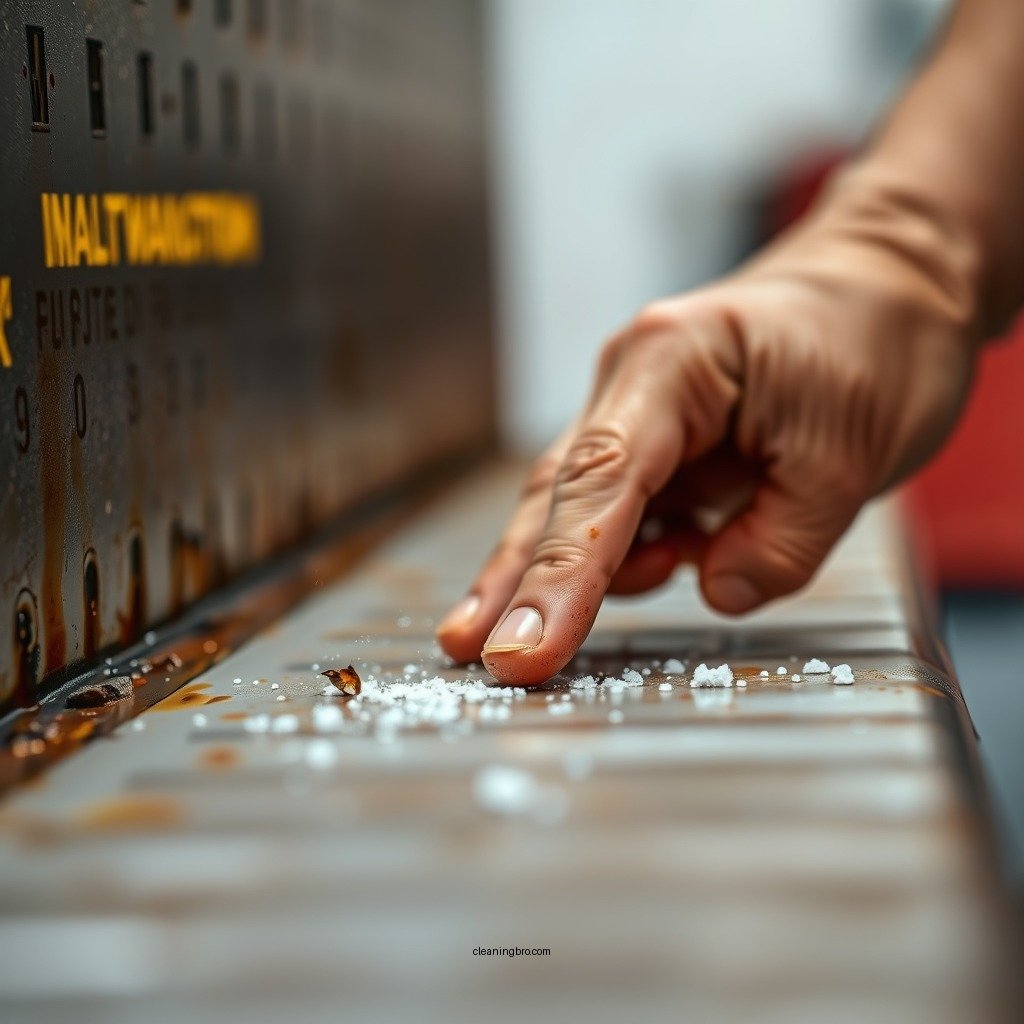
Follow these steps to clean corroded aluminum effectively:
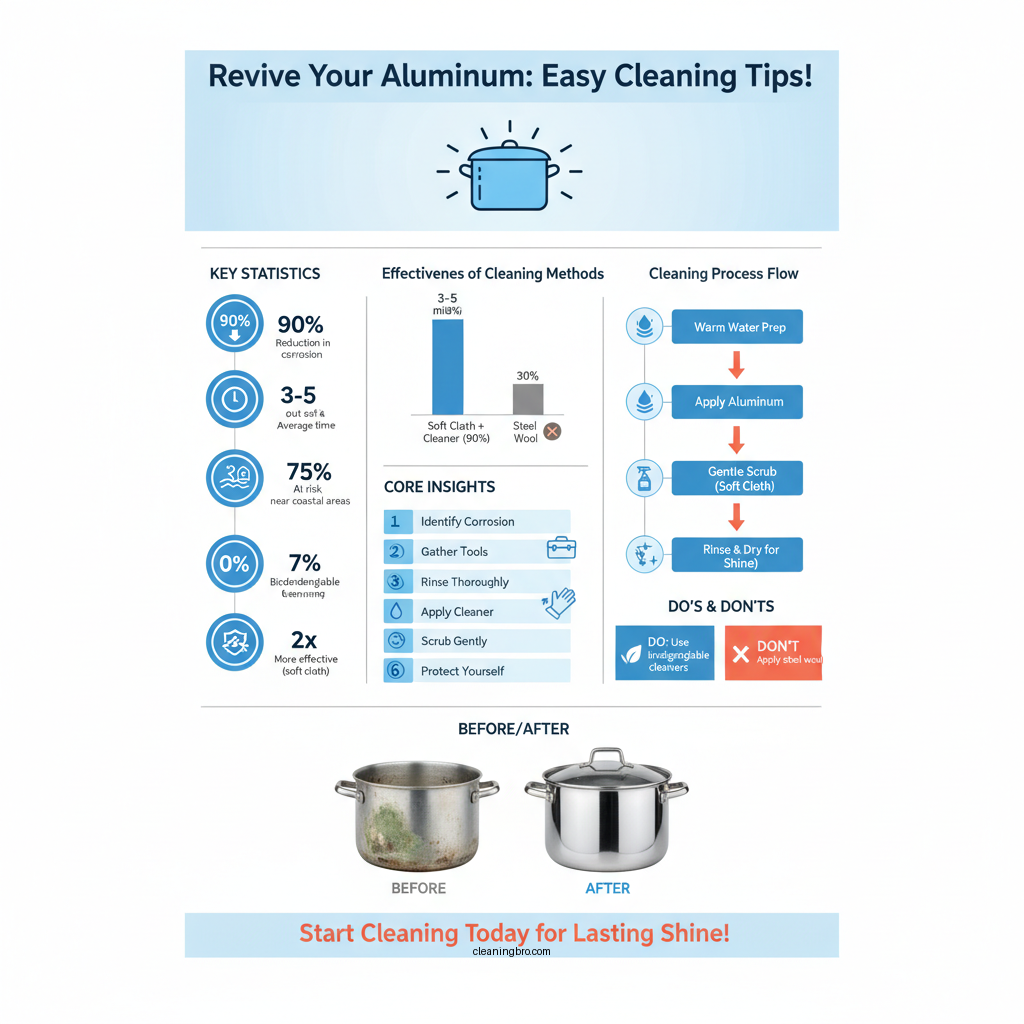
1. Rinse the Aluminum Item: Start by rinsing the aluminum piece with warm water to remove any loose debris and dirt. This step is essential as it prepares the surface for cleaning.
2. Apply the Cleaning Solution: Depending on the severity of the corrosion, apply a mild abrasive cleaner or an aluminum-specific cleaning solution directly onto the affected area. If using a natural method, create a paste of baking soda and water or vinegar and baking soda.
3. Scrub Gently: Using a soft cloth or non-abrasive pad, scrub the aluminum in circular motions. This technique helps lift the corrosion without scratching the surface. Focus on areas with heavier corrosion buildup, applying more cleaning solution as necessary.
4. Rinse and Dry: After scrubbing, rinse the item thoroughly with clean water to remove any remaining cleaning solution. Dry the aluminum with a soft cloth to prevent water spots and further corrosion.
5. Inspect and Repeat if Necessary: After drying, inspect the surface. If corrosion remains, repeat the cleaning process until the surface is restored.
By following this methodical approach, you can effectively restore corroded aluminum items to their original condition.
Natural Cleaning Alternatives
For those who prefer eco-friendly cleaning solutions, several natural options can effectively combat aluminum corrosion. Two of the most popular choices are vinegar and baking soda.
– Vinegar: Its acidic properties help dissolve corrosion without harsh chemicals. Soak a cloth in vinegar and apply it to the corroded areas, letting it sit for several minutes before scrubbing gently.
– Baking Soda Paste: Combine baking soda with a small amount of water to create a paste. Apply the paste to the corroded areas and let it sit for about 30 minutes. Scrub gently with a soft cloth or non-abrasive pad, then rinse thoroughly.
These natural alternatives are not only effective but also safe for the environment, making them an excellent choice for regular maintenance of aluminum items.
Common Aluminum Cleaning Agents and Their Effectiveness
| # | Cleaning Agent | Effectiveness | Environmental Impact |
|---|---|---|---|
| 1 | Vinegar | High | Low |
| 2 | Baking Soda | Medium | Very Low |
| 3 | Aluminum Cleaner (Commercial) | Very High | Medium |
| 4 | Dish Soap | Medium | Low |
| 5 | Lemon Juice | Medium | Low |
| 6 | Cream of Tartar | Medium | Very Low |
| 7 | Hydrogen Peroxide | High | Low |
Preventing Future Corrosion
To ensure that your aluminum items remain in good condition and to reduce the risk of future corrosion, regular maintenance is key. Here are several proactive measures you can take:
1. Regular Cleaning: Establish a routine for cleaning aluminum surfaces, particularly those exposed to harsh environments. Using mild soap and warm water can help remove contaminants before they cause corrosion.
2. Drying: Always dry aluminum surfaces properly after cleaning. Moisture can lead to corrosion, so using a soft cloth to thoroughly dry the item is crucial.
3. Protective Coatings: Applying a protective sealant or coating can provide an additional layer of defense against corrosion. Products specifically designed for aluminum can help protect against the elements.
4. Storage Considerations: If possible, store aluminum items in a dry, sheltered area to minimize exposure to moisture and pollutants. For outdoor items, consider using covers to protect them from the elements.
By implementing these preventive measures, you can significantly extend the life of your aluminum items and keep them looking pristine.
When to Seek Professional Help
While many instances of aluminum corrosion can be resolved with DIY cleaning methods, there are circumstances where professional intervention may be necessary. Consider seeking professional help if:
1. Extensive Corrosion: If the corrosion is severe or covers a large area, it may be challenging to clean effectively without damaging the aluminum.
2. Structural Integrity Concerns: If you suspect that the corrosion has compromised the structural integrity of the item, it’s crucial to consult a professional. They can assess the damage and recommend the best course of action.
3. Specialized Items: For valuable or specialized aluminum items, such as vintage vehicles or aircraft, professional restoration services may be required to ensure that the item is preserved correctly.
Engaging with professionals can save time and ensure that your aluminum items are restored safely and effectively.
Cleaning corroded aluminum can be accomplished with the right approach, as outlined above. Regular maintenance and using the right cleaning agents will help keep your aluminum items in top condition. For more tips and detailed methods, don’t hesitate to explore our other resources or share your experiences in the comments!
Frequently Asked Questions
How do I remove corrosion from aluminum surfaces?
To remove corrosion from aluminum surfaces, start by cleaning the area with a mixture of water and mild soap to eliminate dirt and grime. For tougher corrosion, create a paste using baking soda and water, apply it to the affected areas, and gently scrub with a soft brush or cloth. Rinse thoroughly with water and dry completely to prevent further corrosion.
What products are best for cleaning corroded aluminum?
The best products for cleaning corroded aluminum include white vinegar, lemon juice, or commercial aluminum cleaners specifically designed to tackle corrosion. These acidic solutions help break down the corrosion effectively. Always follow the manufacturer’s instructions and test a small area first to ensure compatibility with your aluminum surface.
Why does aluminum corrode, and how can I prevent it?
Aluminum corrodes due to exposure to moisture and various environmental factors, which can cause oxidation. To prevent corrosion, it’s essential to keep aluminum surfaces dry and apply protective coatings such as wax or sealants. Regular maintenance, including cleaning and inspecting for signs of corrosion, can also help extend the life of aluminum items.
Which tools are effective for cleaning corroded aluminum?
Effective tools for cleaning corroded aluminum include soft-bristle brushes, non-abrasive sponges, and microfiber cloths to avoid scratching the surface. For deeper corrosion, you might need a plastic scraper or fine-grit sandpaper, but be cautious to avoid damaging the aluminum. A spray bottle for applying cleaning solutions can also make the process easier and more efficient.
How can I restore the shine to corroded aluminum after cleaning?
To restore the shine to corroded aluminum after cleaning, use a metal polish specifically designed for aluminum surfaces. Apply the polish with a soft cloth and buff it in circular motions until you achieve the desired shine. For a natural alternative, a mixture of vinegar and baking soda can also enhance the sheen while providing a protective layer against future corrosion.
References
- Aluminium
https://en.wikipedia.org/wiki/Aluminium#Corrosion - https://www.sciencedirect.com/topics/materials-science/aluminium-corrosion
https://www.sciencedirect.com/topics/materials-science/aluminium-corrosion - https://www.ncbi.nlm.nih.gov/pmc/articles/PMC6623692/
https://www.ncbi.nlm.nih.gov/pmc/articles/PMC6623692/ - https://www.ncbi.nlm.nih.gov/pmc/articles/PMC7601118/
https://www.ncbi.nlm.nih.gov/pmc/articles/PMC7601118/ - Aluminum | Uses, Properties, & Compounds | Britannica
https://www.britannica.com/science/aluminum - https://www.uwsp.edu/soilscience/Documents/AluminumCorrosion.pdf
https://www.uwsp.edu/soilscience/Documents/AluminumCorrosion.pdf - Google Scholar Google Scholar
https://scholar.google.com/scholar?q=how+to+clean+corroded+aluminum - Google Scholar Google Scholar
https://scholar.google.com/scholar?q=aluminum+corrosion+removal - Google Scholar Google Scholar
https://scholar.google.com/scholar?q=cleaning+corroded+aluminum+methods - https://www.nature.com/articles/s41598-021-81393-9
https://www.nature.com/articles/s41598-021-81393-9