
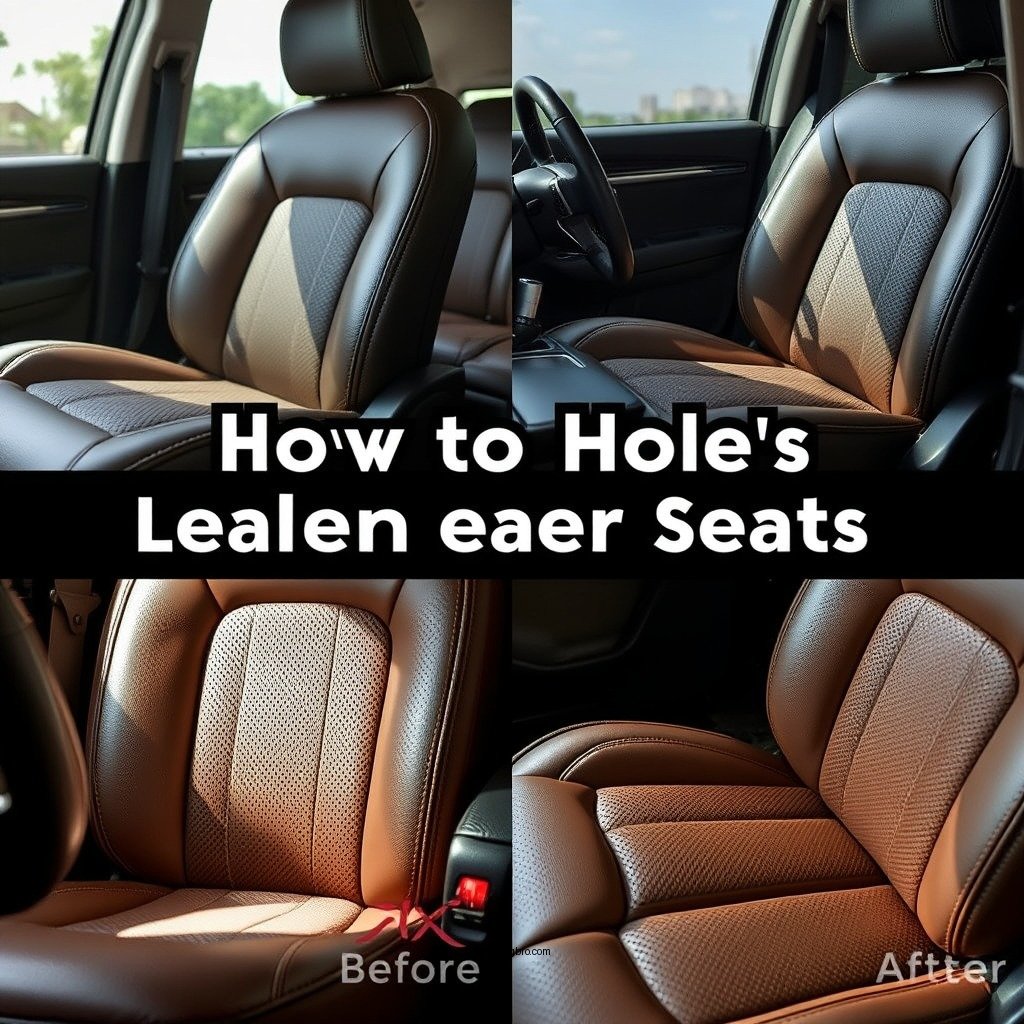
Cleaning holes in leather seats can be accomplished with the right techniques and products. By following a few simple steps, you can restore the appearance of your leather and protect it from further damage. This guide will walk you through the process to ensure your seats look their best.
Understanding the Type of Damage

Before starting any repair, it’s crucial to assess the damage to your leather seats. Understanding the type of damage—whether it’s a small hole, a puncture, or a cut—will guide your repair approach. Small holes, typically caused by wear and tear or minor abrasions, can often be repaired with patch kits. In contrast, larger tears may require more comprehensive techniques or professional intervention. Identifying the root cause of the damage, such as environmental factors or misuse, can also help prevent future issues. For instance, if you notice that your leather is frequently damaged, it may be time to reassess your habits, such as placing sharp objects on the seats or exposing them to excessive sunlight.
Gathering the Necessary Tools
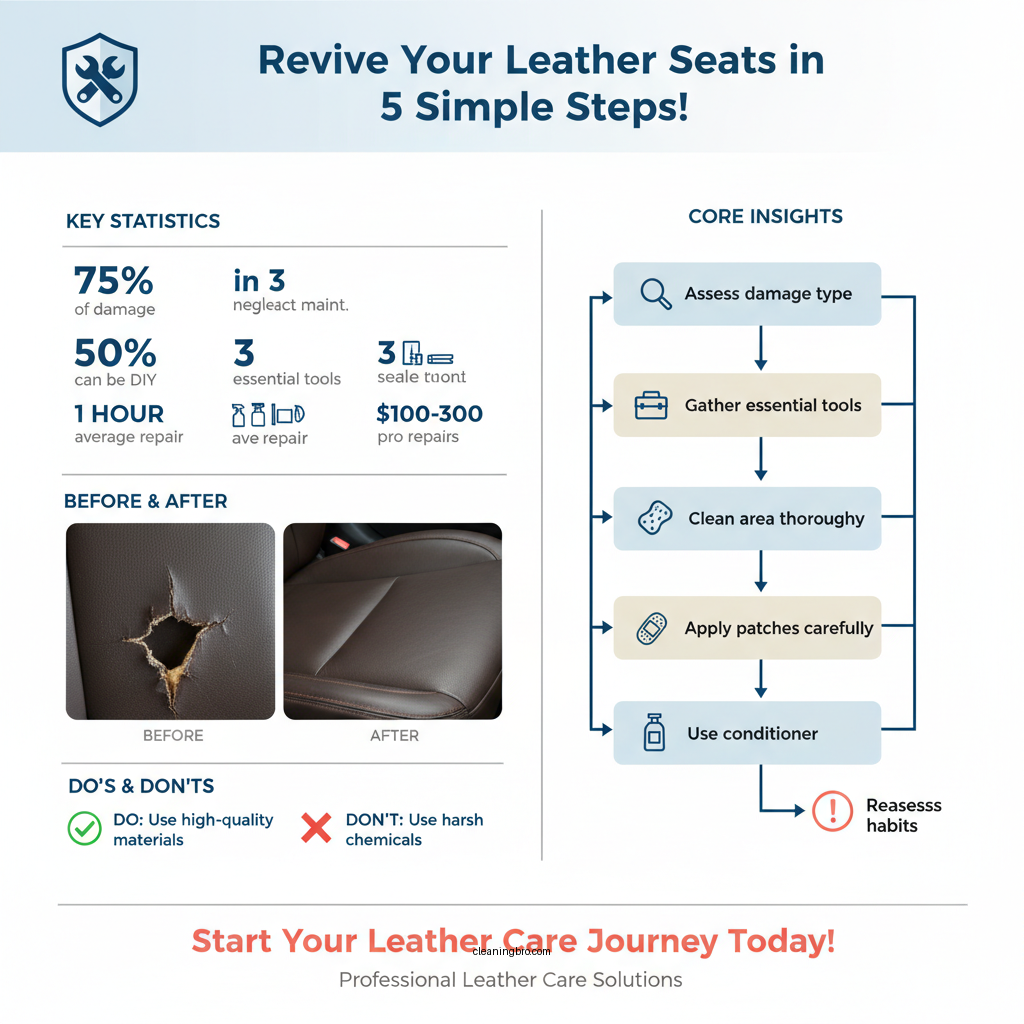
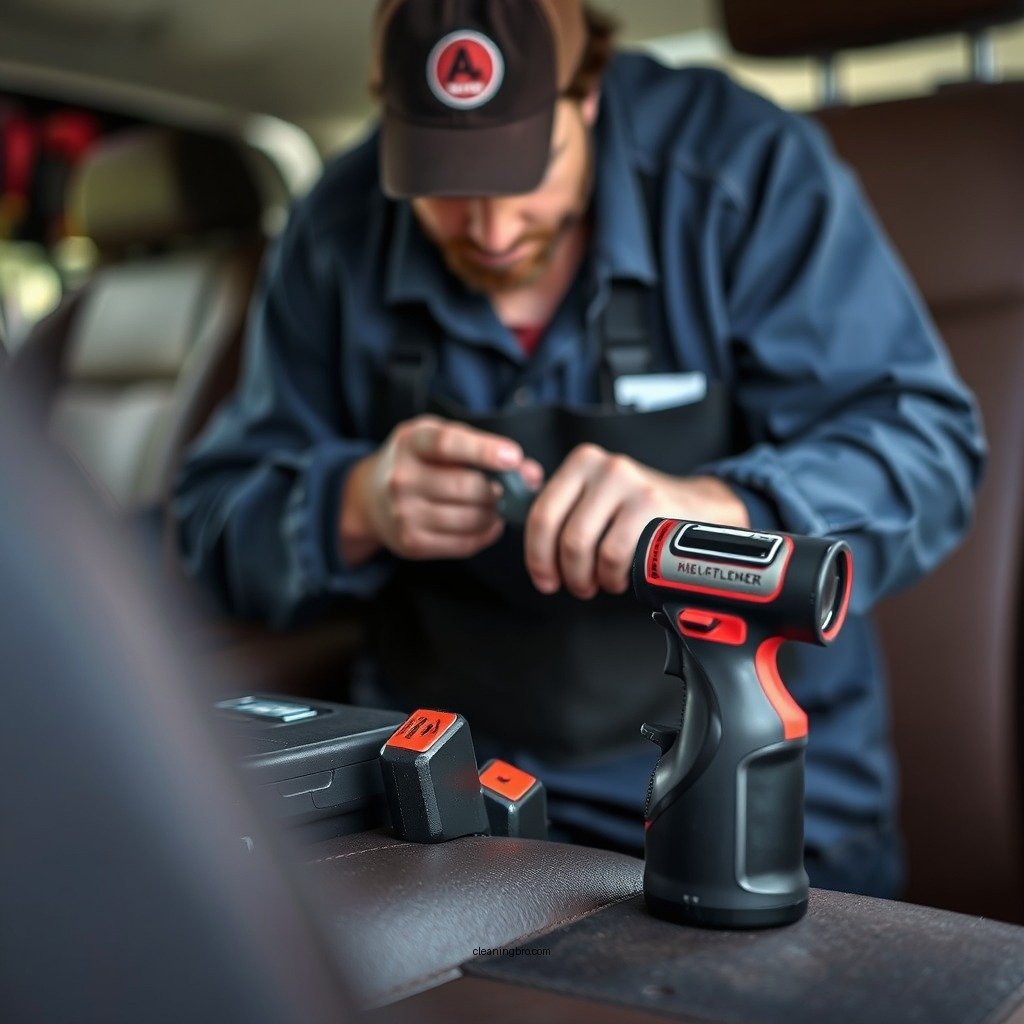
To effectively repair holes in leather seats, you’ll need to gather essential tools and materials. A leather repair kit is highly recommended, which typically includes leather adhesive, patches, and sometimes a color matching dye. Additionally, you will need a quality leather cleaner to prepare the surface, a soft cloth, and a pair of scissors for trimming patches. It’s also a good idea to have leather conditioner on hand; this will help maintain the suppleness of your leather after the repair. Investing in high-quality materials can make a significant difference in the outcome of your repair efforts.
Cleaning the Area Around the Hole
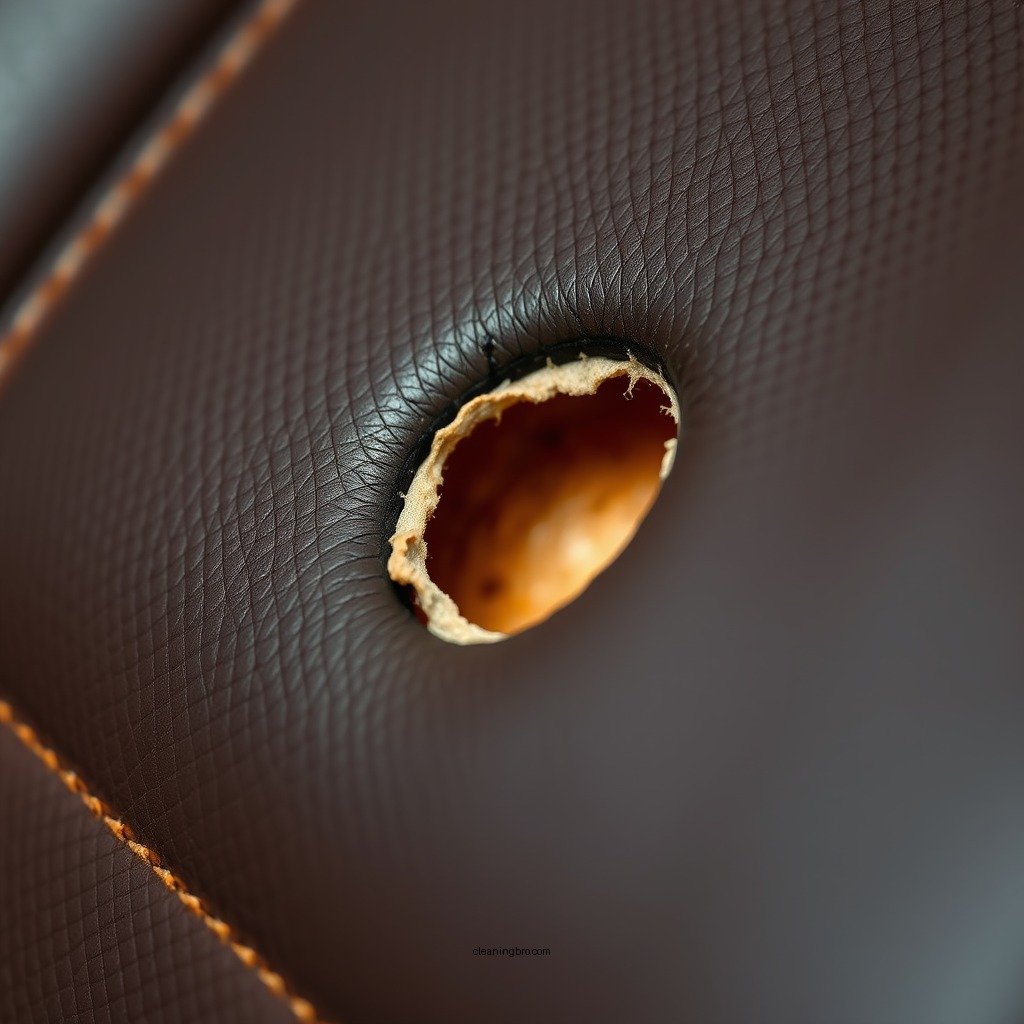
Before beginning the repair, cleaning the area around the hole is an essential step. Use a damp cloth to gently wipe away any dirt and debris surrounding the damaged area. This ensures that the adhesive will bond properly during the repair process. Next, apply a suitable leather cleaner that is free from alcohol or harsh chemicals. Gently rub the cleaner into the leather, using the soft cloth to lift away any grime. Allow the area to dry completely before proceeding with the patching process; this will enhance the effectiveness of the adhesive and ensure a seamless repair.
Types of Leather Seat Damage and Repair Methods
| # | Damage Type | Size | Repair Method | Professional Help Needed |
|---|---|---|---|---|
| 1 | Small Hole | Less than 1 inch | Patch Kit | No |
| 2 | Puncture | 1-2 inches | Patch and Adhesive | No |
| 3 | Cut | 2-4 inches | Stitching or Patch | Possibly |
| 4 | Large Tear | More than 4 inches | Professional Repair | Yes |
| 5 | Crack | Variable | Filler and Patch | Possibly |
| 6 | Discoloration | N/A | Dye and Conditioner | No |
Applying a Patch
Once the area is clean and dry, it’s time to apply a patch. Cut a patch from a matching piece of leather, ensuring it is slightly larger than the hole. This extra material will create a secure bond with the surrounding leather. Apply a thin layer of leather adhesive to the patch and the area around the hole. Carefully position the patch over the damaged area, pressing firmly to eliminate any air bubbles and to ensure a tight seal. Allow the adhesive to cure according to the manufacturer’s instructions. This step is crucial, as a poorly adhered patch can lead to further damage later on.
Finishing Touches
After the adhesive has fully set, trim any excess patch material to create a smooth finish that blends seamlessly with the surrounding leather. Use sharp scissors for precision, ensuring not to cut into the original leather seat. Once trimmed, apply a leather conditioner over the repaired area. This not only helps to blend the patch with the existing leather but also nourishes the material, maintaining its softness and durability. Regular conditioning can make your leather seats look new and prolong their lifespan.
Bar Chart of Common Leather Seat Repair Methods
Preventive Measures for Future Damage
To protect your leather seats from future damage, it’s important to implement preventive measures. Regularly conditioning your leather seats is crucial to maintaining their suppleness and preventing cracks. High-quality leather conditioners can keep the leather moisturized, reducing the likelihood of damage. Additionally, consider using seat covers or protectors, especially if your vehicle is frequently exposed to harsh sunlight or if you have pets. Avoid placing sharp objects on your seats and be mindful of how you enter and exit your vehicle to minimize friction that could lead to new holes or abrasions.
When to Seek Professional Help
While many minor repairs can be handled as a DIY project, sometimes the damage may be too extensive or complicated for a simple home remedy. If you encounter large tears, significant wear, or extensive discoloration, it is advisable to consult a professional upholsterer or leather repair service. Experts have access to specialized tools and materials that can restore your leather seats to their original condition. Additionally, they can offer long-term solutions to prevent future damage, ensuring your investment in leather seats stays protected.
Summarizing the process of cleaning holes in leather seats, it’s essential to assess the damage, gather the right tools, and execute the repair steps carefully. With regular maintenance, you can keep your leather looking great and extend its lifespan. For effective results, consider trying out these methods on minor damages or consult a professional for more significant issues. Taking proactive steps can ensure your leather seats remain a stylish and comfortable feature of your vehicle for years to come.
Frequently Asked Questions
How do I effectively clean small holes in leather seats?
To clean small holes in leather seats, start by using a soft brush or a microfiber cloth to remove any dirt or debris from the area. Follow this by applying a leather cleaner specifically designed for your type of leather, using a cotton swab to gently clean the holes without damaging the surrounding material.
What products are best for repairing holes in leather seats?
The best products for repairing holes in leather seats include leather repair kits that contain adhesive, color matching compounds, and patches. Look for kits that specifically mention they are suitable for automotive leather, as they will be formulated to withstand the wear and tear of car interiors.
Why are there holes in my leather seats, and how can I prevent them?
Holes in leather seats can occur due to wear and tear, exposure to sharp objects, or damage from pets. To prevent holes, use seat covers, avoid placing sharp items on the seats, and regularly condition the leather to keep it supple and resistant to cracking.
Which techniques are most effective for cleaning and maintaining leather seats?
The most effective techniques for cleaning and maintaining leather seats include regular dusting with a soft cloth, using a pH-balanced leather cleaner, and applying a leather conditioner every few months. This routine helps to keep the leather moisturized, prevents cracks, and maintains its overall appearance.
How can I clean and restore color to faded holes in leather seats?
To clean and restore color to faded holes in leather seats, start by cleaning the area thoroughly with a leather cleaner. Once dry, apply a leather dye or color restoration product that matches your seat’s shade, using a small brush or applicator, to fill in the holes and restore a uniform look.
References
- https://www.hgtv.com/how-to/how-to-clean-leather-furniture
https://www.hgtv.com/how-to/how-to-clean-leather-furniture - https://www.mayoclinic.org/healthy-lifestyle/consumer-health/in-depth/leather-care/art-20045508
https://www.mayoclinic.org/healthy-lifestyle/consumer-health/in-depth/leather-care/art-20045508 - Leather | History & Facts | Britannica
https://www.britannica.com/topic/leather - https://www.cdc.gov/niosh/docs/2005-147/default.html
https://www.cdc.gov/niosh/docs/2005-147/default.html - https://pubmed.ncbi.nlm.nih.gov/12900736/
https://pubmed.ncbi.nlm.nih.gov/12900736/ - https://www.sciencedirect.com/topics/engineering/leather-cleaning
https://www.sciencedirect.com/topics/engineering/leather-cleaning - https://www.nytimes.com/2020/03/17/style/how-to-clean-leather.html
https://www.nytimes.com/2020/03/17/style/how-to-clean-leather.html - Google Scholar Google Scholar
https://scholar.google.com/scholar?q=cleaning+leather+seats - Google Scholar Google Scholar
https://scholar.google.com/scholar?q=leather+care+cleaning+techniques - Google Scholar Google Scholar
https://scholar.google.com/scholar?q=how+to+clean+holes+in+leather+seats
