How to Clean a Cranial Helmet: Step-by-Step Guide
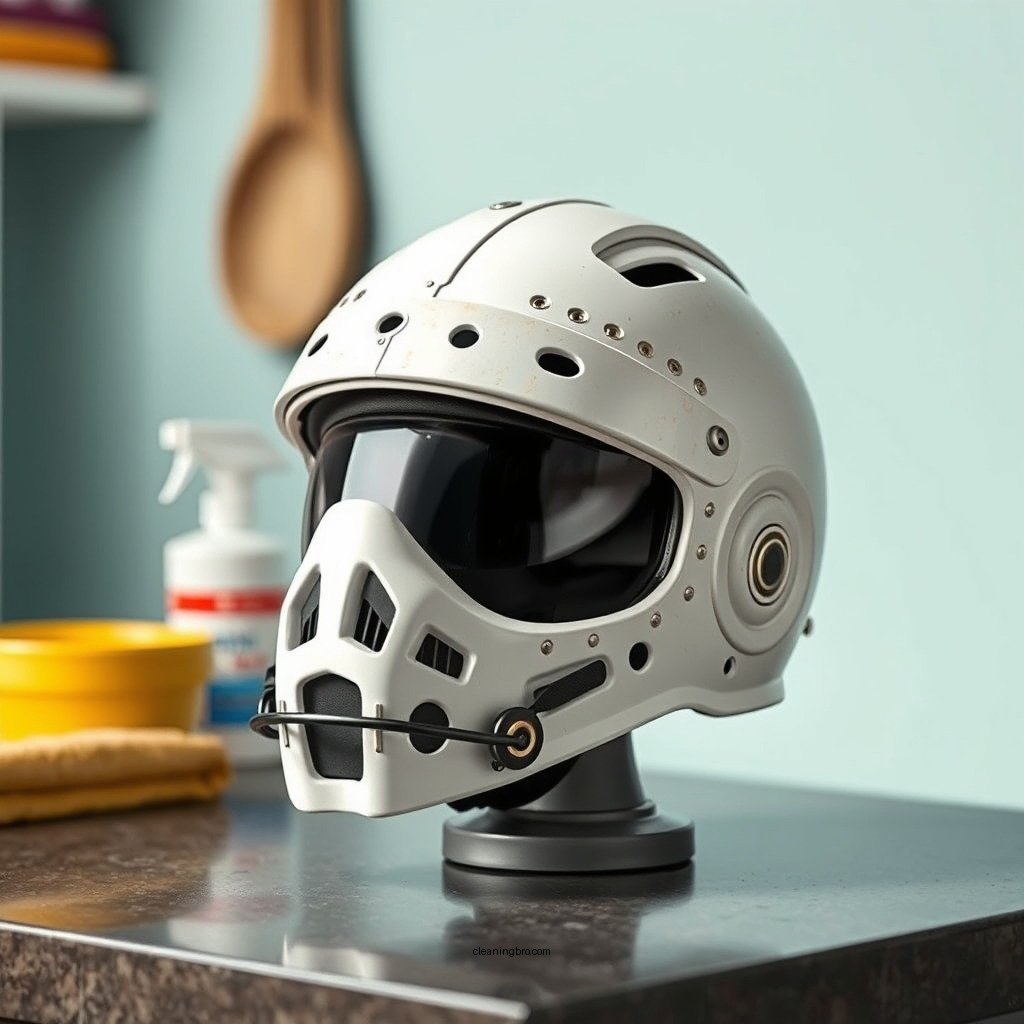
Cleaning a cranial helmet is essential for maintaining hygiene and ensuring comfort for the wearer. This process involves using mild soap and water while avoiding harsh chemicals that could damage the helmet. In this article, you’ll learn the best methods for cleaning a cranial helmet, tips for routine maintenance, and how to handle tough stains effectively.
Understanding the Importance of Cleaning
Regular cleaning of a cranial helmet is crucial for several reasons. Firstly, it helps prevent skin irritation and infections, which can arise from the accumulation of sweat, bacteria, and oils on the helmet’s surface. This is especially important for infants and young children, whose skin is particularly sensitive. Additionally, a clean helmet ensures the effectiveness of the treatment it provides. For instance, if the helmet is dirty, it may not fit properly, compromising its therapeutic purpose in shaping the skull. Therefore, maintaining cleanliness not only enhances the comfort of the wearer but also supports the overall effectiveness of the cranial orthosis.
Materials Needed for Cleaning
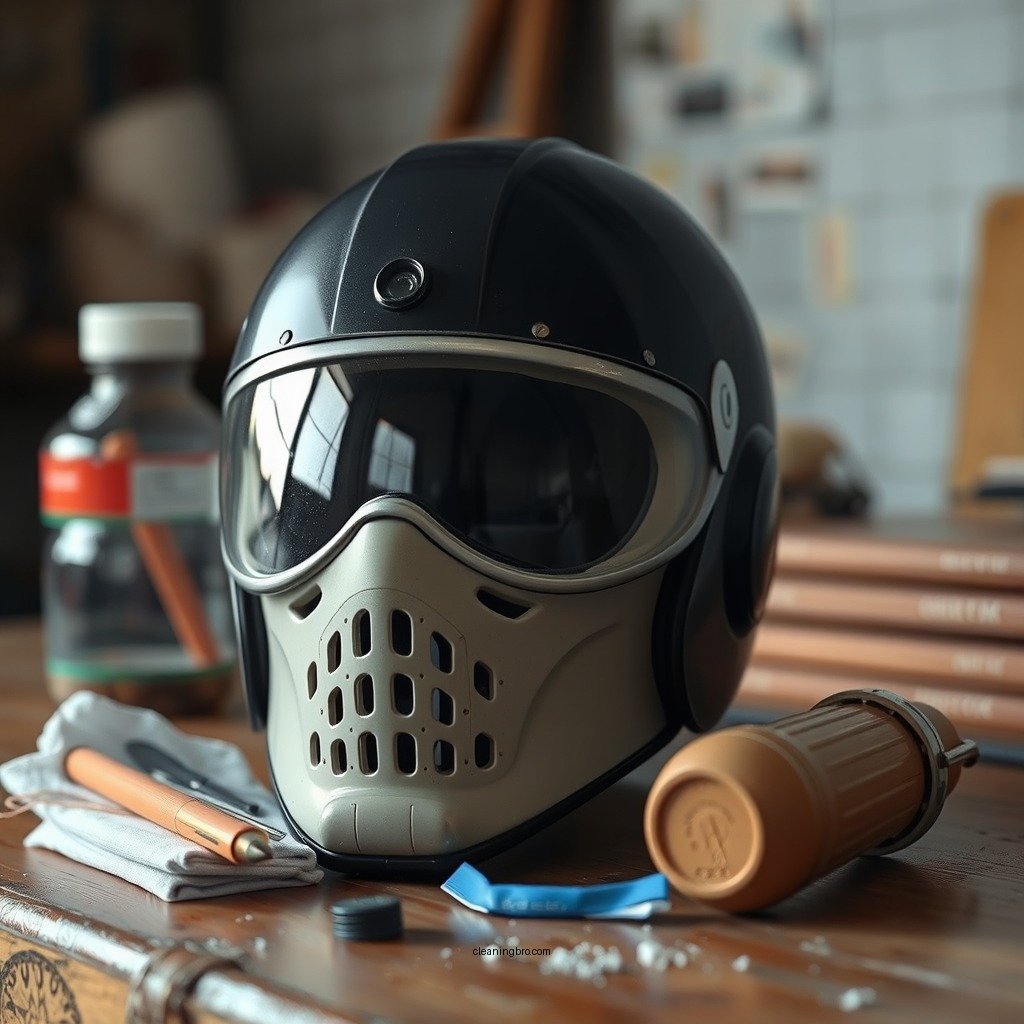
Before you begin the cleaning process, gather the following materials:
– Mild soap: Use a gentle soap such as dish soap or baby shampoo to avoid irritation.
– Soft cloth or sponge: A non-abrasive cloth or sponge will help prevent scratches.
– Warm water: Use warm water to help dissolve dirt and soap.
– Towel for drying: A clean towel is necessary to dry the helmet thoroughly after washing.
These materials are easily accessible and will ensure that the cleaning process is both effective and safe for the cranial helmet.
Step-by-Step Cleaning Process
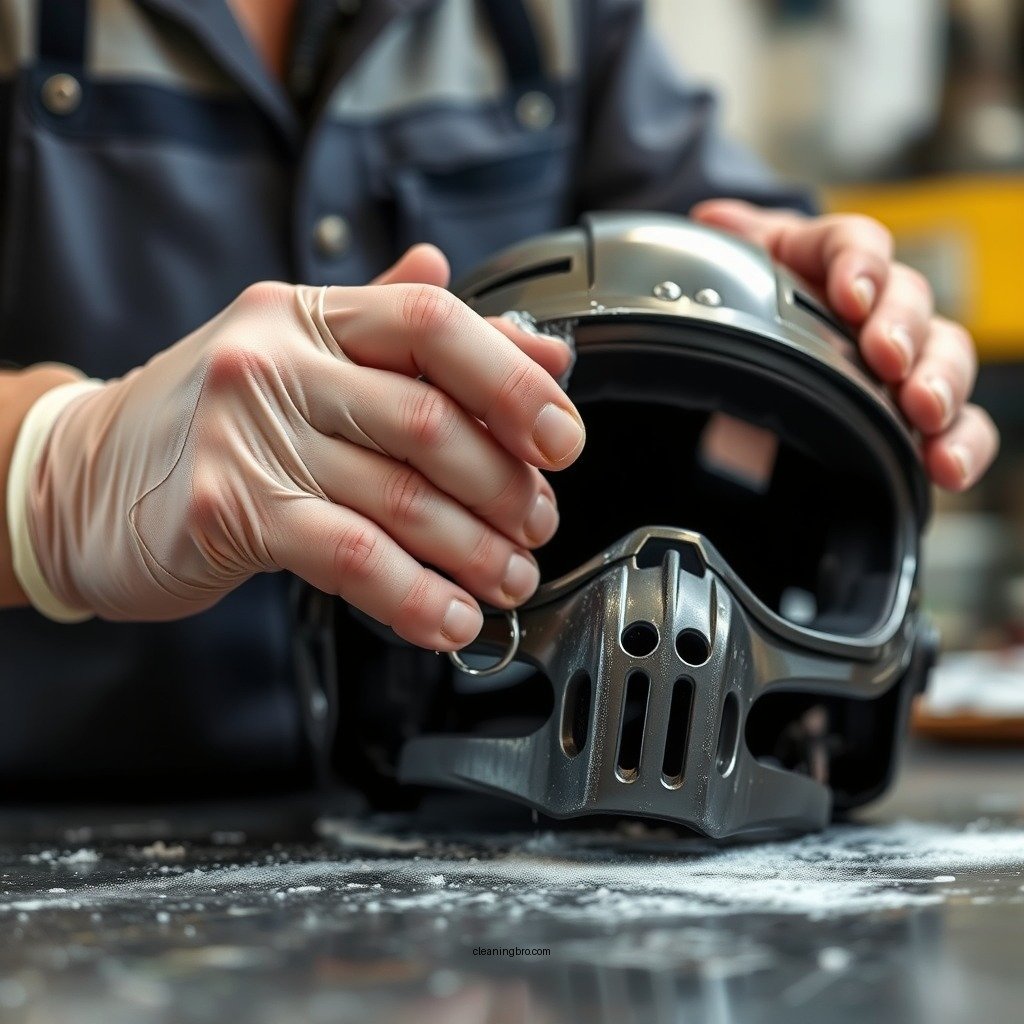
Follow these steps to clean the cranial helmet effectively:
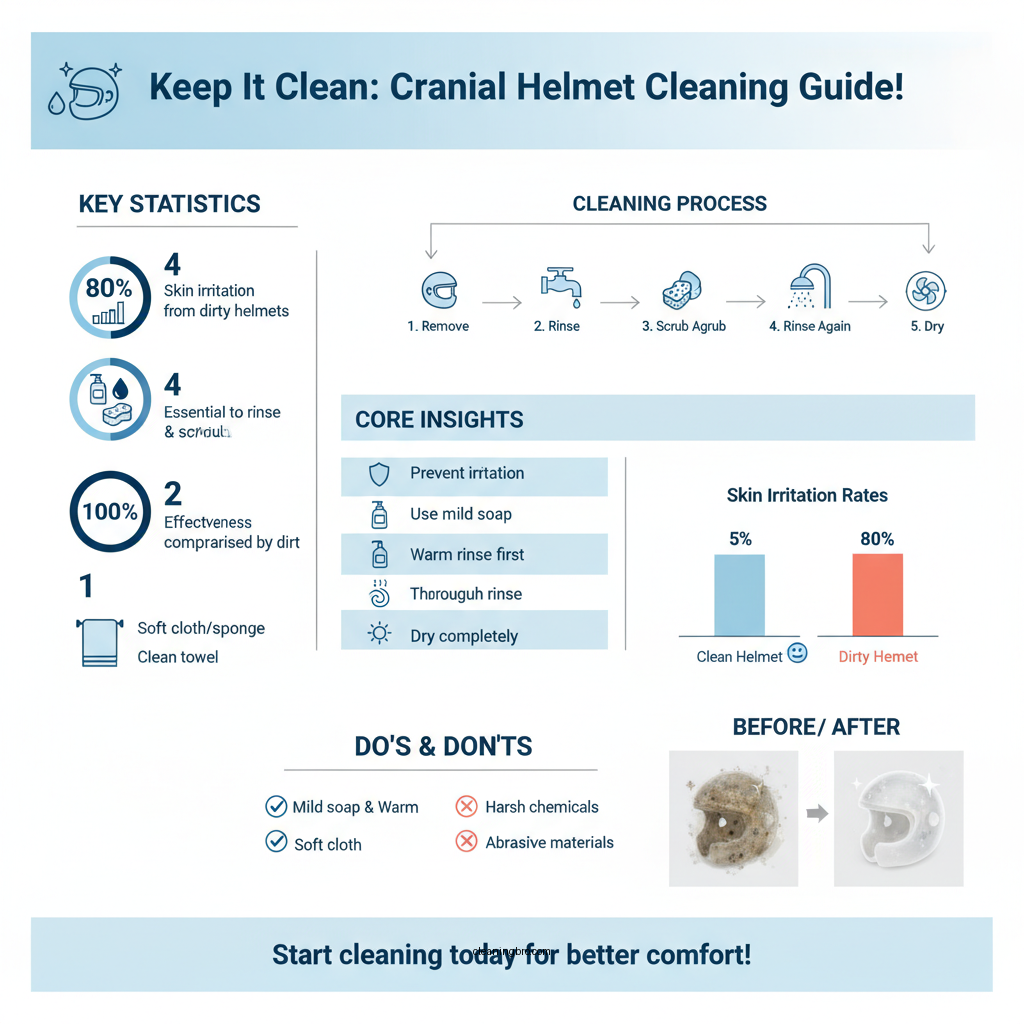
1. Remove the Helmet: Carefully take the helmet off the wearer to minimize discomfort. Ensure that the person is calm during this process.
2. Rinse with Warm Water: Hold the helmet under warm running water to eliminate loose debris and dirt. This initial rinse is crucial in preparing the surface for deeper cleaning.
3. Apply Mild Soap: Take your soft cloth or sponge and apply a small amount of mild soap. Gently scrub the outer surface of the helmet, focusing on areas that may have accumulated more grime or oil.
4. Rinse Again: After scrubbing, rinse the helmet thoroughly under warm water to remove all soap residue. Ensure that all the soap is washed away, as leftover soap can irritate the skin.
5. Dry the Helmet: Use a clean towel to gently pat the helmet dry. Avoid rubbing, as this can cause scratches. Ensure the helmet is completely dry before storing or putting it back on the wearer.
6. Inspect for Damage: While cleaning, check for any signs of wear and tear. If you notice cracks or significant wear, consult your healthcare provider.
Top 7 Cranial Helmet Brands and Their Features (2024)
| # | Brand | Material | Weight | Comfort Rating |
|---|---|---|---|---|
| 1 | Cranial Technologies | Polypropylene | 250g | ★★★★☆ |
| 2 | Bono Baby | Polycarbonate | 300g | ★★★★★ |
| 3 | StarBand | Thermoplastic | 280g | ★★★★☆ |
| 4 | OrthoHelix | Polyvinyl | 290g | ★★★☆☆ |
| 5 | Pediatric Orthotic Services | Composite | 320g | ★★★★☆ |
| 6 | Little Stars | Nylon | 270g | ★★★★☆ |
| 7 | Kranial Kaddy | Acrylic | 250g | ★★★☆☆ |
Addressing Tough Stains
Tough stains on a cranial helmet can be challenging but manageable with the right approach. For stubborn stains, consider creating a paste using baking soda and water. Here’s how to handle tough stains:
1. Prepare the Paste: Mix equal parts of baking soda and water until you achieve a thick paste.
2. Apply the Paste: Using a soft cloth, apply the paste to the stained area of the helmet.
3. Let it Sit: Allow the paste to rest on the stain for a few minutes. This gives the baking soda time to break down the stain.
4. Gently Scrub: After a few minutes, gently scrub the area with your soft cloth or sponge.
5. Rinse Thoroughly: Rinse the area under warm water to remove all residues of the paste. Ensure no baking soda remains, as it can irritate the skin.
6. Dry Completely: Pat the helmet dry with a clean towel before storing or reapplying it.
This method is effective in removing tough stains without compromising the integrity of the helmet.
Tips for Routine Maintenance
To keep the cranial helmet in optimal condition, establish a routine maintenance schedule. Here are some tips:
– Daily Cleaning: Ideally, clean the helmet daily or as advised by your healthcare provider. This prevents the buildup of oils and dirt.
– Storage: Store the helmet in a cool, dry place when not in use. Avoid damp areas, as moisture can lead to mold growth and unpleasant odors.
– Check for Fit: Regularly check the fit of the helmet as the wearer’s head grows. An ill-fitting helmet can lead to discomfort or skin issues.
– Monitor the Condition: Keep an eye out for any signs of wear or damage, such as cracks or significant scratches, which may compromise its effectiveness.
– Educate the Caregiver: If the wearer is a child, ensure that caregivers understand the importance of helmet care and how to clean it properly.
By implementing these maintenance tips, you can prolong the lifespan of the helmet and ensure it stays hygienic and effective.
When to Seek Professional Help
There are instances when professional intervention is necessary regarding cranial helmets. Here are situations when to seek help:
– Damage: If the helmet is damaged or shows signs of significant wear, it is crucial to consult your healthcare provider for a replacement or repair. A damaged helmet may not provide the necessary support or protection.
– Persistent Odors or Stains: If you encounter persistent odors or stains that won’t come out with regular cleaning, consider seeking advice from professionals who specialize in medical equipment cleaning. They may have access to specialized cleaning products that are safe for medical devices.
– Adjustment Needs: If the helmet seems to fit poorly or cause discomfort, a professional can assess the fit and make necessary adjustments. This is vital for ensuring the helmet functions effectively in shaping the skull.
Maintaining the integrity of the cranial helmet is essential for the wearer’s comfort and health, so don’t hesitate to reach out for assistance when needed.
Keeping your cranial helmet clean is crucial for its effectiveness and the comfort of the wearer. By following these steps, you can ensure that the helmet remains in good condition. Regular maintenance will not only prolong the lifespan of the helmet but also promote good hygiene practices. For more tips on caring for medical devices, stay tuned for our upcoming articles!
Frequently Asked Questions
How often should I clean my child’s cranial helmet?
It is recommended to clean your child’s cranial helmet at least once a week to maintain hygiene and prevent skin irritation. However, if your child sweats excessively or the helmet becomes dirty or smelly, you should clean it more frequently. Regular cleaning helps ensure the helmet remains comfortable and effective in its purpose.
What is the best way to clean a cranial helmet?
The best way to clean a cranial helmet is to use mild soap and warm water. Gently scrub the helmet with a soft cloth or sponge, avoiding harsh chemicals that could damage the material. Rinse thoroughly and allow it to air dry completely before placing it back on your child.
Why is it important to clean a cranial helmet?
Cleaning a cranial helmet is essential to prevent the buildup of bacteria and odors, which can lead to skin irritation and infections. Regular cleaning helps ensure that the helmet fits properly and comfortably, supporting your child’s treatment effectively while maintaining good hygiene.
Which products are safe to use when cleaning a cranial helmet?
Safe products for cleaning a cranial helmet include mild, fragrance-free soaps and disinfectants approved for use on medical devices. Avoid using bleach or harsh chemicals, as these can damage the helmet material and irritate your child’s skin. Always check with your healthcare provider for specific recommendations.
How do I dry a cranial helmet after cleaning it?
After cleaning your cranial helmet, it’s crucial to let it air dry completely before putting it back on your child. Avoid using heat sources like hair dryers, as they can warp the helmet. Place it in a well-ventilated area, ensuring it’s not in direct sunlight, to maintain its shape and integrity.
References
- Flu mask: Should I wear one? – Mayo Clinic
https://www.mayoclinic.org/healthy-lifestyle/infant-and-toddler-health/expert-answers/cranial-helmets/faq-20057878 - https://www.cdc.gov/ncbddd/craniosynostosis/faq.html
https://www.cdc.gov/ncbddd/craniosynostosis/faq.html - https://www.ncbi.nlm.nih.gov/pmc/articles/PMC5956533/
https://www.ncbi.nlm.nih.gov/pmc/articles/PMC5956533/ - Background – The provision of services in the UK for UK armed forces veterans with PTSD: a rapid …
https://www.ncbi.nlm.nih.gov/books/NBK482394/ - https://www.who.int/news-room/fact-sheets/detail/child-injury-prevention
https://www.who.int/news-room/fact-sheets/detail/child-injury-prevention - https://www.sciencedirect.com/topics/medicine-and-dentistry/cranial-helmet
https://www.sciencedirect.com/topics/medicine-and-dentistry/cranial-helmet - https://www.britannica.com/science/plagiocephaly
https://www.britannica.com/science/plagiocephaly - Google Scholar Google Scholar
https://scholar.google.com/scholar?q=cleaning+cranial+helmet - Google Scholar Google Scholar
https://scholar.google.com/scholar?q=cranial+helmet+care+guidelines - Google Scholar Google Scholar
https://scholar.google.com/scholar?q=how+to+clean+cranial+helmet