
Cleaning cosmoline is essential to restore the functionality and appearance of your firearms or tools coated with this protective grease. Cosmoline is a thick, waxy substance that serves as a rust preventative during storage and transportation, but it can be a hassle to remove. This guide offers a comprehensive step-by-step approach to effectively eliminate cosmoline, ensuring your equipment is clean, functional, and ready for use.
Understanding Cosmoline and Its Purpose

Cosmoline is a petroleum-based grease that has been used extensively in the military and commercial sectors for decades. Its primary purpose is to protect metal surfaces from rust and corrosion during periods of inactivity or transport. When applied, it forms a protective barrier that keeps moisture and air away from the metal, effectively preventing oxidation. This makes cosmoline an ideal choice for preserving firearms, machinery, tools, and other metal items that may be stored for extended periods. However, while it provides excellent protection, the removal process can be cumbersome, necessitating a careful and systematic approach.

Essential Tools and Materials for Cleaning

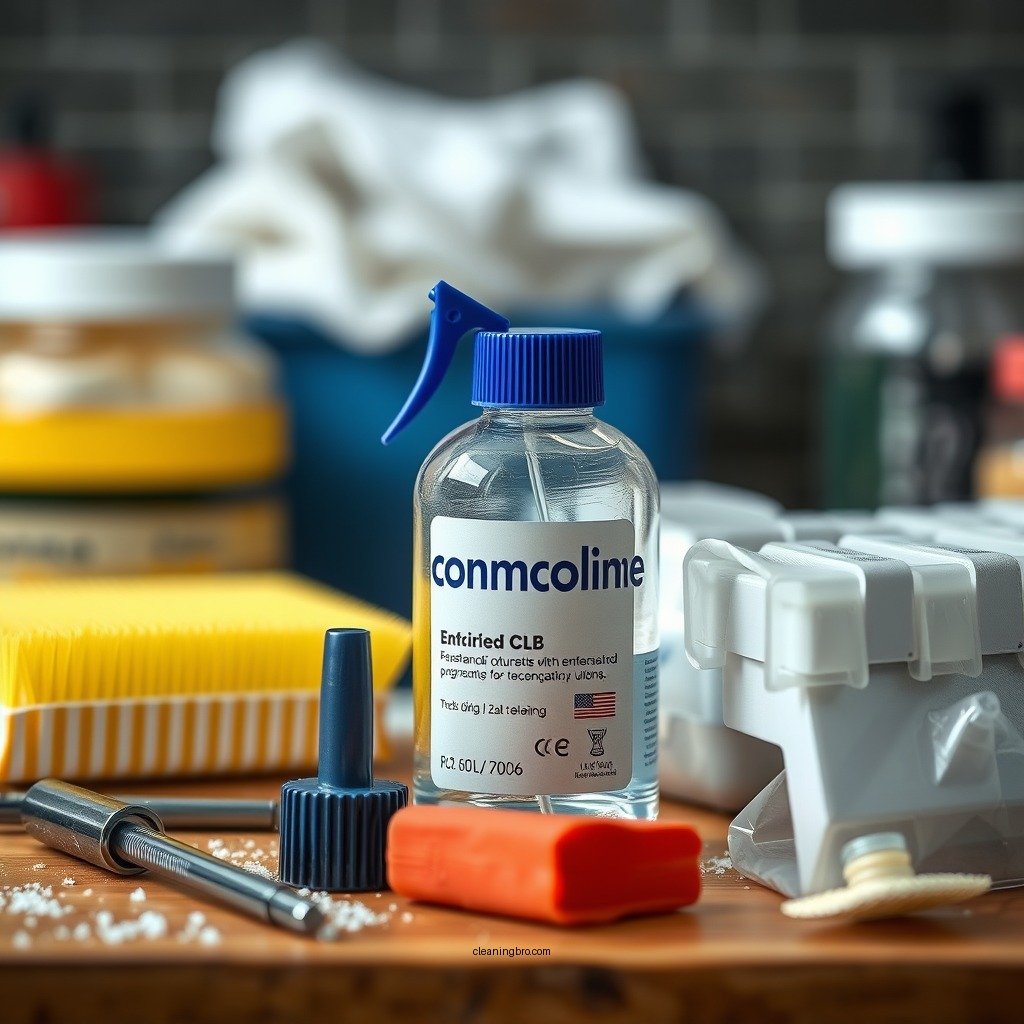
To effectively clean cosmoline, you will need the following tools and materials:
– Solvents: Mineral spirits or kerosene are ideal choices for dissolving cosmoline. These solvents are effective at breaking down the thick grease without harming the underlying metal.
– Brushes: A variety of brushes, including stiff brushes, toothbrushes, and nylon brushes, can be used to scrub off cosmoline from intricate areas.
– Rags: Clean, lint-free rags are essential for wiping down surfaces and removing dissolved cosmoline.
– Heat Gun: A heat gun is useful for softening stubborn cosmoline, making it easier to remove.
– Containers: Have containers ready for disposing of used rags and cosmoline-laden solvents, adhering to local hazardous waste disposal regulations.
Step-by-Step Cleaning Process
Cleaning cosmoline can be broken down into several systematic steps:
1. Disassemble the Item: Begin by carefully disassembling your firearm or tool to expose all surfaces. This is crucial for ensuring that every area coated in cosmoline can be thoroughly cleaned.
2. Apply the Solvent: Generously apply your chosen solvent (mineral spirits or kerosene) to all areas coated with cosmoline. Let the solvent sit for several minutes to penetrate the grease, breaking it down for easier removal.
3. Scrub the Surfaces: Using your brushes, scrub the surfaces to remove the softened cosmoline. Pay special attention to intricate parts where cosmoline can hide, such as crevices and joints.
4. Wipe Down: After scrubbing, use your lint-free rags to wipe down the surfaces, removing any remaining cosmoline and solvent.
5. Repeat if Necessary: Depending on the thickness of the cosmoline, you may need to repeat the solvent application and scrubbing process until all residue is gone.
6. Final Rinse: As a final step, rinse the cleaned items with hot, soapy water to ensure all solvent residues are removed.
Common Solvents for Cleaning Cosmoline
| # | Solvent | Effectiveness | Drying Time | Odor Level |
|---|---|---|---|---|
| 1 | Mineral Spirits | High | Moderate | Low |
| 2 | Kerosene | Very High | Long | Medium |
| 3 | Acetone | High | Fast | High |
| 4 | Brake Cleaner | Very High | Fast | Medium |
| 5 | Soap and Water | Moderate | Very Fast | None |
Techniques for Stubborn Cosmoline
Some cosmoline deposits can be particularly stubborn, requiring additional techniques to ensure thorough removal:
– Heat Application: A heat gun can be used to soften cosmoline that has hardened over time. Gently warming the affected area will make it easier to scrape off the grease. Be cautious not to overheat and damage the underlying material.
– Detailed Scrubbing: For intricate parts, such as those found in firearms, small brushes or old toothbrushes can be invaluable. They can reach into tight spaces and effectively remove residual cosmoline. Consider using a combination of brush sizes to adapt to various surface profiles.
– Multiple Solvent Applications: If cosmoline remains after initial cleaning, repeat the solvent application process. Sometimes, multiple rounds of cleaning are necessary, especially if the cosmoline has been sitting for a long time.
Safety Precautions During Cleaning
When cleaning cosmoline, safety should always be a top priority. Here are some essential precautions:
– Ventilation: Always work in a well-ventilated area to minimize the risk of inhaling harmful fumes from solvents. If indoors, consider using fans or opening windows to improve airflow.
– Protective Gear: Wear gloves to protect your skin from solvents, and goggles to shield your eyes from splashes. Depending on the solvent used, a mask may also be advisable to avoid inhaling toxic vapors.
– Proper Disposal: Dispose of used rags and solvents according to local hazardous waste regulations. Do not pour solvents down the drain or dispose of them in regular trash.
Final Touches After Cleaning
After successfully removing all cosmoline, it’s crucial to finish the cleaning process properly:
1. Rinse Thoroughly: Rinse the cleaned items under hot, soapy water to eliminate any remaining solvent residues. This step is vital to ensure no chemicals remain that could damage the firearm or tool.
2. Dry Completely: Use lint-free rags to dry all components completely. Moisture left on metal surfaces can lead to rust formation, negating the benefits of your cleaning efforts.
3. Reapply Protection: Once dried, apply a light coating of oil or protective lubricant to all metal surfaces. This will help prevent rust and keep the item in optimal condition for future use.
Cleaning cosmoline can be a time-consuming process, but following these steps will ensure that your firearms or tools are fully restored and ready for action.
By understanding the cleaning process, utilizing the right materials, and prioritizing safety, you can effectively remove cosmoline and maintain your equipment in excellent condition. If you have any tips or experiences with cosmoline removal, feel free to share in the comments below!
Frequently Asked Questions
What is cosmoline and why is it used for gun storage?
Cosmoline is a petroleum-based rust preventative used to protect firearms and other metal items from corrosion during storage. Its thick, waxy consistency provides a barrier against moisture and air, making it an effective choice for long-term preservation, especially in military applications.
How do I remove cosmoline from my firearm effectively?
To remove cosmoline from your firearm, start by disassembling the gun and using a solvent such as mineral spirits or kerosene to soak the parts. Apply the solvent with a brush or cloth, allowing it to penetrate the cosmoline, then wipe away the residue. For stubborn areas, a gentle scrubbing with a nylon brush may be required.
Why does cosmoline need to be cleaned off before using a firearm?
Cosmoline must be cleaned off before using a firearm because it can interfere with the operation of the gun, lead to poor accuracy, and cause malfunctions. Additionally, the residue can attract dirt and debris, which can further damage the internal components if left unaddressed.
What are the best products to use for cleaning cosmoline?
The best products for cleaning cosmoline include mineral spirits, kerosene, and specialized degreasers designed for firearms. Additionally, using a combination of warm soapy water for initial cleaning followed by a solvent for residue can effectively remove cosmoline without damaging the firearm’s finish.
Which tools are essential for cleaning cosmoline from firearms?
Essential tools for cleaning cosmoline from firearms include soft brushes, microfiber cloths, a parts cleaning tank or container, and safety gloves. A nylon brush is particularly useful for reaching crevices, while a cleaning rod and patches can help ensure that all cosmoline is removed from the bore and other internal areas.
References
- Cosmoline
https://en.wikipedia.org/wiki/Cosmoline - https://www.sciencedirect.com/topics/engineering/cosmoline
https://www.sciencedirect.com/topics/engineering/cosmoline - https://pubmed.ncbi.nlm.nih.gov/32456032/
https://pubmed.ncbi.nlm.nih.gov/32456032/ - https://www.nist.gov/news-events/news/2021/09/cosmoline-removal-techniques-demystified
https://www.nist.gov/news-events/news/2021/09/cosmoline-removal-techniques-demystified - https://www.britannica.com/science/cosmoline
https://www.britannica.com/science/cosmoline - Alternatives for the Demilitarization of Conventional Munitions
https://www.nap.edu/catalog/25140/metalworking-fluids-safety-and-health - Google Scholar Google Scholar
https://scholar.google.com/scholar?q=how+to+clean+cosmoline - Google Scholar Google Scholar
https://scholar.google.com/scholar?q=cosmoline+removal+methods - Google Scholar Google Scholar
https://scholar.google.com/scholar?q=cleaning+cosmoline+from+metal - https://www.cdc.gov/niosh/topics/metalworkingfluids/default.html
https://www.cdc.gov/niosh/topics/metalworkingfluids/default.html
