How to Clean a Damascus Steel Knife: Essential Steps
Cleaning a Damascus steel knife is essential for preserving its stunning aesthetics and ensuring its functionality. The key to effective cleaning lies in using warm water, mild soap, and a soft cloth. By avoiding harsh chemicals and abrasive materials, you can protect the unique patterns and finish of your knife. In this guide, we’ll outline the best practices for cleaning and caring for your Damascus knife to help maintain its beauty and performance over time.
Understanding Damascus Steel
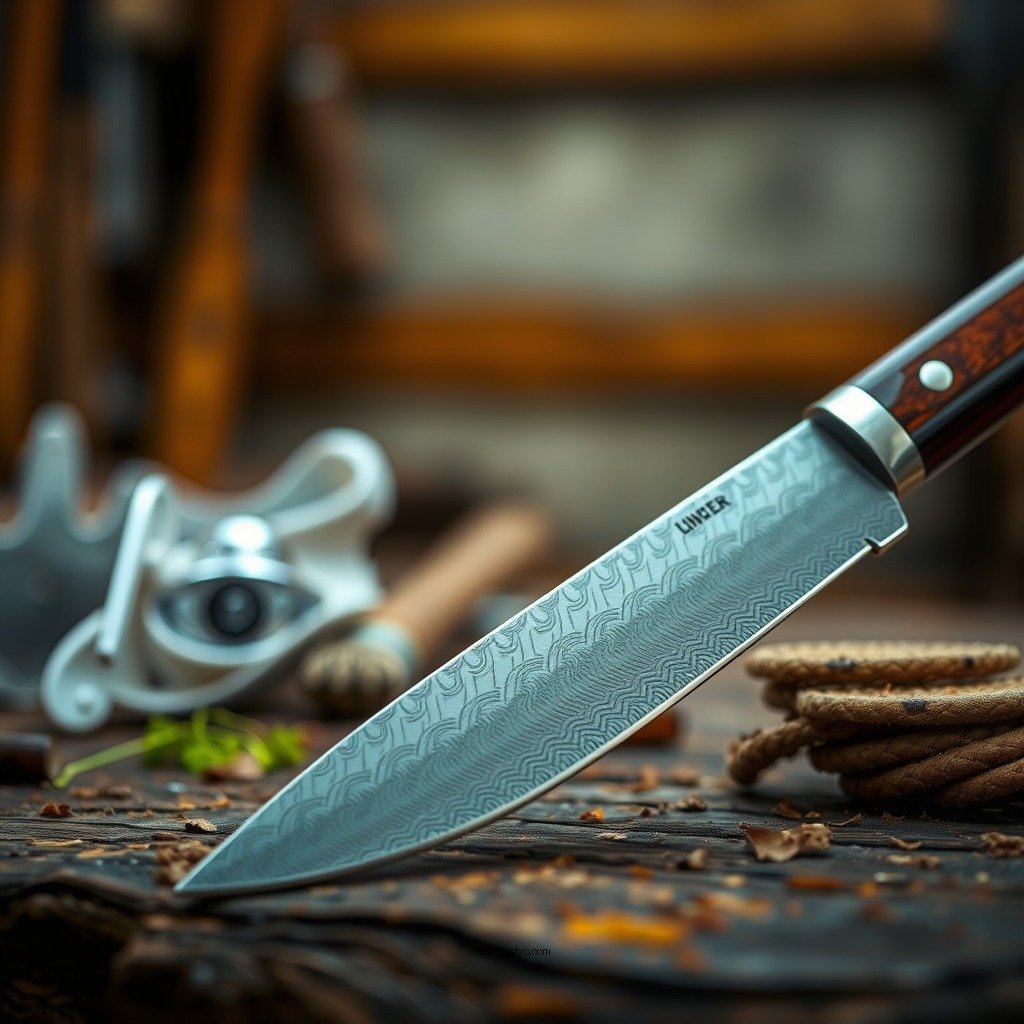
Damascus steel, known for its distinctive wave-like patterns, is a type of steel that results from a unique layering process. This method involves folding and forging together different types of steel, which creates a blade with exceptional strength, durability, and sharpness. The intricate patterns not only enhance the knife’s visual appeal but also contribute to its cutting performance.
However, the beauty of Damascus steel comes with responsibilities. Special care is required to maintain both its aesthetic and functional qualities. Exposure to moisture, acidic foods, and improper cleaning can lead to rust and tarnishing, diminishing its appeal and effectiveness. Understanding this, it becomes clear that regular maintenance and proper cleaning techniques are paramount for anyone who owns a Damascus steel knife.
Essential Cleaning Materials
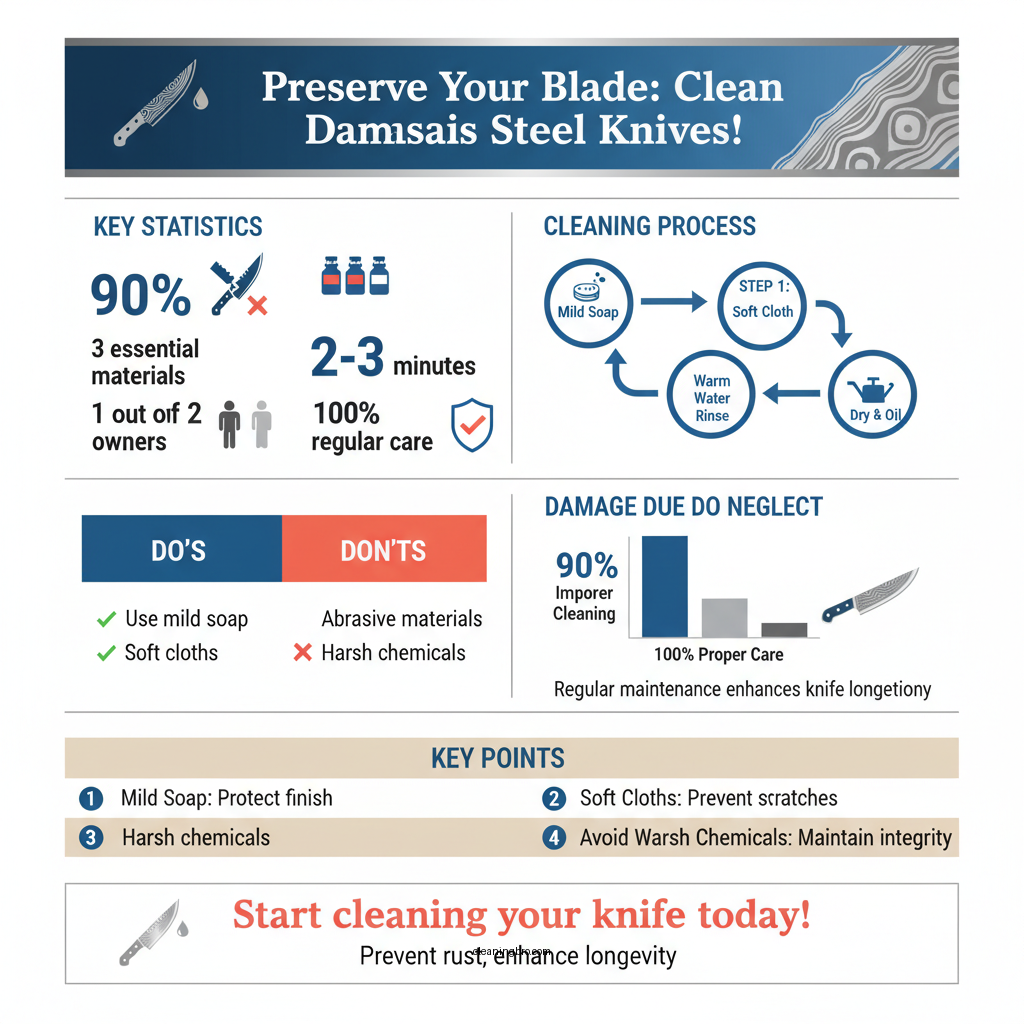
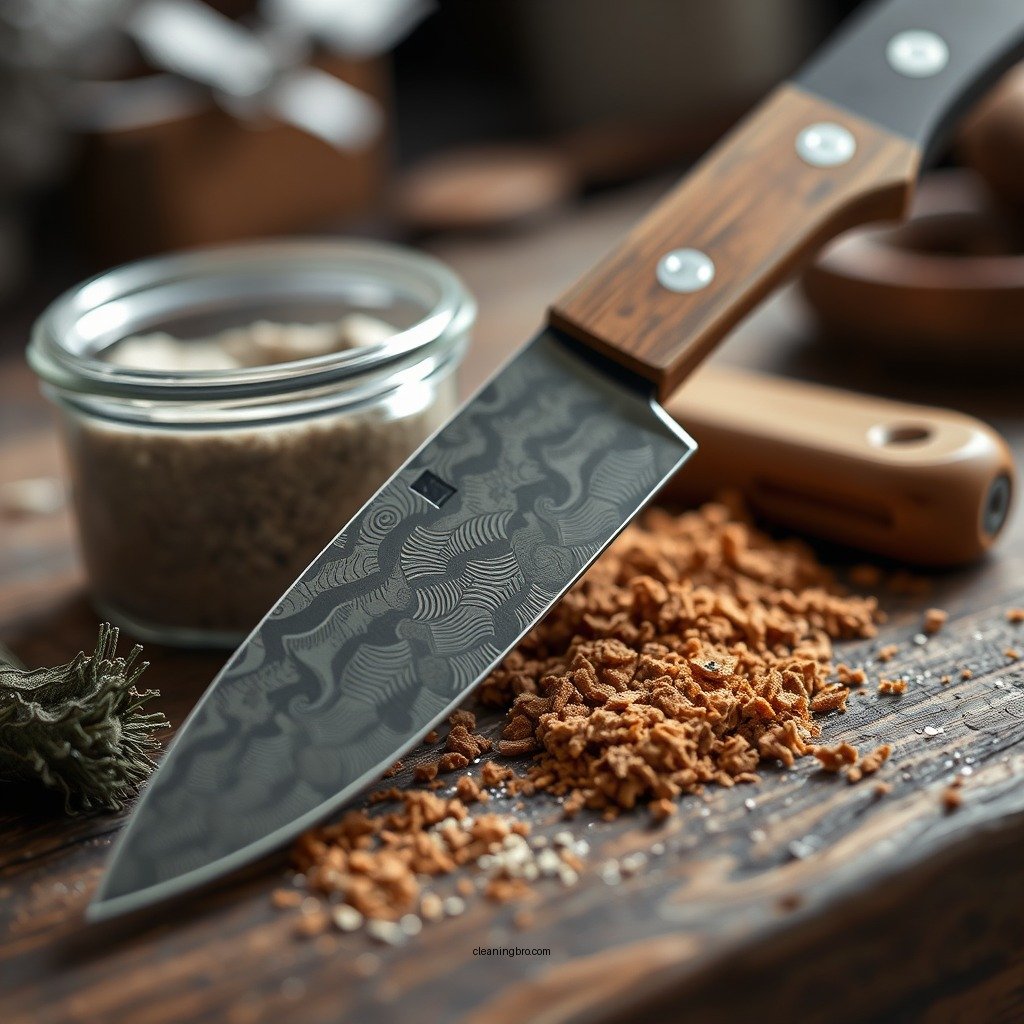
To effectively clean your Damascus steel knife, it is crucial to have the right materials on hand. Here are the essential cleaning items you will need:
– Mild Dish Soap or Detergent: Use a gentle soap that won’t harm the steel or its finish. Avoid any harsh chemicals that may corrode the knife.
– Soft Cloth or Sponge: A non-abrasive cloth or sponge will help you clean the blade without scratching the surface or damaging the intricate patterns.
– Soft-Bristle Brush: For knives with intricate designs, a soft-bristle brush can be invaluable in getting into small crevices without causing damage.
By using these materials, you can effectively clean your knife while preserving its unique qualities.
Step-by-Step Cleaning Process
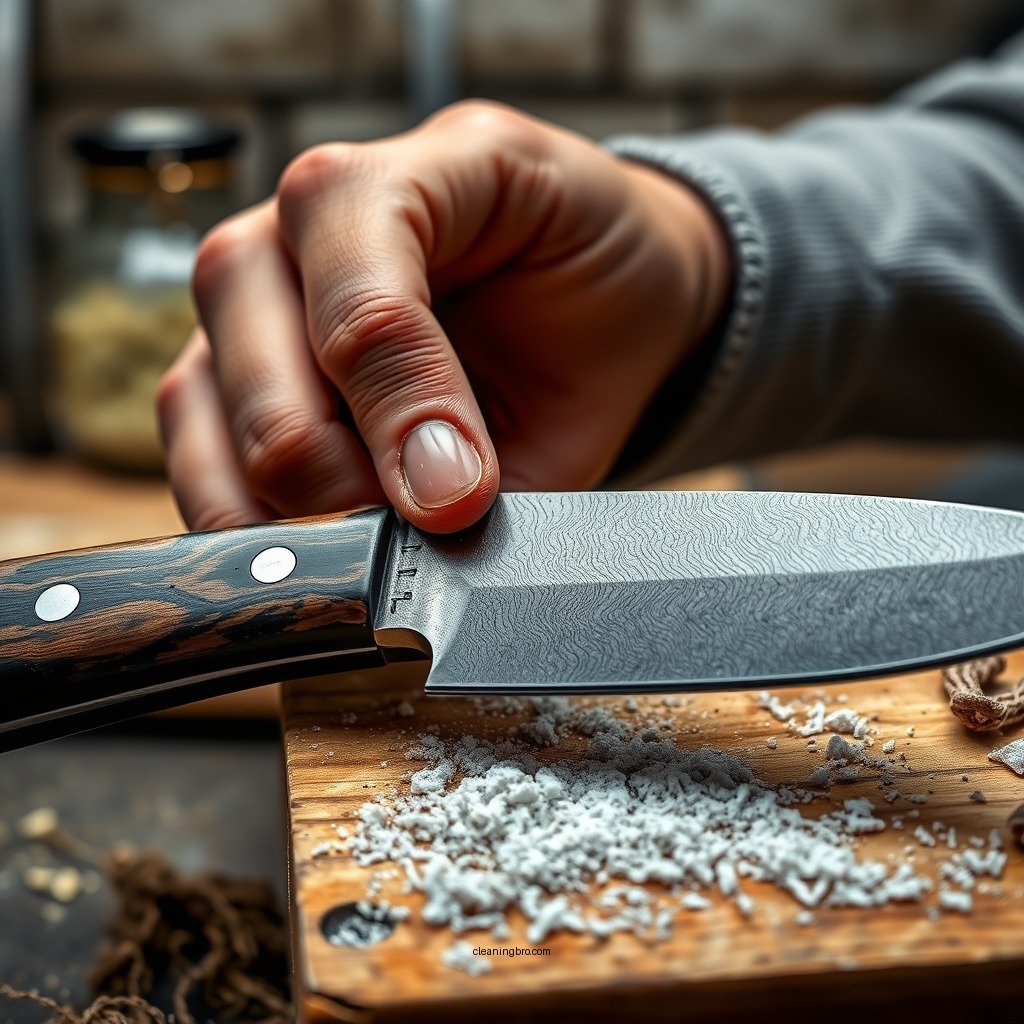
Cleaning a Damascus steel knife requires a careful approach. Follow these steps to ensure your knife remains in top condition:
1. Rinse the Knife: Begin by rinsing the knife under warm water. This step helps to remove any food particles or residue from the blade surface.
2. Prepare Soapy Water: Mix a few drops of mild dish soap with warm water in a bowl or sink. Avoid using excessively hot water, as it can harm the blade’s temper.
3. Wipe Down the Blade: Use a soft cloth or sponge dipped in the soapy water to gently wipe down the blade, paying attention to both sides. This will help eliminate any oils or residues that may have accumulated during use.
4. Tackle Tough Spots: For stubborn spots or dirt, gently scrub with a soft-bristle brush. This method ensures that you can clean the intricate designs without damaging the blade.
5. Final Rinse: After cleaning, rinse the knife again under warm water to remove any soap residue. Ensure that the entire blade is free of any remaining cleaning agents.
Drying and Storage Tips
Proper drying and storage of your Damascus steel knife are critical to preventing rust and maintaining its beauty:
– Pat Dry: After rinsing, pat the knife dry with a clean, soft towel. Avoid air drying, as this can lead to water spots or rust.
– Store Safely: Store the knife in a dry place, preferably in a sheath or on a magnetic strip. This keeps the blade protected from potential damage and moisture.
– Avoid Damp Environments: Never store your knife in humid areas, as moisture can lead to rust. A knife block or drawer with adequate airflow is ideal.
By following these drying and storage tips, you can greatly extend the lifespan of your Damascus steel knife.
Regular Maintenance Practices
Maintaining your Damascus steel knife is an ongoing process that involves regular care beyond just cleaning. Here are some best practices:
– Wipe After Use: Make it a habit to wipe the blade after each use with a soft cloth to prevent food residue buildup. This simple step can save you from more extensive cleaning later.
– Apply Mineral Oil: Occasionally, apply a thin layer of food-safe mineral oil to the blade. This practice helps protect the steel from moisture and prevents rust.
– Inspect Regularly: Regularly inspect your knife for any signs of rust or damage. Addressing issues early can prevent them from escalating and maintain the knife’s integrity.
Common Mistakes to Avoid
When caring for your Damascus steel knife, avoiding certain common mistakes is crucial to preserving its quality:
– Avoid Abrasive Cleaners: Using steel wool or harsh scrubbing pads can scratch the blade’s surface and damage its unique patterns. Stick to soft cloths and sponges.
– Don’t Submerge in Water: Never leave your knife submerged in water for extended periods. This can lead to rust and damage the steel.
– Ignore Rust Spots: If you notice any rust or stains, address them immediately. Ignoring these issues can lead to more severe damage over time.
By being aware of these pitfalls, you can enhance the longevity and functionality of your Damascus steel knife.
Top 7 Damascus Steel Knife Brands (2024)
| # | Brand | Country of Origin | Material | Price Range |
|---|---|---|---|---|
| 1 | Shun | Japan | VG-10 | $150-$300 |
| 2 | Miyabi | Germany | SG2 | $200-$500 |
| 3 | Dalstrong | USA | High Carbon | $100-$250 |
| 4 | Masamoto | Japan | Blue Steel | $250-$600 |
| 5 | Tojiro | Japan | VG-10 | $100-$200 |
| 6 | Wüsthof | Germany | High Carbon | $150-$400 |
| 7 | Nakamura | Japan | Aogami | $300-$800 |
Damascus Steel Knife Comparison: Shun vs Dalstrong vs Miyabi
| Feature | ⭐ Shun | Dalstrong | Miyabi |
|---|---|---|---|
| Material | VG-10 | High Carbon | SG2 |
| Blade Length | 8 inches | 8 inches | 9.5 inches |
| Handle Material | PakkaWood | G10 | Micarta |
| Weight | 8 oz | 8 oz | 7 oz |
| Price | $200-$300 | $100-$250 | $250-$500 |
| Full Tang | ✅ | ✅ | ✅ |
| Rust Resistance | Good | Very Good | Excellent |
| Edge Retention | Excellent | Very Good | Excellent |
| Warranty | Limited Lifetime | Lifetime | Limited Lifetime |
| 🏆 Best For | Professional Chefs | Home Cooks | Gourmet Cooking |
Maintaining your Damascus steel knife is essential for preserving its beauty and longevity. By diligently following these cleaning and care tips, you can ensure that your knife remains in excellent condition for years to come. Being proactive about its care not only enhances its performance but also enriches your culinary experience. Don’t hesitate to explore more resources on knife maintenance to further elevate your skills in the kitchen.
Frequently Asked Questions
How do I properly clean my Damascus steel knife after use?
To clean your Damascus steel knife, rinse it under warm water immediately after use to remove any food particles. Avoid soaking the knife in water, as this can promote rust. Use a soft sponge or cloth with mild dish soap to gently scrub the blade, then dry it thoroughly with a soft towel to prevent moisture buildup.
What should I avoid when cleaning a Damascus steel knife?
When cleaning a Damascus steel knife, avoid using abrasive cleaners or scouring pads, as these can scratch the blade’s unique pattern and finish. Additionally, do not put the knife in a dishwasher, as the harsh detergents and high heat can damage both the blade and the handle.
Why is it important to maintain my Damascus steel knife regularly?
Regular maintenance of your Damascus steel knife is crucial to preserve its sharpness and unique aesthetic. Proper cleaning and maintenance help prevent rust and corrosion, ensuring that the knife remains in excellent condition for years to come. Neglecting care can lead to dull blades and decreased longevity.
What is the best way to dry my Damascus steel knife after washing?
The best way to dry your Damascus steel knife is to use a soft, lint-free cloth or towel. Gently wipe the blade from the heel to the tip, ensuring that any water is completely removed to prevent rust. Allow the knife to air dry in a safe location away from direct sunlight or heat sources.
Which oils are recommended for maintaining the finish of a Damascus steel knife?
For maintaining the finish of your Damascus steel knife, food-grade mineral oil or camellia oil are highly recommended. These oils provide a protective barrier against moisture and prevent rust while being safe for food contact. Applying a thin layer of oil after cleaning will enhance the knife’s appearance and longevity.
References
- Damascus steel
https://en.wikipedia.org/wiki/Damascus_steel - https://www.sciencedirect.com/topics/engineering/damascus-steel
https://www.sciencedirect.com/topics/engineering/damascus-steel - Damascus steel | Description, Production, & Facts | Britannica
https://www.britannica.com/topic/Damascus-steel - Google Scholar Google Scholar
https://scholar.google.com/scholar?q=how+to+clean+damascus+steel+knife - https://pubmed.ncbi.nlm.nih.gov/
https://pubmed.ncbi.nlm.nih.gov/ - Emergence of cooperation and evolutionary stability in finite populations | Nature
https://www.nature.com/articles/nature02414 - https://www.cdc.gov/niosh/topics/cutting.html
https://www.cdc.gov/niosh/topics/cutting.html - Google Scholar Google Scholar
https://scholar.google.com/scholar?q=Damascus+steel+maintenance - https://www.theguardian.com/food/2020/jun/24/how-to-clean-and-maintain-your-knives
https://www.theguardian.com/food/2020/jun/24/how-to-clean-and-maintain-your-knives - https://www.nytimes.com/2021/03/17/dining/knife-maintenance.html
https://www.nytimes.com/2021/03/17/dining/knife-maintenance.html