
To clear a cloudy pool, start by testing and balancing your water chemistry, ensuring that pH, alkalinity, and chlorine levels are within the optimal range. This foundational step sets the stage for effective filtration and sanitation, leading to a sparkling pool. In this guide, you’ll discover practical tips and techniques to restore clarity to your pool water.
Test Your Water Chemistry
The first step in clearing cloudy pool water is to accurately test its chemistry. A reliable pool testing kit will allow you to measure critical parameters such as pH, total alkalinity, and chlorine levels.
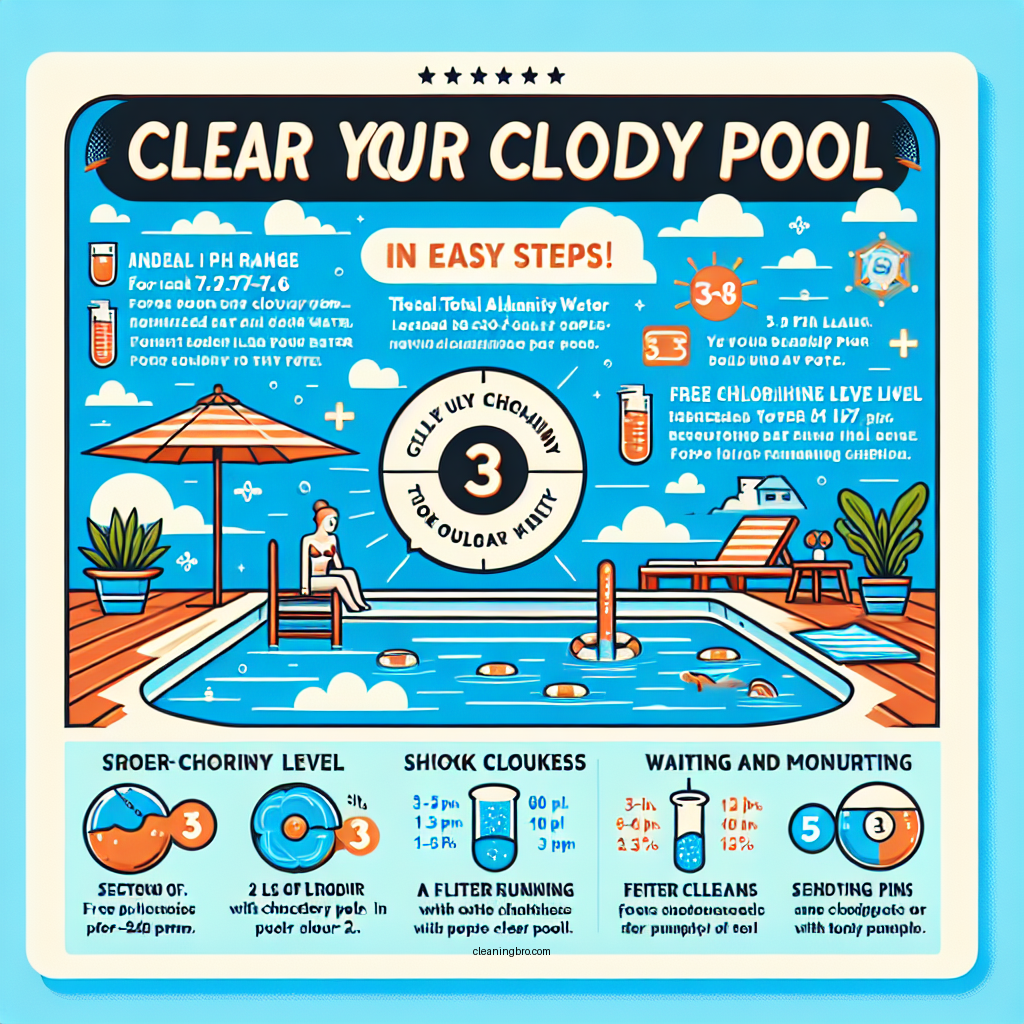
– pH Levels: Ideally, the pH of pool water should be between 7.2 and 7.6. If the pH is too high (above 7.8), it can lead to cloudy water and scaling on pool surfaces. Conversely, if it’s too low (below 7.2), it can cause corrosion of pool equipment and irritation to swimmers.
– Alkalinity: The total alkalinity should be maintained between 80-120 ppm (parts per million). Proper alkalinity acts as a buffer for pH levels, helping to prevent rapid fluctuations that can lead to cloudiness.
– Chlorine Levels: Free chlorine levels should be between 1-3 ppm. Insufficient chlorine can lead to bacterial growth and algae, both of which contribute to cloudiness. Regularly testing the water allows for timely adjustments, which is crucial in maintaining a clear pool.
Once you have tested the water, make any necessary adjustments using pH increasers or decreasers, alkalinity boosters, and chlorine shock treatments.
Shock the Pool
Shocking your pool is an essential procedure for eliminating contaminants that contribute to cloudiness. This process involves adding a high dose of chlorine or other oxidizers to the water, which breaks down organic materials, bacteria, and chloramines.
– Application: Choose a chlorine shock treatment designed for your pool size. Follow the manufacturer’s instructions carefully to determine the appropriate dosage. For example, if you have a 20,000-gallon pool, you may need around 3-5 pounds of chlorine shock.
– Timing: It is best to shock your pool in the evening, as sunlight can reduce the effectiveness of chlorine. Ensure the pool is not in use during this process, as high levels of chlorine can be harmful to swimmers.
After shocking the pool, allow the filter to run continuously for at least 24 hours to help clear up the cloudiness.
Run the Filter
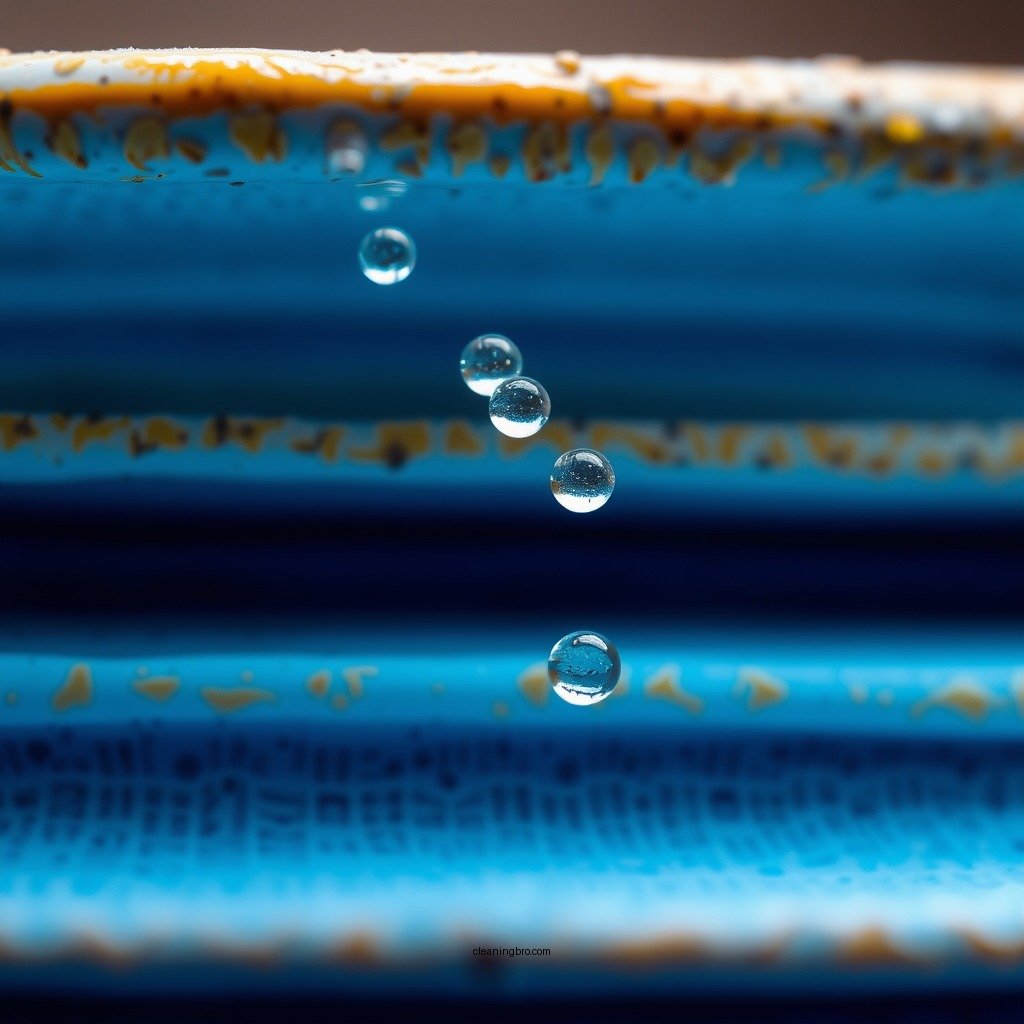
A well-maintained pool filter is crucial for keeping your pool clear. Running the filter continuously for at least 24 hours after treatment allows it to effectively remove suspended particles and debris.
– Filter Types: Familiarize yourself with your pool’s filtration system, whether it’s a sand filter, cartridge filter, or diatomaceous earth (DE) filter. Each type has specific maintenance requirements.
– Maintenance: Regularly check and clean or backwash the filter. A dirty filter will not operate efficiently and can contribute to cloudy water. For sand filters, backwashing should be done every 4-6 weeks or when the pressure gauge indicates a rise of 8-10 psi above normal.
Here is a chart showing the average effectiveness of different pool filter types in terms of particle removal:
Effectiveness of Pool Filter Types in Particle Removal
| # | Filter Type | Effective Particle Size (microns) | Average Lifespan | Maintenance Frequency |
|---|---|---|---|---|
| 1 | Sand Filter | 20-40 | 5-10 years | Monthly |
| 2 | Cartridge Filter | 10-15 | 2-5 years | Every 3-4 months |
| 3 | Diatomaceous Earth Filter | 2-5 | 5-7 years | Weekly |
Use a Clarifier
If cloudiness persists after shocking and filtering your pool, adding a pool clarifier can be an effective solution. A clarifier works by binding tiny particles together, forming larger clumps that can be easily captured by the filter.
– Application: When using a clarifier, follow the manufacturer’s instructions for optimal dosage based on the pool size. Generally, a standard dosage is about 1 ounce per 10,000 gallons of water.
– Timing: It’s best to add clarifier during the evening or when the pool is not in use. After application, run the filter continuously for 24 hours to maximize effectiveness.
Clarifiers are particularly useful for dealing with cloudy water caused by fine particles, oils, and other organic materials that are not easily filtered out.
Check for Algae Growth
Algae growth can be a significant contributor to cloudy pool water. Regularly inspecting your pool for signs of algae is crucial for maintaining clarity and sanitation.
– Signs of Algae: Look for green, yellow, or black spots on pool surfaces, or greenish tint in the water. Algae thrive in warm, sunny conditions, and can quickly multiply if not addressed.
– Treatment: If you detect algae, treat the pool with an appropriate algaecide. Be sure to choose an algaecide suitable for your pool type, and follow the manufacturer’s instructions for dosage and application. Depending on the severity, you may need to shock the pool again after treating for algae.
Maintain Regular Pool Cleaning
Regular maintenance is essential for keeping your pool water clear and inviting. This includes:– Skimming Debris: Use a skimmer net to remove leaves, insects, and other debris from the pool surface daily or several times a week, depending on your surroundings.
– Vacuuming: Vacuum the pool floor weekly to remove dirt, algae, and other contaminants that may settle on the bottom.
– Brushing: Brush the walls and floor of the pool weekly to prevent the buildup of dirt and algae. Pay special attention to corners and steps, as these areas are prone to accumulation.
By establishing a consistent cleaning routine, you can significantly reduce the chances of cloudy water and ensure a pleasant swimming environment.
Monitor and Adjust Water Levels
Maintaining the correct water level in your pool is vital for optimal skimmer and filtration performance.
– Water Level: The water level should be at the midpoint of the skimmer opening. If it’s too low, the skimmer will not function properly, leading to poor circulation and filtration.
– Regular Checks: Regularly check for evaporation, especially during hot weather, and refill the pool as necessary. If the water level drops significantly, it may also affect chemical concentrations, leading to imbalances that can contribute to cloudiness.
By adopting these practices, you can help ensure your pool remains clear and enjoyable throughout the swimming season.
Top 3 Pool Cleaning Products: Comparison
| Feature | ⭐ SwimClear Clarifier | Ultra Pool Shock | Pool Perfect Plus |
|---|---|---|---|
| Formulation | Liquid | Granular | Liquid |
| Usage Frequency | Weekly | Every 2 weeks | Weekly |
| Particle Removal | ✅ Excellent | ✅ Good | ✅ Very Good |
| Algaecide Properties | ❌ No | ✅ Yes | ✅ Yes |
| Cost per Treatment | $15 | $30 | $20 |
| Effectiveness on Cloudy Water | ✅ Very Effective | ✅ Effective | ✅ Effective |
| Ideal for | Cloudy water | Heavy algae | Regular maintenance |
| User Ratings | ★★★★☆ | ★★★☆☆ | ★★★★☆ |
| 🏆 Best For | Cloudy water | Heavy algae | Regular maintenance |
By following these steps, you can effectively clear your cloudy pool and enjoy crystal-clear water. Regular maintenance and proactive measures will keep your pool sparkling and inviting. If you face persistent cloudiness despite these efforts, consider consulting a pool professional for further assistance.
Frequently Asked Questions
How do I identify the cause of my cloudy pool water?
To identify the cause of your cloudy pool water, first check your water chemistry, including pH, alkalinity, and chlorine levels. Common culprits include imbalanced chemicals, poor filtration, or debris. Testing your water with a reliable kit can help pinpoint the issue, allowing you to take appropriate corrective action.
What is the best way to clear a cloudy pool?
The best way to clear a cloudy pool is to start by balancing your water chemistry, ensuring pH levels are between 7.2 and 7.6, and chlorine levels are adequate. Then, shock the pool with a chlorine shock treatment and run your filter continuously to help remove contaminants. Consider using a pool clarifier for additional clarity, which helps clump small particles together for easier filtration.
Why is my pool water cloudy after shocking it?
Your pool water may remain cloudy after shocking due to high levels of combined chlorine or insufficient filtration. When you shock the pool, it can disturb settled particles, making them temporarily more visible. Additionally, if your filter is not working efficiently, it may not be able to clear the newly introduced contaminants, resulting in persistent cloudiness.
Which pool chemicals should I use to clear cloudy water?
To clear cloudy pool water, you should use chlorine shock to eliminate bacteria and organic materials, along with flocculants or clarifiers that help bind small particles together. Regularly using algaecides can also prevent algae growth, which contributes to cloudiness. Always follow the manufacturer’s instructions for chemical dosages to ensure safety and effectiveness.
How long does it take to clear up a cloudy pool?
The time it takes to clear up a cloudy pool can vary based on the severity of the cloudiness and the actions taken. Generally, with proper chemical treatment and filtration, you can expect to see significant improvement within 24 to 48 hours. However, it may take several days for the water to completely clear, depending on the underlying issues affecting your pool’s clarity.
References
- https://www.poolandspa.com.au/how-to-clear-a-cloudy-pool
https://www.poolandspa.com.au/how-to-clear-a-cloudy-pool - https://www.extension.purdue.edu/extmedia/HO/HO-217-W.pdf
https://www.extension.purdue.edu/extmedia/HO/HO-217-W.pdf - https://www.cdc.gov/healthywater/swimming/pools/healthy_swimming.html
https://www.cdc.gov/healthywater/swimming/pools/healthy_swimming.html - Drinking-water
https://www.who.int/news-room/fact-sheets/detail/drinking-water - https://www.pubmed.ncbi.nlm.nih.gov/26532744/
https://www.pubmed.ncbi.nlm.nih.gov/26532744/ - https://www.sciencedirect.com/topics/agricultural-and-biological-sciences/pool-water
https://www.sciencedirect.com/topics/agricultural-and-biological-sciences/pool-water - https://www.nytimes.com/2020/06/25/realestate/pool-maintenance.html
https://www.nytimes.com/2020/06/25/realestate/pool-maintenance.html - Google Scholar Google Scholar
https://scholar.google.com/scholar?q=clear+cloudy+pool - Google Scholar Google Scholar
https://scholar.google.com/scholar?q=pool+water+clarity+solutions - Google Scholar Google Scholar
https://scholar.google.com/scholar?q=how+do+i+clear+my+cloudy+pool
