How to Clean Deer Antlers: A Step-by-Step Guide
Cleaning deer antlers is a straightforward process that can enhance their appearance and preserve them for display. To clean antlers effectively, you’ll want to remove dirt and grime while also addressing any odor. This guide will walk you through the essential steps to ensure your antlers look their best, allowing you to showcase them with pride.
Deer antlers, whether acquired through hunting, found in nature, or purchased for decorative purposes, require proper care to maintain their aesthetic and structural integrity. Not only will effective cleaning make the antlers look visually appealing, but it will also help prevent deterioration over time. This step-by-step guide will provide you with insights and tips to clean your deer antlers thoroughly.
Preparing for Cleaning
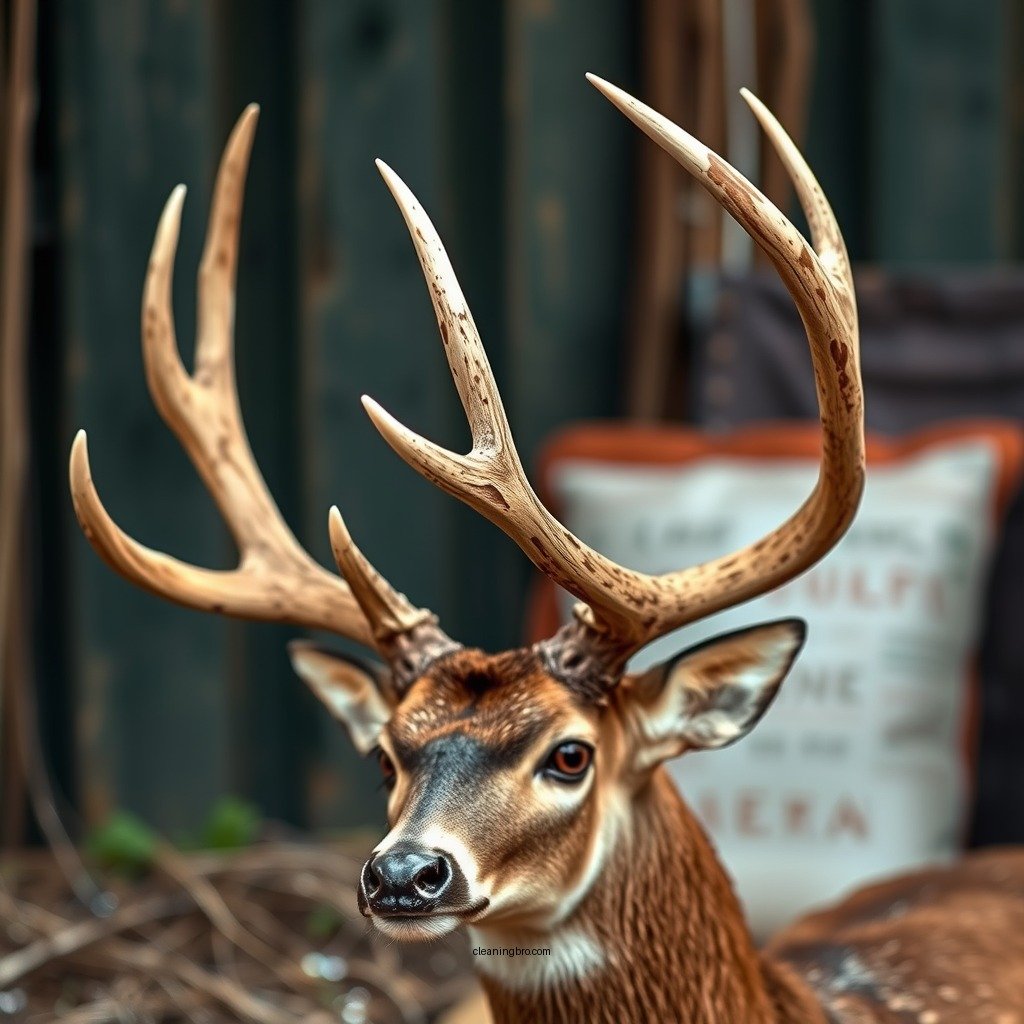
Before you begin the cleaning process, it is crucial to gather the necessary materials and choose an appropriate cleaning space.
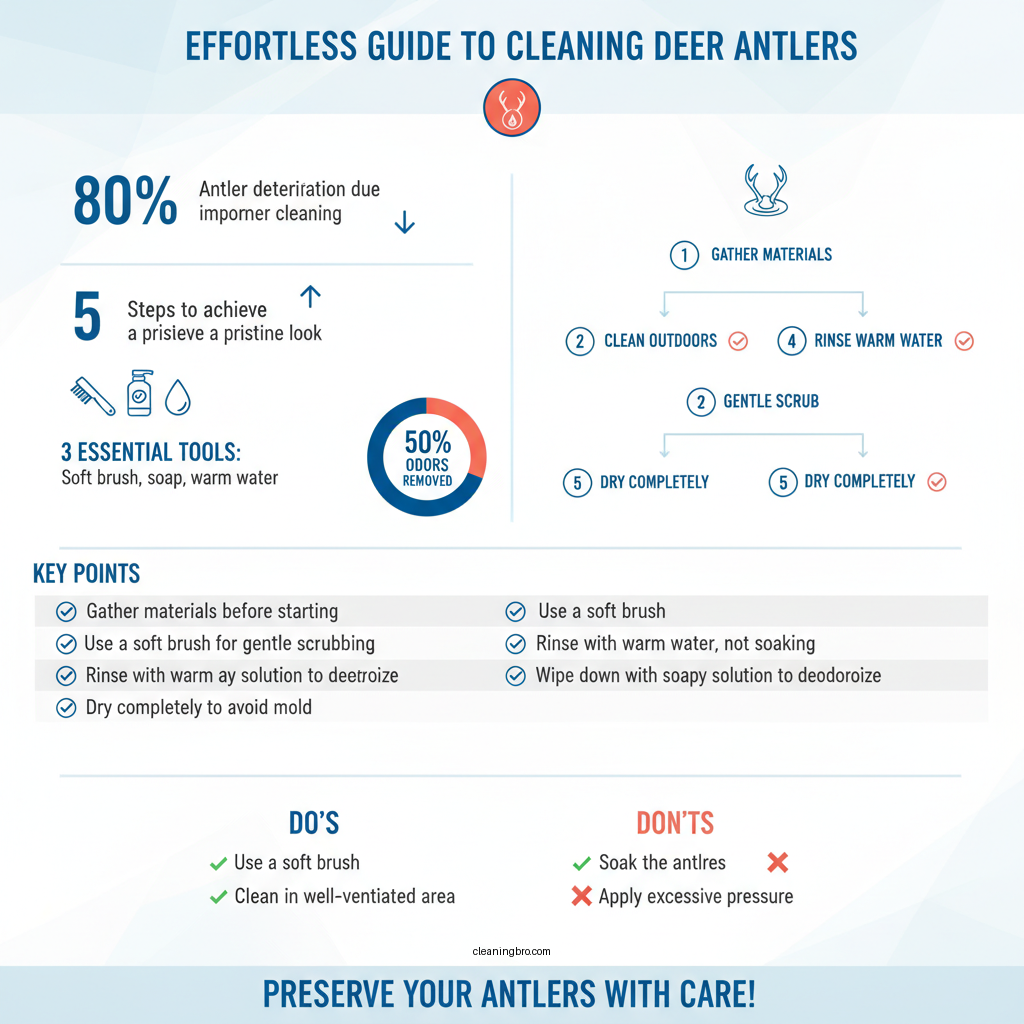
1. Gather Necessary Materials: The tools you will need include:
– A soft brush (such as a toothbrush or paintbrush) for scrubbing.
– Mild soap (dish soap or hand soap works well) for cleaning.
– Warm water to mix with the soap.
– Towels for drying the antlers.
– Optional: A sealant for added protection.
2. Choose an Appropriate Cleaning Area: Ideally, you want to clean the antlers outdoors or in a well-ventilated area. This will help with odor control and ensure that any debris washed off can easily be cleaned up. A workbench or outdoor table may be suitable locations for this task.
Removing Dirt and Debris
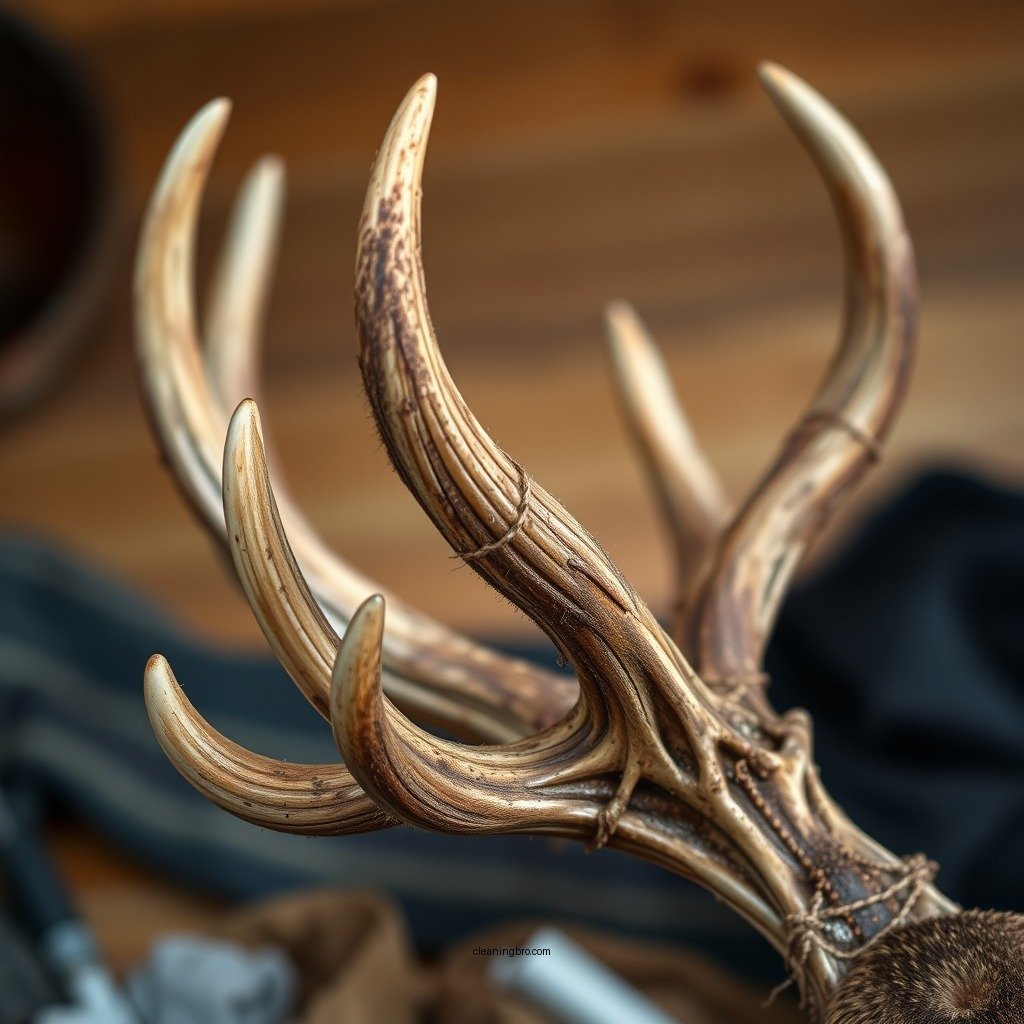
The first step in the cleaning process is to remove any visible dirt and debris from the antlers.
1. Use a Soft Brush: Take your soft brush and gently scrub the antlers. Pay special attention to crevices and areas where dirt tends to accumulate. Be cautious not to apply excessive pressure that could damage the antlers.
2. Rinse with Water: After brushing, rinse the antlers with warm water to remove any loose dirt and grime. It is essential to avoid soaking the antlers, as excessive moisture can lead to mold or deterioration. Instead, use a spray bottle or a damp cloth to carefully wipe down the surface.
Deodorizing Antlers
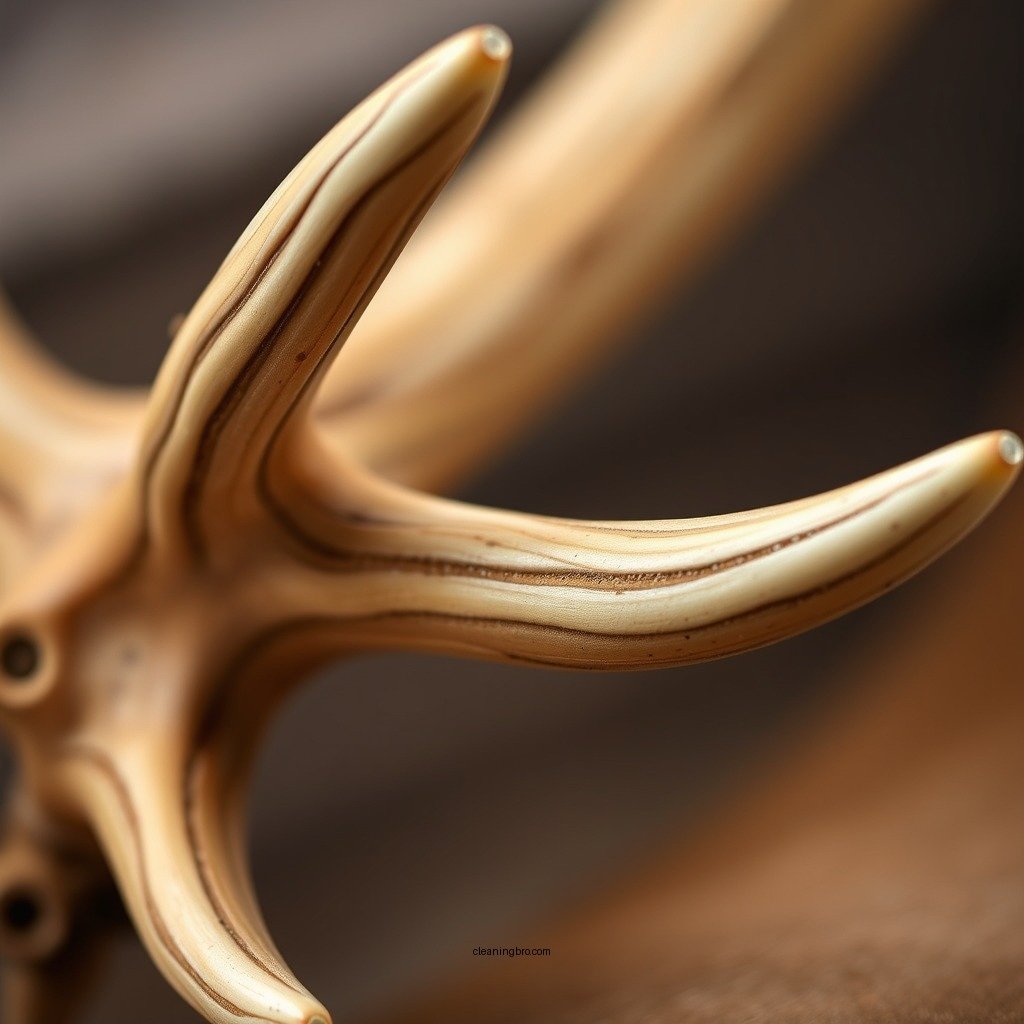
Deodorizing is an important step that can enhance the overall presentation of the antlers.
1. Mix a Solution: In a bowl, mix a solution of mild soap and warm water. The soap will help break down any residual odors and oils that may cling to the antlers.
2. Wipe Down the Antlers: Soak a soft cloth in the soapy solution and gently wipe down the antlers. Focus on areas that may have retained odors or oils from handling. After wiping, rinse the antlers with clean water to remove any soap residue.
Drying the Antlers
Proper drying techniques are vital to ensure the longevity of the antlers.1. Pat Dry with a Towel: Use a clean towel to pat the antlers dry. This helps remove excess moisture while minimizing the risk of damage.
2. Air Dry: Place the antlers in a shaded, well-ventilated area to air dry completely. Avoid direct sunlight, as this can cause fading or cracking in the antlers. Allow them to dry for several hours or until completely moisture-free.
Finishing Touches
After the initial cleaning and drying, inspect the antlers for any remaining dirt or odor.
1. Inspect for Residue: Look for any areas where dirt may still be present. If you find any, repeat the cleaning process on those areas to ensure they are spotless.
2. Optional Sealant Application: For added protection, consider applying a clear coat or sealant to the antlers. This can help maintain their shine and provide a barrier against future dirt and odors. Be sure to follow the manufacturer’s instructions for application.
Displaying Clean Antlers
Once cleaned and dried, it’s time to consider how to display your beautifully cleaned antlers.
1. Choose a Suitable Display Method: There are various ways to display antlers, including:
– Wall mounts: These can be purchased or DIY, allowing the antlers to be a focal point in your decor.
– Tabletop displays: Place them on a shelf or table as a conversation starter.
– Shadow boxes: Create a unique display by placing the antlers in a shadow box with other hunting memorabilia.
2. Consider Additional Decor: Enhance the presentation by incorporating other elements, such as rustic frames, natural elements, or themed decorations that complement the antlers. This can add depth to your display and make it visually appealing.
Top Methods for Cleaning Deer Antlers
| # | Cleaning Method | Effectiveness | Time Required |
|---|---|---|---|
| 1 | Soft Brush Scrub | High | 10-15 mins |
| 2 | Soapy Water Wipe | Medium | 5-10 mins |
| 3 | Rinsing with Water | High | 5 mins |
| 4 | Air Drying | Essential | 1-2 hours |
| 5 | Sealant Application | Optional | 15 mins |
Cleaning Products Comparison for Deer Antlers
| Feature | ⭐ Mild Soap | Vinegar Solution | Baking Soda Paste |
|---|---|---|---|
| Effectiveness on Odor | ✅ Good | ✅ Excellent | ✅ Good |
| Ease of Use | ✅ Very Easy | ✅ Easy | ✅ Moderate |
| Natural Ingredients | ✅ Yes | ✅ Yes | ✅ Yes |
| Cost | Low | Low | Very Low |
| Availability | Widely available | Widely available | Common household item |
| Residue After Use | None | None | Mild |
| Drying Time | Minimal | Minimal | Requires drying |
| User Reviews | Positive | Very Positive | Positive |
| 🏆 Best For | General Cleaning | Deodorizing | Tough Odor Removal |
In conclusion, cleaning deer antlers is a simple yet effective process that can significantly enhance their aesthetic and longevity. By following the steps outlined in this guide—from preparation and cleaning to deodorizing and displaying—you can ensure that your antlers remain in excellent condition for years to come. Whether for personal enjoyment or as part of a collection, well-maintained deer antlers can serve as a stunning example of nature’s craftsmanship. Don’t hesitate to share your results or ask for further tips on antler care!
Frequently Asked Questions
How do I properly clean deer antlers after a hunt?
To clean deer antlers after a hunt, start by gently removing any dirt or debris with a soft brush. Then, soak the antlers in a mixture of warm water and mild soap for about 30 minutes to loosen stubborn grime. Finally, rinse thoroughly and allow them to air dry completely before applying any protective sealant.
What is the best method for removing stains from deer antlers?
The best method for removing stains from deer antlers is to use a mixture of hydrogen peroxide and baking soda. Create a paste and apply it to the stained areas, letting it sit for several hours before gently scrubbing with a soft cloth. This method effectively lifts stains without damaging the antlers.
Why should I seal cleaned deer antlers, and how do I do it?
Sealing cleaned deer antlers is essential to protect them from moisture, dirt, and potential pest damage. After cleaning and drying, apply a clear sealant designed for antlers or wood finishes using a soft brush, ensuring even coverage. Allow the sealant to dry completely according to the manufacturer’s instructions for optimal protection.
Which tools are necessary for cleaning deer antlers effectively?
The essential tools for cleaning deer antlers include a soft brush, mild soap, a bucket for soaking, and a soft cloth for drying. You might also want a toothbrush for detailed cleaning in hard-to-reach areas and a sealant for protecting the antlers after cleaning. Having these tools on hand makes the cleaning process more efficient and thorough.
How can I maintain the appearance of deer antlers over time?
To maintain the appearance of deer antlers over time, regularly dust them with a soft cloth to prevent the buildup of dirt and grime. Additionally, store antlers in a cool, dry place away from direct sunlight to prevent fading and cracking. Reapply sealant every couple of years to keep them protected and looking their best.
References
- How to Clean Deer Antlers: 8 Steps (with Pictures) – wikiHow
https://www.wikihow.com/Clean-Deer-Antlers - Deer | Characteristics, Species, Types, Family, & Facts | Britannica
https://www.britannica.com/animal/deer - Google Scholar Google Scholar
https://scholar.google.com/scholar?q=cleaning+deer+antlers - https://www.nature.com/articles/s41598-021-93562-3
https://www.nature.com/articles/s41598-021-93562-3 - Google Scholar Google Scholar
https://scholar.google.com/scholar?q=deer+antler+care - https://pubmed.ncbi.nlm.nih.gov/26354871/
https://pubmed.ncbi.nlm.nih.gov/26354871/ - https://www.sciencedirect.com/topics/agricultural-and-biological-sciences/deer-antlers
https://www.sciencedirect.com/topics/agricultural-and-biological-sciences/deer-antlers - https://www.nytimes.com/2021/10/13/science/deer-antlers.html
https://www.nytimes.com/2021/10/13/science/deer-antlers.html - https://www.extension.purdue.edu/extmedia/FNR/FNR-485-W.pdf
https://www.extension.purdue.edu/extmedia/FNR/FNR-485-W.pdf - https://www.oregon.gov/odfw/Research/Pages/Deer_Management.aspx
https://www.oregon.gov/odfw/Research/Pages/Deer_Management.aspx