How to Clean a Drain Without Drano: Effective Alternatives
Cleaning a drain without Drano is not only possible but can also be effective using natural and safe ingredients. In this article, you will learn various methods to unclog your drains using household items, ensuring a clean drain without the harsh chemicals typically found in commercial products. By employing these natural alternatives, you can maintain a healthier home environment while preventing the damage that chemical cleaners can cause to your plumbing system.
Understanding Common Drain Clogs

Drains often become clogged due to the accumulation of various materials. The most common culprits include hair, grease, soap residue, and food particles. Hair can easily tangle around the drain, while grease and soap can create a sticky buildup that narrows the pipe over time, leading to slow drainage or complete blockages. Food debris, especially in kitchen sinks, can contribute significantly to clogging, particularly when it combines with grease to form a thick sludge.
Recognizing the early signs of a slow drain is crucial to preventing major blockages. If you notice water taking longer to drain, gurgling sounds, or unpleasant odors emanating from your sink, it’s time to take action. Addressing these issues early can save you from costly plumbing bills and extensive repairs down the road.
Baking Soda and Vinegar Method
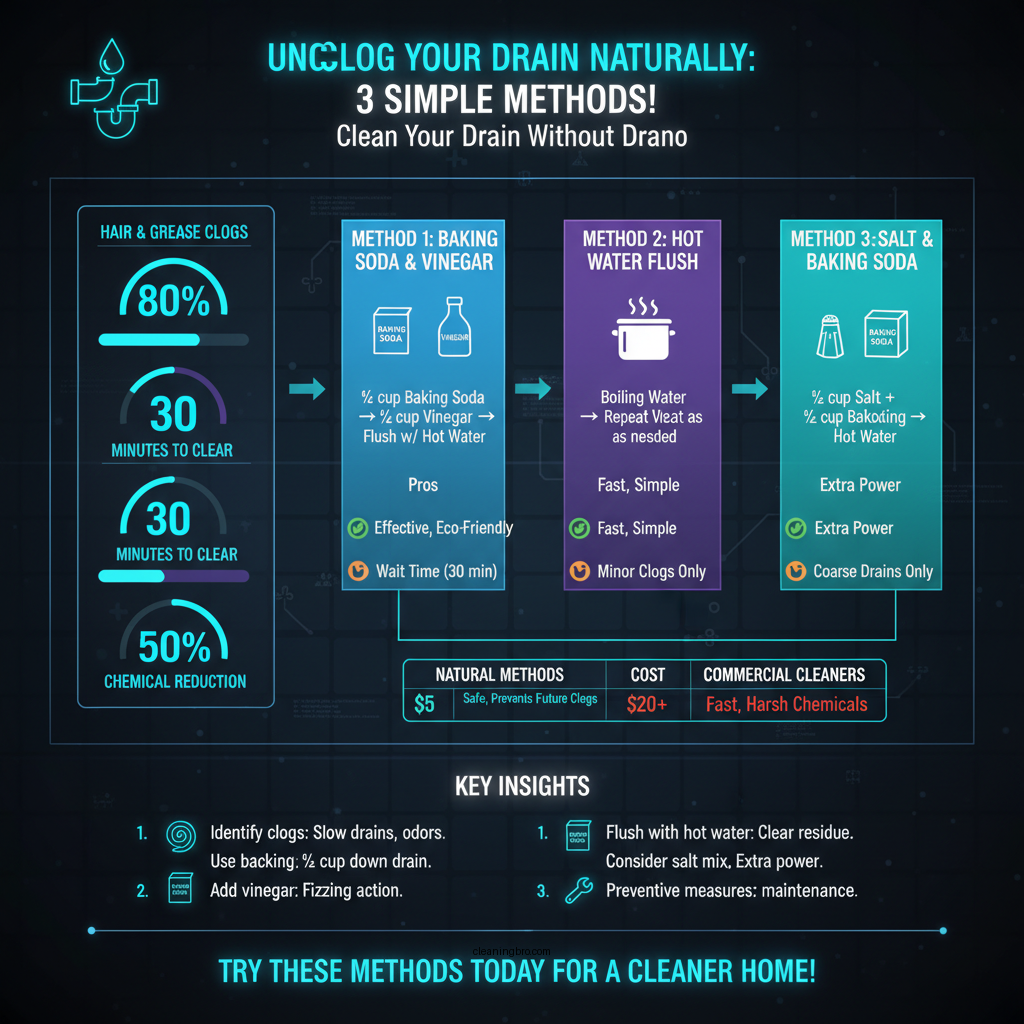
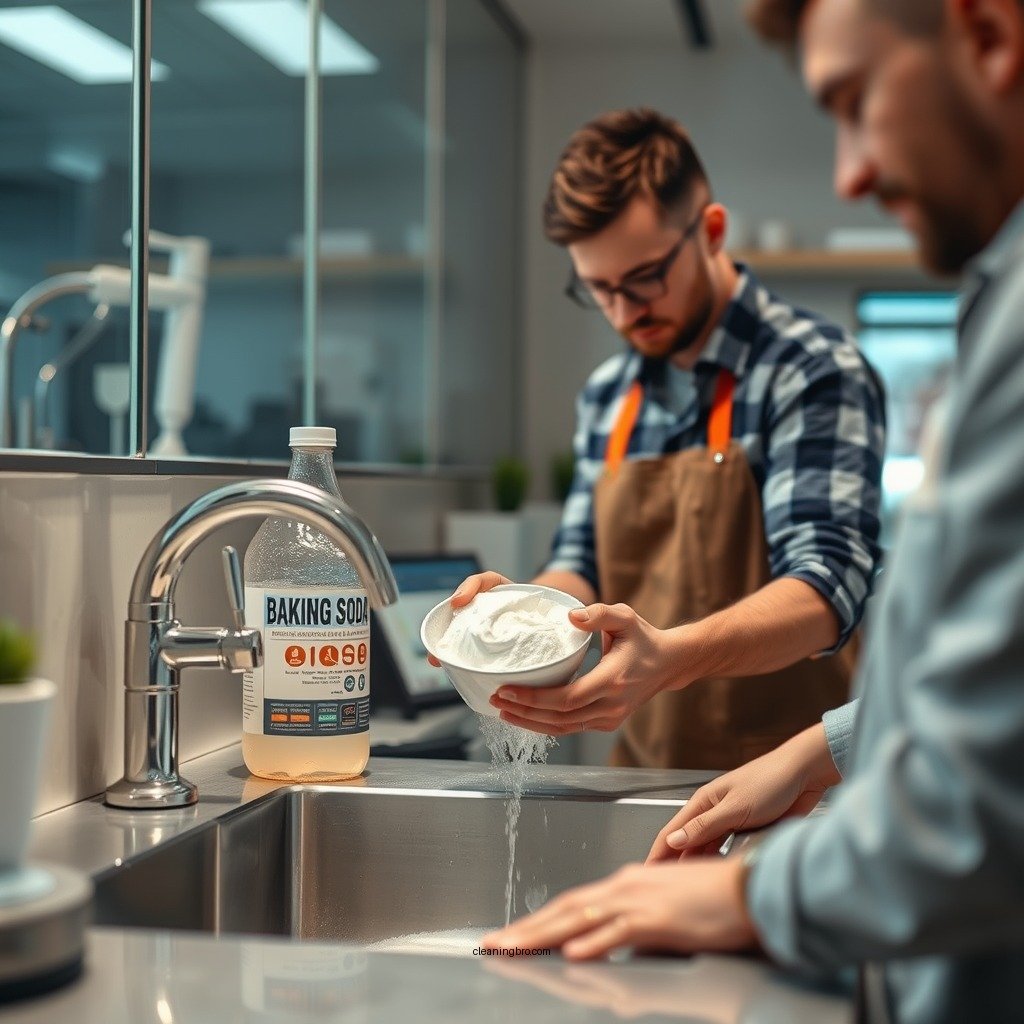
One of the most popular and effective natural methods for cleaning drains involves using a combination of baking soda and vinegar. This method utilizes a chemical reaction that helps break down debris and clear clogs.
To perform this method, start by pouring half a cup of baking soda down the drain. Follow this with half a cup of vinegar. You will notice fizzing and bubbling as the two ingredients react. This reaction helps dislodge buildup in the pipes. Allow the mixture to sit for about 30 minutes, then flush the drain with hot water. This process not only clears minor clogs but also helps to deodorize your drains.
Hot Water Flush
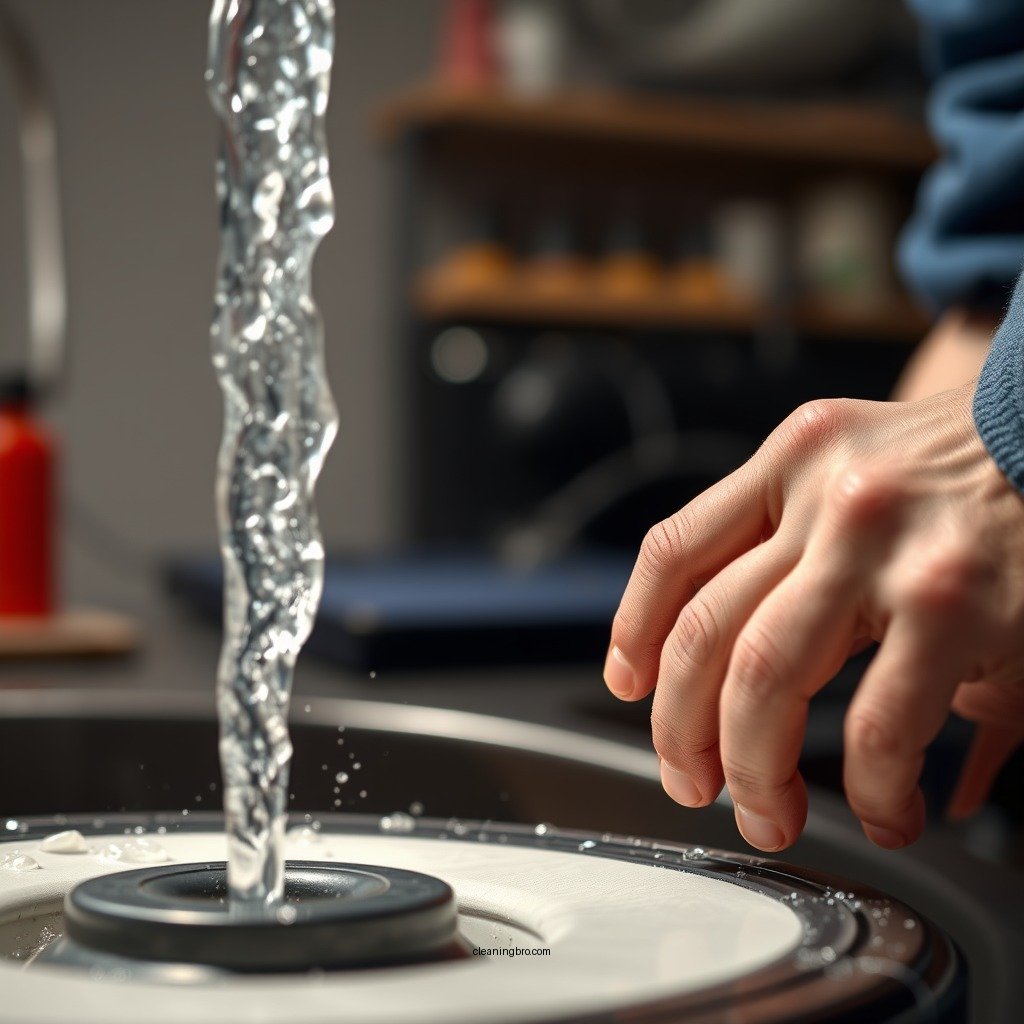
A simple yet effective technique is the hot water flush. Boil a pot of water and carefully pour it down the drain in stages. This method is particularly effective for melting grease and clearing minor clogs.
Start by pouring a small amount of boiling water down the drain, followed by a few seconds of waiting. Repeat this process several times. The heat from the water helps to dissolve grease and soap residue, allowing it to wash away more easily. This technique is best used as a preventive measure or in conjunction with other methods for more severe clogs.
Salt and Baking Soda Solution
Another effective method involves using salt and baking soda. Mix half a cup of salt with half a cup of baking soda and pour it down the drain. Allow this mixture to sit for several hours or overnight, as this will give it ample time to work on breaking down the clog.
After letting it sit, flush the drain with hot water. The abrasive nature of salt, combined with the chemical properties of baking soda, creates an effective cleaning solution that can tackle various types of clogs, particularly those caused by grease and organic material.
Plunging Technique
If you’re facing a stubborn clog, using a plunger may be your best bet. This method involves creating pressure to dislodge blockages manually.
To use a plunger effectively, ensure there’s enough water in the sink to cover the plunger’s cup. Place the plunger over the drain and pump it vigorously several times. The pressure created can help to dislodge the clog and restore proper drainage. This method works best for solid blockages and can often clear a clog in just a few minutes.
Plumbing Snake or Auger
For deeper clogs that cannot be resolved with home remedies, a plumbing snake or auger may be necessary. This specialized tool is designed to reach deep into pipes and break apart stubborn blockages.
To use a plumbing snake, insert the end into the drain and twist the handle. As the snake moves through the pipes, it will snag and break apart any debris that is causing the clog. This method is particularly effective for blockages caused by hair or other solid materials that are lodged deep within the drain.
Top 5 Natural Drain Cleaning Methods
| # | Method | Effectiveness | Time Required | Cost |
|---|---|---|---|---|
| 1 | Baking Soda & Vinegar | High | 30 mins | $1 |
| 2 | Hot Water Flush | Medium | 10 mins | $0.50 |
| 3 | Salt & Baking Soda | High | Overnight | $0.70 |
| 4 | Plunging Technique | Medium | 15 mins | $3 |
| 5 | Plumbing Snake | High | 30 mins | $10 |
Prevention Tips for Clear Drains
Preventing clogs before they start is essential for maintaining clear drains. Regular maintenance can go a long way in ensuring your plumbing system functions smoothly. One of the simplest preventive measures is to flush your drains with hot water weekly. This practice helps to dissolve any buildup before it becomes a significant issue.Additionally, be mindful of what you put down your sink. Avoid putting food scraps, grease, and other clog-prone materials down the drain. Instead, use a compost bin for food waste and dispose of grease in a sealed container. Installing drain screens can also help catch hair and debris, preventing them from entering your plumbing system.
Finally, consider scheduling regular plumbing inspections to catch any potential issues before they escalate. A professional plumber can identify weak spots in your plumbing that may require attention, ensuring your drains remain clear.
Maintaining a clean drain without resorting to Drano is achievable with these effective methods. By employing natural solutions and preventive practices, you can keep your drains clear and avoid harsh chemicals. Try these techniques today for a healthier plumbing system!
Frequently Asked Questions
What are some natural alternatives to Drano for cleaning drains?
Natural alternatives to Drano include baking soda and vinegar, which create a fizzing reaction that can help break down debris. Pour half a cup of baking soda down the drain followed by half a cup of vinegar, let it sit for 30 minutes, then flush with hot water. This method is eco-friendly and effective for minor clogs.
How can I unclog a sink drain without using chemicals?
To unclog a sink drain without chemicals, try using a plunger or a plumber’s snake first. If those tools are unavailable, you can also disassemble the trap under the sink to manually remove any blockages. This physical approach is safe and often resolves the issue without the need for harsh chemical cleaners.
Why should I avoid using chemical drain cleaners like Drano?
Avoiding chemical drain cleaners like Drano is advisable because they can cause damage to your plumbing over time and pose health risks due to their toxic ingredients. Additionally, these chemicals can sometimes worsen clogs by breaking down organic material, creating sludge that is harder to remove. Opting for natural cleaning methods is safer for both your plumbing and the environment.
What is the best way to prevent future clogs without using chemical cleaners?
The best way to prevent future clogs without using chemical cleaners is to practice regular maintenance, such as using a drain strainer to catch hair and food particles. Additionally, periodically flushing your drains with hot water or a baking soda and vinegar mixture can help keep them clear. These preventive measures can help you avoid serious clogs and the need for harsh chemical solutions.
Which household items can I use to clean my drains effectively?
Household items that can effectively clean drains include baking soda, vinegar, salt, and hot water. A combination of these – such as pouring baking soda followed by vinegar – can help dissolve buildup and odors. Using these common ingredients is not only cost-effective but also safer for your plumbing system compared to commercial drain cleaners.
References
- https://www.bbc.com/future/article/20210706-how-to-unclog-a-drain-naturally
https://www.bbc.com/future/article/20210706-how-to-unclog-a-drain-naturally - https://www.healthline.com/health/how-to-unclog-a-drain
https://www.healthline.com/health/how-to-unclog-a-drain - https://www.nytimes.com/2020/02/07/style/how-to-unclog-a-drain.html
https://www.nytimes.com/2020/02/07/style/how-to-unclog-a-drain.html - https://pubmed.ncbi.nlm.nih.gov/31550327/
https://pubmed.ncbi.nlm.nih.gov/31550327/ - https://www.sciencedirect.com/topics/earth-and-planetary-sciences/drain-cleaning
https://www.sciencedirect.com/topics/earth-and-planetary-sciences/drain-cleaning - https://www.mayoclinic.org/healthy-lifestyle/home-and-garden/in-depth/cleaning-your-home/art-20046537
https://www.mayoclinic.org/healthy-lifestyle/home-and-garden/in-depth/cleaning-your-home/art-20046537 - Google Scholar Google Scholar
https://scholar.google.com/scholar?q=how+to+clean+drain+without+drano - Google Scholar Google Scholar
https://scholar.google.com/scholar?q=drain+cleaning+natural+methods - how to clean drain without drano – Search results
https://en.wikipedia.org/wiki/Special:Search?search=how+to+clean+drain+without+drano - https://www.ncbi.nlm.nih.gov/search/research-articles/?term=how+to+clean+drain+without+drano
https://www.ncbi.nlm.nih.gov/search/research-articles/?term=how+to+clean+drain+without+drano