How to Clean a Green Pool: Step-by-Step Guide
Cleaning a green pool can seem daunting, but with the right approach, you can restore it to crystal-clear beauty. Start by testing the water chemistry, shocking the pool, and thoroughly cleaning the surfaces. In this guide, you’ll learn the essential steps to effectively clean a green pool and keep it inviting for swimming. Understanding the process and undertaking it step-by-step will not only enhance your pool’s appearance but also ensure a safe and enjoyable swimming experience for you and your family.
Test the Water Chemistry
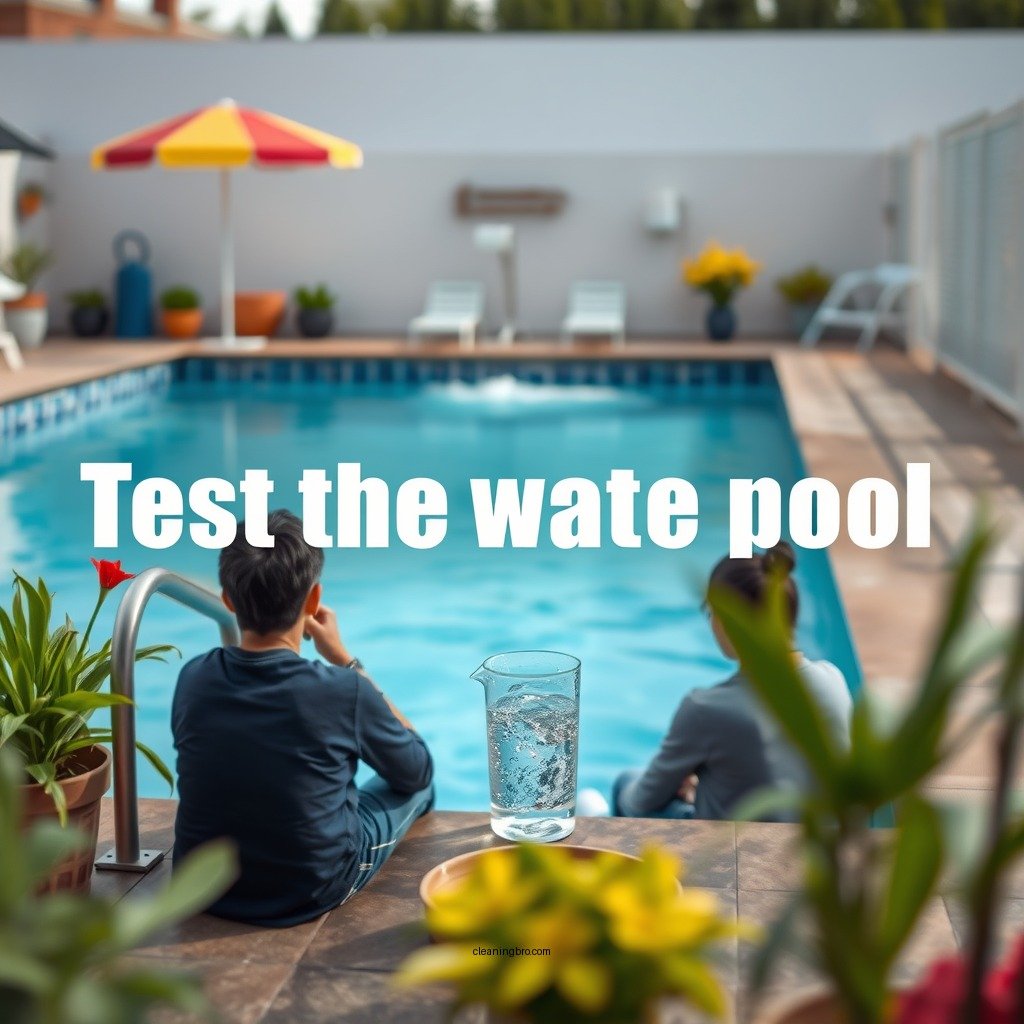
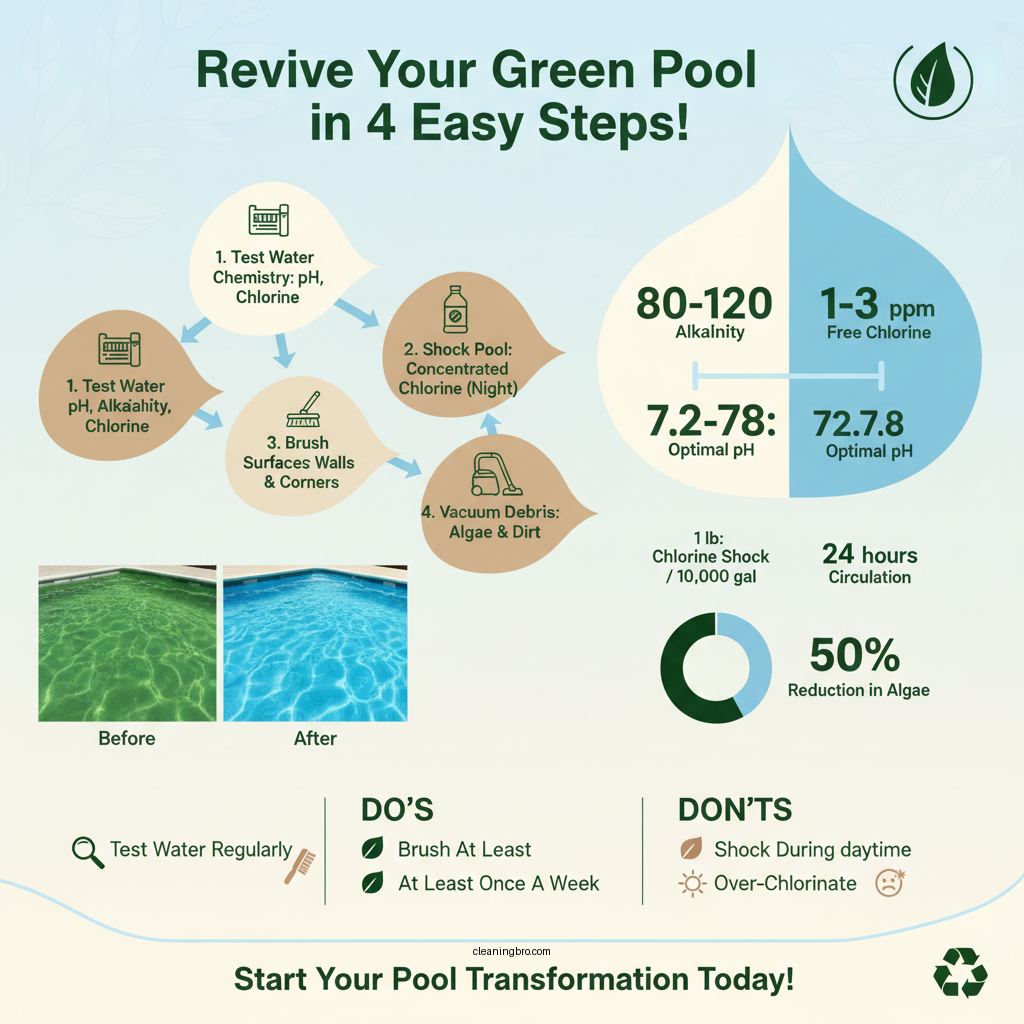
The first step in rejuvenating a green pool is to test the water chemistry. This essential task enables you to assess the current state of your pool and determine the necessary adjustments. Using a reliable pool test kit, measure the pH, alkalinity, and chlorine levels of your pool water.
– pH Levels: The ideal pH range for pool water is between 7.2 and 7.8. A pH level outside this range can hinder the effectiveness of chlorine and lead to further algae growth.
– Alkalinity: Total alkalinity should be maintained between 80 and 120 ppm (parts per million) to stabilize pH levels.
– Chlorine Levels: Free chlorine levels should ideally be between 1 and 3 ppm. Low levels can result in insufficient sanitation, while high levels can irritate skin and eyes.
Once you have your readings, adjust the chemical levels as needed. This might involve adding pH increaser or decreaser, alkalinity increaser, or chlorine. Taking these steps ensures that your pool is primed for shock treatment, which is the next crucial step.
Shock the Pool
Shocking the pool is an effective method for eliminating algae and bacteria that may be causing the green tint. This process involves adding a concentrated dose of chlorine to the water, which drastically raises the chlorine level temporarily.
– Chlorine Shock Treatment: Choose a high-quality chlorine shock product and calculate the dosage based on the size of your pool. Generally, you should add 1 pound of chlorine shock for every 10,000 gallons of water. However, it is essential to follow the manufacturer’s instructions for precise measurements.
– Timing: It’s best to shock the pool in the evening or at night. This prevents sunlight from breaking down the chlorine too quickly and allows for maximum effectiveness.
After shocking, allow the pool to circulate for at least 24 hours. This will help distribute the chlorine evenly throughout the water and begin killing off algae.
Brush and Vacuum the Pool
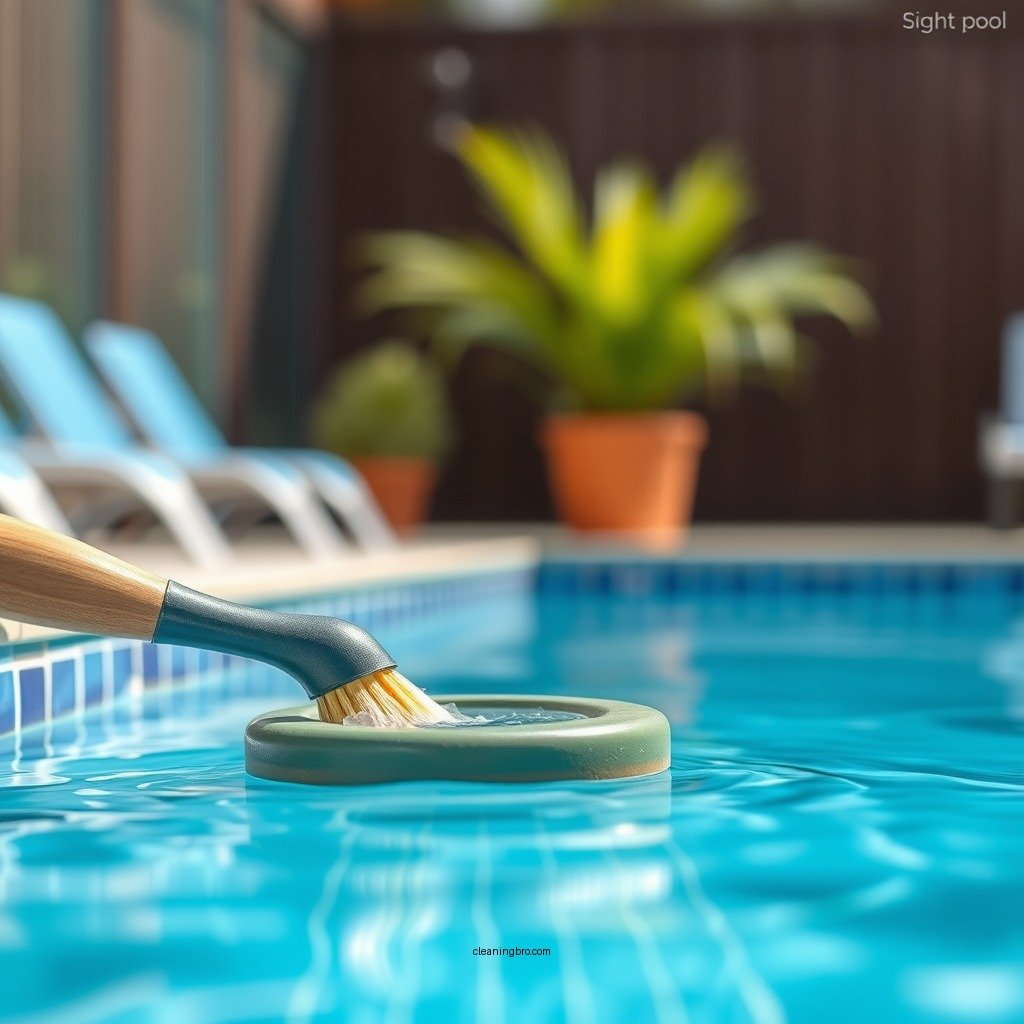
Once the pool has been shocked and allowed to circulate, it’s time to physically clean the surfaces. This step is critical as it dislodges algae and debris from the walls, steps, and bottom of the pool.
– Brushing: Use a pool brush with sturdy bristles to scrub the walls, steps, and corners of the pool. Pay special attention to areas where algae is most likely to thrive, such as shaded spots and corners. Brushing will help break apart stubborn algae clumps and allow the chemicals to work more effectively.
– Vacuuming: After brushing, vacuum the pool floor to remove the dislodged debris and dead algae. Depending on the type of pool and the severity of the algae bloom, you can use a manual vacuum or an automatic pool cleaner. Ensure you clean out the skimmer and pump baskets as well to avoid clogging.
Here’s a quick overview of common pool cleaning tools:
Common Pool Cleaning Tools
| # | Tool | Purpose | Recommended Use |
|---|---|---|---|
| 1 | Pool Brush | Scrubbing surfaces | Weekly |
| 2 | Pool Vacuum | Removing debris | After algae treatment |
| 3 | Skimmer Net | Surface cleaning | Daily |
| 4 | Pool Test Kit | Water chemistry testing | Weekly |
| 5 | Algae Brush | Deep algae removal | As needed |
| 6 | Leaf Blower | Removing debris from deck | Weekly |
| 7 | Automatic Cleaner | Automatic cleaning | Weekly |
Run the Filtration System
After brushing and vacuuming, it’s time to turn your attention to the filtration system. Running the filter continuously is crucial for maintaining water clarity and ensuring that the chemicals are properly circulated.
– Duration: Keep the filter running continuously for 24 to 48 hours after shocking the pool. This will help filter out any remaining algae and debris that may still be suspended in the water.
– Maintenance: Regularly check the filter for clogs. Cleaning or backwashing the filter as needed is essential to maintaining its efficiency. A clogged filter can lead to poor water circulation and prolong the cleaning process.
Efficient filtration is key to keeping your pool clear, so make sure to remain vigilant during this stage.
Add Algaecide
Once the pool is clear and the filtration system has been running effectively, it’s advisable to apply a quality algaecide. This will help prevent future algae growth and maintain the clarity of the water.
– Types of Algaecides: There are various types of algaecides available, including copper-based, quaternary ammonium compounds, and polymer-based solutions. Choose a product that is suitable for your pool type (chlorine or saltwater) and follow the manufacturer’s instructions for application.
– Regular Maintenance: Incorporate algaecide into your regular maintenance routine, especially during warmer months when algae growth is more likely. This proactive approach will save you time and effort in the long run.
Monitor Water Clarity and Chemistry
After completing the cleaning process, it’s important to closely monitor your water clarity and chemistry for the next few days. This will help ensure that the pool remains clean and safe for swimming.
– Regular Checks: Use your pool test kit to check pH, alkalinity, and chlorine levels every few days. Adjust chemicals as necessary to maintain balanced water conditions.
– Visual Inspection: Observe the water clarity and color. If the water begins to turn green again or appears cloudy, it may indicate that further treatment is required.
Regular monitoring can help you catch any issues early on, preventing a return to that dreaded green pool state.
Maintain Regular Cleaning Routine
The final step in keeping your pool crystal clear is to implement a regular cleaning routine. Consistency is key to preventing future algae blooms and maintaining a healthy swimming environment.
– Weekly Schedule: Establish a weekly cleaning schedule that includes brushing, vacuuming, and testing water chemistry. Regular maintenance will make it easier to keep algae at bay and ensure the pool remains inviting.
– Pool Cover: Consider using a pool cover during off-seasons or periods of inactivity. This can significantly reduce debris accumulation and minimize the chances of algae growth.
By following these steps regularly, you can enjoy a clean and sparkling pool year-round.
Keeping your pool clean and clear doesn’t have to be a hassle. By following these steps, you’ll quickly transform your green pool into a sparkling oasis. Regular maintenance is key to preventing future algae blooms. If you found this guide helpful, consider sharing it with fellow pool owners or contacting a local pool service for more personalized advice. Remember, a well-maintained pool is not only aesthetically pleasing but also essential for the health and safety of all who use it.
Frequently Asked Questions
What causes a pool to turn green?
A pool turns green primarily due to algae growth, which can occur when chlorine levels are low, the water is unbalanced, or the filtration system is inadequate. Factors like warm temperatures, sunlight, and debris can exacerbate the problem, making it crucial to regularly test and maintain your pool’s water chemistry.
How can I effectively clean a green pool?
To clean a green pool, start by shocking the water with a high dose of chlorine to kill algae, then brush the walls and floor to dislodge any remaining particles. After that, vacuum the pool and run the filter continuously for at least 24 hours to clear out the dead algae, and ensure to regularly check and balance the water chemistry afterward.
Why is it important to maintain proper water chemistry in my pool?
Maintaining proper water chemistry is essential to prevent algae growth and ensure a safe swimming environment. Balanced pH, alkalinity, and chlorine levels not only keep your pool clear and inviting but also prolong the life of your pool equipment and reduce costly repairs.
What is the best way to prevent my pool from turning green?
The best way to prevent your pool from turning green is to regularly test and balance the water chemistry, ensuring appropriate chlorine levels and pH balance. Additionally, maintaining a clean pool environment by skimming debris, cleaning filters, and running the pump regularly will greatly reduce the chances of algae growth.
Which chemicals are most effective for treating a green pool?
The most effective chemicals for treating a green pool include chlorine shock, algaecides, and clarifiers. Chlorine shock helps kill the algae, while algaecides provide additional protection against future growth, and clarifiers help clear the water by clumping tiny particles together for easier filtration.
References
- Swimming pool
https://en.wikipedia.org/wiki/Swimming_pool - https://www.cdc.gov/healthywater/swimming/pools/cleaning.html
https://www.cdc.gov/healthywater/swimming/pools/cleaning.html - https://www.epa.gov/pools
https://www.epa.gov/pools - https://www.nichd.nih.gov/health/topics/pools/conditioninfo/tips
https://www.nichd.nih.gov/health/topics/pools/conditioninfo/tips - https://www.sciencedirect.com/topics/earth-and-planetary-sciences/swimming-pool
https://www.sciencedirect.com/topics/earth-and-planetary-sciences/swimming-pool - https://www.bcc.gov.au/cleaning-green-pools
https://www.bcc.gov.au/cleaning-green-pools - https://www.mayoclinic.org/healthy-lifestyle/consumer-health/in-depth/pool-safety/art-20045267
https://www.mayoclinic.org/healthy-lifestyle/consumer-health/in-depth/pool-safety/art-20045267 - https://pubmed.ncbi.nlm.nih.gov/?term=cleaning+green+pool
https://pubmed.ncbi.nlm.nih.gov/?term=cleaning+green+pool - Google Scholar Google Scholar
https://scholar.google.com/scholar?q=how+to+clean+green+pool - Google Scholar Google Scholar
https://scholar.google.com/scholar?q=safe+swimming+pool+maintenance