How to Clean Mold Off Leather: A Step-by-Step Guide
Understanding Mold on Leather
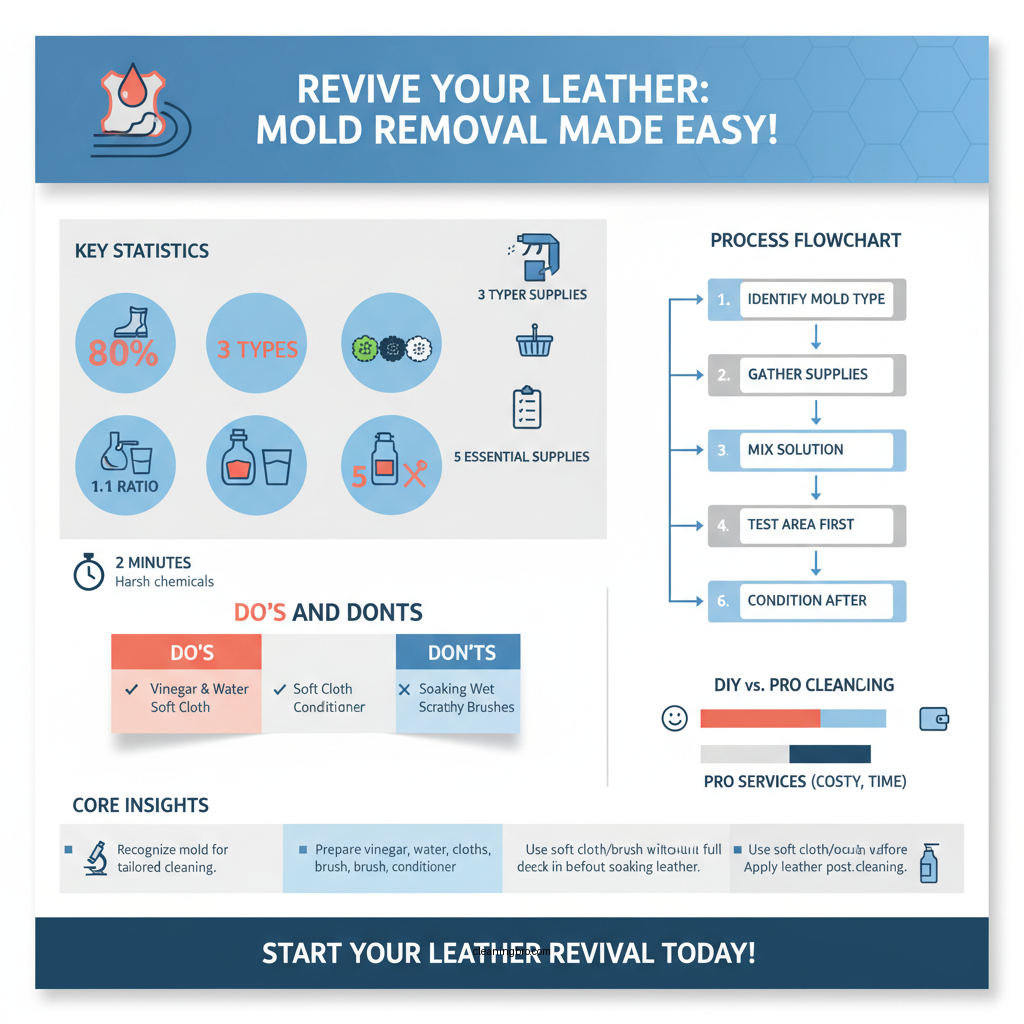
Mold is a type of fungus that thrives in damp and humid conditions, making leather items particularly vulnerable if stored improperly. Leather, being a natural material, can absorb moisture, which creates an ideal environment for mold growth. Common signs of mold on leather include dark spots, fuzzy patches, and a musty odor. Identifying the type of mold can help determine the best cleaning method and preventive measures. For instance, visible mold may be green, black, or white, each requiring slightly different treatment approaches. Understanding these factors is crucial for effective cleaning and long-term care.
Essential Supplies for Cleaning Mold
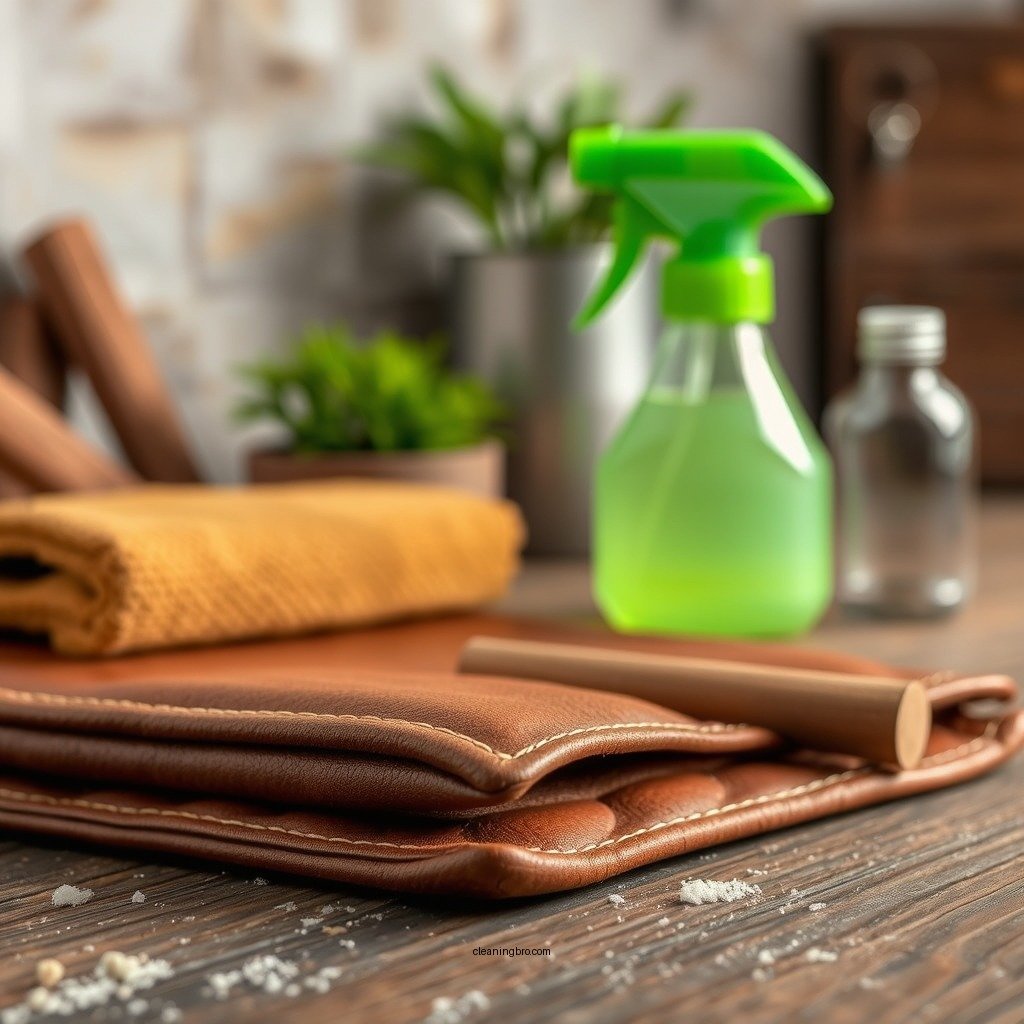
To effectively clean mold off leather, it is important to gather the right materials before starting the process. Essential supplies include:
– White Vinegar: A natural antifungal agent that can kill mold spores.
– Water: To dilute the vinegar for a gentle cleaning solution.
– Soft Cloths: Microfiber cloths are ideal for gentle scrubbing without scratching the leather.
– Soft-Bristle Brush: Useful for removing stubborn mold without damaging the leather fibers.
– Leather Conditioner: To restore moisture after cleaning, helping to maintain the leather’s integrity.
It’s crucial to avoid using harsh chemicals or abrasive tools that can damage the leather surface. Strong cleaners can strip away natural oils, leading to dryness and cracking over time.
Step-by-Step Cleaning Process
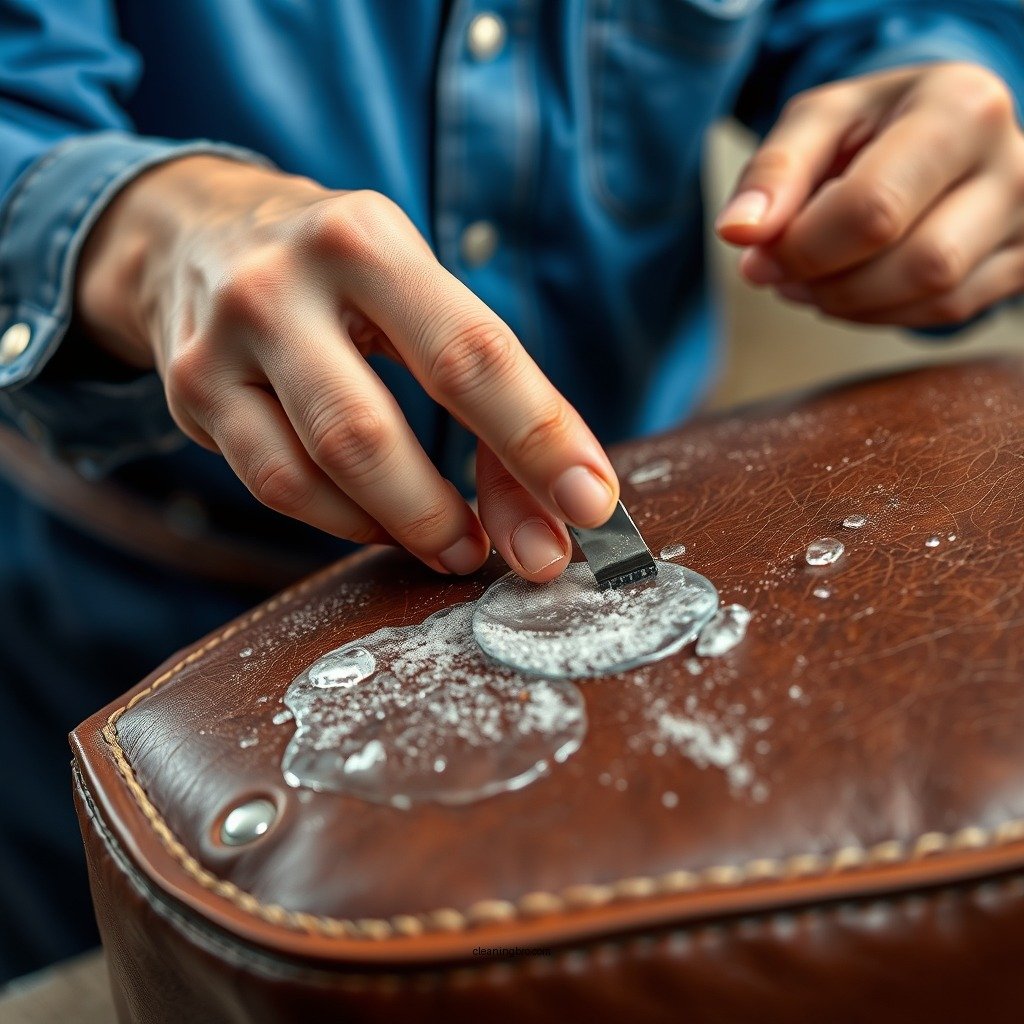
Follow these steps to effectively remove mold from leather:
1. Prepare the Cleaning Solution: Mix equal parts of white vinegar and water in a spray bottle. This solution acts as a gentle mold remover while also conditioning the leather.
2. Test a Small Area: Before applying the solution to the entire surface, test it on a small, inconspicuous area to ensure there is no discoloration or damage.
3. Apply the Solution: Lightly spray the affected areas with the vinegar solution. Be careful not to soak the leather, as excess moisture can exacerbate mold growth.
4. Gently Scrub: Using a soft cloth or a soft-bristle brush, gently scrub the affected areas. Work in circular motions to lift the mold while being cautious not to rub too hard, which could damage the leather.
5. Wipe Clean: After scrubbing, use a clean, damp cloth to wipe off any remaining solution and mold residues. This is essential to prevent any lingering vinegar smell and to ensure the leather is not left overly damp.
6. Dry Properly: Allow the leather to air dry in a well-ventilated area, away from direct sunlight or heat sources, which can cause the leather to crack.
Drying and Conditioning Leather
After cleaning, it is vital to dry the leather properly. Place your leather item in a cool, dry location where air can circulate freely. Avoid placing it near heaters or in direct sunlight, as this can lead to warping and cracking.
Once the leather is completely dry, apply a high-quality leather conditioner. This helps to restore moisture, maintain flexibility, and create a protective barrier against future mold growth. Conditioning not only revitalizes the leather’s appearance but also prolongs its lifespan by preventing it from becoming dry and brittle.
Preventing Future Mold Growth
To prevent the recurrence of mold on leather items, consider implementing the following best practices:
– Proper Storage: Store leather items in a cool, dry place with low humidity. Ideally, use breathable fabric covers instead of plastic, which can trap moisture.
– Dehumidifiers: Use silica gel packs or dehumidifiers in storage areas to absorb excess moisture. This is particularly important in areas prone to high humidity.
– Regular Cleaning: Periodically clean and condition leather items, even when they appear to be mold-free. This proactive approach helps to maintain the leather and reduce the likelihood of mold growth.
By taking these preventive measures, you can significantly reduce the risk of mold developing on your leather items in the future.
When to Seek Professional Help
If mold covers a large area or persists after your cleaning efforts, it may be time to consult a leather care professional. Professional cleaning services have specialized tools and products designed to handle severe mold infestations without damaging the leather.
Additionally, professionals can help restore the leather’s color and finish, ensuring that your items look as good as new. In some cases, attempting to clean extensively damaged leather on your own might lead to further deterioration, making professional intervention a wise choice.
Top 7 Mold Cleaning Methods for Leather (2024)
| # | Method | Effectiveness | Ease of Use | Cost |
|---|---|---|---|---|
| 1 | White Vinegar Solution | Highly Effective | Easy | Low |
| 2 | Baking Soda Paste | Moderately Effective | Moderate | Low |
| 3 | Commercial Leather Cleaner | Very Effective | Easy | Medium |
| 4 | Alcohol Wipes | Moderately Effective | Easy | High |
| 5 | Hydrogen Peroxide Solution | Effective | Moderate | Low |
| 6 | Steam Cleaning | Highly Effective | Difficult | High |
| 7 | Professional Cleaning | Extremely Effective | Easy | High |
DIY vs Professional Mold Cleaning for Leather
| Feature | ⭐ DIY Method | Professional Method | Effectiveness |
|---|---|---|---|
| Cost | Low | High | – |
| Time Required | Moderate | Low | – |
| Skill Level Required | Basic | Advanced | – |
| Effectiveness on Heavy Mold | Moderate | Very High | – |
| Convenience | High | Moderate | – |
| Risk of Damage | Low | Very Low | – |
| Long-Term Results | Variable | Consistent | – |
| Flexibility | High | Moderate | – |
| 🏆 Best For | Homeowners with minor mold | Severe mold infestations | Overall effectiveness |
Cleaning mold off leather is crucial for preserving its quality and extending its lifespan. By following the outlined steps and taking preventive actions, you can keep your leather items mold-free. Don’t hesitate to implement these methods today and ensure your leather stays in excellent condition!
Frequently Asked Questions
What are the best methods to clean mold off leather?
The best methods to clean mold off leather involve using a mixture of isopropyl alcohol and water, or a specialized leather cleaner. Start by gently brushing off any loose mold spores with a soft brush, then apply the cleaning solution using a soft cloth. Make sure to test any cleaner on an inconspicuous area first to avoid damaging the leather.
How do I prevent mold from growing on my leather items?
To prevent mold from growing on leather items, store them in a cool, dry place with good air circulation. Avoid exposing leather to humidity and moisture, and regularly clean and condition your leather products to maintain their integrity. Additionally, using silica gel packets in storage areas can help absorb excess moisture.
Why did mold grow on my leather jacket, and how can I remove it effectively?
Mold can grow on leather jackets due to exposure to moisture and humidity, particularly if they are stored improperly. To effectively remove the mold, start by brushing off any visible spores outdoors, then clean the affected areas with a solution of water and isopropyl alcohol. After cleaning, allow the jacket to dry completely in a well-ventilated area.
Which types of leather are most susceptible to mold growth?
Natural leathers, such as suede and untreated leather, are most susceptible to mold growth due to their porous nature. These materials can easily absorb moisture, creating an ideal environment for mold. To protect such leather types, ensure they are kept dry and use protective sprays designed for leather care.
What should I do if the mold has stained my leather permanently?
If the mold has stained your leather permanently, you can try using a leather conditioner or dye to restore its appearance after cleaning. For stubborn stains, professional leather cleaning services may be necessary to repair the damage effectively. Remember to always follow up with a protective treatment to prevent future mold growth.
References
- https://www.cdc.gov/mold/cleanupguidelines.html
https://www.cdc.gov/mold/cleanupguidelines.html - https://www.ncbi.nlm.nih.gov/pmc/articles/PMC6418319/
https://www.ncbi.nlm.nih.gov/pmc/articles/PMC6418319/ - https://www.mayoclinic.org/healthy-lifestyle/home-and-garden/in-depth/mold/art-20046682
https://www.mayoclinic.org/healthy-lifestyle/home-and-garden/in-depth/mold/art-20046682 - https://www.epa.gov/mold/mold-cleanup-and-remediation-parent-guide
https://www.epa.gov/mold/mold-cleanup-and-remediation-parent-guide - https://www.who.int/news-room/questions-and-answers/item/mould-and-health
https://www.who.int/news-room/questions-and-answers/item/mould-and-health - https://www.nature.com/articles/s41598-020-79487-y
https://www.nature.com/articles/s41598-020-79487-y - https://www.sciencedirect.com/topics/agricultural-and-biological-sciences/mold-cleaning
https://www.sciencedirect.com/topics/agricultural-and-biological-sciences/mold-cleaning - Google Scholar Google Scholar
https://scholar.google.com/scholar?q=cleaning+mold+off+leather - Google Scholar Google Scholar
https://scholar.google.com/scholar?q=leather+mold+removal+techniques - Google Scholar Google Scholar
https://scholar.google.com/scholar?q=mold+cleaning+methods+leather