
How to Clean Oil Out of Spark Plug Wells: A Step-by-Step Guide
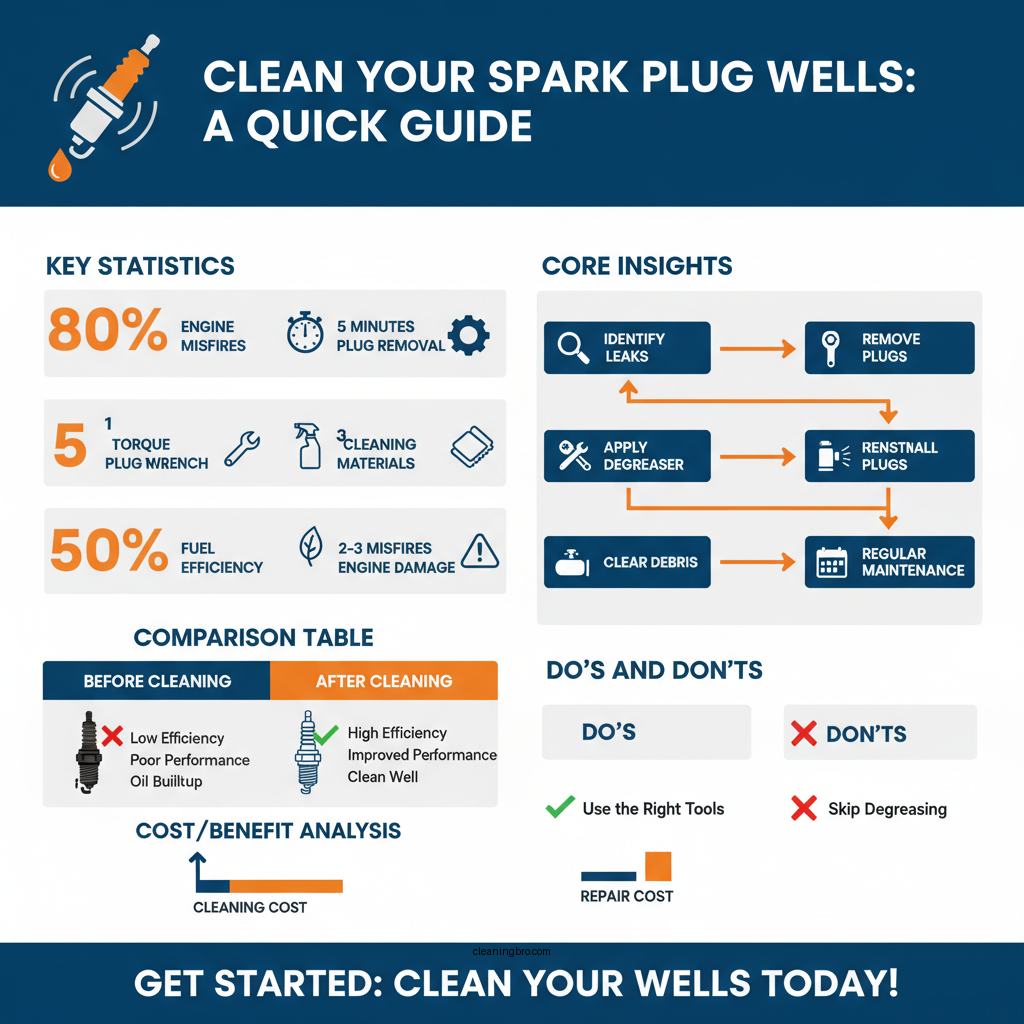
Cleaning oil out of spark plug wells is essential for optimal engine performance and preventing misfires. This task involves the careful removal of oil, thorough cleaning of the wells, and a check to ensure the spark plugs are functioning effectively. In this guide, you will discover efficient and safe methods to perform this maintenance task, prolonging the life of your engine and enhancing its efficiency.
Understanding the Causes of Oil in Spark Plug Wells

Oil can accumulate in spark plug wells due to several reasons, which can significantly impact engine performance. One primary cause is oil leaks from valve covers or gaskets. Over time, the seals that keep oil contained can wear out or become damaged, allowing oil to seep into areas where it shouldn’t be. This situation not only contaminates the spark plugs but can also lead to misfires, decreased fuel efficiency, and increased emissions.
Another contributing factor is poorly seated spark plugs. If spark plugs are not installed correctly, oil can bypass the seals and make its way into the wells. This issue can result from improper installation or the degradation of spark plug tube seals, which are designed to prevent oil entry. Understanding these causes is crucial for addressing the problem effectively and preventing future occurrences.
Tools and Materials Needed
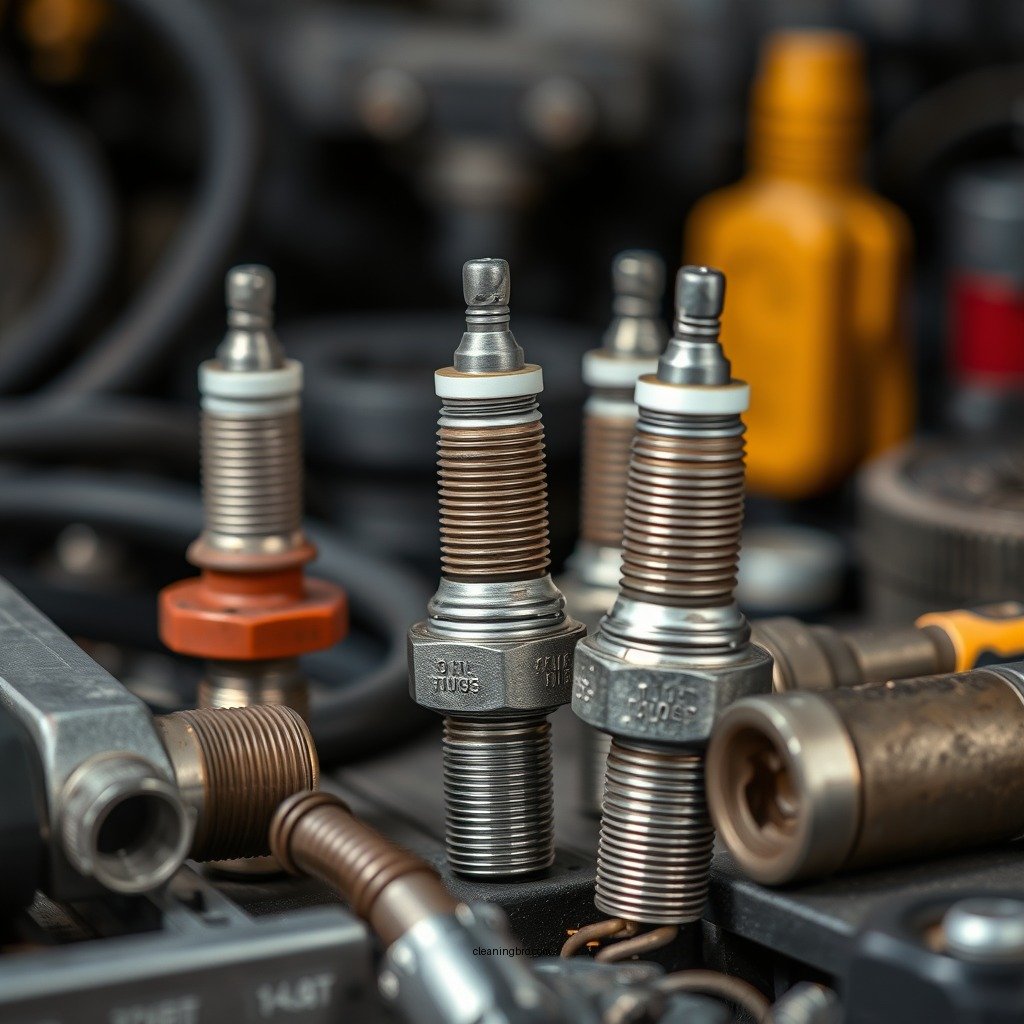
To clean oil out of spark plug wells, you will need a set of specific tools and materials to ensure the process is both efficient and safe. Here’s a list of essential items to gather before you begin:
– Ratchet Set: A ratchet and socket set is essential for removing spark plugs and other components that may obstruct access to the wells.
– Extension: An extension bar can help reach spark plugs that are deep within the engine bay, providing the necessary leverage to remove them easily.
– Torque Wrench: After cleaning, a torque wrench will be needed to reinstall the spark plugs to the manufacturer’s recommended specifications, ensuring they are properly seated.
– Cleaning Materials: Have shop towels or lint-free cloths on hand to wipe down surfaces. A degreaser or solvent is crucial for removing oil residues effectively.
– Compressed Air: This tool can be invaluable for blowing out debris and ensuring that the wells are fully cleaned before reassembly.
Step-by-Step Cleaning Process
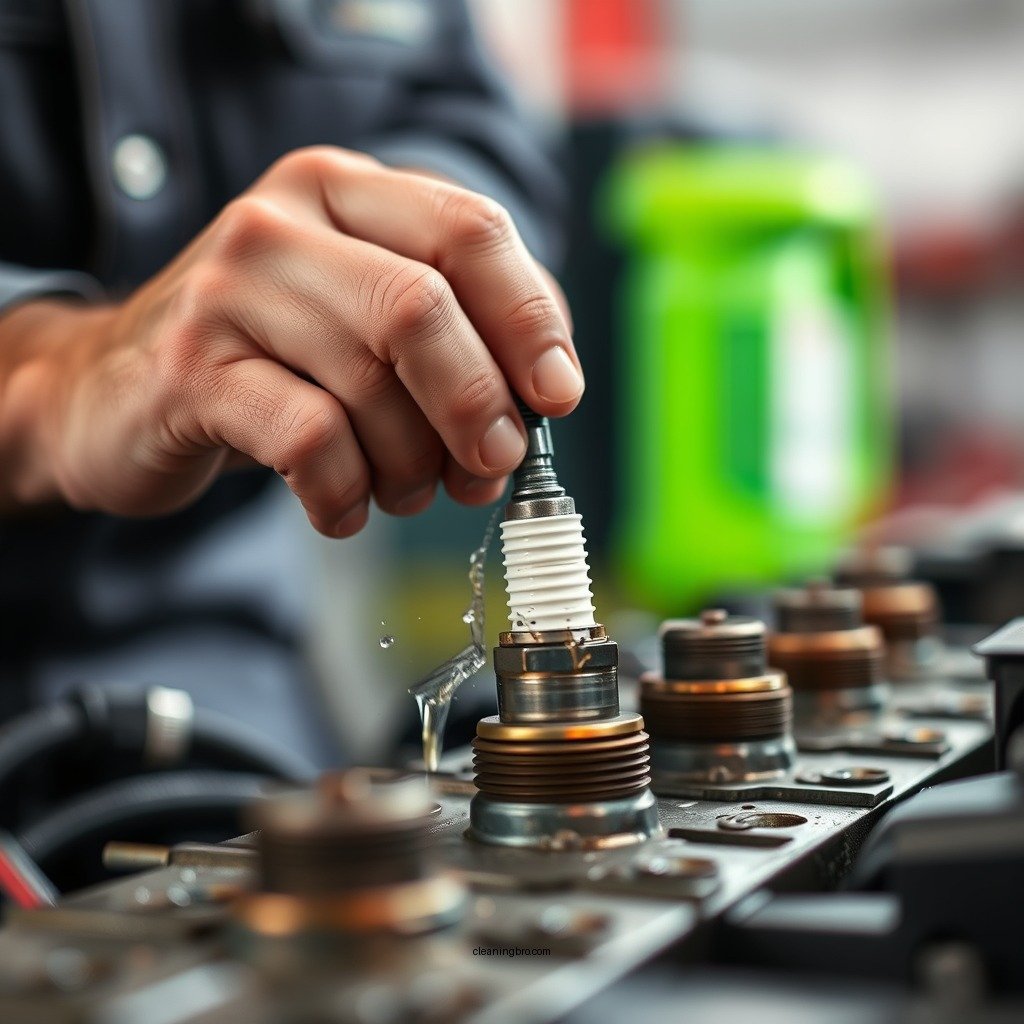
The process of cleaning oil out of spark plug wells can be broken down into a few clear steps:
1. Remove the Spark Plugs: Using the ratchet and extension, carefully remove the spark plugs from the engine. Set them aside in a clean area.
2. Degreasing the Wells: Spray a degreaser or solvent into the spark plug wells, allowing it to soak for a few minutes. This will help loosen any stubborn oil deposits.
3. Wipe Down the Wells: Use shop towels to wipe down the walls of the wells, removing as much oil and debris as possible. Be careful not to let any material fall into the engine.
4. Final Clean with Compressed Air: After manually cleaning, use compressed air to blow out any remaining particles or oil that may still be present in the wells.
5. Inspect for Damage: Before reinstallation, inspect the spark plugs and wells for any signs of wear or damage.
Techniques for Thorough Cleaning
To ensure thorough cleaning of the spark plug wells, consider implementing the following techniques:
1. Using Compressed Air: After wiping down the wells, use compressed air to blow out any remaining oil or debris effectively. This step is crucial, as any leftover contaminants can lead to future problems.
2. Vacuum Attachment: If available, a vacuum attachment can help remove any loose debris without risking damage to the internal components. This method is particularly useful for hard-to-reach areas.
3. Multiple Passes: Depending on the amount of oil and debris present, it may be necessary to repeat the degreasing and wiping process a couple of times to achieve a clean result.
4. Inspecting Tools: Ensure that the tools you use (especially the cloths) are clean to avoid reintroducing contaminants into the wells.
Common Causes of Oil in Spark Plug Wells
| # | Cause | Description | Preventive Measures |
|---|---|---|---|
| 1 | Worn Valve Cover Gasket | Oil leaks from the gasket | Regular inspection and replacement |
| 2 | Damaged Oil Seals | Oil seeps past seals | Replace seals as needed |
| 3 | Improperly Seated Spark Plugs | Oil can enter wells | Ensure proper installation |
| 4 | Cracked Spark Plug Tubes | Oil leaks into wells | Replace cracked tubes |
| 5 | High Engine Pressure | Causes oil to escape | Monitor engine pressure |
| 6 | Old Oil | Degraded oil can leak | Regular oil changes |
| 7 | Excessive Engine Heat | Can damage seals | Maintain proper cooling |
Inspecting Spark Plugs and Wells
Once the cleaning process is complete, it’s essential to inspect both the spark plugs and the wells for any signs of wear or damage.
1. Examine Spark Plugs: Look for oil stains, carbon buildup, or physical damage. If the spark plugs are excessively dirty or damaged, replacing them is advisable.
2. Check Spark Plug Tubes and Seals: Inspect the tubes for cracks or other signs of deterioration. Seals that are hard or brittle may need replacement to prevent future leaks.
3. Evaluate Well Conditions: Ensure that the wells are clean and free of any residual oil or debris that could affect spark plug performance.
Taking the time to conduct this thorough inspection can save you from potential misfires and engine complications down the road.
Reinstallation and Final Checks
After cleaning and inspecting, it’s time to reinstall the spark plugs:
1. Reinstall Spark Plugs: Carefully place the cleaned spark plugs back into their respective wells, ensuring they are seated correctly.
2. Torque to Specifications: Use a torque wrench to tighten the spark plugs to the manufacturer’s specified torque settings. This step is crucial for maintaining proper compression and preventing oil leaks.
3. Final Visual Check: Once the spark plugs are reinstalled, perform a final check for any signs of oil seepage or other issues.
4. Test Drive: If possible, take the vehicle for a short drive to ensure it runs smoothly and without misfires. Keep an eye on the engine performance and check for any unusual behaviors.
Summarizing the cleaning process is essential for maintaining your engine’s health. Regular inspections can prevent oil buildup in spark plug wells. Follow these steps to ensure your engine runs smoothly, and don’t hesitate to consult a professional if you’re unsure about any aspect of this process.
In conclusion, cleaning oil out of spark plug wells is a vital maintenance task that can significantly influence your vehicle’s performance. By understanding the causes of oil accumulation, using the right tools, and following a systematic cleaning process, you can keep your engine running efficiently. Remember to inspect the components regularly and address any potential issues promptly to avoid future complications.
Frequently Asked Questions
How can I effectively clean oil out of spark plug wells?
To clean oil out of spark plug wells, start by removing the spark plugs and using a vacuum or compressed air to eliminate loose debris. Next, apply a degreaser or engine cleaner to the affected areas, allowing it to sit for a few minutes before scrubbing gently with a brush. Finally, wipe the wells with a clean cloth to ensure all oil and cleaner residues are removed.
What are the common causes of oil in spark plug wells?
Oil in spark plug wells is typically caused by worn valve cover gaskets, faulty seals, or a malfunctioning PCV (positive crankcase ventilation) system. These issues allow oil to seep into the spark plug area, leading to misfires and engine performance problems. Regular inspection and maintenance can help prevent these leaks.
Why is it important to clean oil from spark plug wells?
Cleaning oil from spark plug wells is crucial because accumulated oil can lead to spark plug fouling, causing misfires, reduced fuel efficiency, and overall engine performance issues. Additionally, excess oil can create a fire hazard and damage ignition components. Maintaining clean spark plug wells ensures optimal engine function and longevity.
What tools do I need to clean oil out of spark plug wells?
To clean oil out of spark plug wells, you will need basic tools such as a socket wrench for spark plug removal, a vacuum or compressed air canister, a degreaser, a small brush or toothbrush, and clean rags or paper towels. Having these tools on hand will make the cleaning process more efficient and effective.
Which products are best for cleaning oil out of spark plug wells?
Some of the best products for cleaning oil out of spark plug wells include degreasers like Simple Green or Gunk Engine Degreaser, which are effective in breaking down oil residue. Additionally, using a specialized engine cleaner can help remove stubborn grime. Always ensure that the products you choose are safe for automotive use to avoid damaging engine components.
References
- Autotrader – page unavailable
https://www.autotrader.com/car-news/how-clean-oil-out-spark-plug-wells-265584 - Google Scholar Google Scholar
https://scholar.google.com/scholar?q=clean+oil+out+of+spark+plug+wells - Google Scholar Google Scholar
https://scholar.google.com/scholar?q=spark+plug+oil+removal - Google Scholar Google Scholar
https://scholar.google.com/scholar?q=spark+plug+maintenance+oil+leak - https://pubmed.ncbi.nlm.nih.gov
https://pubmed.ncbi.nlm.nih.gov - https://www.sciencedirect.com/topics/engineering/spark-plug
https://www.sciencedirect.com/topics/engineering/spark-plug - Google Scholar Google Scholar
https://scholar.google.com/scholar?q=how+to+clean+oil+out+of+spark+plug+wells - how to clean oil out of spark plug wells – Search results
https://en.wikipedia.org/wiki/Special:Search?search=how+to+clean+oil+out+of+spark+plug+wells - https://www.ncbi.nlm.nih.gov/search/research-articles/?term=how+to+clean+oil+out+of+spark+plug+wells
https://www.ncbi.nlm.nih.gov/search/research-articles/?term=how+to+clean+oil+out+of+spark+plug+wells