How to Clean a Septic Tank Without Pumping
Cleaning a septic tank without pumping is indeed possible through effective methods such as using natural enzymes and regular maintenance practices. By implementing these strategies, homeowners can significantly reduce the need for costly pumping services while ensuring their septic systems function efficiently. This article will guide you through practical steps to maintain your septic system, highlighting the importance of proactive care and natural solutions.
Understanding Your Septic System
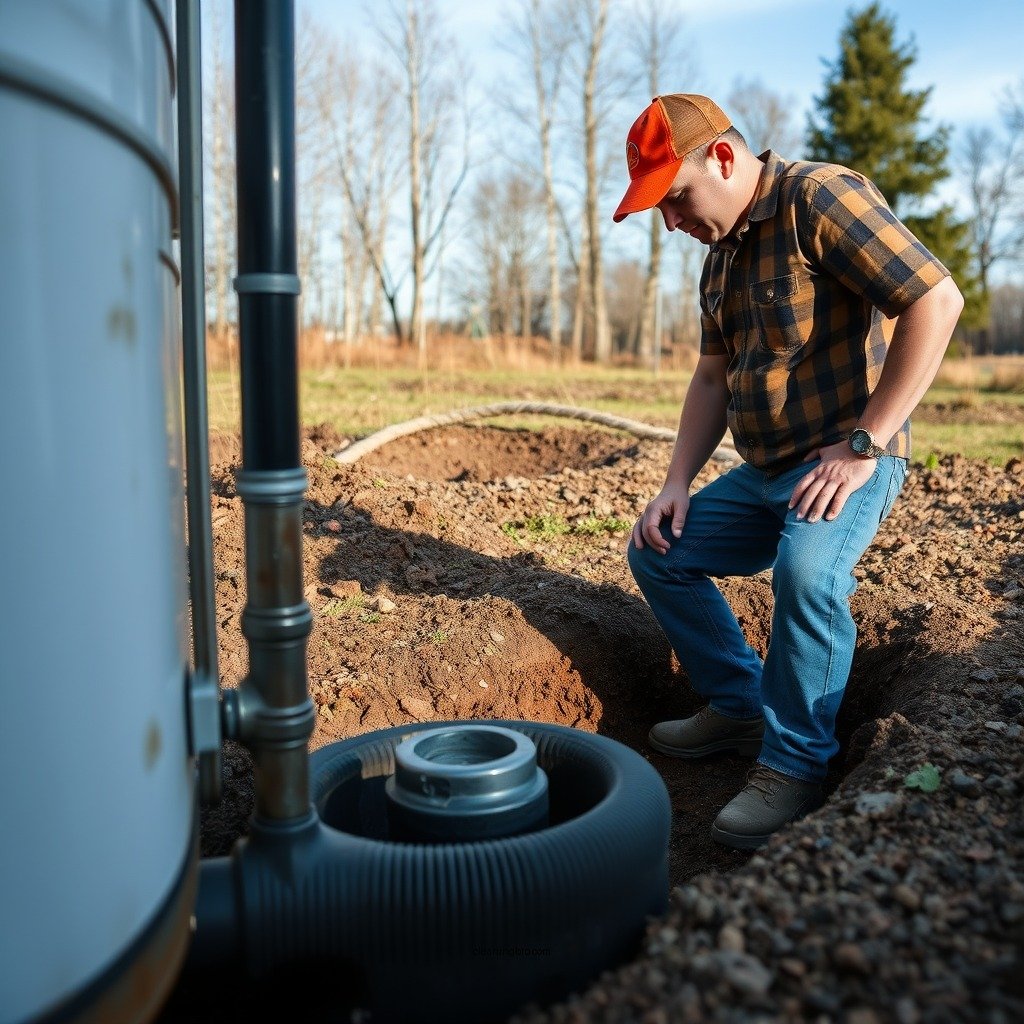
A septic system is a crucial component of wastewater management for homes not connected to a municipal sewer system. It typically consists of a septic tank, a drain field, and soil that work together to treat and dispose of household wastewater. The septic tank acts as a holding chamber where solid waste settles at the bottom, while liquid effluent flows out into the drain field for further treatment by the soil.
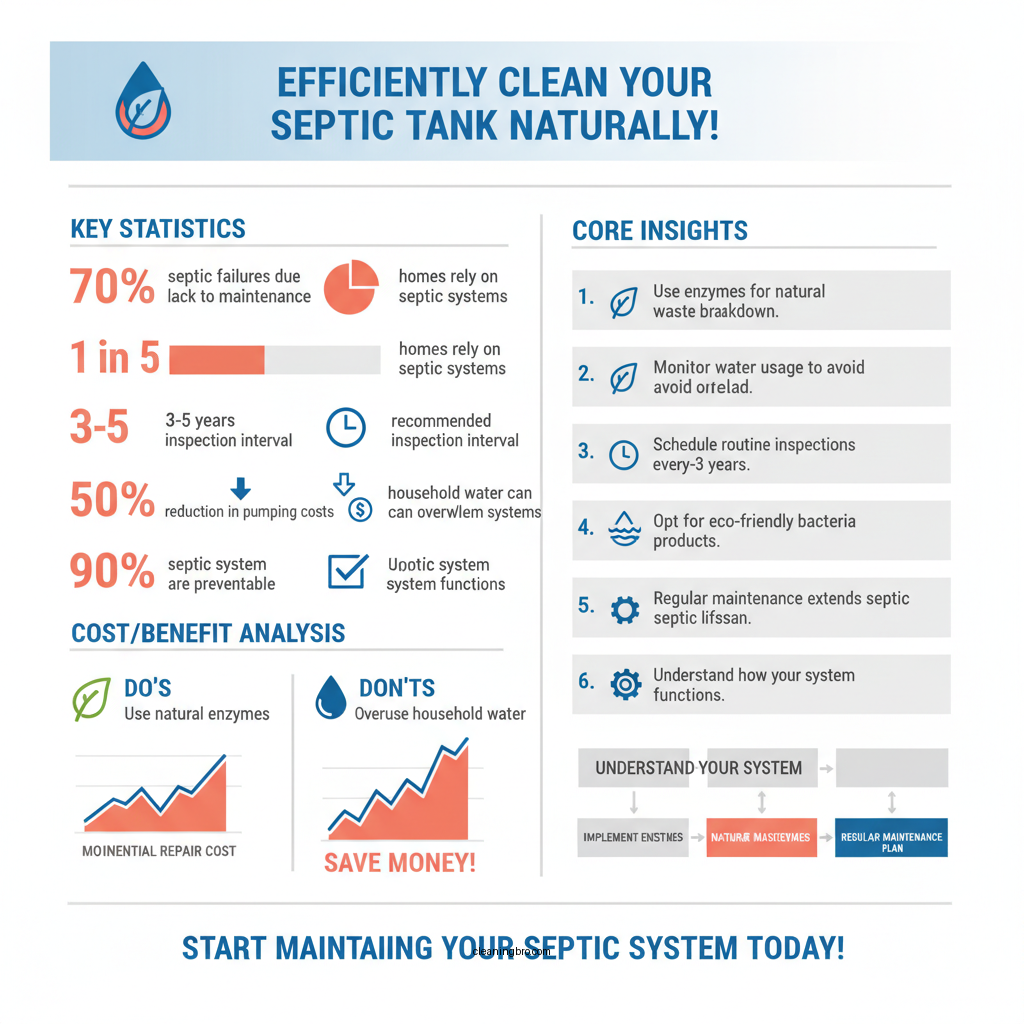
The importance of regular maintenance cannot be overstated. Without routine inspections and care, septic systems can develop blockages, leaks, or even complete failures, leading to costly repairs and potential health hazards. By understanding how your septic system works, you can adopt effective maintenance practices to extend its lifespan and functionality.
Using Enzymes and Bacteria
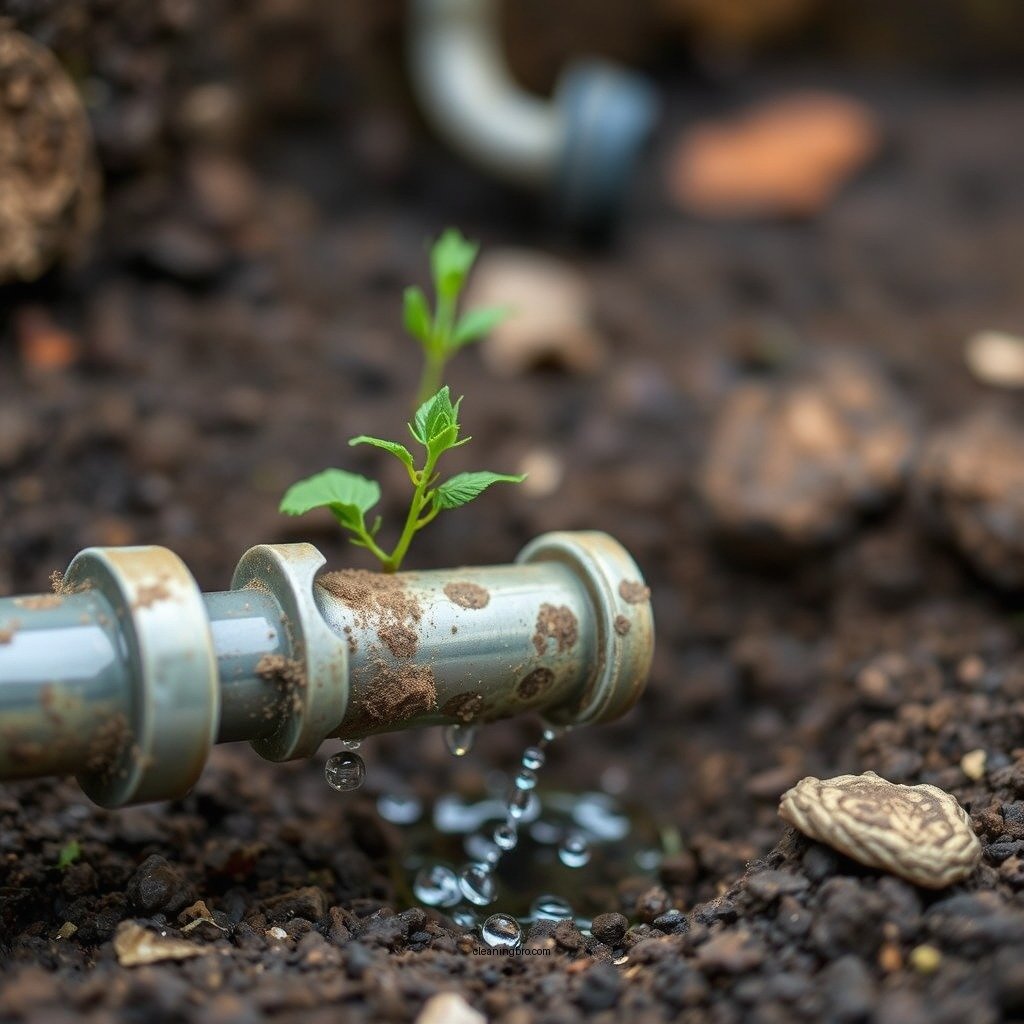
One of the most effective methods for cleaning a septic tank without pumping is to utilize natural enzymes and beneficial bacteria. These microorganisms play a vital role in breaking down organic matter and waste within the tank, thereby reducing the buildup of solids. When introduced into the septic system, they help maintain a balanced environment that promotes the natural decomposition of waste.
There are several recommended products available that contain live bacteria and enzymes designed specifically for septic systems. Look for those that are environmentally friendly and do not contain harsh chemicals. Regular use of these products can prevent the accumulation of sludge and scum, which often leads to the necessity for pumping.
Regular Maintenance Practices
To ensure your septic system operates efficiently, regular maintenance practices are essential. Monitoring your household water usage is a critical component of this maintenance. Excessive water usage can overwhelm the system, leading to backups and failures. Aim to spread out laundry and dishwashing loads over the week rather than doing them all at once.
Routine inspections are also vital. Schedule a professional septic system inspection every three to five years to ensure everything is functioning correctly. During these inspections, professionals can check for leaks, evaluate the tank’s condition, and assess the drain field’s performance. Keeping a maintenance log can help you track inspections and any issues that arise over time.
Top 5 Natural Enzymes for Septic Systems (2024)
| # | Product Name | Bacteria Count (per dose) | Duration (Months) | Price |
|---|---|---|---|---|
| 1 | Septic Helper | 10 billion | 6 | $30 |
| 2 | BioClean | 20 billion | 12 | $45 |
| 3 | Septic Tank Treatment | 15 billion | 3 | $25 |
| 4 | EcoFriendly Bacteria | 25 billion | 12 | $55 |
| 5 | Nature’s Way | 30 billion | 6 | $40 |
Natural Cleaning Solutions
Homeowners can also explore natural cleaning solutions to maintain their septic systems. Two of the most common household items, vinegar and baking soda, can be used effectively to keep your septic tank clean.
To create a natural cleaning solution, mix one cup of baking soda with one cup of vinegar. This combination produces a foaming reaction that can help break down minor clogs and build-up in the pipes. Pour this mixture into the toilet or sink and allow it to sit for at least 30 minutes before flushing or running hot water. This not only cleans the pipes but also prevents harsh chemicals from entering the septic system.
The use of natural products over harsh chemicals is particularly beneficial. Chemicals can disrupt the delicate balance of bacteria in your septic system, leading to less efficient waste breakdown and potentially causing long-term damage.
Signs Your Septic Tank Needs Attention
Recognizing the signs that your septic system requires attention is crucial to preventing costly repairs. Key indicators include slow drains, unpleasant odors around the septic tank or drain field, and pooling water in the yard. Additionally, if you notice lush patches of grass in certain areas of your yard, it may indicate a leaking septic tank.
Early detection of these warning signs can save homeowners from extensive damage and repair costs. If you suspect an issue, it is advisable to consult a professional who can conduct a thorough inspection and recommend necessary actions.
DIY Septic System Care Tips
Maintaining a healthy septic system is achievable through a few practical steps. First, ensure that your landscaping is designed to promote proper drainage away from the tank. Avoid planting large trees or shrubs near the septic system, as their roots can invade and damage the tank and pipes.
Second, be mindful of what you flush down your toilets and pour down your sinks. Items such as wipes, grease, and harsh chemicals can disrupt the bacterial balance and lead to clogs. Encourage all household members to follow proper septic etiquette to maintain system health.
Lastly, consider implementing a schedule for regular maintenance checks. This could involve checking the tank levels, inspecting for leaks, and ensuring that your drain field is functioning correctly. Staying proactive can prevent issues and extend the life of your septic system.
Best Practices for Septic System Maintenance
| Feature | ⭐ Regular Inspections | Enzyme Treatments | Natural Solutions |
|---|---|---|---|
| Frequency | Every 3-5 years | Monthly | As needed |
| Cost | $200-$500 | $30-$60 | $5-$20 |
| Effectiveness | ✅ High | ✅ Moderate | ✅ Low |
| Environmental Impact | ✅ Minimal | ✅ Moderate | ✅ Very Low |
| Ease of Use | ✅ Simple | ✅ Moderate | ❌ Requires care |
| Time Commitment | 1-2 hours | 30 minutes | As needed |
| Recommended for | System longevity | Maintenance | Emergency use |
| Overall Satisfaction | ★★★★☆ | ★★★☆☆ | ★★☆☆☆ |
| 🏆 Best For | Long-term maintenance | Cost-effective solutions | Quick fixes |
By following these methods, you can effectively clean and maintain your septic tank without the need for pumping. Regular care and the use of natural products will help extend the life of your septic system. Take action today by implementing these tips and ensure your system remains in good health.
Frequently Asked Questions
How can I clean my septic tank without pumping it?
You can clean your septic tank without pumping by using specialized septic tank additives that help break down solid waste and maintain bacteria levels. These products introduce beneficial bacteria and enzymes that digest waste, reducing the buildup of sludge over time. Regularly adding these additives can prolong the time between necessary pumpings.
What are the signs that my septic tank needs cleaning?
Signs that your septic tank may need cleaning include slow drains, foul odors around the tank or drain field, and water pooling in your yard. Additionally, if your toilets are flushing slowly or there’s a backup in your plumbing, these could indicate a full tank that requires attention. Monitoring these signs can help you decide when to perform maintenance.
Why is it important to maintain my septic tank without pumping?
Maintaining your septic tank without pumping helps avoid costly repairs and prolongs the life of your system. Regular maintenance ensures that beneficial bacteria thrive, which helps break down waste more effectively. This proactive approach can reduce the frequency of pumpouts and keep your system running smoothly.
What are the best natural methods to clean a septic tank?
The best natural methods to clean a septic tank include using biological treatments like composting bacteria or enzymes, which can help digest waste and reduce sludge buildup. Additionally, introducing organic materials, such as sugar or yeast, can enhance bacterial action. These natural methods are eco-friendly and reduce the need for chemical treatments.
Which household products should I avoid to protect my septic tank?
To protect your septic tank, avoid using harsh chemicals like bleach, antibacterial soaps, and non-biodegradable products. These substances can kill the beneficial bacteria needed for waste breakdown and disrupt the balance of your septic system. Opt for septic-safe household products to ensure your tank remains healthy and functional.
References
- https://www.epa.gov/septic/septic-systems-overview
https://www.epa.gov/septic/septic-systems-overview - https://www.nichd.nih.gov/health/topics/septic/conditioninfo/treatment
https://www.nichd.nih.gov/health/topics/septic/conditioninfo/treatment - https://www.who.int/water_sanitation_health/sanitation-wastewater/septic-tanks/en/
https://www.who.int/water_sanitation_health/sanitation-wastewater/septic-tanks/en/ - https://www.cdc.gov/healthywater/drinking/septic/index.html
https://www.cdc.gov/healthywater/drinking/septic/index.html - https://www.extension.purdue.edu/extmedia/ID/ID-410-W.pdf
https://www.extension.purdue.edu/extmedia/ID/ID-410-W.pdf - https://www.extension.umn.edu/environment/cleaning-septic-systems/
https://www.extension.umn.edu/environment/cleaning-septic-systems/ - https://www.sciencedirect.com/topics/agricultural-and-biological-sciences/septic-tank
https://www.sciencedirect.com/topics/agricultural-and-biological-sciences/septic-tank - Google Scholar Google Scholar
https://scholar.google.com/scholar?q=clean+septic+tank+without+pumping - Google Scholar Google Scholar
https://scholar.google.com/scholar?q=maintaining+septic+tank+health - Google Scholar Google Scholar
https://scholar.google.com/scholar?q=septic+tank+cleaning+methods