
How to Make Your Aquarium Water Clear: Essential Tips
Maintaining crystal clear water in your aquarium is crucial for the health of your fish and enhancing the visual appeal of your aquatic environment. The clarity of aquarium water can be achieved through proper filtration, regular maintenance, and a comprehensive understanding of your aquarium’s ecosystem balance. In this article, you will learn effective strategies to keep your aquarium water clear and vibrant.
Understanding Aquarium Water Clarity
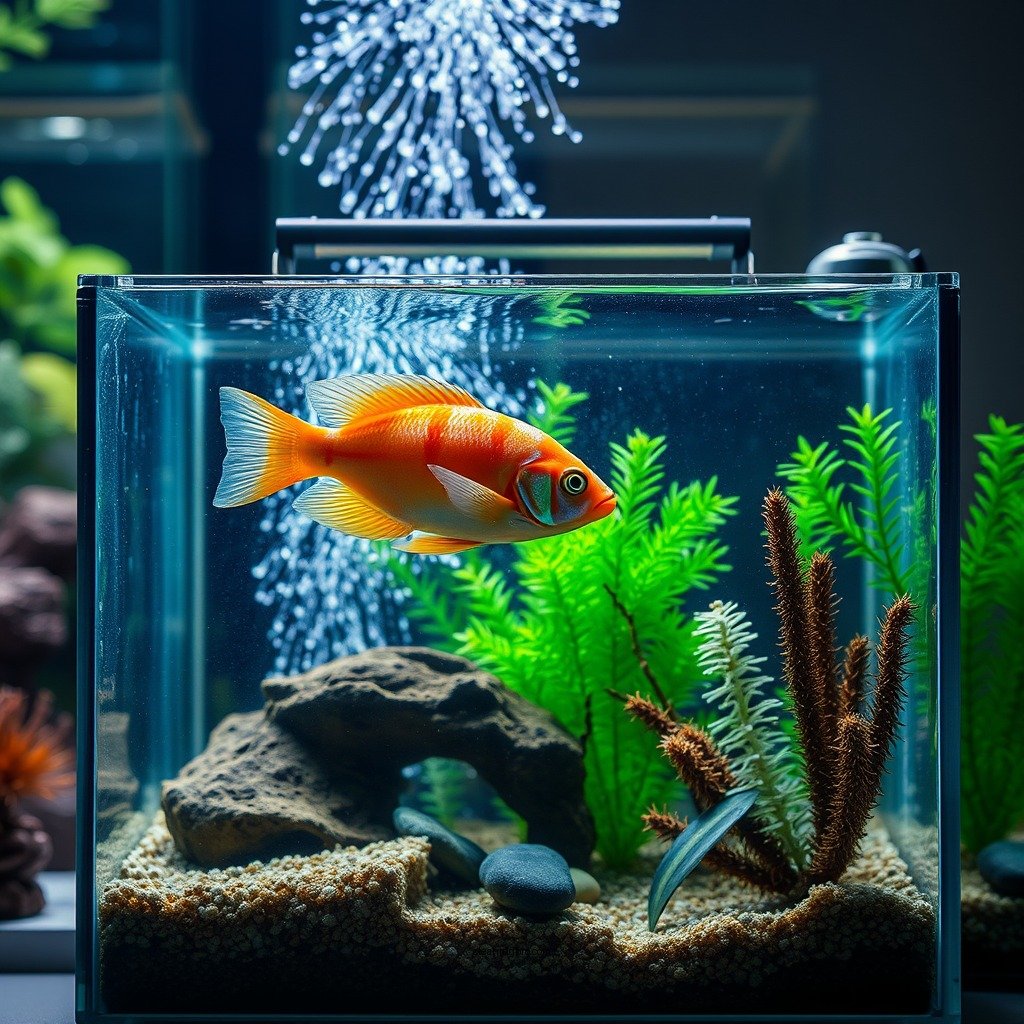
Clear water is vital for several reasons, primarily ensuring the health of aquatic life and promoting robust plant growth. Fish rely on clean water to thrive; murky conditions can lead to stress and illnesses among fish due to the presence of toxins and bacteria. Furthermore, clear water allows light to penetrate deeper, encouraging plant growth and photosynthesis, which is essential for creating a balanced ecosystem.
Common causes of murky or cloudy water include overfeeding, inadequate filtration, and the presence of harmful bacteria or algae blooms. These factors can disrupt the delicate balance within your aquarium, leading to unhealthy conditions for your fish and plants.
Choosing the Right Filtration System
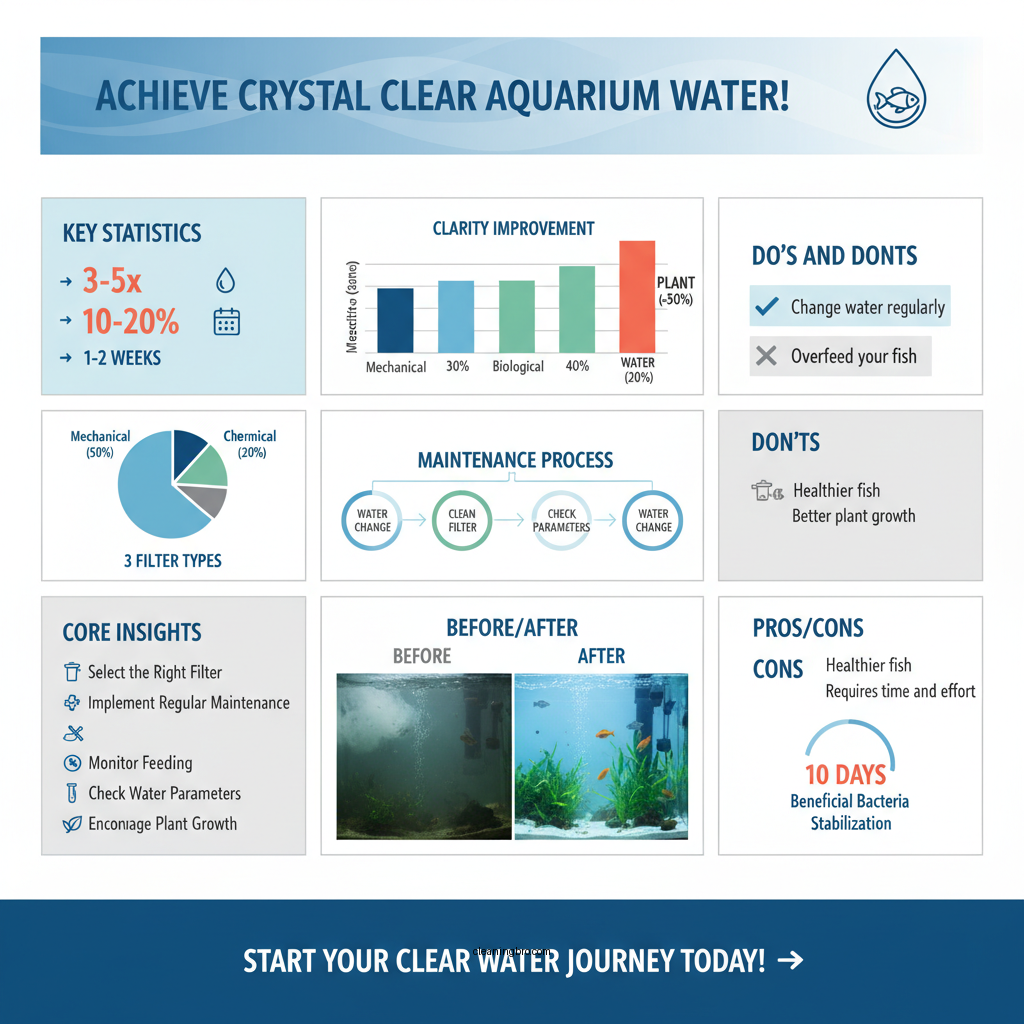
Selecting the appropriate filtration system is fundamental to maintaining clear water in your aquarium. There are three main types of filters:
1. Mechanical Filters: These filters physically remove debris and particulates from the water. They are essential for removing visible waste, uneaten food, and algae.
2. Biological Filters: These filters utilize beneficial bacteria to break down harmful ammonia and nitrites produced by fish waste. They play a crucial role in maintaining water quality and preventing toxic buildup.
3. Chemical Filters: These filters use activated carbon or other media to remove dissolved impurities, odors, and discoloration from the water.
When choosing a filter, consider your tank size and the specific needs of your fish species. A filter should have a flow rate that is appropriate for the volume of your aquarium; typically, the filter should be able to process the entire volume of water in the tank at least 3-5 times per hour.
Regular Maintenance Practices
Routine maintenance is essential for keeping your aquarium water clear. Regular water changes, typically 10-20% per week, help remove toxins, replenish essential minerals, and keep the water balanced. Additionally, establish a cleaning schedule for removing waste from the gravel, cleaning decorations, and maintaining equipment like filters and heaters.
To help you visualize the maintenance requirements, consider the following table outlining the ideal cleaning schedules for various components of your aquarium:
Cleaning Schedule for Aquarium Components
| Component | Cleaning Frequency | Notes |
|---|---|---|
| Gravel | Every 2 weeks | Use a siphon to remove waste |
| Decorations | Monthly | Clean with a soft brush |
| Filter | Every 4-6 weeks | Rinse with tank water |
| Tank Glass | Weekly | Use an algae scraper |
| Water Testing | Weekly | Check pH, ammonia, nitrites |
Managing Water Chemistry
Understanding and managing water chemistry is critical for maintaining clarity in your aquarium. Key parameters to monitor include pH, ammonia, nitrites, and nitrates. Regular testing helps you ensure that these levels remain stable and within safe ranges for your fish and plants.
For effective monitoring, invest in a reliable testing kit. These kits typically include tests for the above parameters and can provide immediate feedback on your water quality. Aim to keep ammonia and nitrite levels at 0 ppm and nitrates below 20 ppm for a healthy aquarium environment.
Introducing Beneficial Bacteria
Beneficial bacteria play a significant role in maintaining water clarity and overall aquarium health. These microorganisms help break down harmful waste products and toxins, converting them into less harmful substances.
To effectively seed your tank with beneficial bacteria, consider using commercially available bacterial supplements. These products can rapidly introduce the necessary bacteria into your aquarium, especially during the initial setup or following a major cleaning. Additionally, maintaining a well-cycled tank will help foster a thriving bacterial community.
Proper Feeding Habits
Overfeeding is one of the most common mistakes made by aquarium owners, leading to cloudy water due to uneaten food decomposing in the tank. To avoid this, establish a feeding routine that includes proper portion sizes based on the type and number of fish in your aquarium.
As a general guideline, feed your fish only what they can consume in 2-3 minutes, once or twice a day. This practice not only helps keep the water clear but also promotes healthier fish by preventing overnutrition.
Adding Natural Solutions
Incorporating live plants into your aquarium can significantly enhance water quality. Plants naturally absorb nutrients and help reduce nitrates, contributing to clearer water. Additionally, they provide hiding spots and breeding areas for fish, creating a more natural environment.Activated carbon is another natural clarifier that can aid in maintaining clear water. It adsorbs impurities and dissolved organic compounds, improving water clarity. Regular replacement of activated carbon every 4-6 weeks ensures optimal performance.
Top Filtration Systems for Clear Aquarium Water
| Feature | ⭐ Canister Filter | Hang-on-back Filter | Sponge Filter |
|---|---|---|---|
| Flow Rate | High | Medium | Low |
| Filtration Type | Mechanical, Biological, Chemical | Mechanical, Biological | Biological |
| Setup Complexity | Moderate | Easy | Easy |
| Maintenance Frequency | Every 4-6 weeks | Every 2-4 weeks | Every 6-8 weeks |
| Cost | $$$ | $$ | $ |
| Noise Level | Low | Medium | Low |
| Versatility | High | Medium | Low |
| Effectiveness | Excellent | Good | Fair |
| Suitable for Large Tanks | ✅ | ❌ | ❌ |
| Best For | Large tanks and diverse setups | Beginner aquarists | Small tanks |
Keeping your aquarium water clear requires a combination of good practices and regular monitoring. By implementing effective filtration, maintaining a consistent cleaning schedule, and managing water chemistry, you can ensure that your aquarium remains a beautiful, thriving environment for your aquatic friends. Start applying these tips today for a clearer, healthier aquarium!
Frequently Asked Questions
How can I remove cloudiness from my aquarium water?
To remove cloudiness from your aquarium water, start by performing a partial water change of about 25%. Use a high-quality water conditioner to eliminate chlorine and chloramine. Additionally, check your filtration system; replacing or cleaning the filter media can significantly improve water clarity.
What causes aquarium water to become cloudy?
Aquarium water can become cloudy due to overfeeding, excess waste, or an imbalance of beneficial bacteria. In some cases, a new tank may experience a bacterial bloom, leading to temporary cloudiness. Regular maintenance, including cleaning the substrate and checking water parameters, can help prevent this issue.
Why is my aquarium water still cloudy after a water change?
If your aquarium water remains cloudy after a water change, it could be due to insufficient filtration or an ongoing bacterial bloom. Ensure your filter is functioning properly and consider adding a clarifying agent to help clear the water. Additionally, monitor feeding habits and avoid overfeeding to reduce waste buildup.
What is the best filter for keeping aquarium water clear?
The best filter for maintaining clear aquarium water is one that provides mechanical, chemical, and biological filtration. Canister filters and hang-on-back (HOB) filters are popular choices due to their efficiency and customizable media options. Choose a filter rated for your tank size to ensure optimal water circulation and clarity.
Which products can help clear up cloudy aquarium water?
To clear up cloudy aquarium water, consider using products such as activated carbon, water clarifiers, or flocculating agents that bind particles together for easier removal by the filter. Additionally, beneficial bacteria supplements can help establish a balanced ecosystem, contributing to clearer water over time. Always follow the manufacturer’s instructions for best results.
References
- Aquarium
https://en.wikipedia.org/wiki/Aquarium - https://www.ncbi.nlm.nih.gov/books/NBK200000/
https://www.ncbi.nlm.nih.gov/books/NBK200000/ - https://www.sciencedirect.com/science/article/pii/S0169534717300636
https://www.sciencedirect.com/science/article/pii/S0169534717300636 - https://www.mayoclinic.org/healthy-lifestyle/adult-health/in-depth/water-quality/art-20046464
https://www.mayoclinic.org/healthy-lifestyle/adult-health/in-depth/water-quality/art-20046464 - Aquarium | Setup, Fish & Supplies | Britannica
https://www.britannica.com/science/aquarium - https://www.nature.com/articles/s41598-020-58284-4
https://www.nature.com/articles/s41598-020-58284-4 - Google Scholar Google Scholar
https://scholar.google.com/scholar?q=how+to+make+aquarium+water+clear - Google Scholar Google Scholar
https://scholar.google.com/scholar?q=clearing+cloudy+aquarium+water - Google Scholar Google Scholar
https://scholar.google.com/scholar?q=improving+water+clarity+in+aquariums - Google Scholar Google Scholar
https://scholar.google.com/scholar?q=how+do+i+make+my+aquarium+water+clear