How to Clean a Sisal Rug: A Step-by-Step Guide
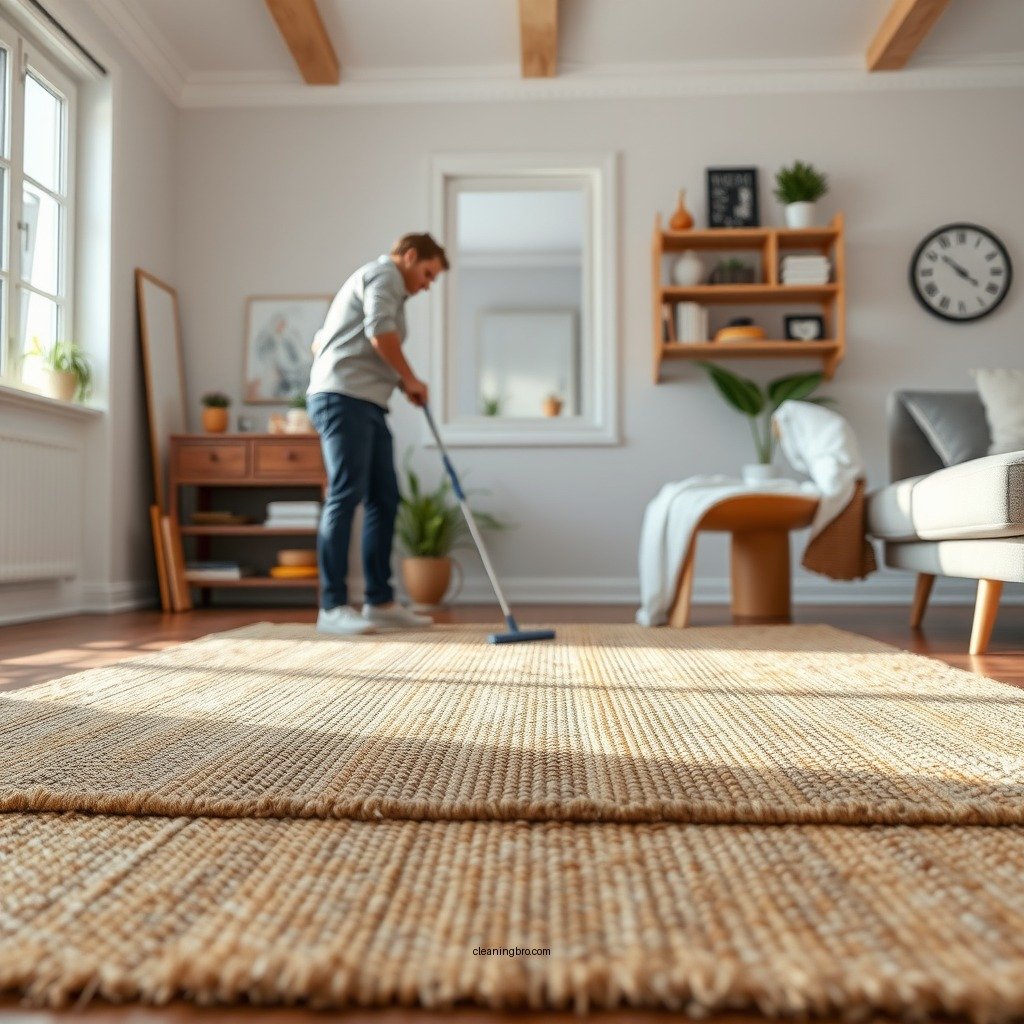
Cleaning a sisal rug effectively requires specific techniques that preserve its natural fibers and enhance its durability. To maintain the beauty and longevity of your sisal rug, you should prioritize regular vacuuming, prompt spot cleaning of stains with mild solutions, and avoid excessive moisture during cleaning. This guide outlines the best practices to keep your sisal rug looking fresh and clean.
Understanding Sisal Rugs

Sisal rugs are crafted from the agave plant’s fibers, offering durability and an eco-friendly alternative to synthetic materials. Known for their strength, these rugs are often used in high-traffic areas such as living rooms, dining rooms, and hallways. However, their natural fibers require special care to prevent damage from water and harsh cleaning chemicals. The unique texture of sisal rugs adds warmth and style to any space, making them a popular choice among homeowners. Understanding the characteristics of sisal rugs is essential for proper maintenance, ensuring they remain a beautiful and functional part of your home decor.
Regular Maintenance
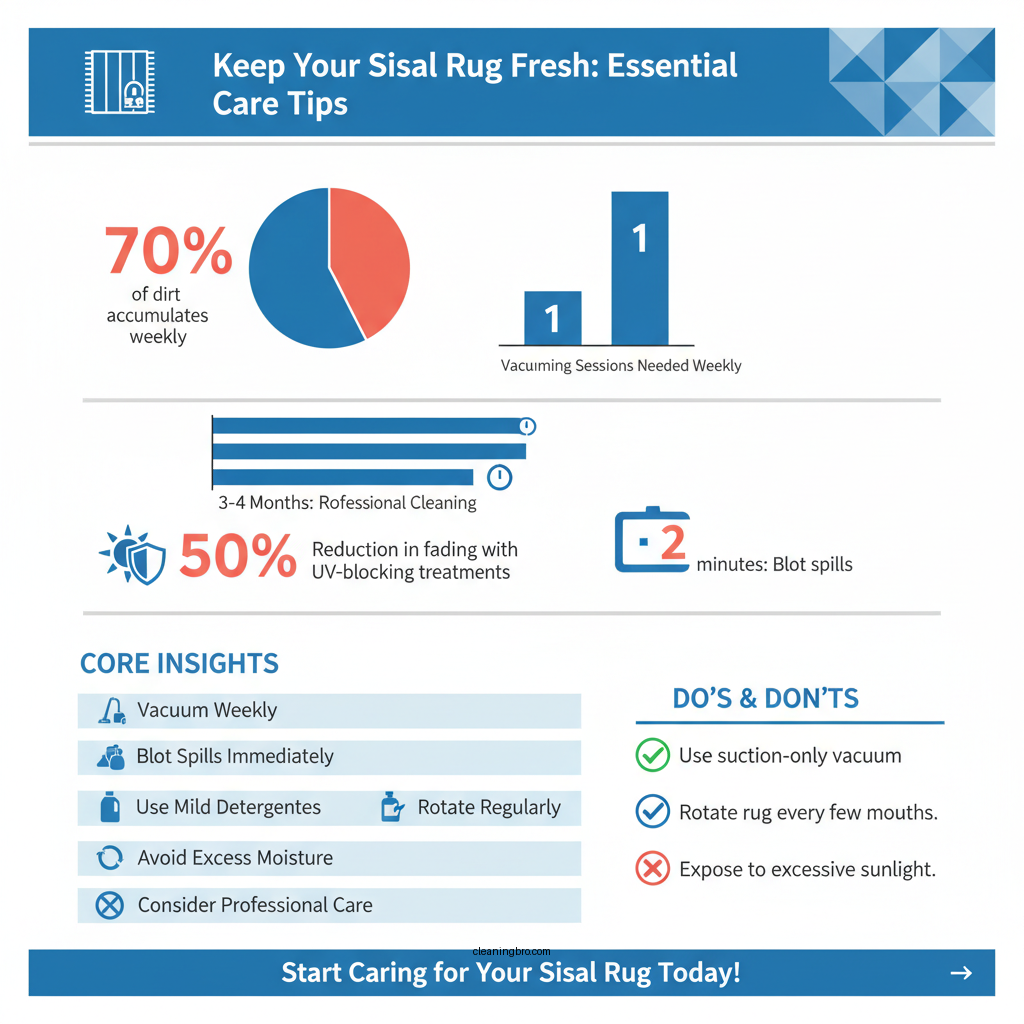
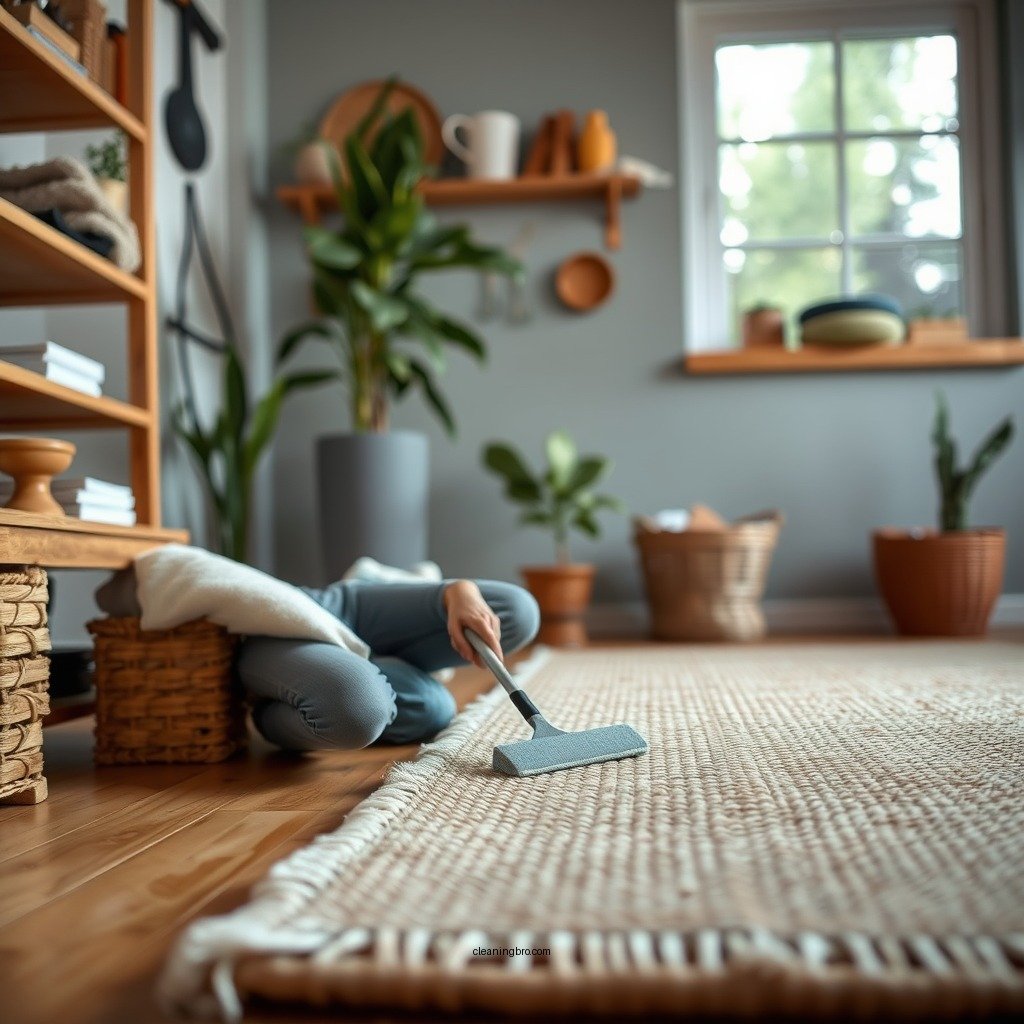
To keep your sisal rug in optimal condition, regular maintenance is crucial. Vacuuming should be performed at least once a week to remove dirt, dust, and debris that can accumulate in the fibers. When vacuuming, it’s important to use a vacuum cleaner without a beater bar, as this can cause fraying and damage the delicate fibers. Instead, opt for a vacuum with a suction-only setting or a handheld vacuum designed for natural fibers.
Additionally, rotating the rug every few months can help distribute wear evenly, preventing uneven fading and increasing its lifespan. If your sisal rug is exposed to direct sunlight, consider using UV-blocking window treatments to minimize color fading over time.
Spot Cleaning Techniques
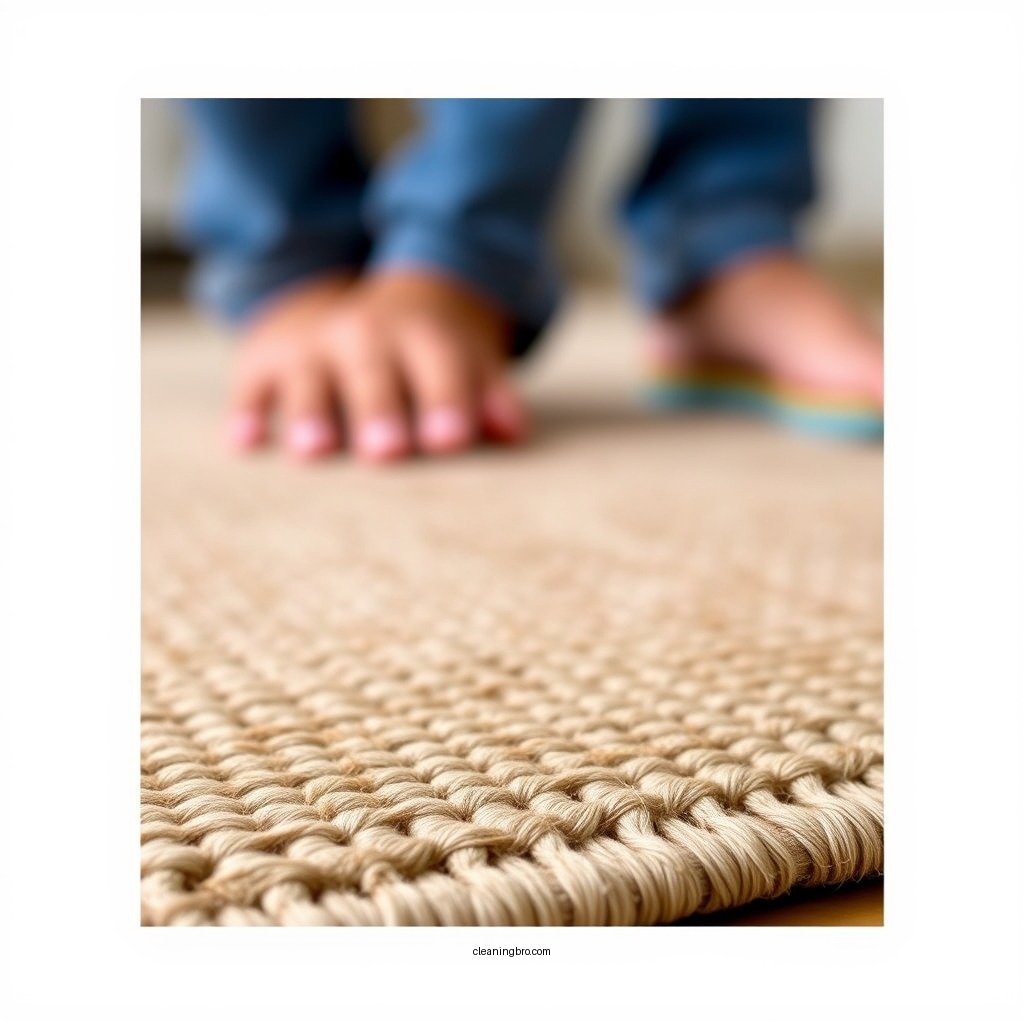
Accidents happen, and when they do, it’s vital to act quickly. Blotting spills immediately with a clean, dry cloth can prevent stains from setting into the fibers. Avoid rubbing, as this can cause the stain to spread and further embed itself in the rug. Instead, gently press the cloth against the stain to absorb the liquid.
For spot cleaning, a mild detergent mixed with water can be effective. Use a sponge or soft cloth to apply the solution to the stained area, ensuring not to soak the rug. After applying the detergent, blot with a clean, damp cloth to remove any residue. Finally, allow the area to air dry completely before using the rug again.
Deep Cleaning Methods
For a more thorough cleaning, consider using a professional carpet cleaner specifically designed for natural fibers. These cleaners can effectively remove dirt and odors without damaging the sisal fibers. It’s important to avoid steam cleaning, as the high moisture levels can cause the rug to warp or develop mold and mildew.
If you prefer a DIY approach, consider dry cleaning methods. Dry cleaning powders or foam can be sprinkled onto the rug and worked into the fibers with a soft brush. After allowing the cleaning agent to sit for the recommended time, vacuum the rug thoroughly to remove any residue.
Top 7 Sisal Rug Cleaning Methods (2024)
| # | Cleaning Method | Effectiveness | Recommended Frequency | Cost |
|---|---|---|---|---|
| 1 | Vacuuming | High | Weekly | $0 |
| 2 | Spot Cleaning | Medium | As needed | $5-$10 |
| 3 | Dry Cleaning | High | Annually | $50-$100 |
| 4 | Professional Cleaning | Very High | Every 1-2 years | $100+ |
| 5 | Steam Cleaning | Low | Not recommended | $50-$100 |
| 6 | Use of Dry Cleaning Products | Medium | As needed | $10-$20 |
| 7 | Removing Odors | Medium | As needed | $5-$15 |
Dealing with Stains
Stains can be a common issue for sisal rugs, but with the right approach, they can be effectively managed. For common stains such as wine or coffee, a mixture of equal parts vinegar and water can be used as a natural cleaning solution. Apply the solution to a clean cloth and gently blot the stained area until the stain lifts. As with any cleaning solution, it’s crucial to test it on a small, inconspicuous area of the rug first to ensure it does not cause discoloration.
For tougher stains, consider using a specialized sisal rug cleaner, following the manufacturer’s instructions carefully. Always remember to air dry the area completely after cleaning, as any residual moisture can lead to mold growth.
Protecting Your Sisal Rug
To prolong the life of your sisal rug, consider using a rug pad underneath. A good-quality rug pad can prevent slipping, reduce wear and tear, and protect the rug from damage caused by friction against the floor. Additionally, avoid placing sisal rugs in damp areas, such as bathrooms or basements, where moisture can accumulate and promote mold and mildew growth.
If your sisal rug is in a sunny area, rotating it regularly can help prevent uneven fading. Using UV-blocking window treatments can also help minimize damage from sunlight.
Rug Pads vs No Pad: Which is Better for Sisal Rugs?
| Feature | ⭐ Rug Pad | No Pad |
|---|---|---|
| Non-Slip | ✅ | ❌ |
| Wear Protection | ✅ | ❌ |
| Moisture Barrier | ✅ | ❌ |
| Comfort underfoot | ✅ | ❌ |
| Aesthetic Appeal | ✅ | ❌ |
| Cost | $30-$100 | $0 |
| 🏆 Best For | Safety and longevity | Minimalist setups |
When to Seek Professional Help
Despite diligent care, there may come a time when your sisal rug requires professional attention. If your rug has deep-set stains, persistent odors, or if it has suffered damage from excessive moisture, hiring a professional cleaner can be beneficial. Experts in rug cleaning possess the knowledge and equipment to restore your rug to its original condition without risking further damage.
Regular professional cleaning can enhance the longevity of your sisal rug by addressing issues that regular maintenance may not fully resolve. Aim for professional cleaning every 1-2 years, depending on the rug’s usage and exposure to dirt and stains.
Maintaining a sisal rug requires diligence and care, but the rewards are well worth the effort. By following these guidelines on regular cleaning, prompt stain treatment, and protective measures, your sisal rug can remain a beautiful centerpiece in your home for years to come. Regular upkeep, combined with professional assistance when needed, will ensure your rug retains its character and functional beauty.
Frequently Asked Questions
How do you clean a sisal rug without damaging it?
To clean a sisal rug without causing damage, start by vacuuming it regularly to remove dirt and debris. For deeper cleaning, use a damp cloth with a mild detergent solution, gently blotting any stains rather than rubbing them. Avoid soaking the rug, as excess moisture can lead to mold and damage.
What is the best way to remove stains from a sisal rug?
The best way to remove stains from a sisal rug is to act quickly using a clean, dry cloth to blot the stain. Mix equal parts of white vinegar and water, and lightly dab the mixture onto the stained area. Always test on a small, inconspicuous spot first to ensure the solution doesn’t discolor the fiber.
Why is it important to avoid water when cleaning a sisal rug?
It’s important to avoid water when cleaning a sisal rug because sisal fibers are natural and can absorb moisture, leading to mold, mildew, or warping. Excess water can also weaken the fibers over time, reducing the rug’s lifespan. Instead, opt for dry cleaning methods or minimal dampness.
Which cleaning products are safe for sisal rugs?
Safe cleaning products for sisal rugs include mild detergents, natural fiber cleaners, or a mixture of vinegar and water. Always avoid harsh chemicals and bleach, as these can damage the fibers and alter the rug’s color. Look for products specifically labeled for use on natural fiber rugs.
How often should you clean a sisal rug to maintain its appearance?
To maintain the appearance of a sisal rug, it is recommended to vacuum it at least once a week to prevent dirt buildup. Additionally, deep cleaning should be done every 6 to 12 months, depending on foot traffic and exposure to spills. Regular maintenance helps prolong the rug’s life and keeps it looking fresh.
References
- https://www.britannica.com/story/how-to-clean-a-sisal-rug
https://www.britannica.com/story/how-to-clean-a-sisal-rug - How to Clean a Sisal Rug: 9 Steps (with Pictures) – wikiHow
https://www.wikihow.com/Clean-a-Sisal-Rug - https://www.nytimes.com/2021/06/24/realestate/how-to-clean-rugs.html
https://www.nytimes.com/2021/06/24/realestate/how-to-clean-rugs.html - https://www.cdc.gov/healthyhomes/healthyrooms/rugs.html
https://www.cdc.gov/healthyhomes/healthyrooms/rugs.html - https://www.ncbi.nlm.nih.gov/pmc/articles/PMC4935004/
https://www.ncbi.nlm.nih.gov/pmc/articles/PMC4935004/ - Google Scholar Google Scholar
https://scholar.google.com/scholar?q=cleaning+sisal+rug - Google Scholar Google Scholar
https://scholar.google.com/scholar?q=sisal+rug+maintenance - Google Scholar Google Scholar
https://scholar.google.com/scholar?q=how+to+clean+natural+fiber+rugs - Google Scholar Google Scholar
https://scholar.google.com/scholar?q=how+do+you+clean+a+sisal+rug - how do you clean a sisal rug – Search results
https://en.wikipedia.org/wiki/Special:Search?search=how+do+you+clean+a+sisal+rug