
Cleaning hydraulic fluid off asphalt requires immediate action to prevent staining and potential damage. The best approach involves using absorbent materials, followed by washing the area with suitable cleaners. This article will guide you through the steps and tools necessary to effectively remove hydraulic fluid from your asphalt surfaces.


Understanding Hydraulic Fluid and Its Impact

Hydraulic fluid is a crucial component in various machinery, primarily serving as a medium for power transmission. However, when spilled, it can pose significant challenges for asphalt surfaces. The chemical composition of hydraulic fluid can penetrate asphalt, leading to discoloration, surface degradation, and potentially damaging the structural integrity of the pavement. Early intervention is crucial; the longer the fluid remains on the surface, the more difficult it becomes to clean, and the greater the risk of long-term damage. This can result in costly repairs and maintenance if not addressed promptly.

Essential Tools and Materials


To effectively clean hydraulic fluid from asphalt, a few essential tools and materials are required:
– Absorbent Materials: Common options include cat litter, sawdust, or commercial absorbents specifically designed for oil and hydraulic fluids. These materials are effective in soaking up the fluid quickly, minimizing further penetration into the asphalt.
– Pressure Washer or Hose: A pressure washer can provide the necessary force to rinse away contaminants effectively. If a pressure washer is unavailable, a garden hose with a strong spray nozzle can suffice.
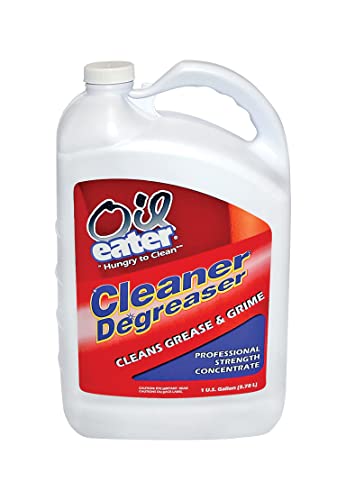
– Degreaser or Cleaning Solution: Select a degreasing agent that is suitable for asphalt surfaces. Look for eco-friendly options that can effectively break down the oil without harming the environment or the asphalt itself.
Step-by-Step Cleaning Process

1. Initial Absorption: Upon discovering a hydraulic fluid spill, immediately cover the affected area with an absorbent material. Ensure that the entire spill is adequately covered.
2. Allow Time to Soak: Let the absorbent material sit for several hours, or overnight if possible. This allows it to soak up as much fluid as possible.
3. Sweep Up the Absorbent Material: After sufficient time has passed, carefully sweep up the used absorbent material. Dispose of it according to local regulations, as it may be considered hazardous waste.
4. Inspect the Area: Before proceeding, check the asphalt surface for any remaining stains or residue. If necessary, repeat the absorption process.
Rinsing and Degreasing the Area
Once the bulk of the hydraulic fluid has been absorbed, it’s time to rinse and degrease:
1. Rinse the Area: Use a pressure washer or hose to thoroughly rinse the area, ensuring that any remaining residue is washed away. If using a hose, apply a strong spray to dislodge any stubborn particles.
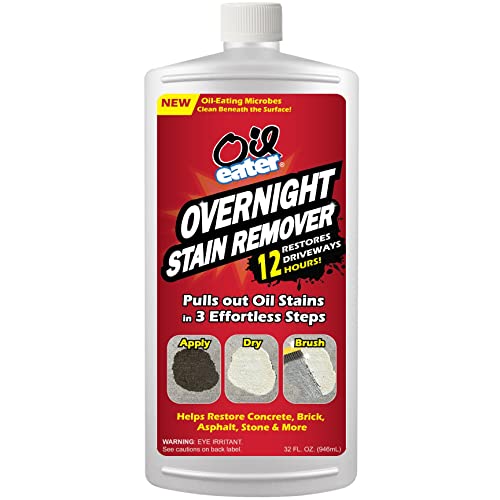
2. Apply Degreaser: After rinsing, apply a suitable degreaser directly onto the affected area. Let it sit for the recommended time specified by the manufacturer to allow it to penetrate and break down the remaining oil.
3. Scrub with a Stiff-Bristled Brush: Use a stiff-bristled brush to scrub the area vigorously. This will help lift any remaining fluid from the asphalt surface.
4. Final Rinse: Rinse the area again with a pressure washer or hose to remove the degreaser along with any dislodged contaminants.
Common Absorbents for Hydraulic Fluid Cleanup
| # | Material | Absorption Rate | Cost (per 50 lbs) | Environmental Impact |
|---|---|---|---|---|
| 1 | Cat Litter | 0.5 gallons | $5 | Low |
| 2 | Sawdust | 0.25 gallons | $4 | Low |
| 3 | Commercial Absorbents | 1 gallon | $20 | Very Low |
| 4 | Sand | 0.75 gallons | $3 | Low |
| 5 | Cornstarch | 0.4 gallons | $6 | Low |
| 6 | Oil Dry | 0.6 gallons | $15 | Medium |
Preventing Future Spills and Stains
To maintain your asphalt and prevent similar incidents, consider implementing the following preventive measures:
1. Use Drip Pans or Mats: When working with equipment that uses hydraulic fluid, place drip pans or absorbent mats underneath to catch any leaks or spills.
2. Regular Inspections: Routinely inspect hydraulic systems for leaks and address any issues immediately. This proactive approach can save you time and money in the long run.
3. Training Staff: If you manage a facility, ensure that your staff is trained to handle hydraulic fluids safely and knows how to respond to spills quickly.
4. Prompt Cleanup: Encourage immediate cleanup of any spills, regardless of size, to avoid long-term damage to asphalt surfaces.
Eco-Friendly Disposal of Waste
Proper disposal of waste materials is essential for environmental protection. Here are some guidelines:
1. Local Regulations: Always follow local laws and regulations regarding hazardous waste disposal. Many areas have specific guidelines for disposing of materials contaminated with hydraulic fluids.
2. Recycling Options: Explore recycling options for used absorbents and degreasers. Some facilities specialize in recycling these materials, which can be beneficial for the environment.
3. Containment: Store collected waste in properly labeled containers to prevent leaks and spills during transportation to disposal sites.
Additional Tips for Long-Term Maintenance
To ensure the longevity of your asphalt surfaces, consider these additional maintenance strategies:
1. Seal Coating: Apply seal coating to your asphalt periodically. This creates a protective barrier against spills and extends the lifespan of the pavement.
2. Regular Cleaning: Implement a scheduled cleaning routine to remove dirt and debris. This will help prevent the buildup of oils and stains that can lead to deterioration.
3. Promptly Repair Damage: Address any cracks or holes in the asphalt as soon as they appear. Left untreated, these issues can worsen, leading to more significant problems down the line.
4. Educate Users: If your asphalt surface is used by multiple individuals, educate them on the importance of proper handling of hydraulic fluids and the need for immediate spill response.
Effectiveness of Various Cleaning Methods for Asphalt
By following these steps, you can effectively clean hydraulic fluid off asphalt and maintain its appearance. Remember to act quickly and use the right materials to prevent any long-term damage. For ongoing care, consider implementing preventive measures to keep your asphalt clean and safe. Regular maintenance not only enhances the aesthetic appeal of your surfaces but also extends their lifespan, making it a crucial aspect of property management.
Frequently Asked Questions
What are the best methods to clean hydraulic fluid off asphalt?
The best methods to clean hydraulic fluid off asphalt include using absorbent materials like cat litter, sawdust, or commercial absorbents to soak up the fluid. After letting it sit for a few hours, sweep the area and then wash the asphalt with a mixture of warm water and dish soap to remove any remaining residue. For tough stains, consider using a pressure washer with a degreaser.
How do I remove hydraulic fluid stains from asphalt effectively?
To remove hydraulic fluid stains from asphalt, start by applying an absorbent material to the affected area. After it has absorbed the fluid, scrape it up and clean the area with a degreaser or a mixture of vinegar and water. Rinse thoroughly with water to ensure all chemicals are washed away, preventing any potential harm to the asphalt.
Why is it important to clean hydraulic fluid off asphalt promptly?
It is important to clean hydraulic fluid off asphalt promptly because it can degrade the surface over time and create a slippery hazard, leading to accidents. Additionally, allowing the fluid to sit can cause more extensive damage to the asphalt, making it more difficult and expensive to repair. Prompt cleaning helps maintain both safety and the integrity of the pavement.
Which cleaning products are most effective for treating hydraulic fluid spills on asphalt?
The most effective cleaning products for treating hydraulic fluid spills on asphalt include industrial degreasers, enzyme-based cleaners, and eco-friendly products specifically designed for oil and fluid stains. When selecting a product, ensure it is safe for asphalt surfaces and follow the manufacturer’s instructions for optimal results.
What precautions should I take when cleaning hydraulic fluid off asphalt?
When cleaning hydraulic fluid off asphalt, it’s important to wear protective gloves and eyewear to avoid skin and eye irritation from the cleaning agents. Additionally, ensure proper ventilation if you are using strong chemicals and prevent runoff into storm drains by containing the spill area. Always dispose of absorbent materials and cleaning products according to local regulations to avoid environmental contamination.
References
- https://www.epa.gov/sites/default/files/2015-08/documents/hydraulic_oil.pdf
https://www.epa.gov/sites/default/files/2015-08/documents/hydraulic_oil.pdf - Critical Issues in Transportation 2019 | The National Academies Press
https://www.nap.edu/catalog/25314/guide-to-the-cleaning-and-repair-of-hard-surface-floors - https://www.ncbi.nlm.nih.gov/pmc/articles/PMC4597661/
https://www.ncbi.nlm.nih.gov/pmc/articles/PMC4597661/ - https://www.who.int/water_sanitation_health/waterquality/guidelines/chemical/cleaning.pdf
https://www.who.int/water_sanitation_health/waterquality/guidelines/chemical/cleaning.pdf - Hydraulic fluid | physics | Britannica
https://www.britannica.com/topic/hydraulic-fluid - https://www.sciencedirect.com/science/article/pii/S0950061813000739
https://www.sciencedirect.com/science/article/pii/S0950061813000739 - Google Scholar Google Scholar
https://scholar.google.com/scholar?q=cleaning+hydraulic+fluid+off+asphalt - Google Scholar Google Scholar
https://scholar.google.com/scholar?q=hydraulic+fluid+removal+techniques - Google Scholar Google Scholar
https://scholar.google.com/scholar?q=environmental+impact+of+hydraulic+fluid+spills - https://www.cdc.gov/niosh/docs/2000-110/default.html
https://www.cdc.gov/niosh/docs/2000-110/default.html
