How to Clean an Oil Painting: Step-by-Step Guide
To clean an oil painting effectively, you should start by assessing the condition of the artwork and using the right materials. A gentle approach is crucial to avoid damaging the paint or canvas. In this article, you will learn essential techniques and tips for cleaning your oil painting safely, ensuring that your treasured artwork maintains its aesthetic and historical value.
Cleaning oil paintings requires careful consideration, as improper techniques can lead to irreversible damage. Whether you are a seasoned art collector or a new owner of an oil painting, understanding how to clean and maintain these pieces is vital for their preservation. This guide will walk you through the necessary steps and precautions to take when cleaning your oil paintings, enabling you to retain their beauty for years to come.
Assess the Painting’s Condition

Before embarking on the cleaning process, it is essential to assess the painting’s condition thoroughly. This assessment will help guide your cleaning strategy and determine whether professional help is necessary.
– Check for damage: Examine the oil painting closely for any visible signs of damage such as cracks, flaking paint, or loose canvas. If the painting has significant issues, such as severe flaking or structural problems, you may need to consult a professional conservator before attempting any cleaning.
– Determine the age: Older paintings often have a different composition and may be more fragile than contemporary works. If you suspect your painting is over a century old, it may require specialized care. Knowing the age can also inform you about the type of materials used, which is crucial when selecting cleaning products.
Gather the Necessary Supplies
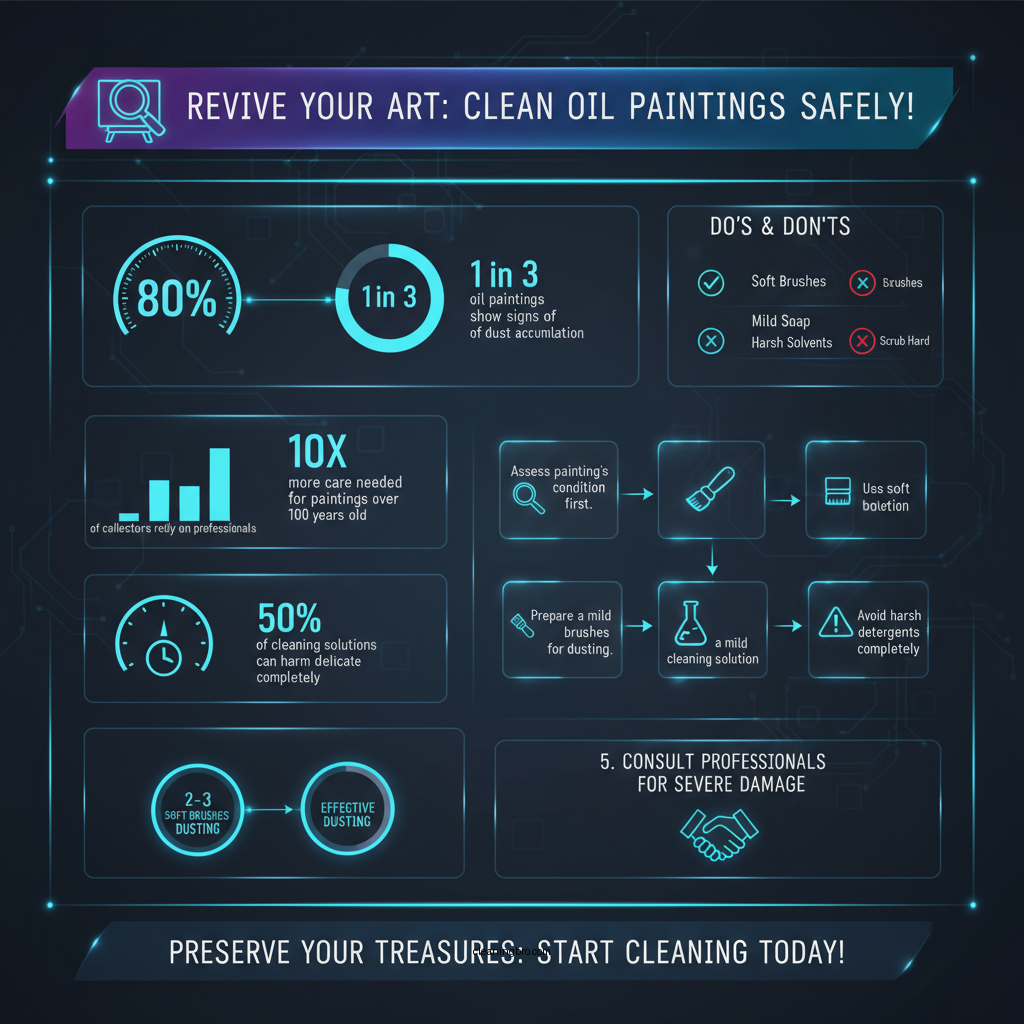

Equipping yourself with the right materials is a critical step in ensuring a successful cleaning process. Use the following supplies:
– Soft brushes: A soft-bristled brush is ideal for dust removal. Look for brushes specifically designed for cleaning delicate surfaces, such as paintbrushes with natural bristles.
– Cleaning solution: Prepare a mixture using distilled water and a mild soap, such as a gentle dish soap. Avoid harsh detergents or solvents that can harm the paint and varnish. Always ensure the solution is well-diluted to minimize potential damage.
Dusting the Surface
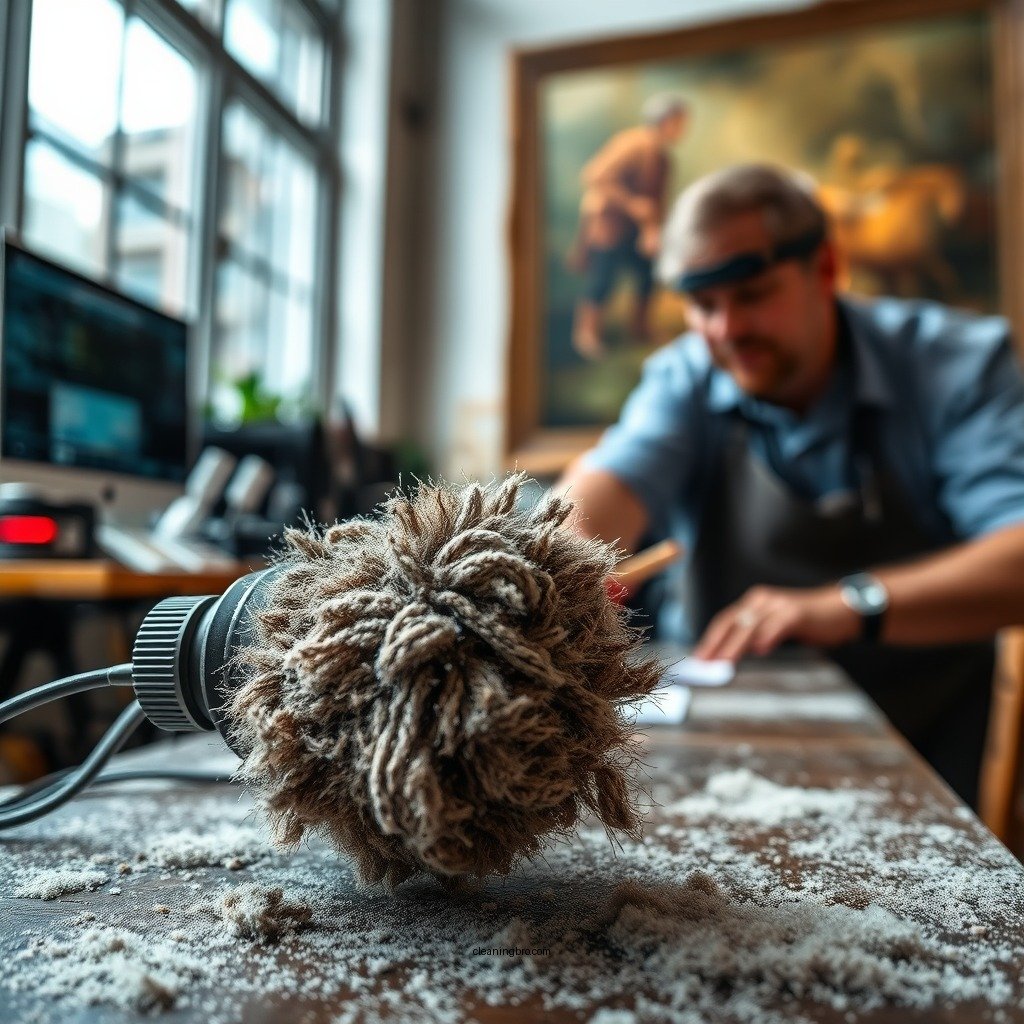
– Use a soft brush: Start by gently brushing away dust and debris from the surface of the painting. It is crucial to use a light touch to avoid damaging the paint layer. A circular motion can effectively lift dust without causing scratches.
– Work in sections: Begin at the top of the painting and work your way downwards. This technique prevents dust from falling onto already cleaned areas, ensuring that you do not rediscover dirt after your cleaning efforts.
Common Issues Found in Oil Paintings and Recommended Cleaning Solutions
| # | Issue | Recommended Action | Frequency |
|---|---|---|---|
| 1 | Dust Accumulation | Gentle Dusting | Monthly |
| 2 | Stains or Smudges | Spot Clean with Damp Cloth | As Needed |
| 3 | Cracks in Paint | Consult Conservator | Yearly |
| 4 | Flaking Paint | Seek Professional Help | Immediately |
| 5 | Discoloration | Avoid Direct Sunlight | Consistent |
| 6 | Varnish Yellowing | Consult Conservator | Every Few Years |
| 7 | Frame Damage | Repair or Replace | As Needed |
Spot Cleaning Stains
Occasionally, stains may appear on your oil painting due to various factors, such as spills or fingerprints. It is crucial to treat these stains promptly to avoid permanent damage.
– Test in an inconspicuous area: Before applying any cleaning solution to the stained area, conduct a test on a small, hidden section of the painting. This step ensures that the solution does not adversely affect the colors or finish of the artwork.
– Use a damp cloth: Dampen a soft cloth with your prepared cleaning solution. Gently dab the stained area without rubbing, as excessive moisture can seep into the canvas and cause further damage. If the stain persists, consider consulting a professional for assistance.
Final Cleaning Steps
After completing the dusting and spot cleaning, follow these final steps to ensure that the painting is left in optimal condition.
– Wipe with a dry cloth: Once the stain has been treated, use a clean, dry cloth to remove any remaining moisture. This step helps prevent water marks and maintains the integrity of the paint.
– Allow to air dry: Place the painting in a stable environment away from direct sunlight and extreme temperatures to dry. Avoid using hairdryers or other heat sources, as these can warp the canvas or damage the paint.
Professional Cleaning Options
If you are unsure about the condition of your painting or if it has significant damage, seeking professional help may be the best option.
– When to seek help: If your painting is valuable, either financially or sentimentally, consider hiring a professional conservator. They have the expertise to handle delicate cleaning processes and can offer restoration services if needed.
– Research qualified conservators: Look for professionals with experience in oil painting restoration. You can check credentials, read reviews, and consult with galleries or museums for recommendations.
Preventive Care Tips
Taking proactive steps can significantly reduce the need for frequent cleaning and help preserve the condition of your oil paintings.
– Proper storage: Ensure your paintings are kept in a stable environment with controlled temperature and humidity levels. Avoid locations with drastic changes in conditions, such as attics or basements.
– Regular inspections: Periodically check your paintings for dust buildup and other issues. Early detection of problems can help mitigate damage and keep your art pieces in excellent condition.
Maintaining and cleaning your oil paintings is essential for preserving their beauty and longevity. By following these steps, you can clean your artwork safely and effectively, ensuring it remains a cherished part of your collection. If you are ever in doubt or if your painting is particularly valuable, do not hesitate to consult a professional. With proper care, your oil paintings can continue to inspire and delight for generations.
Frequently Asked Questions
How do you safely clean an oil painting without damaging it?
To safely clean an oil painting, first ensure it is dry and dust-free by gently using a soft, dry brush or a lint-free cloth. Avoid water or cleaning solutions as they can damage the paint; instead, consider using a professional art restorer for deeper cleaning or if the painting has significant grime buildup.
What household items can be used to clean an oil painting?
While cleaning an oil painting, it’s best to stick to non-abrasive materials like a soft cotton cloth or a microfiber cloth. Some people recommend using a mixture of distilled water and a few drops of baby shampoo, but this should be done with caution and tested on a small, inconspicuous area first.
Why is it important to clean an oil painting?
Cleaning an oil painting is important to maintain its aesthetic appeal and longevity. Dust, dirt, and environmental pollutants can accumulate over time, potentially damaging the paint and canvas, leading to deterioration and loss of value.
What is the best way to remove varnish from an oil painting before cleaning?
The best way to remove varnish from an oil painting is to use a solvent specifically designed for varnish removal, such as a mixture of turpentine and linseed oil, applied with a soft cloth. Always test a small area first and work in a well-ventilated space to ensure safety and avoid damaging the underlying paint.
Which professional services should I consider for cleaning an oil painting?
For cleaning an oil painting, consider hiring a qualified art conservator or restorer who specializes in paintings. These professionals have the expertise and tools necessary to clean and restore artworks safely, preserving their value and integrity without causing harm.
References
- Oil painting | Description, History, & Facts | Britannica
https://www.britannica.com/art/oil-painting - https://www.artcare.ca/how-to-clean-a-painting/
https://www.artcare.ca/how-to-clean-a-painting/ - https://www.getty.edu/conservation/publications_resources/newsletters/20_1/cleaning.html
https://www.getty.edu/conservation/publications_resources/newsletters/20_1/cleaning.html - https://www.nga.gov/learn/conservation.html
https://www.nga.gov/learn/conservation.html - Google Scholar Google Scholar
https://scholar.google.com/scholar?q=cleaning+oil+paintings - Google Scholar Google Scholar
https://scholar.google.com/scholar?q=oil+painting+restoration - Google Scholar Google Scholar
https://scholar.google.com/scholar?q=art+conservation+oil+paintings - https://www.archives.gov/preservation/cleaning-paintings
https://www.archives.gov/preservation/cleaning-paintings - Google Scholar Google Scholar
https://scholar.google.com/scholar?q=how+do+you+clean+an+oil+painting - how do you clean an oil painting – Search results
https://en.wikipedia.org/wiki/Special:Search?search=how+do+you+clean+an+oil+painting