
Cleaning a horse’s sheath is an essential part of routine equine care that helps prevent infections and discomfort. This process can seem daunting, but with the right approach, it can be done easily and effectively. In this guide, you’ll learn how to clean your horse’s sheath properly, ensuring your horse remains healthy and comfortable.
Understanding the Importance of Sheath Cleaning
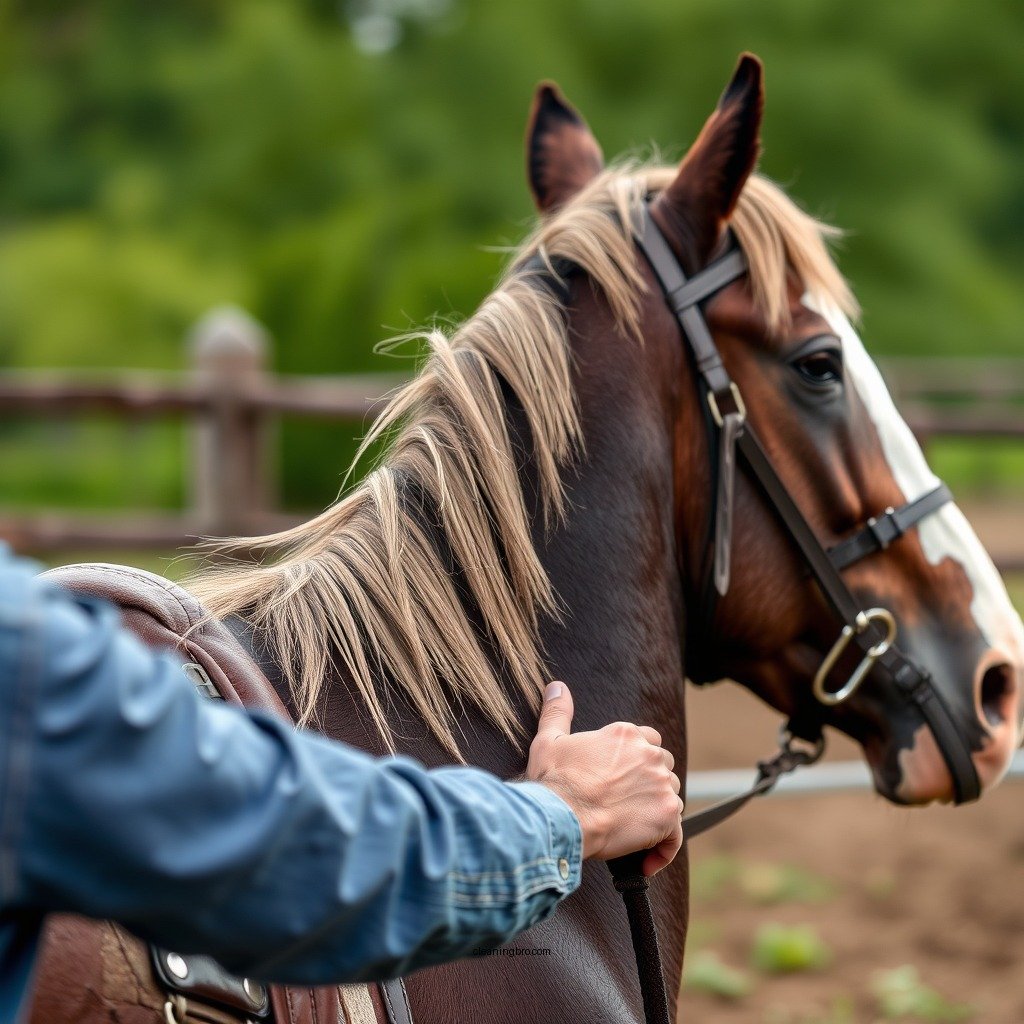
Regular sheath cleaning is a vital aspect of equine hygiene that is often overlooked by horse owners. One of the primary benefits of this practice is its role in preventing infections. Horses naturally produce smegma, a mixture of dead skin cells, oils, and other debris, which can accumulate in the sheath area. If not cleaned regularly, this build-up can lead to infections or even serious complications such as bean formation, which can obstruct the urethra.
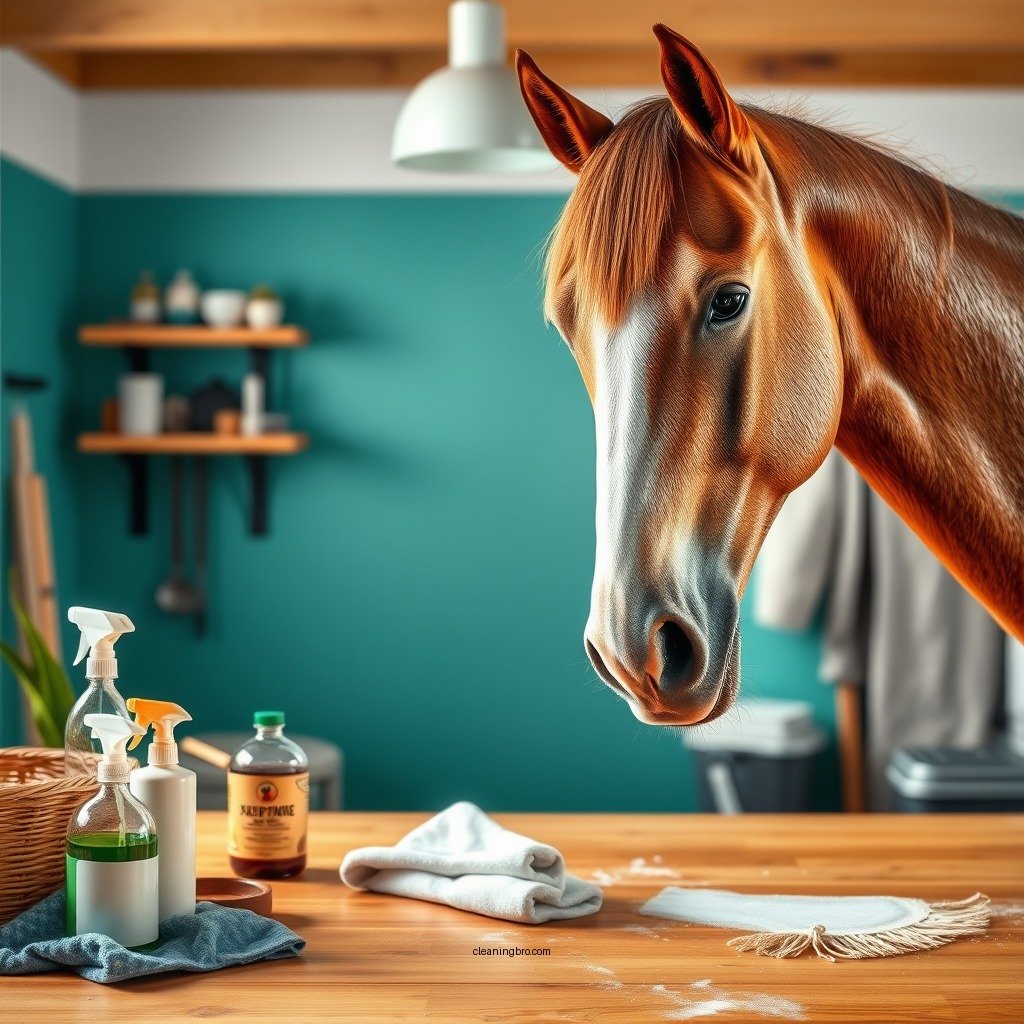
In addition to preventing infections, maintaining a clean sheath promotes overall comfort for your horse. A dirty sheath can cause irritation, leading to excessive itching or discomfort that may manifest in behavioral changes, such as reluctance to be groomed or saddled. By incorporating sheath cleaning into your regular care routine, you enhance your horse’s well-being and contribute to their overall health.
When to Clean Your Horse’s Sheath

Determining the right frequency for sheath cleaning can vary depending on individual horses and their specific needs. As a general guideline, it is recommended to clean your horse’s sheath every 6 to 12 months. Horses that are more prone to build-up, such as those with a high tendency for smegma production or those who are less active, may require more frequent cleanings.
To assess when your horse’s sheath needs attention, keep an eye out for signs of dirtiness. Excessive smegma or visible discharge, particularly if accompanied by swelling or an unusual odor, indicates that a cleaning is necessary. Regular observation of your horse’s sheath can help you establish a schedule that suits their needs.
Preparing for the Sheath Cleaning Process
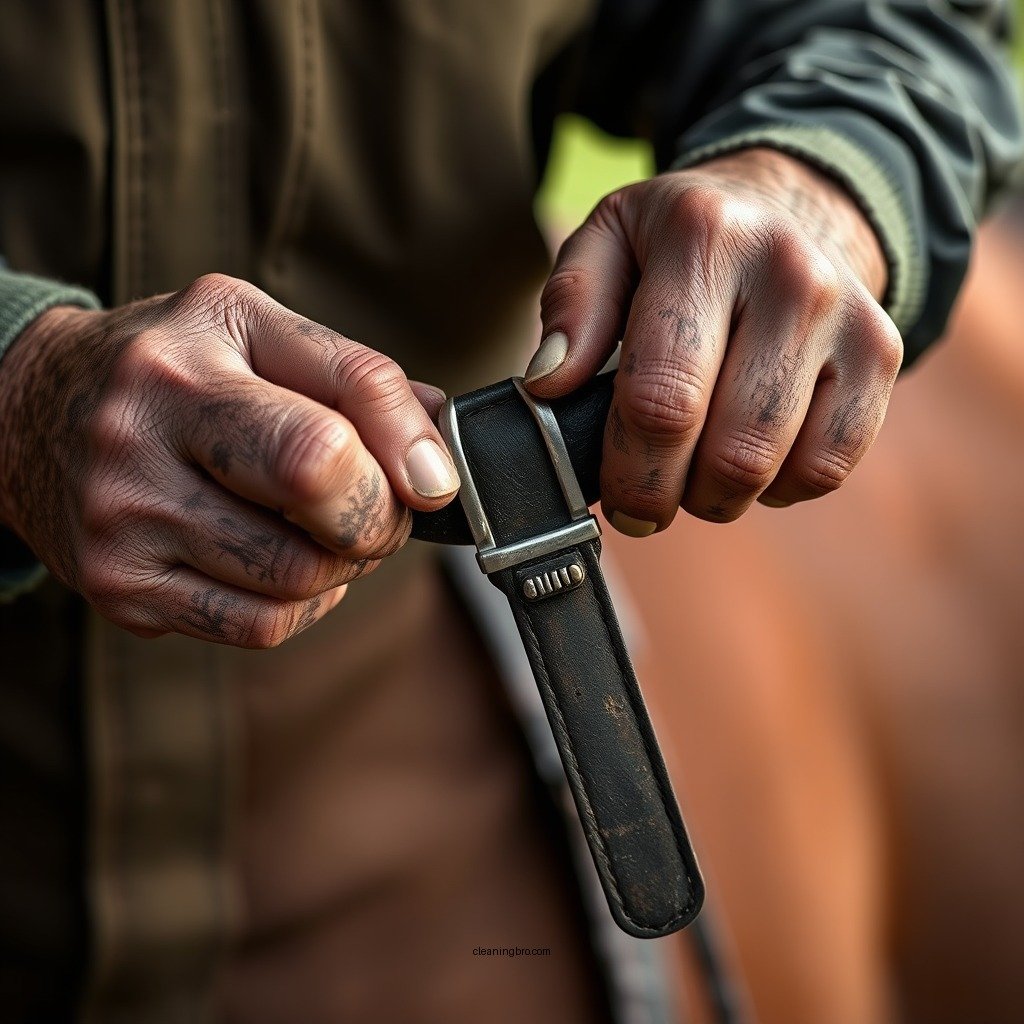
Before embarking on the sheath cleaning process, it is essential to gather the necessary supplies to ensure a smooth and hygienic experience. You will need:
– Warm Water: This helps to soften any dirt or debris for easier removal.
– Mild Soap: Choose a gentle, unscented soap to minimize irritation.
– Sponge or Cloth: A soft sponge or cloth is ideal for cleaning the area without causing discomfort.
– Gloves: Wearing gloves is crucial for hygiene and to protect against potential infections.
Safety is paramount during this process. Before starting, ensure that your horse is calm and securely tied or held by a handler. Create a relaxed environment, as this will help reduce anxiety for both you and your horse. If your horse is particularly skittish or untrusting, consider introducing the cleaning tools gradually to promote familiarity.
Common Sheath Cleaning Frequencies for Different Horse Breeds
| # | Horse Breed | Recommended Cleaning Frequency | Common Issues |
|---|---|---|---|
| 1 | Thoroughbred | Every 6 months | High smegma production |
| 2 | Arabian | Every 6-12 months | Potential for beans |
| 3 | Draft Horses | Every 12 months | Less smegma buildup |
| 4 | Appaloosa | Every 6-12 months | Moderate smegma production |
| 5 | Quarter Horse | Every 6 months | High tendency for beans |
| 6 | Warmblood | Every 12 months | Lower smegma buildup |
| 7 | Thoroughbred Cross | Every 6-12 months | Moderate issues |
Step-by-Step Guide to Cleaning the Sheath
Cleaning your horse’s sheath can be broken down into a few manageable steps. Here’s a concise guide to help you through the process:
– Step 1: Inspect and Lift: Gently lift the sheath to expose the urethral opening. This may require some patience, as your horse may be hesitant. Ensure you provide reassurance and a calm demeanor during this step.
– Step 2: Clean the Area: Dampen a sponge or cloth with warm, soapy water. Carefully clean the inside of the sheath, focusing on areas where smegma accumulates. Be gentle—avoid any aggressive scrubbing that could cause discomfort. Rinse the sponge or cloth frequently to remove debris, and if your horse shows discomfort, pause and reassure them.
– Step 3: Rinse Thoroughly: After cleaning, it is critical to rinse the area thoroughly to ensure no soap residue remains. This helps prevent irritation and ensures comfort.
– Step 4: Dry the Area: If possible, gently pat the area dry with a clean towel. This step is not always necessary, but it can be helpful in maintaining cleanliness and comfort.
Following these steps will help ensure a successful and gentle sheath cleaning experience for your horse.
Tips for a Successful Sheath Cleaning
To make the sheath cleaning process as smooth as possible, consider the following tips:
– Be Patient: Allow your horse to become accustomed to the procedure. Rushing through the process can lead to stress for both you and your horse. Take your time, and be aware of their body language.
– Positive Reinforcement: After cleaning, offer your horse a treat or praise to create a positive association with the experience. This approach can help make future cleanings easier as your horse begins to expect positive outcomes from the process.
– Maintain a Clean Environment: Regularly clean the area where you perform sheath cleaning to minimize the introduction of bacteria. Keeping your horse’s living space clean will contribute to overall health.
Aftercare and Monitoring
After completing the sheath cleaning process, it is essential to monitor the area for any unusual changes.
– Rinse Thoroughly: Ensure that all soap is completely rinsed away to prevent irritation. The skin in this area is sensitive, and any residue can lead to discomfort or infections.
– Monitor for Changes: Keep an eye on the area for any signs of swelling, unusual discharge, or behaviors indicating discomfort. If you notice any concerning changes, consult with a veterinarian to address potential issues early.
Incorporating these aftercare steps into your routine will help ensure your horse remains healthy and comfortable following sheath cleaning.
Regular sheath cleaning is a critical component of horse care that should not be overlooked. By understanding its importance, recognizing when to clean, and executing the process correctly, you can help maintain your horse’s health and comfort. If you ever feel unsure or uncomfortable with the cleaning process, consulting a veterinarian is always a wise option. They can provide guidance and even assist with the cleaning if needed. Remember, a clean sheath contributes to a happier and healthier horse.
Frequently Asked Questions
How often should I clean my horse’s sheath?
It’s recommended to clean your horse’s sheath every 6 to 12 months, depending on the horse’s environment and hygiene needs. Regular cleaning helps prevent the buildup of smegma and reduces the risk of infections or other health issues.
What is the best way to clean a horse’s sheath?
The best way to clean a horse’s sheath involves using a gentle cleanser specifically designed for equine use. Start by securely restraining your horse, then apply the cleanser with a soft cloth or your hand, gently wiping away dirt and smegma. Rinse thoroughly with clean water to ensure no residue remains.
Why is sheath cleaning important for my horse’s health?
Sheath cleaning is important because it helps prevent the buildup of smegma, which can lead to irritation, infection, or even more serious conditions like balanitis. Keeping the sheath clean promotes overall reproductive health and comfort for your horse.
Which tools are best for cleaning a horse’s sheath?
The best tools for cleaning a horse’s sheath include a soft sponge or cloth, equine-safe cleansers, and gloves to maintain hygiene. Avoid using harsh chemicals or abrasive materials, as they can irritate your horse’s sensitive skin.
How can I calm my horse during sheath cleaning?
To calm your horse during sheath cleaning, establish a relaxed environment by using gentle voice commands and soothing strokes. Consider having a helper to hold the horse or distract it with treats, and ensure that the process is slow and patient, allowing your horse to adjust to the sensations.
References
- Horse management
https://en.wikipedia.org/wiki/Horse_care - https://www.ncbi.nlm.nih.gov/pmc/articles/PMC8054588/
https://www.ncbi.nlm.nih.gov/pmc/articles/PMC8054588/ - https://www.extension.purdue.edu/extmedia/AS/AS-558-W.pdf
https://www.extension.purdue.edu/extmedia/AS/AS-558-W.pdf - Google Scholar Google Scholar
https://scholar.google.com/scholar?q=cleaning+horse+sheath - https://www.thehorse.com/articles/10527/cleaning-the-sheath
https://www.thehorse.com/articles/10527/cleaning-the-sheath - https://www.ncbi.nlm.nih.gov/pmc/articles/PMC5964569/
https://www.ncbi.nlm.nih.gov/pmc/articles/PMC5964569/ - https://www.extension.umn.edu/horse/health/sheath-cleaning/
https://www.extension.umn.edu/horse/health/sheath-cleaning/ - Google Scholar Google Scholar
https://scholar.google.com/scholar?q=equine+sheath+cleaning - Homepage | Cummings School of Veterinary Medicine
https://www.tufts.edu/vet/animal-care/horse-health/sheath-care - Google Scholar Google Scholar
https://scholar.google.com/scholar?q=horse+health+sheath+cleaning
