How to Clean the Back of Your Teeth Effectively
Cleaning the back of your teeth effectively involves using the right techniques and tools to ensure you remove plaque and food particles. By focusing on proper brushing and flossing methods, you can maintain good oral hygiene and prevent cavities. This article will guide you through the best practices for cleaning the back of your teeth.
Understanding the Importance of Cleaning the Back of Your Teeth

The back of your teeth is often neglected, leading to plaque buildup and other oral health issues. Many individuals focus their attention on the front teeth, where visibility is highest, inadvertently allowing the back surfaces to accumulate harmful bacteria and food debris. The lack of attention to this area can result in cavities, gum disease, and bad breath over time.
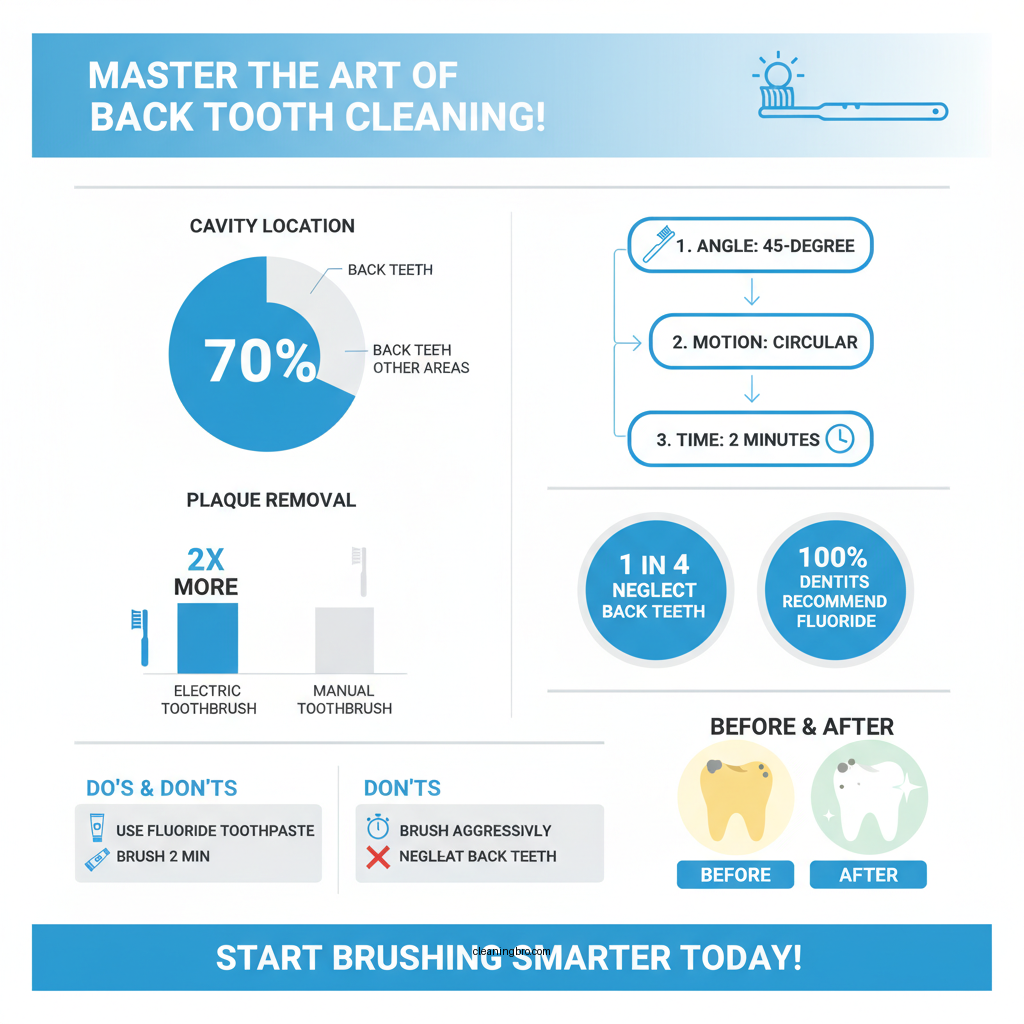
Research indicates that approximately 70% of cavities form on the back teeth, which are harder to reach with standard brushing techniques. By prioritizing the cleaning of these surfaces, you can significantly lower your risk of dental complications. Moreover, maintaining cleanliness in this area contributes to overall oral health and a more confident smile.
Choosing the Right Tools for the Job

To effectively clean the back of your teeth, selecting the right dental tools is crucial. A toothbrush with a small head is ideal for reaching the back teeth easily. Such brushes allow for precise movements that can navigate the contours of your molars and premolars effectively.
Consider an electric toothbrush for more effective cleaning. Studies have shown that electric toothbrushes can reduce plaque more effectively than manual brushes. They often come with timers to ensure you brush for the recommended duration and may feature pressure sensors to prevent gum damage. Additionally, using a fluoride toothpaste can enhance the cleaning process by strengthening tooth enamel and helping to prevent decay.
Proper Brushing Techniques
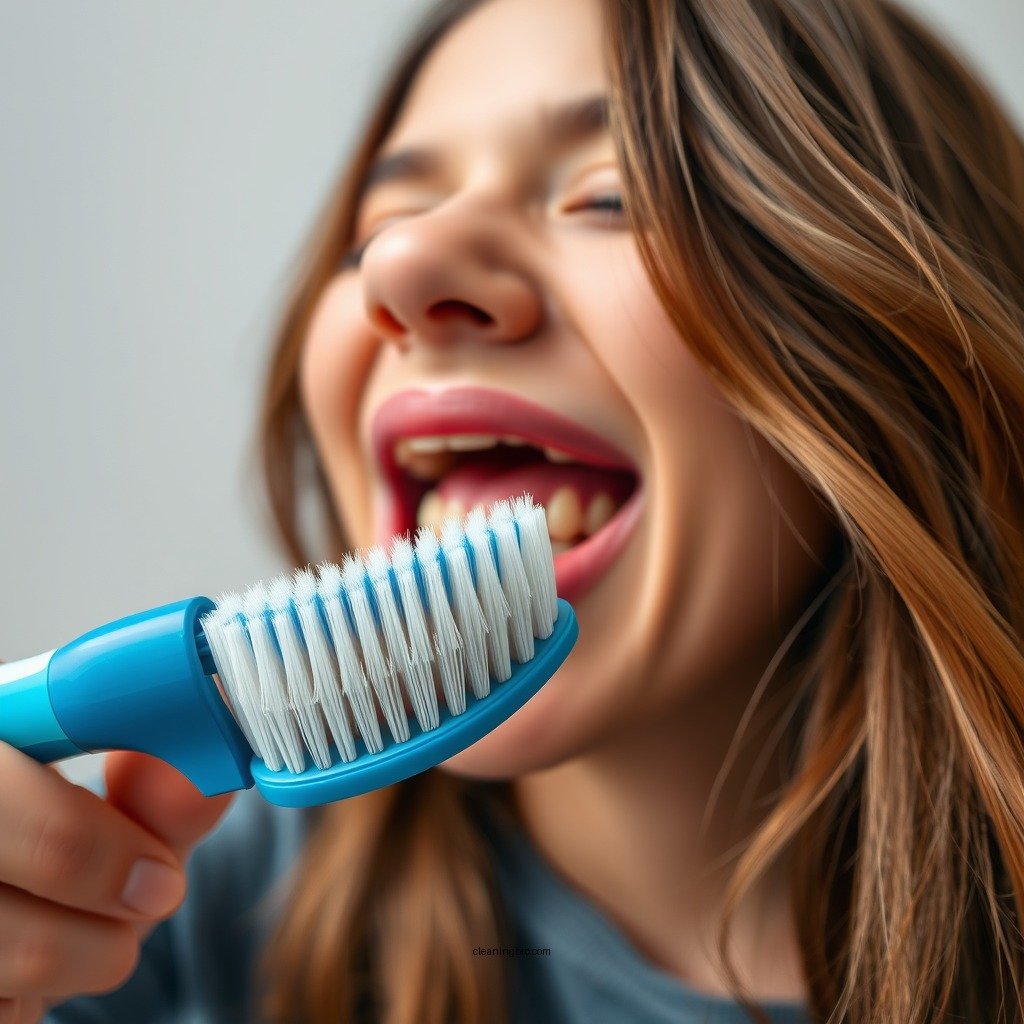
Employing the right brushing techniques is essential for optimal cleaning. It is recommended to angle your toothbrush at 45 degrees toward the gum line for better coverage. This position allows the bristles to reach the plaque that accumulates at the gum line and on the back surfaces of teeth.
Use short, gentle strokes to clean the back surfaces effectively. Brushing should be done in a circular motion, which can be more effective than a back-and-forth scrubbing motion that may irritate the gums. Aim to brush for at least two minutes, ensuring you spend adequate time on each quadrant of your mouth. Don’t forget to include the chewing surfaces of your back teeth, as food particles can easily become trapped in these areas.
Most Effective Toothbrushes for Cleaning Back Teeth (2023)
| # | Toothbrush | Type | Head Size | Effectiveness Rating |
|---|---|---|---|---|
| 1 | Oral-B Pro 1000 | Electric | Small | ★★★★☆ |
| 2 | Philips Sonicare ProtectiveClean 6100 | Electric | Compact | ★★★★★ |
| 3 | Colgate 360 Optic White | Manual | Small | ★★★☆☆ |
| 4 | Quip Electric Toothbrush | Electric | Compact | ★★★★☆ |
| 5 | Sensodyne Pronamel Gentle Whitening | Manual | Medium | ★★★☆☆ |
| 6 | Waterpik Sonic-Fusion | Electric | Small | ★★★★★ |
| 7 | GUM Technique Deep Clean Toothbrush | Manual | Medium | ★★★★☆ |
The Role of Flossing
Flossing plays a critical role in maintaining oral hygiene, especially in cleaning the back of your teeth where toothbrushes cannot reach effectively. The bristles of a toothbrush can miss food particles stuck between teeth, making flossing an essential practice to prevent plaque buildup and gingivitis.
To floss correctly, use a gentle sawing motion to avoid damaging your gums. Insert the floss between your teeth and curve it around the base of each tooth to remove debris effectively. Aim to floss at least once a day, preferably before bedtime, to ensure that any food particles lodged between your teeth are removed before you sleep. This practice not only helps in preventing cavities but also promotes healthier gums.
Best Dental Floss Options for Effective Cleaning
| Floss Type | ⭐ Glide Pro-Health | Oral-B Essential | Cocofloss |
|---|---|---|---|
| Material | Nylon | Nylon | Cotton |
| Flavor | Mint | Unflavored | Coconut |
| Thickness | Standard | Thick | Standard |
| Ease of Use | ✅ Easy | ✅ Moderate | ❌ Challenging |
| Price | $3.99 | $2.99 | $8.99 |
| Length | 43 yards | 55 yards | 32 yards |
| Waxed | Yes | No | Yes |
| Recommended By | Dentists | Patients | Health Enthusiasts |
| 🏆 Best For | Daily cleaning | Budget-friendly | Flavored experience |
Additional Cleaning Tools
In addition to toothbrushes and floss, consider using additional cleaning tools for thorough cleaning of the back of your teeth. Interdental brushes are excellent for reaching tight spaces between teeth, especially where traditional floss may not fit comfortably. They come in various sizes, allowing users to select the best fit for their dental needs.
Rubber tip stimulators can also be beneficial as they help massage the gums and remove plaque in hard-to-reach areas. Incorporating mouthwash into your routine can further enhance oral hygiene. Mouthwash helps reduce plaque, freshens breath, and can reach areas that brushing and flossing may miss. Opt for an antiseptic mouthwash that contains fluoride to provide added protection against cavities.
Common Mistakes to Avoid
While striving for optimal oral hygiene, there are common mistakes individuals often make that can hinder their efforts. One of the most prevalent is using too much pressure while brushing. Excessive force can damage tooth enamel and irritate gums, leading to sensitivity and gum recession. Instead, focus on using gentle strokes to allow the toothbrush bristles to do the work.
Another common oversight is neglecting the back teeth during daily cleaning routines. It is crucial to make cleaning the back teeth a regular part of your routine. Set reminders or create a checklist to help you remember to clean these areas thoroughly. Additionally, change your toothbrush or toothbrush head every three months to maintain effective cleaning capability.
Maintaining proper oral hygiene at the back of your teeth is crucial for overall dental health. By using the right tools and techniques, you can effectively clean these often-overlooked areas. Make sure to incorporate these practices into your daily routine for a healthier smile. Start today by reviewing your brushing and flossing techniques!
Frequently Asked Questions
How do you effectively clean the back of your teeth?
To effectively clean the back of your teeth, use a soft-bristled toothbrush and fluoride toothpaste. Position the brush at a 45-degree angle to your gums and use gentle, circular motions to remove plaque and food particles. Don’t forget to brush the back of your molars, as they can trap debris.
What tools can help clean the back of your teeth?
Tools like dental floss, interdental brushes, and dental picks are excellent for cleaning the back of your teeth. Floss helps remove debris between teeth, while interdental brushes can reach areas that a standard toothbrush may miss. Consider using a water flosser for an efficient way to clean hard-to-reach spots.
Why is it important to clean the back of your teeth?
Cleaning the back of your teeth is crucial because it helps prevent plaque buildup, which can lead to cavities and gum disease. The back of your teeth is often neglected, making it a prime area for bacterial growth. Regular cleaning ensures optimal oral health and helps maintain fresh breath.
What is the best technique to clean the back of your teeth?
The best technique to clean the back of your teeth involves using a combination of brushing and flossing. Brush the backs of your teeth using short, gentle strokes, and follow up with floss to dislodge any remaining food particles. This two-step process ensures comprehensive cleaning and reduces the risk of dental issues.
Which mouthwash is effective for cleaning the back of your teeth?
An antibacterial mouthwash that contains fluoride is effective for cleaning the back of your teeth. Look for products that specifically target plaque and gingivitis, as these can help reduce bacteria and freshen breath. Rinse with mouthwash after brushing and flossing for an added layer of protection against oral health problems.
References
- https://www.mayoclinic.org/healthy-lifestyle/adult-health/in-depth/oral-hygiene/art-20045904
https://www.mayoclinic.org/healthy-lifestyle/adult-health/in-depth/oral-hygiene/art-20045904 - https://www.ncbi.nlm.nih.gov/pmc/articles/PMC6213254/
https://www.ncbi.nlm.nih.gov/pmc/articles/PMC6213254/ - https://www.cdc.gov/oralhealth/conditions/cleaning-teeth.html
https://www.cdc.gov/oralhealth/conditions/cleaning-teeth.html - Oral health
https://www.who.int/news-room/fact-sheets/detail/oral-health - https://www.ncbi.nlm.nih.gov/pmc/articles/PMC5007555/
https://www.ncbi.nlm.nih.gov/pmc/articles/PMC5007555/ - https://www.sciencedirect.com/science/article/pii/S2212877817300023
https://www.sciencedirect.com/science/article/pii/S2212877817300023 - https://www.bbc.com/future/article/20200117-how-to-keep-your-teeth-clean
https://www.bbc.com/future/article/20200117-how-to-keep-your-teeth-clean - Google Scholar Google Scholar
https://scholar.google.com/scholar?q=cleaning+back+of+teeth - Google Scholar Google Scholar
https://scholar.google.com/scholar?q=oral+hygiene+techniques - Google Scholar Google Scholar
https://scholar.google.com/scholar?q=importance+of+cleaning+back+teeth