
Cleaning a chalkboard wall is a straightforward process that can restore its vibrant appearance and functionality. With the right techniques and materials, you can easily remove chalk residue and stains, making your chalkboard wall look as good as new. In this article, you’ll discover effective methods and tips to keep your chalkboard wall clean and ready for use.



Essential Cleaning Supplies

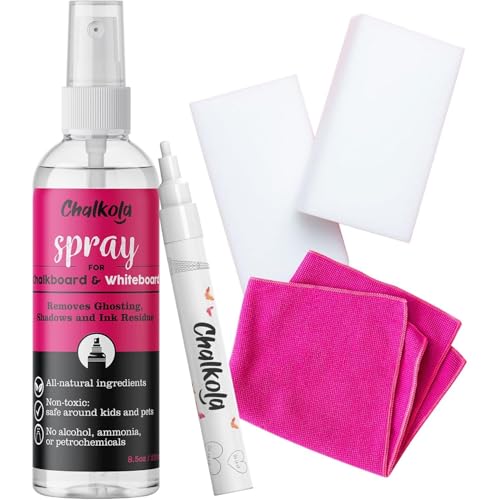
To effectively clean a chalkboard wall, having the right supplies on hand is crucial. Here’s what you’ll need:

– Soft Cloth or Sponge: A soft cloth or sponge is essential for gently wiping down the chalkboard surface without causing any scratches. Avoid abrasive materials that can damage the finish.
– Mild Soap or Baking Soda: For gentle cleaning, a mixture of mild soap and warm water or a paste of baking soda mixed with water works wonders. Both options are effective in breaking down chalk residue without harming the surface.
– Commercial Chalkboard Cleaner: If you’re dealing with stubborn stains or buildup, consider using a commercial chalkboard cleaner. These products are specifically designed to clean chalkboards and can help to quickly restore the board’s sheen.
By gathering these essential supplies, you will be well-prepared for an effective cleaning session.
Basic Cleaning Steps


Cleaning a chalkboard wall can be broken down into a few simple steps:
1. Remove Loose Dust: Start by using a dry cloth to wipe the surface. This will help dislodge any loose chalk dust that has accumulated. Avoid using a feather duster, as it may scatter the dust instead of removing it.
2. Apply Cleaning Solution: Dampen your cloth with your selected cleaning solution—be it soapy water or a commercial cleaner—and gently wipe down the wall. Make sure to cover the entire surface evenly, applying a little pressure to remove any stubborn marks.
3. Rinse Off Residue: After cleaning with soap or cleaner, rinse your cloth with clean water and wipe the wall again. This step is crucial to ensure no soap residue remains, which can attract more dust and make the surface feel gritty.
4. Dry the Surface: Finally, use a dry cloth to thoroughly dry the board. This will help to prevent streaks and ensure that your chalkboard is ready for use.
Following these basic steps will keep your chalkboard wall in pristine condition.
Tackling Stubborn Stains

For those tougher marks and stains that refuse to budge, additional techniques can be employed:
1. Create a Baking Soda Paste: Mix baking soda with a small amount of water to form a paste. Apply this paste directly to the stain and let it sit for about 5-10 minutes. Baking soda is mildly abrasive and can help lift stubborn marks without scratching the surface.
2. Gently Scrub the Area: After the paste has set, use a soft cloth to gently scrub the stained area. Be cautious not to apply too much pressure, as this may damage the chalkboard.
3. Use Vinegar for Extra Power: If baking soda alone isn’t sufficient, consider using a mixture of equal parts vinegar and water. Spray this solution onto the stain, let it sit briefly, and then wipe clean with a soft cloth.
4. Repeat if Necessary: Occasionally, certain stubborn stains may require multiple applications of the cleaning solution. Don’t be discouraged; persistence is key to achieving a clean surface.
By using these methods, you can effectively tackle even the most resilient stains on your chalkboard wall.
Common Chalkboard Stains and Cleaning Solutions
| # | Stain Type | Recommended Solution | Effectiveness |
|---|---|---|---|
| 1 | Ghost Marks | Baking Soda Paste | High |
| 2 | Ink Stains | Vinegar Solution | Medium |
| 3 | Grease Marks | Dish Soap Solution | High |
| 4 | Water Stains | Soapy Water | Medium |
| 5 | Heavy Chalk Residue | Commercial Cleaner | High |
| 6 | Pen Marks | Isopropyl Alcohol | Medium |
| 7 | Miscellaneous Stains | Magic Eraser | High |
Maintaining Your Chalkboard Wall
Once your chalkboard wall is clean, maintaining its appearance and functionality is essential. Here are some tips to keep it looking fresh:
– Regular Dusting: Make it a habit to wipe the surface with a dry cloth after each use to prevent the buildup of chalk dust. This simple practice will greatly reduce the amount of cleaning needed later.
– Use a Soft Eraser: After each writing session, use a soft eraser designed for chalkboards. This will help to keep the surface clean and prevent stains from setting in.
– Protective Layer of Chalkboard Paint: If you notice that your chalkboard is showing signs of wear, consider applying a protective layer of chalkboard paint. This will not only enhance durability but can also refresh the look of the board.
Maintaining your chalkboard wall through these practices will extend its life and keep it an attractive feature in your space.
Tips for Preventing Damage
To ensure your chalkboard remains in optimal condition, keep in mind the following preventative tips:
– Avoid Abrasive Cleaners: Using harsh or abrasive cleaners can scratch the surface and lead to permanent damage. Stick to gentle cleaning agents specifically formulated for chalkboards.
– Use Appropriate Markers: If you use markers on your chalkboard, ensure they are designed for chalkboards. Regular markers can leave permanent stains that are difficult to remove.
– Limit Sun Exposure: Direct sunlight can cause the chalkboard to fade over time. If possible, place your chalkboard in a shaded area or use curtains to minimize sunlight exposure.
By following these tips, you can help protect your chalkboard wall from potential damage and maintain its functionality for years to come.
When to Repaint Your Chalkboard Wall
Over time, even the best-maintained chalkboard walls may require repainting. Here are some indicators that it might be time for a refresh:
– Peeling or Chipping Paint: If you notice any peeling or chipping, this is a clear sign that the chalkboard needs to be repainted. Allowing these issues to persist can lead to further deterioration.
– Ineffective Cleaning: If your cleaning methods no longer restore the chalkboard’s appearance, it may indicate that the paint has degraded, necessitating a new coat.
– Usage Frequency: Consider how often the chalkboard is used. Frequent use can lead to wear and tear, requiring more regular maintenance and eventual repainting.
Repainting your chalkboard wall not only improves its aesthetic appeal but also enhances its functionality.
Maintaining a clean chalkboard wall not only enhances its appearance but also prolongs its lifespan. By following these simple cleaning steps and tips, you can ensure your chalkboard wall remains a functional and attractive feature in your space. Regular maintenance will keep it looking fresh and inviting for both casual use and creative projects.
Frequently Asked Questions
What is the best way to clean a chalkboard wall without damaging it?
The best way to clean a chalkboard wall is to use a damp cloth or sponge with mild soap and water. Avoid using abrasive cleaners or scrubbers, as they can scratch the surface. For tough stains, a mixture of vinegar and water can effectively break down the chalk residue without harming the chalkboard finish.
How often should I clean my chalkboard wall to maintain its appearance?
To maintain the appearance of your chalkboard wall, it’s recommended to clean it at least once a week, especially if it’s used frequently. Regular cleaning prevents chalk buildup and helps keep the surface smooth for better writing. If you notice any ghosting or stubborn marks, clean those areas immediately to prevent long-term staining.
Why does my chalkboard wall have ghosting, and how can I remove it?
Ghosting occurs when chalk dust is not fully wiped away, leaving behind a residue that can be difficult to remove. To eliminate ghosting, use a soft cloth or eraser to wipe the wall thoroughly, followed by a gentle cleaning solution like vinegar and water. For persistent ghosting, using a chalkboard cleaner specifically designed for this purpose can yield better results.
Which cleaning products should I avoid when cleaning a chalkboard wall?
Avoid using any cleaning products that contain ammonia, bleach, or harsh chemicals, as these can damage the chalkboard surface and diminish its writing quality. Additionally, steer clear of abrasive sponges that can cause scratches. Stick to gentle, natural cleaners to ensure the longevity of your chalkboard wall.
How can I prevent dust and chalk buildup on my chalkboard wall?
To prevent dust and chalk buildup on your chalkboard wall, regularly wipe it down after use with a soft cloth or eraser. You can also use a damp cloth to remove excess chalk dust before it accumulates. Additionally, implementing a routine cleaning schedule will help keep your chalkboard wall looking fresh and ready for use.
References
- Blackboard
https://en.wikipedia.org/wiki/Chalkboard - How to Clean a Chalk Board: Easy Methods
https://www.wikihow.com/Clean-a-Chalkboard - https://www.sciencedirect.com/science/article/pii/S0013935118302990
https://www.sciencedirect.com/science/article/pii/S0013935118302990 - https://www.britannica.com/art/chalkboard
https://www.britannica.com/art/chalkboard - Google Scholar Google Scholar
https://scholar.google.com/scholar?q=how+to+clean+chalkboard+wall - Google Scholar Google Scholar
https://scholar.google.com/scholar?q=cleaning+chalkboard+walls - Google Scholar Google Scholar
https://scholar.google.com/scholar?q=maintenance+of+chalkboards - https://www.nytimes.com/2018/05/14/realestate/how-to-clean-chalkboards.html
https://www.nytimes.com/2018/05/14/realestate/how-to-clean-chalkboards.html - https://www.nature.com/articles/s41598-019-39109-3
https://www.nature.com/articles/s41598-019-39109-3 - https://www.pubmed.ncbi.nlm.nih.gov/30950484/
https://www.pubmed.ncbi.nlm.nih.gov/30950484/
