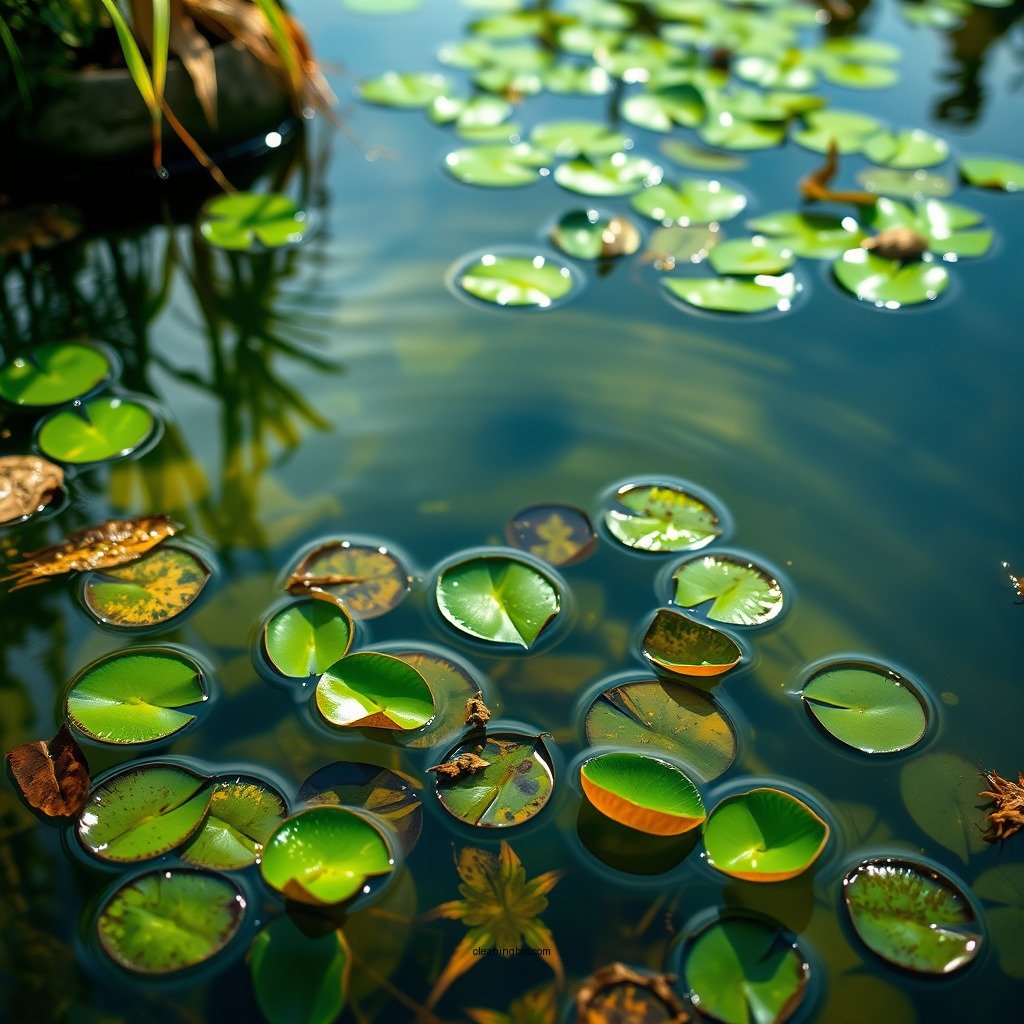
How to Clear Green Pond Water: Effective Solutions
To clear green pond water, first, identify the root cause of the algal bloom, which is often due to excess nutrients in the water. This article will guide you through several effective methods and preventive measures to restore your pond’s clarity and health. By understanding the factors contributing to algal growth and implementing appropriate solutions, you can transform your pond into a clear and vibrant aquatic ecosystem.
Understanding Algal Blooms
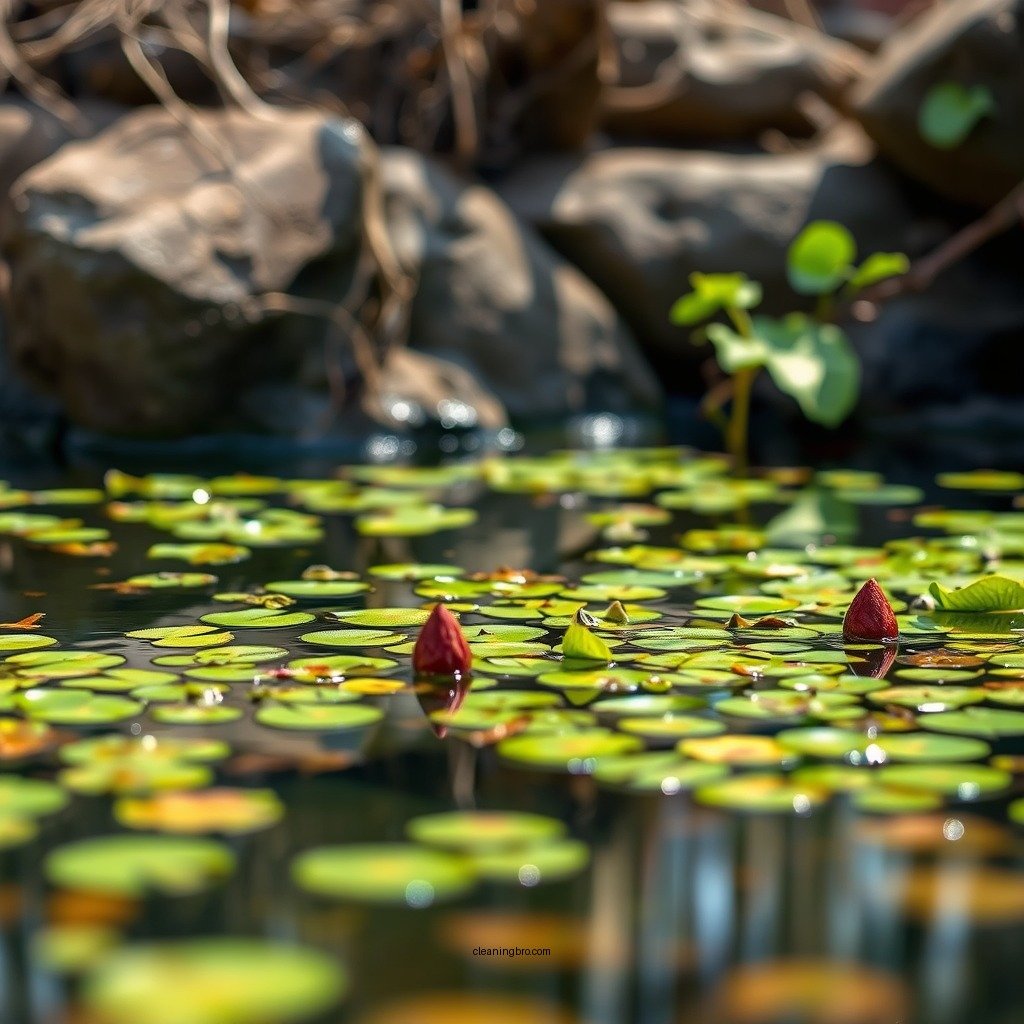
Algal blooms are rapid increases in the population of algae in a water body, primarily triggered by an abundance of nutrients such as nitrogen and phosphorus. These nutrients often originate from various sources, including agricultural runoff containing fertilizers, decaying leaves and organic matter, and even wastewater discharge. When these nutrients accumulate in the pond, they create a conducive environment for algae to thrive, leading to unsightly green water that can harm aquatic life.
Stagnant water is another common factor that exacerbates algal blooms, as it tends to trap nutrients and create a warm, still environment ideal for algae growth. Understanding these dynamics is crucial for tackling the issue effectively.
Assessing Water Quality
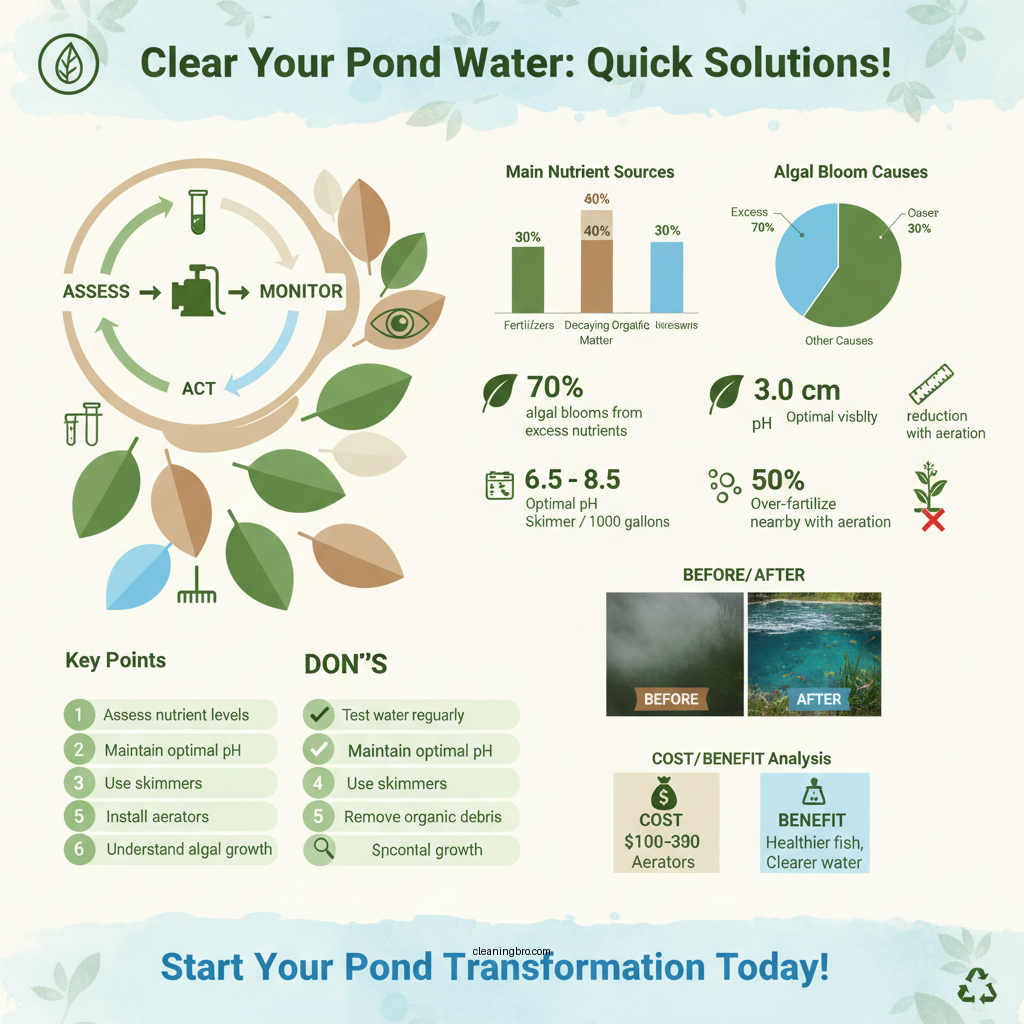
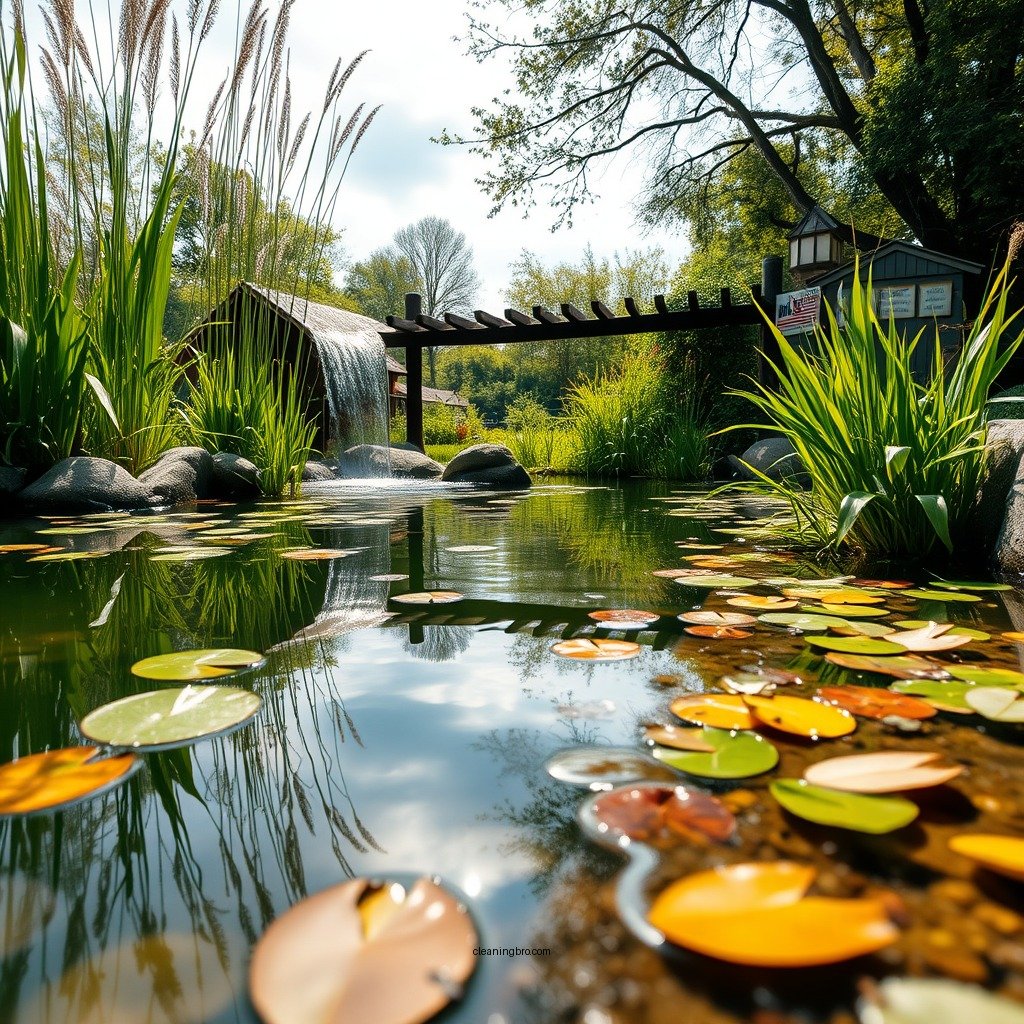
Before taking action, it is vital to assess the water quality of your pond. Start by using a pond water testing kit to measure nutrient levels, focusing on nitrogen and phosphorus concentrations. Testing for pH levels is equally important, as optimal pH levels (generally between 6.5 and 8.5) can significantly influence algal growth.
Additionally, clarity tests can provide insight into the extent of the algal bloom. A simple secchi disk can help determine how much light penetrates the water, which is essential for photosynthesis. By establishing a baseline of your pond’s water quality, you can better diagnose the specific issues at play and tailor your solutions accordingly.
Mechanical Solutions
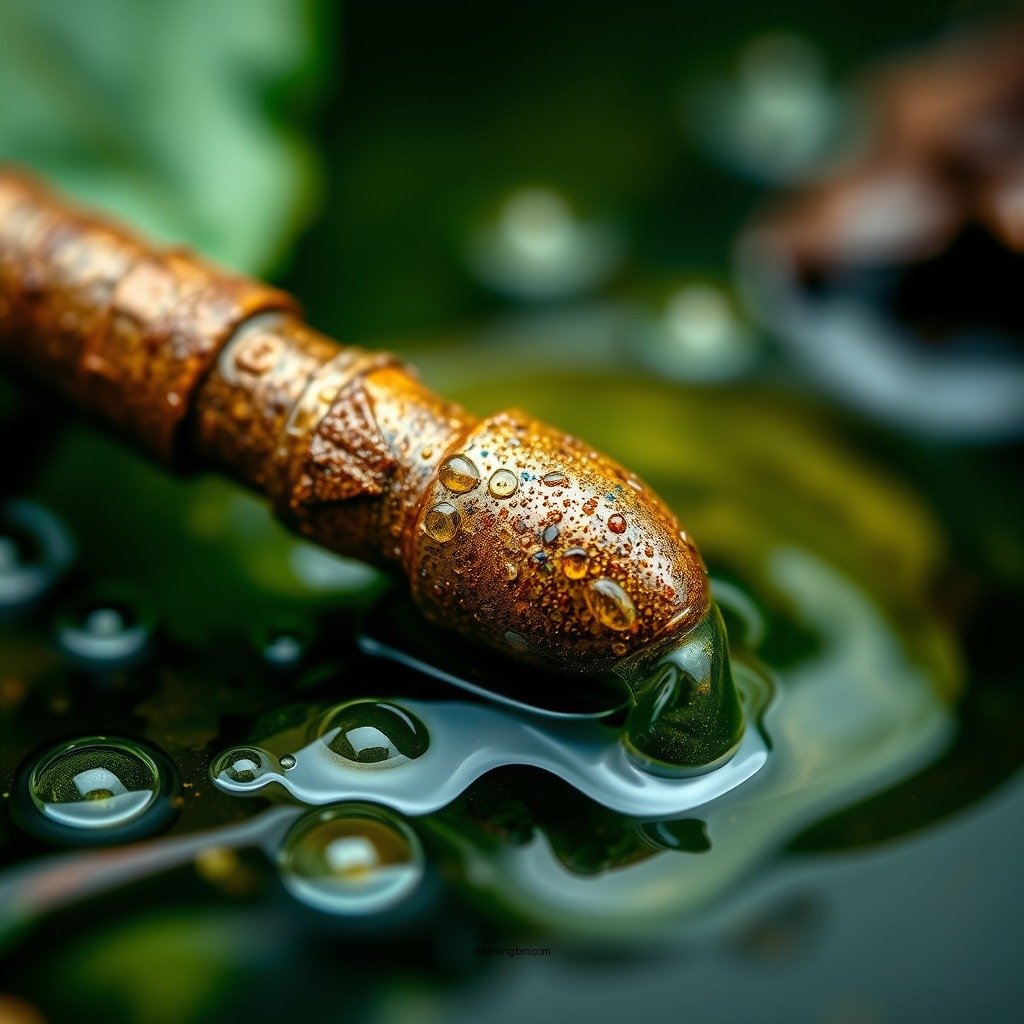
Mechanical solutions can provide immediate relief from algal blooms. Utilizing tools like pond skimmers or nets allows you to manually remove debris and algae from the water surface. Regularly removing fallen leaves, twigs, and other organic matter is essential, as this debris can decompose and release nutrients back into the water.
Another effective mechanical method is the installation of a fountain or aerator. These devices enhance water circulation and increase oxygen levels, making it difficult for algae to flourish while promoting healthier aquatic life. The movement created by fountains can also help prevent stagnation, reducing the chances of future blooms.
Top 5 Algae-Removing Products for Ponds (2024)
| # | Product Name | Type | Duration of Effectiveness | Eco-Friendly |
|---|---|---|---|---|
| 1 | Algaecide Plus | Chemical | 4-6 weeks | ❌ |
| 2 | Eco-Friendly Algae Control | Natural | 2-4 weeks | ✅ |
| 3 | Beneficial Bacteria | Biological | Ongoing | ✅ |
| 4 | Barley Straw Extract | Natural | 3-6 months | ✅ |
| 5 | Aquatic Plant Bundle | Biological | Ongoing | ✅ |
Biological Solutions
Biological solutions can be highly effective in managing algal blooms while also promoting a balanced ecosystem. Introducing beneficial bacteria into your pond can help break down decaying organic matter, thereby reducing the nutrient load that fuels algal growth. These microorganisms compete with algae for nutrients, effectively starving them and maintaining clearer water.
Additionally, incorporating aquatic plants such as water lilies and hornwort can naturally filter the water and provide shade, which further inhibits algae growth. These plants not only enhance the aesthetic appeal of your pond but also offer habitat for fish and other wildlife, promoting biodiversity.
Chemical Treatments
Chemical treatments, such as algaecides, can serve as a quick solution for severe algal blooms; however, they should be used judiciously. Many algaecides are effective in killing algae but can also harm fish and beneficial aquatic life if not applied correctly. It is crucial to follow the manufacturer’s instructions regarding dosage and application methods.
For those seeking eco-friendly options, there are algaecides made from natural ingredients that target algae without compromising the overall health of your pond’s ecosystem. Before opting for any chemical treatment, it is advisable to consult with a pond management professional to ensure safety and efficacy.
Preventive Measures
To prevent future algal blooms, establishing a routine for pond maintenance is essential. Regularly cleaning the pond and removing debris will limit the buildup of nutrients that contribute to algal growth. Additionally, implementing a balanced feeding schedule for fish can prevent excess nutrients from entering the water, as overfeeding can lead to decaying food contributing to nutrient overload.
Avoid over-fertilizing nearby gardens, as runoff can easily find its way into your pond. By being mindful of nutrient sources and practicing sustainable pond management, you can maintain a healthier aquatic environment.
Mechanical vs Biological vs Chemical Solutions for Algae Control
| Feature | ⭐ Mechanical | Biological | Chemical |
|---|---|---|---|
| Immediate Results | ✅ | ❌ | ✅ |
| Long-term Effectiveness | ❌ | ✅ | ❌ |
| Impact on Ecosystem | Neutral | Positive | Negative |
| Ease of Use | Easy | Moderate | Easy |
| Cost-Effectiveness | High | Moderate | High |
| Availability | Widely Available | Available | Widely Available |
| Effect on Fish | Neutral | Positive | Potentially Harmful |
| Environmental Impact | Low | Low | High |
| 🏆 Best For | Quick Fix | Sustainable Management | Immediate Results |
Long-term Maintenance Tips
Achieving a clear pond is not merely about addressing algal blooms; it requires ongoing maintenance and monitoring. Establishing a routine for testing water quality will help you keep track of nutrient levels and pH, allowing for timely interventions when necessary. Regularly monitor algae levels and take action before they escalate into a severe problem.
Encouraging a balanced ecosystem is also vital. Introducing a variety of native plants and ensuring an adequate fish population can create a self-regulating habitat. Beneficial microorganisms can help maintain water quality by breaking down organic matter and keeping nutrient levels in check. By implementing these long-term strategies, you can ensure a healthy and thriving pond environment.
Summarizing the key methods to clear green pond water, remember to address nutrient levels, utilize mechanical and biological solutions, and consider preventive measures for long-term health. Taking these steps will not only restore clarity to your pond but also enhance its overall ecosystem. Act now and transform your pond into a crystal-clear oasis!
Frequently Asked Questions
What are the primary causes of green pond water?
Green pond water is typically caused by an overgrowth of algae, which can thrive due to excess nutrients like nitrogen and phosphorus. These nutrients often come from decaying organic matter, runoff from fertilizers, or overfeeding fish. Identifying the root cause is essential for effectively clearing your pond water.
How can I effectively clear green pond water without harming wildlife?
To clear green pond water safely, consider using natural solutions like beneficial bacteria and enzymes that break down organic waste, which reduces nutrient levels. Additionally, introducing aquatic plants can help absorb excess nutrients and compete with algae for resources. Always ensure that any products used are labeled safe for aquatic life.
Why is my pond water green after a heavy rain?
Heavy rain can wash fertilizers, soil, and organic debris into your pond, leading to a spike in nutrient levels that fuel algae blooms. This sudden influx of nutrients combined with warm temperatures can create ideal conditions for algae growth, resulting in green pond water. Regular maintenance, such as cleaning the pond edges and installing filtration systems, can help mitigate this issue.
What are the best chemical treatments for clearing green pond water?
The best chemical treatments for green pond water include algaecides specifically formulated for ponds. Look for products containing copper sulfate or potassium permanganate, as these can effectively kill algae. However, it’s crucial to follow application instructions carefully to avoid harming fish and beneficial microorganisms in the pond.
Which plants are most effective in preventing green water in ponds?
Water lilies, hornwort, and duckweed are among the most effective plants for preventing green pond water. These aquatic plants provide shade, absorb excess nutrients, and compete with algae for resources. Incorporating a variety of these plants can help maintain a balanced ecosystem and keep your pond water clear and healthy.
References
- https://www.thoughtco.com/how-to-clear-green-pond-water-1388045
https://www.thoughtco.com/how-to-clear-green-pond-water-1388045 - https://www.extension.colostate.edu/docs/pubs/garden/07236.pdf
https://www.extension.colostate.edu/docs/pubs/garden/07236.pdf - A meta-analysis of the greenhouse gas abatement of bioenergy factoring in land use changes | Scie…
https://www.nature.com/articles/s41598-018-26712-x - https://www.sciencedirect.com/science/article/pii/S0048969717331655
https://www.sciencedirect.com/science/article/pii/S0048969717331655 - https://www.epa.gov/nutrientpollution/what-nutrient-pollution
https://www.epa.gov/nutrientpollution/what-nutrient-pollution - https://www.ncbi.nlm.nih.gov/pmc/articles/PMC6780120/
https://www.ncbi.nlm.nih.gov/pmc/articles/PMC6780120/ - Google Scholar Google Scholar
https://scholar.google.com/scholar?q=clear+green+pond+water - Google Scholar Google Scholar
https://scholar.google.com/scholar?q=pond+water+clarity+remedies - Google Scholar Google Scholar
https://scholar.google.com/scholar?q=algae+control+in+ponds - Google Scholar Google Scholar
https://scholar.google.com/scholar?q=how+do+you+clear+green+pond+water