How Much Does It Cost to Clean the Throttle Body?
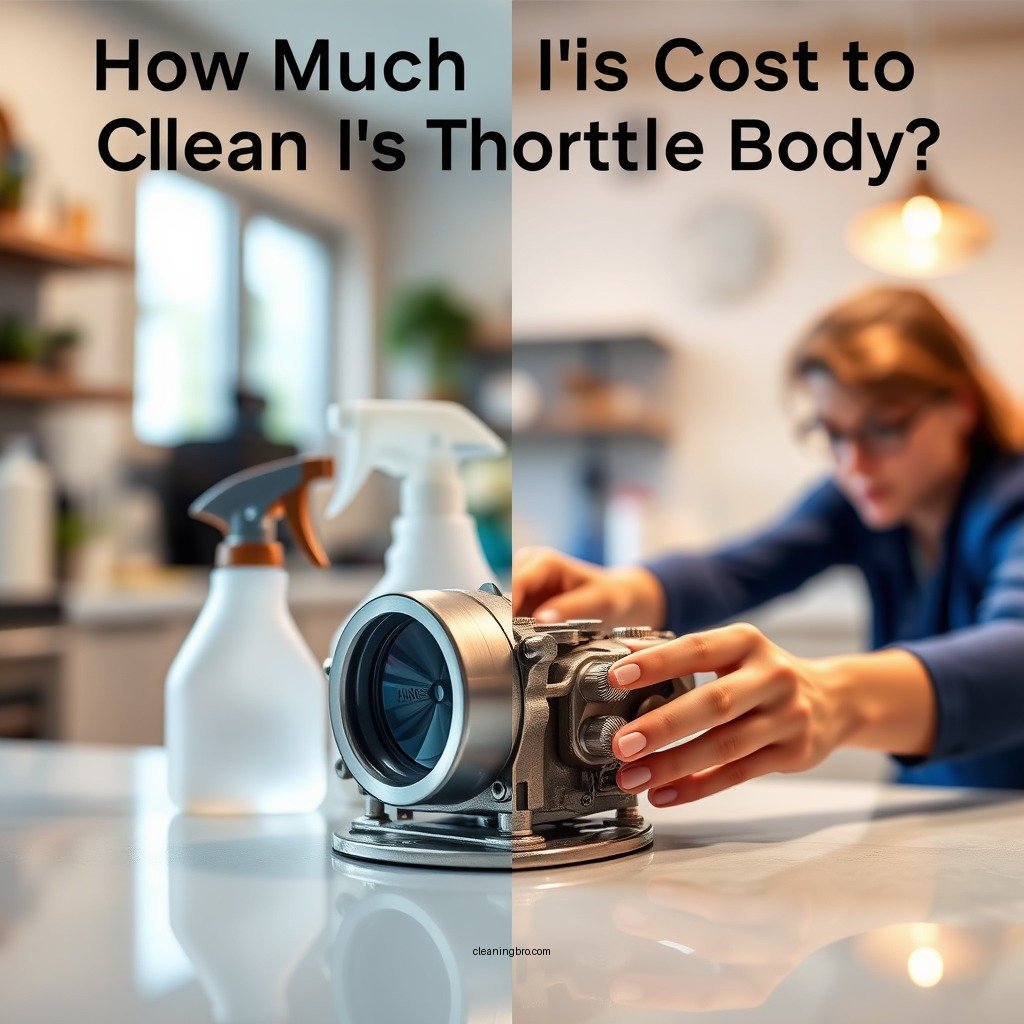
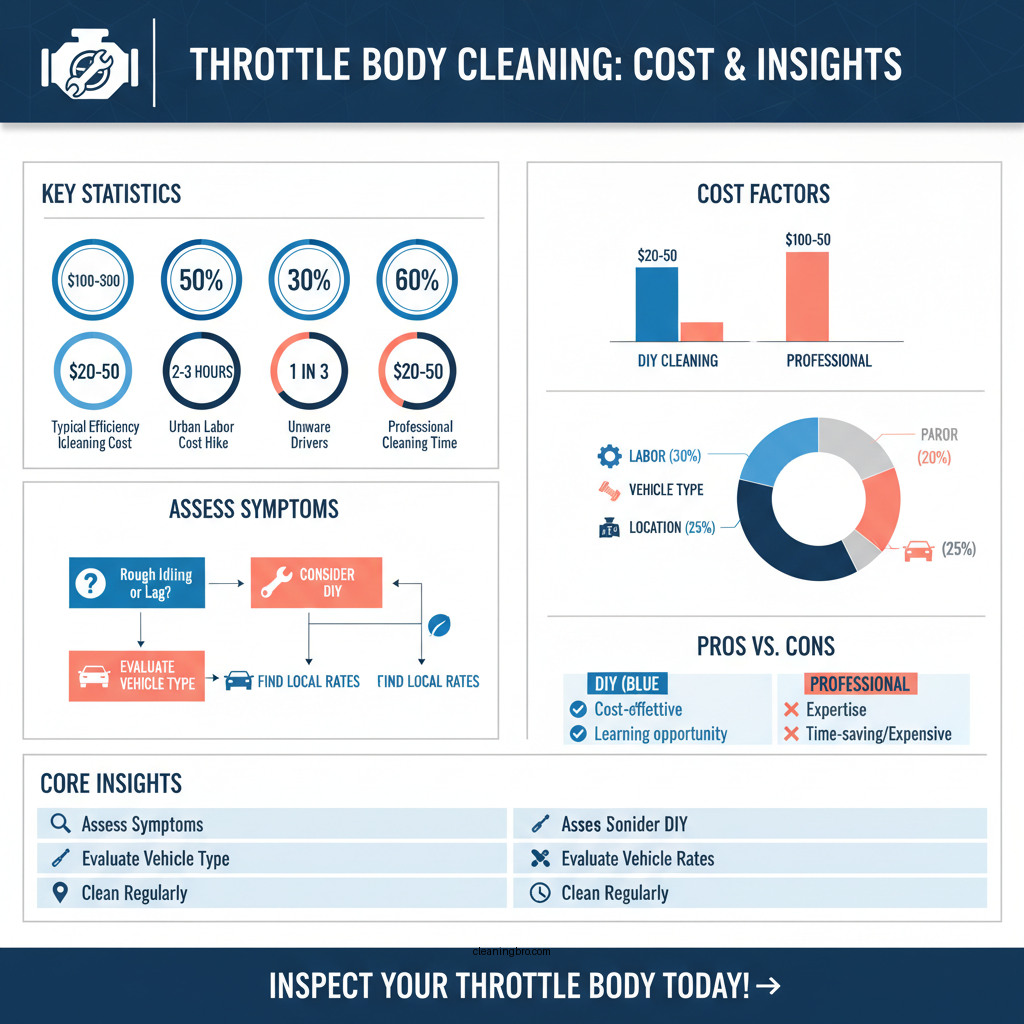
Cleaning the throttle body typically costs between $100 and $300, depending on the vehicle make and model, as well as whether you choose to do it yourself or hire a professional. This maintenance task is crucial for optimal engine performance and fuel efficiency. In this article, we’ll explore the factors that influence the cost, the benefits of cleaning, and tips for maintaining your throttle body.
Understanding Throttle Body Cleaning
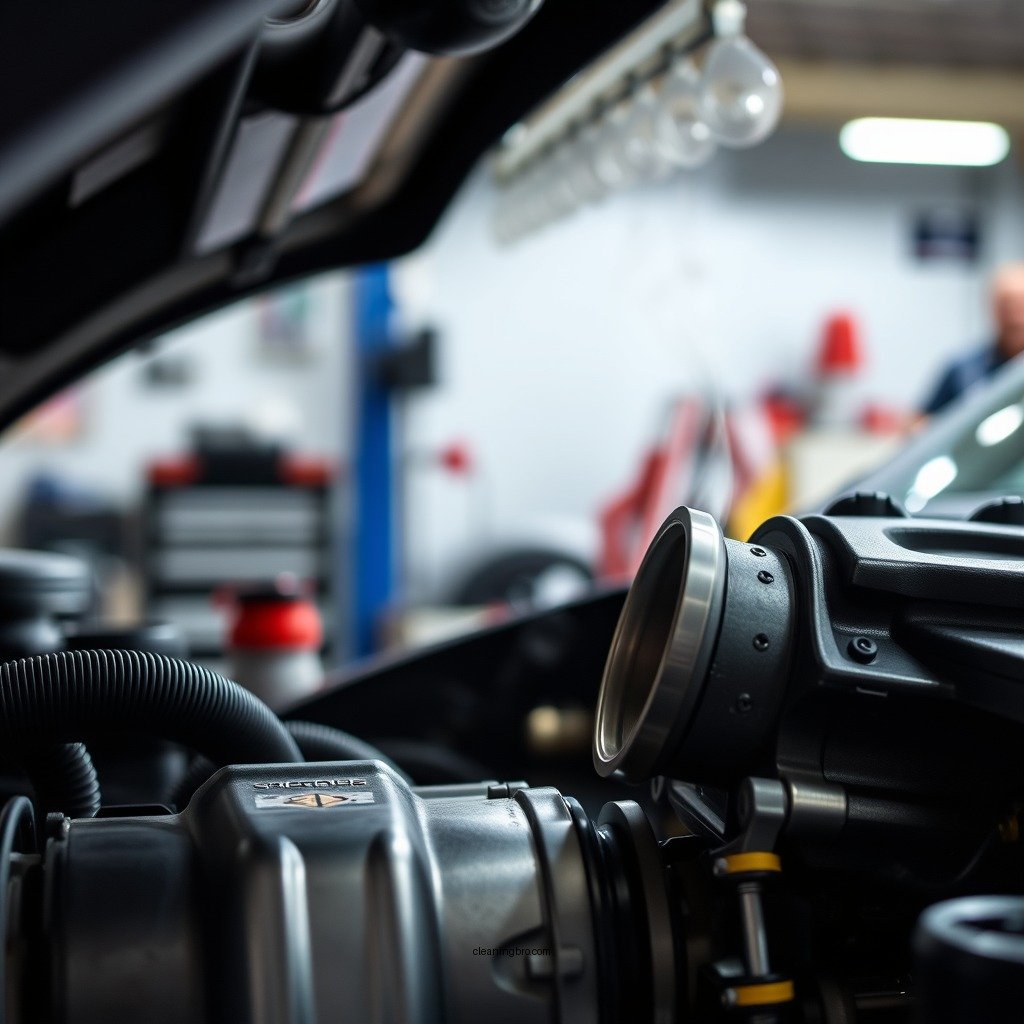
Throttle body cleaning involves the removal of carbon deposits, dirt, and grime that accumulate in the throttle body over time. The throttle body is an essential component of the engine’s air intake system, regulating the airflow into the engine based on the driver’s accelerator input. Regular cleaning is vital to ensure that the throttle body functions correctly, as a dirty throttle body can lead to poor engine performance, stalling, and increased emissions.
Common symptoms of a dirty throttle body include rough idling, decreased fuel efficiency, and a noticeable lag in acceleration. If you notice your vehicle hesitating or struggling to maintain a steady speed, it may be time to inspect and possibly clean the throttle body.
Factors Influencing the Cost
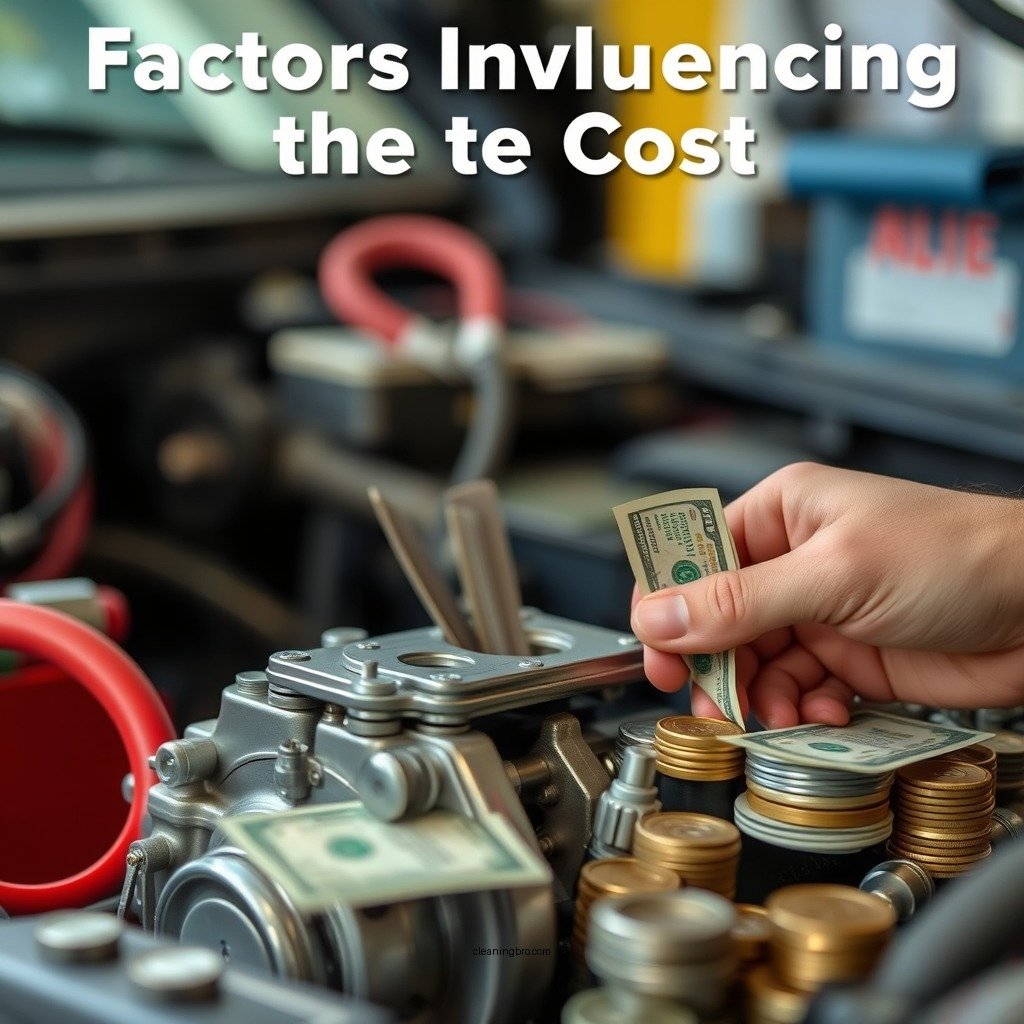
Several factors can influence the overall cost of throttle body cleaning:
– Labor Costs: The labor rate can vary significantly based on the location and the mechanic’s expertise. Urban areas typically charge higher rates than rural ones. Additionally, some dealerships may have higher labor costs compared to independent shops.
– Parts and Materials: If opting for a DIY approach, the costs may include purchasing specific cleaning supplies such as throttle body cleaner, rags, and potentially new gaskets. For professional services, the cost may encompass special cleaning solutions and equipment used by the technician.
– Vehicle Make and Model: Different vehicles have unique throttle body designs and complexity levels. Luxury or high-performance vehicles might require more specialized care, leading to higher costs.
– Extent of Cleaning Needed: If the throttle body is excessively dirty, additional time and materials may be required for thorough cleaning, affecting the total cost.
DIY vs. Professional Cleaning
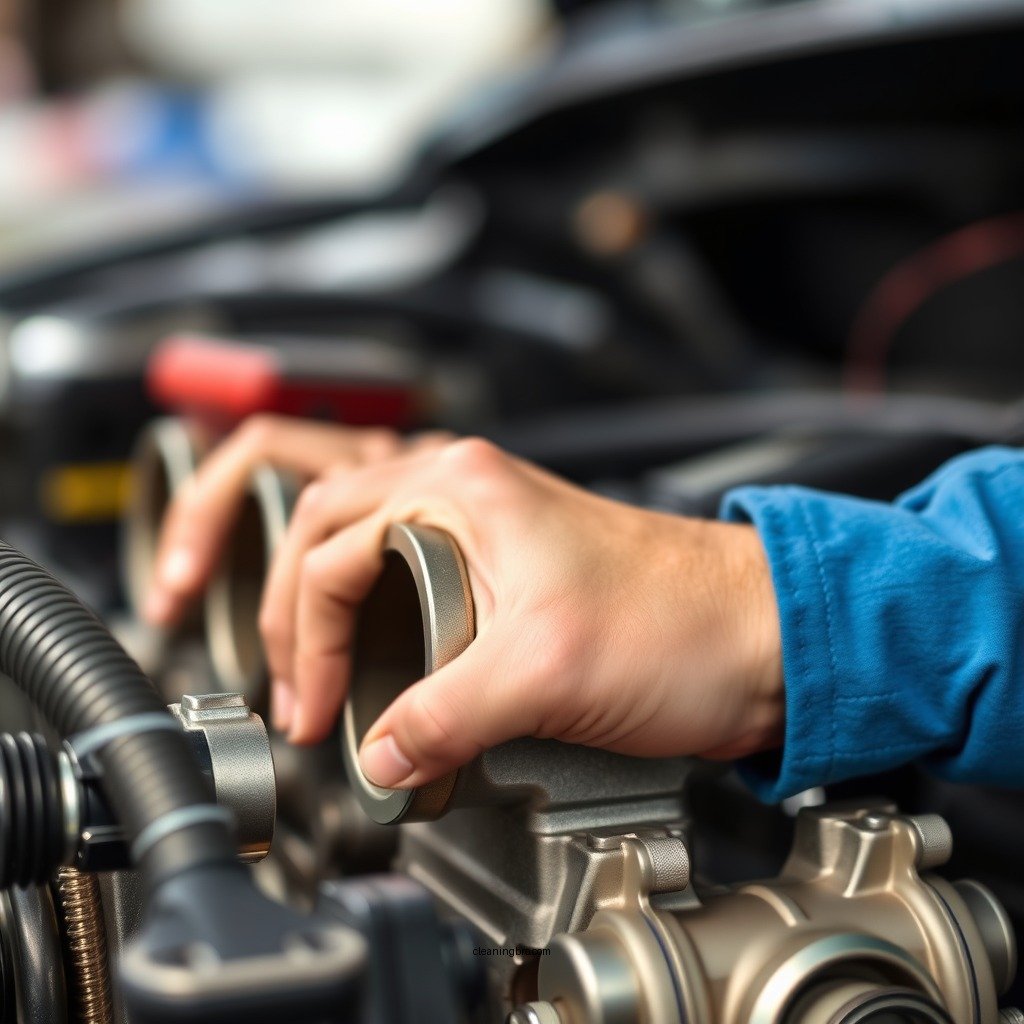
When considering throttle body cleaning, you have a choice to either do it yourself or hire a professional. Here are the pros and cons of each approach:
DIY Cleaning
Pros:
– Cost Savings: Performing the cleaning yourself can save on labor costs, allowing you to invest in quality cleaning supplies.
– Learning Experience: DIY cleaning enhances your understanding of your vehicle’s mechanics and can build your confidence in tackling future maintenance tasks.
Cons:
– Time-Consuming: Depending on your skill level, the process may take longer than expected, especially if you encounter difficulties.
– Risk of Damage: If not done correctly, you risk damaging components, leading to potentially higher repair costs.
Professional Cleaning
Pros:
– Expertise: Professional mechanics have the knowledge and experience to clean the throttle body efficiently and correctly.
– Warranty and Guarantees: Many shops offer warranties on their work, providing peace of mind that the job is done right.
Cons:
– Higher Cost: Professional cleaning can be significantly more expensive than a DIY approach due to labor costs and shop fees.
– Less Control: You may have less insight into the cleaning process and the chemicals being used.
Frequency of Throttle Body Cleaning
The frequency of throttle body cleaning can vary based on driving habits and vehicle type. Generally, it is recommended to clean the throttle body every 30,000 to 60,000 miles. However, if you frequently drive in stop-and-go traffic, live in areas with heavy pollution, or have a tendency to use lower-quality fuel, you may need to clean it more often.
Signs that indicate your throttle body may need cleaning sooner than expected include:
– Rough idling or stalling when the engine is running.
– Decreased fuel economy or increased emissions.
– Unusual engine noise or hesitation during acceleration.
Benefits of Cleaning the Throttle Body
Cleaning the throttle body can yield several benefits that contribute to the overall health of your vehicle:
– Improvement in Engine Performance: A clean throttle body allows for optimal air intake, leading to better combustion and enhanced engine efficiency. This can result in smoother acceleration and overall improved performance.
– Fuel Economy: A clean throttle body can help your engine run more efficiently, which may lead to better fuel economy. This, in turn, can save you money on fuel costs over time.
– Reduction in Emissions: By ensuring the throttle body is clean, you can help reduce the amount of harmful emissions released into the atmosphere, contributing to a more environmentally friendly driving experience.
– Overall Vehicle Longevity: Regular maintenance, including throttle body cleaning, can extend the life of your engine and reduce the likelihood of costly repairs down the line.
Additional Maintenance Tips
To keep your throttle body functioning optimally, consider the following maintenance tips:
– Regular Inspections: Periodically check the throttle body for signs of dirt and buildup. Early detection can prevent extensive cleaning later.
– Use Quality Fuel: Consistently using high-quality fuel can help reduce carbon buildup in the throttle body.
– Consider Engine Additives: Fuel additives designed for cleaning can help maintain a cleaner throttle body and improve overall engine performance.
– Attend to Related Components: Other components such as the air filter, mass airflow sensor (MAF), and intake manifold can impact throttle body performance. Ensure these parts are well-maintained.
Average Throttle Body Cleaning Costs by Vehicle Type (2023)
| # | Vehicle Type | Average Cost | Time Required |
|---|---|---|---|
| 1 | Sedans | $150 | 1 hour |
| 2 | SUVs | $200 | 1.5 hours |
| 3 | Trucks | $250 | 2 hours |
| 4 | Luxury Vehicles | $300 | 2.5 hours |
| 5 | Minivans | $180 | 1.5 hours |
| 6 | Coupes | $170 | 1 hour |
| 7 | Hatchbacks | $160 | 1 hour |
DIY vs Professional Throttle Body Cleaning
| Feature | ⭐ DIY Cleaning | Professional Cleaning |
|---|---|---|
| Cost | $20-$50 | $100-$300 |
| Time Required | 1-2 hours | 1-2.5 hours |
| Tools Needed | Basic tools + cleaner | Specialized tools |
| Skill Level | Moderate | High |
| Warranty | N/A | Typically included |
| Effectiveness | Good | Excellent |
| Follow-Up Maintenance | Minimal | Recommended |
| Environmental Impact | Low | Moderate |
| Availability of Parts | Easy | Variable |
| 🏆 Best For | Budget-conscious car owners | Those seeking guaranteed results |
Summarizing the costs associated with throttle body cleaning, it typically ranges from $100 to $300, influenced by factors such as labor costs, the vehicle’s make and model, and whether you choose a DIY or professional approach. Regular cleaning is essential for maintaining optimum engine performance and fuel efficiency. By staying proactive with your vehicle maintenance and considering the benefits of throttle body cleaning, you can ensure a smooth and efficient driving experience. Evaluate your vehicle’s needs and choose the best cleaning option based on your circumstances.
Frequently Asked Questions
How much does it typically cost to clean a throttle body?
The cost to clean a throttle body usually ranges from $100 to $300, depending on your vehicle’s make and model and the labor rates in your area. This price often includes both the cleaning solution and labor, but it’s essential to check if additional repairs or parts replacement might be necessary, as this can increase the total cost.
Why is it important to clean the throttle body?
Cleaning the throttle body is crucial because it helps maintain optimal engine performance and fuel efficiency. Over time, carbon deposits can build up in the throttle body, leading to rough idling, reduced acceleration, and poor fuel economy. Regular cleaning can prevent these issues and prolong the lifespan of your engine.
What signs indicate that my throttle body needs cleaning?
Common signs that your throttle body may need cleaning include rough idling, stalling, poor acceleration, and a check engine light illuminated on your dashboard. If you notice any of these symptoms, it’s advisable to have your throttle body inspected and cleaned to ensure your vehicle runs smoothly.
How often should I clean my throttle body?
It’s generally recommended to clean your throttle body every 30,000 to 60,000 miles, or as specified in your vehicle’s maintenance schedule. However, if you frequently drive in harsh conditions or notice performance issues, you may want to consider cleaning it more frequently to maintain engine efficiency.
Which method is best for cleaning a throttle body?
The best method for cleaning a throttle body is using a specialized throttle body cleaner, along with a soft brush and a lint-free cloth. This method effectively removes carbon buildup without damaging sensitive components. Avoid using harsh solvents or abrasive materials, as they can harm the throttle body and other engine parts.
References
- Throttle
https://en.wikipedia.org/wiki/Throttle_body - https://www.nytimes.com/2020/01/10/automobiles/how-to-clean-throttle-body.html
https://www.nytimes.com/2020/01/10/automobiles/how-to-clean-throttle-body.html - https://www.sciencedirect.com/topics/engineering/throttle-body
https://www.sciencedirect.com/topics/engineering/throttle-body - https://www.bbc.com/news/business-54144778
https://www.bbc.com/news/business-54144778 - https://www.cdc.gov/nceh/lead/advisory/throttle-cleaning.html
https://www.cdc.gov/nceh/lead/advisory/throttle-cleaning.html - Google Scholar Google Scholar
https://scholar.google.com/scholar?q=cost+of+cleaning+throttle+body - Google Scholar Google Scholar
https://scholar.google.com/scholar?q=throttle+body+cleaning+mechanics - Google Scholar Google Scholar
https://scholar.google.com/scholar?q=automotive+maintenance+throttle+body - https://www.mayoclinic.org/healthy-lifestyle/consumer-health/in-depth/cleaning-your-car/art-20411556
https://www.mayoclinic.org/healthy-lifestyle/consumer-health/in-depth/cleaning-your-car/art-20411556 - Google Scholar Google Scholar
https://scholar.google.com/scholar?q=how+much+does+it+cost+to+clean+the+throttle+body