
How Often to Clean the Throttle Body for Optimal Performance
Cleaning the throttle body is essential for maintaining engine performance, and it’s generally recommended to do so every 30,000 to 50,000 miles, depending on your driving conditions and vehicle type. Regular cleaning can prevent issues such as rough idling, decreased fuel efficiency, and reduced power, thereby enhancing your vehicle’s overall performance. In this article, you’ll learn more about the frequency of throttle body cleaning, signs that indicate it needs attention, and the best practices for keeping it in top shape.
Understanding the Throttle Body’s Role
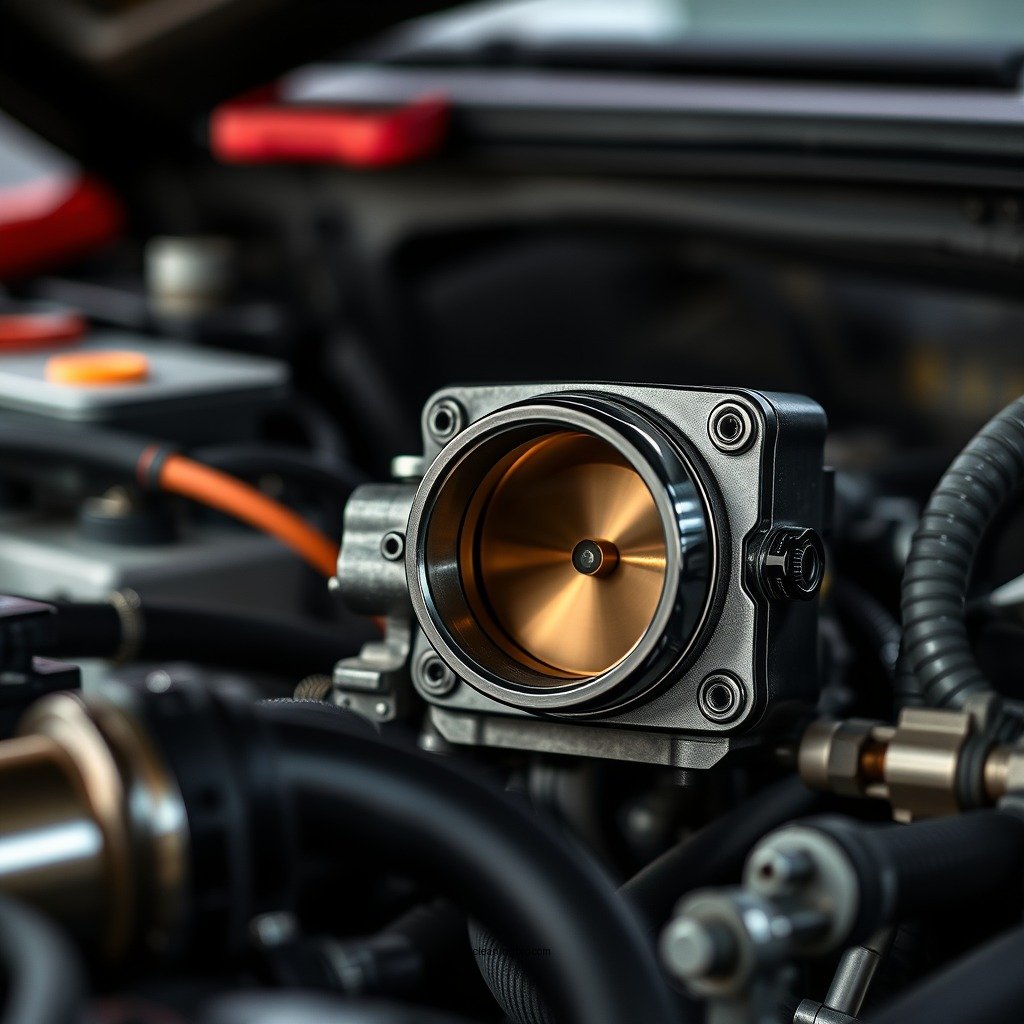
The throttle body is a crucial component of your vehicle’s air intake system. It regulates the amount of air that enters the engine, which directly influences performance and fuel efficiency. When you press the accelerator pedal, the throttle body opens to allow more air in, mixing it with fuel for combustion. A clean throttle body ensures that this process occurs efficiently, promoting optimal engine function.
Conversely, a dirty throttle body can cause various problems. Carbon deposits, dirt, and other contaminants can build up over time, restricting airflow and leading to poor combustion. This can result in a noticeable decline in fuel economy and engine power. Therefore, maintaining a clean throttle body is not just about performance; it’s also about sustaining the overall health of your engine.
Signs Your Throttle Body Needs Cleaning
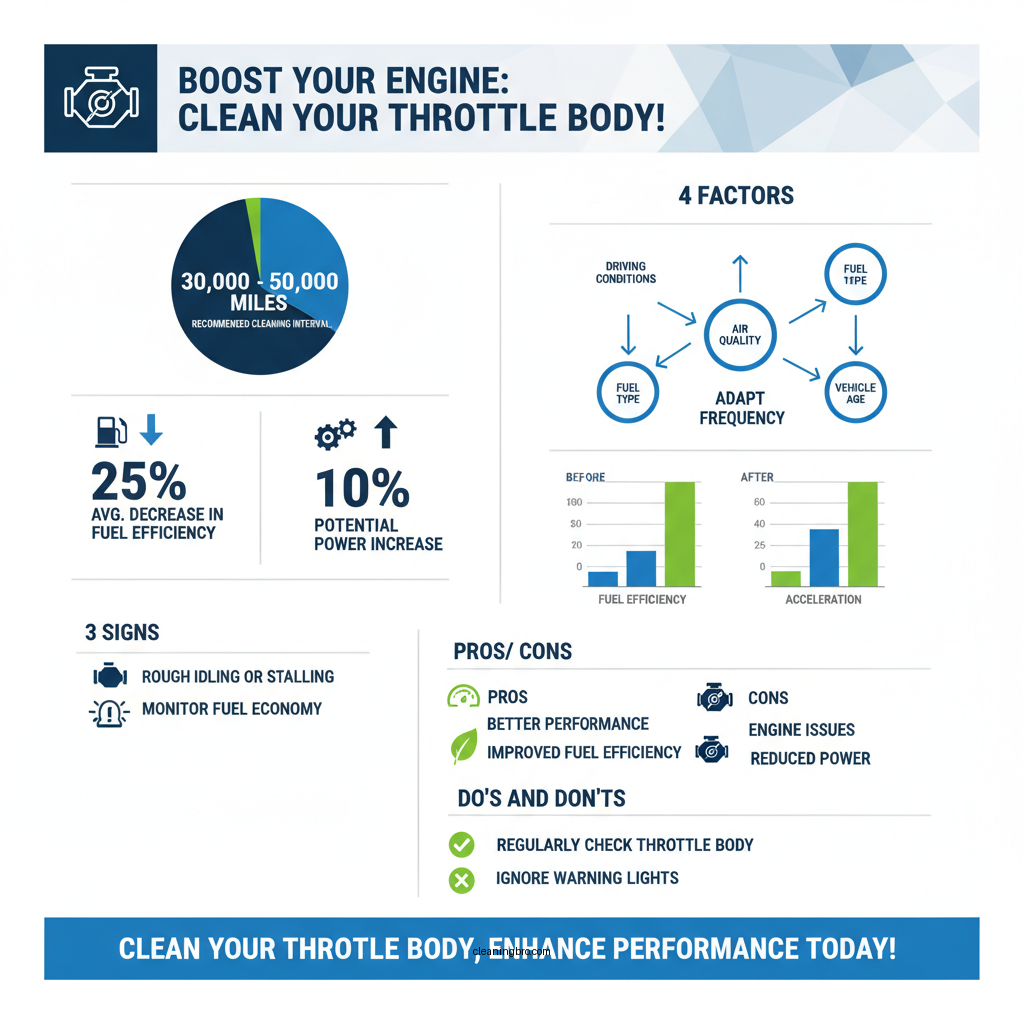
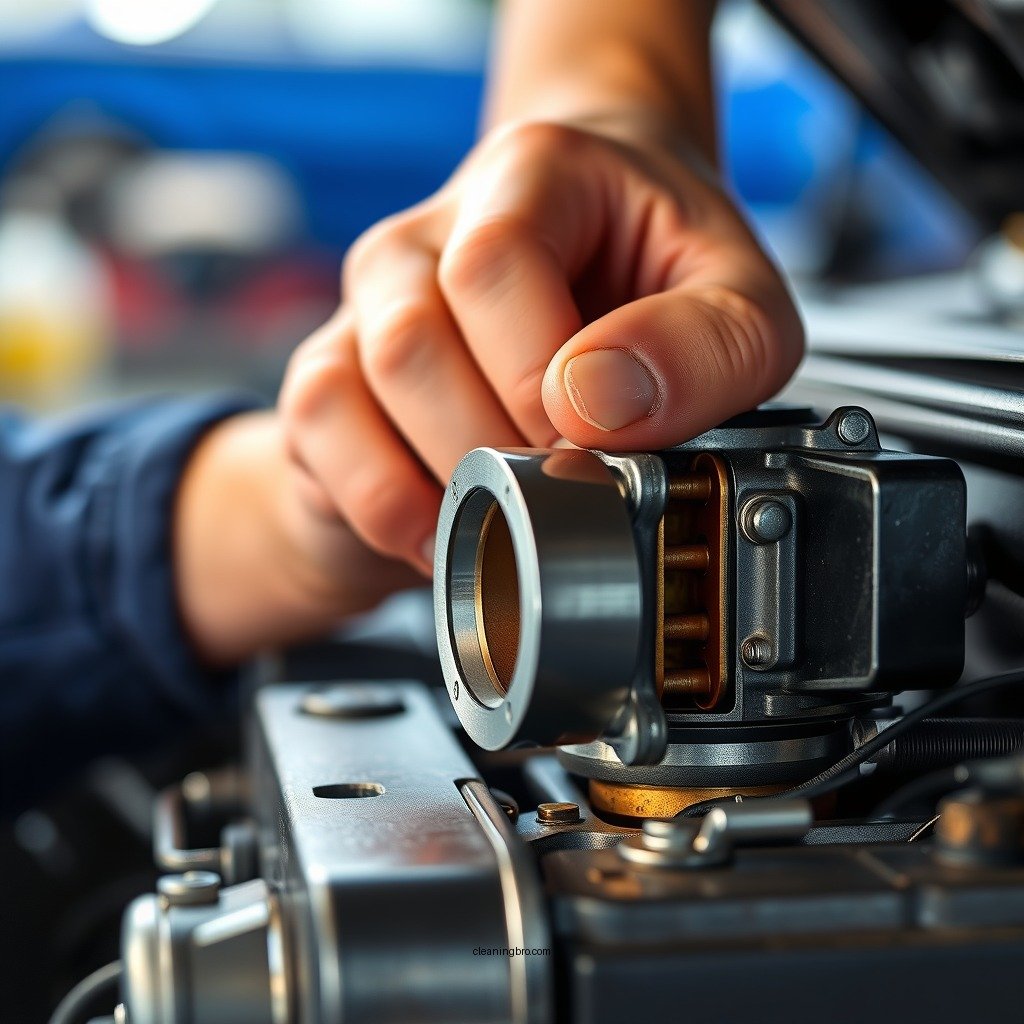
Identifying the signs of a dirty throttle body is critical for maintaining your vehicle’s performance. Here are some common indicators that it may be time for a cleaning:
– Rough Idling or Stalling: If your engine feels rough when idling or stalls frequently—especially when cold—this could point to a buildup of carbon and grime in the throttle body.
– Decreased Fuel Economy: Noticing that you’re filling up more often than usual? A dirty throttle body affects the air-fuel mixture, leading to inefficient combustion and increased fuel consumption.
– Check Engine Light Activation: Many modern vehicles have sensors that can detect if the throttle body is not functioning correctly. A triggered check engine light might indicate that it’s time for maintenance.
– Poor Acceleration: If your vehicle hesitates or lags during acceleration, it may be due to airflow restrictions caused by a dirty throttle body.
Being proactive about these signs can save you from more expensive repairs down the line.
Factors Influencing Cleaning Frequency
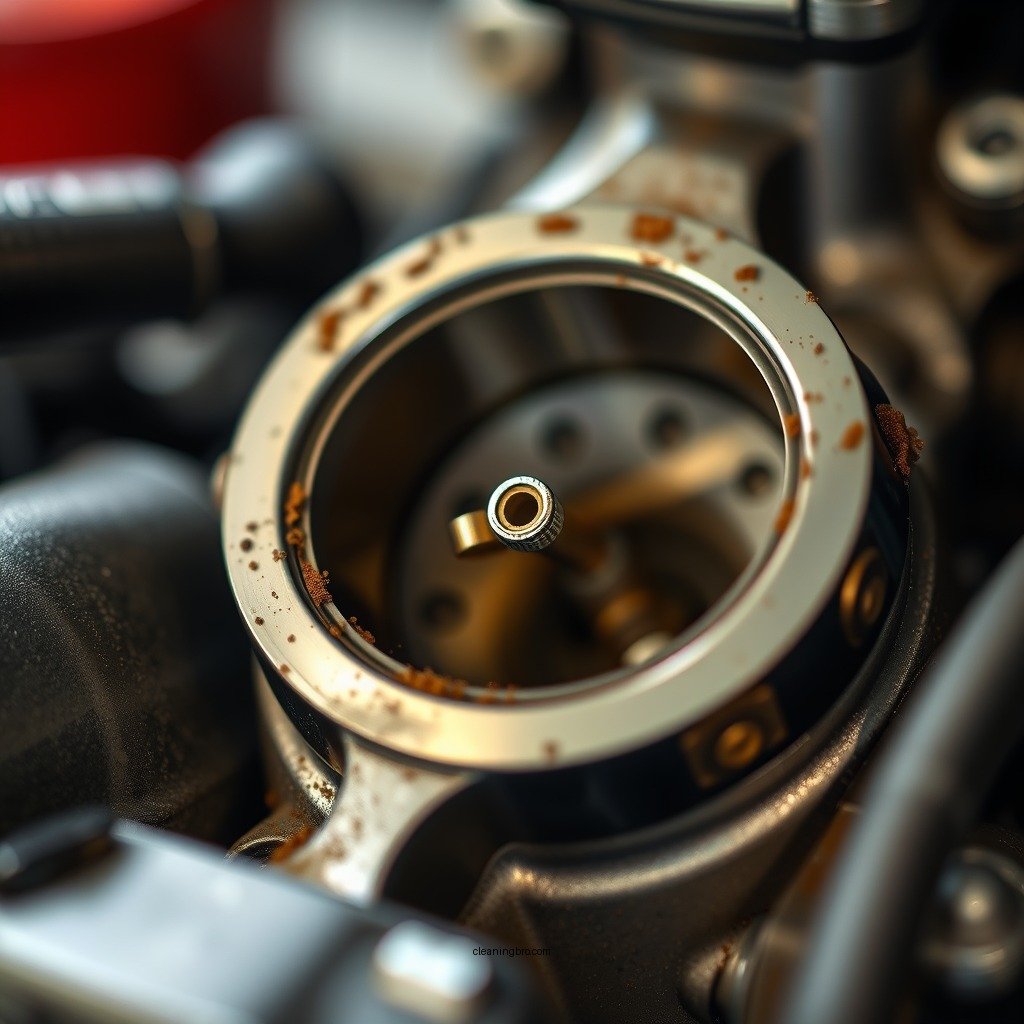
Several factors can influence how often you need to clean your throttle body:
– Driving Conditions: If you often drive in stop-and-go traffic, on short trips, or in dusty environments, your throttle body will likely accumulate dirt and grime faster than if you primarily drive on long highway trips.
– Engine Type: Vehicles with turbocharged engines often demand more air, leading to increased carbon buildup. Therefore, these engines may require more frequent cleaning than naturally aspirated engines.
– Fuel Quality: Using low-quality fuel can introduce more contaminants into the engine, leading to faster buildup in the throttle body.
Understanding these factors can help you create a tailored maintenance schedule for your vehicle.
Throttle Body Cleaning Frequency Based on Driving Conditions
| # | Driving Condition | Recommended Interval (miles) | Frequency |
|---|---|---|---|
| 1 | Regular Highway Driving | 50,000 | Every 2-3 years |
| 2 | Mixed Driving Conditions | 40,000 | Every 1-2 years |
| 3 | City Driving/Short Trips | 30,000 | Every year |
| 4 | Dusty or Off-Road Conditions | 25,000 | Every 6-12 months |
The Cleaning Process: DIY or Professional?
When it comes to cleaning the throttle body, you have two primary options: do it yourself (DIY) or hire a professional mechanic. The choice often depends on your comfort level with car maintenance and the severity of the buildup.
– DIY Cleaning: This can be a straightforward process if you have the right tools and materials. You will need throttle body cleaner, a soft cloth or brush, and possibly some basic tools to access the throttle body. The steps generally include:
1. Disconnecting the battery (to avoid electrical issues).
2. Removing the air intake duct to access the throttle body.
3. Spraying the cleaner onto the throttle body and wiping it clean.
4. Reassembling everything and reconnecting the battery.
While this is a cost-effective option, caution is advised. Incorrect handling can lead to damage or improper assembly.
– Professional Cleaning: If your throttle body has significant buildup or if you’re unsure about the cleaning process, it’s best to consult a professional mechanic. They have specialized equipment and experience to perform a thorough cleaning, ensuring that your engine runs smoothly afterward. Moreover, a professional inspection can identify underlying issues not related to the throttle body.
Best Practices for Maintenance
To keep your throttle body in optimal condition between cleanings, consider these best practices:
– Regularly Check Air Filters: A clean air filter prevents debris and contaminants from reaching the throttle body, reducing the frequency of required cleanings.
– Use High-Quality Fuel: Opting for higher-quality fuel can minimize deposits and improve combustion efficiency.
– Schedule Periodic Inspections: Incorporate throttle body checks into your regular vehicle maintenance routine. This can help catch potential issues early before they escalate into more significant problems.
– Monitor Engine Performance: Pay attention to how your vehicle performs. If you notice any changes, investigate immediately.
Implementing these practices can significantly extend the life of your throttle body and improve your vehicle’s overall performance.
Throttle Body Cleaning Products: DIY vs. Professional Services
| Feature | ⭐ DIY Cleaning | Professional Cleaning | Cost |
|---|---|---|---|
| Affordability | ✅ Low cost | ❌ High cost | $10-$20 |
| Time Required | ✅ 30-60 minutes | ✅ 1-2 hours | N/A |
| Expertise Needed | ❌ Basic knowledge required | ✅ High expertise | N/A |
| Tools Required | ✅ Basic tools | ✅ Professional tools | N/A |
| Cleaning Quality | ✅ Good | ✅ Excellent | N/A |
| Follow-Up Service | ❌ None | ✅ Warranty included | N/A |
| Risk of Damage | ✅ Low risk | ❌ Moderate risk | N/A |
| Customer Support | ❌ Limited | ✅ Comprehensive | N/A |
| Environmental Impact | ✅ Minimal | ✅ Low | N/A |
| 🏆 Best For | Budget-conscious DIYers | Car owners seeking quality | N/A |
Tools and Products for Effective Cleaning
Using the right tools and products is vital for effective throttle body cleaning. Here are some recommendations:
– Throttle Body Cleaner: Look for a reputable brand that specializes in automotive cleaning products. Ensure it’s safe for your specific engine type and does not leave residue.
– Soft Cloth or Brush: A lint-free cloth or soft-bristle brush can help remove dirt without scratching sensitive components.
– Safety Gear: Always wear gloves and goggles to protect yourself from harmful chemicals and debris.
– Basic Tools: Depending on your vehicle, you may need screwdrivers or socket wrenches to remove the air intake duct.
Before starting the cleaning process, ensure that you read the manufacturer’s instructions on the cleaner and follow any safety guidelines.
When to Seek Professional Help
Certain indicators suggest that your throttle body may need more than just cleaning. If you notice any of the following, it may be time to consult a professional:
– Persistent Engine Problems: If cleaning does not resolve issues like stalling or rough idling, there may be other underlying problems affecting your engine.
– Unusual Noises: Strange sounds coming from the throttle body or engine compartment could indicate a mechanical failure.
– Frequent Check Engine Light: If the light continues to activate after cleaning, it might be time for a professional diagnostic to uncover deeper issues.
Consulting a mechanic can provide insights that go beyond simple cleaning, ensuring that your vehicle remains in optimal condition.
Maintaining a clean throttle body is crucial for your engine’s longevity and efficiency. By adhering to a cleaning schedule and paying attention to your vehicle’s performance, you can prevent costly repairs and ensure a smooth ride. If you notice any signs of a dirty throttle body, don’t hesitate to take action—whether that means cleaning it yourself or seeking professional assistance. Regular maintenance not only enhances performance but also extends the life of your vehicle, giving you peace of mind on the road.
Frequently Asked Questions
How often should I clean my throttle body?
It’s generally recommended to clean your throttle body every 30,000 to 50,000 miles, or whenever you notice symptoms like rough idling, decreased fuel efficiency, or trouble starting your vehicle. Regular maintenance helps ensure optimal engine performance and can prevent costly repairs in the long run.
What are the signs that my throttle body needs cleaning?
Common signs that indicate your throttle body may need cleaning include poor acceleration, rough idling, stalling, and increased fuel consumption. If you also notice a check engine light or unusual engine sounds, it’s wise to inspect and clean the throttle body to maintain engine efficiency.
Why is it important to clean the throttle body?
Cleaning the throttle body is crucial for maintaining optimal airflow to the engine, which directly impacts performance and fuel efficiency. A dirty throttle body can lead to carbon buildup that restricts airflow, causing rough running conditions and increased emissions, making regular cleaning a vital part of vehicle maintenance.
How do I clean the throttle body myself?
To clean the throttle body yourself, first disconnect the battery and remove the air intake duct to access the throttle body. Use a throttle body cleaner and a soft cloth or brush to gently scrub away carbon deposits, ensuring not to damage any components. Reassemble everything carefully and reconnect the battery for a smooth-running engine.
Which products are best for cleaning the throttle body?
The best products for cleaning the throttle body are specifically formulated throttle body cleaners, such as those from brands like CRC or Sea Foam. These cleaners effectively dissolve carbon buildup without harming the throttle body or other engine components, ensuring a thorough clean while promoting better engine performance.
References
- Throttle
https://en.wikipedia.org/wiki/Throttle_body - https://www.mayoclinic.org/healthy-lifestyle/consumer-health/in-depth/automotive-maintenance/art-20045083
https://www.mayoclinic.org/healthy-lifestyle/consumer-health/in-depth/automotive-maintenance/art-20045083 - https://www.sciencedirect.com/topics/engineering/throttle-body
https://www.sciencedirect.com/topics/engineering/throttle-body - https://pubmed.ncbi.nlm.nih.gov/29215797/
https://pubmed.ncbi.nlm.nih.gov/29215797/ - Horner Syndrome – StatPearls – NCBI Bookshelf
https://www.ncbi.nlm.nih.gov/books/NBK500000/ - https://www.britannica.com/science/throttle-body
https://www.britannica.com/science/throttle-body - Google Scholar Google Scholar
https://scholar.google.com/scholar?q=clean+throttle+body - Google Scholar Google Scholar
https://scholar.google.com/scholar?q=throttle+body+maintenance - Google Scholar Google Scholar
https://scholar.google.com/scholar?q=automotive+engine+cleanliness - Google Scholar Google Scholar
https://scholar.google.com/scholar?q=how+often+clean+throttle+body