How Often to Clean Your Goldfish Tank: A Complete Guide
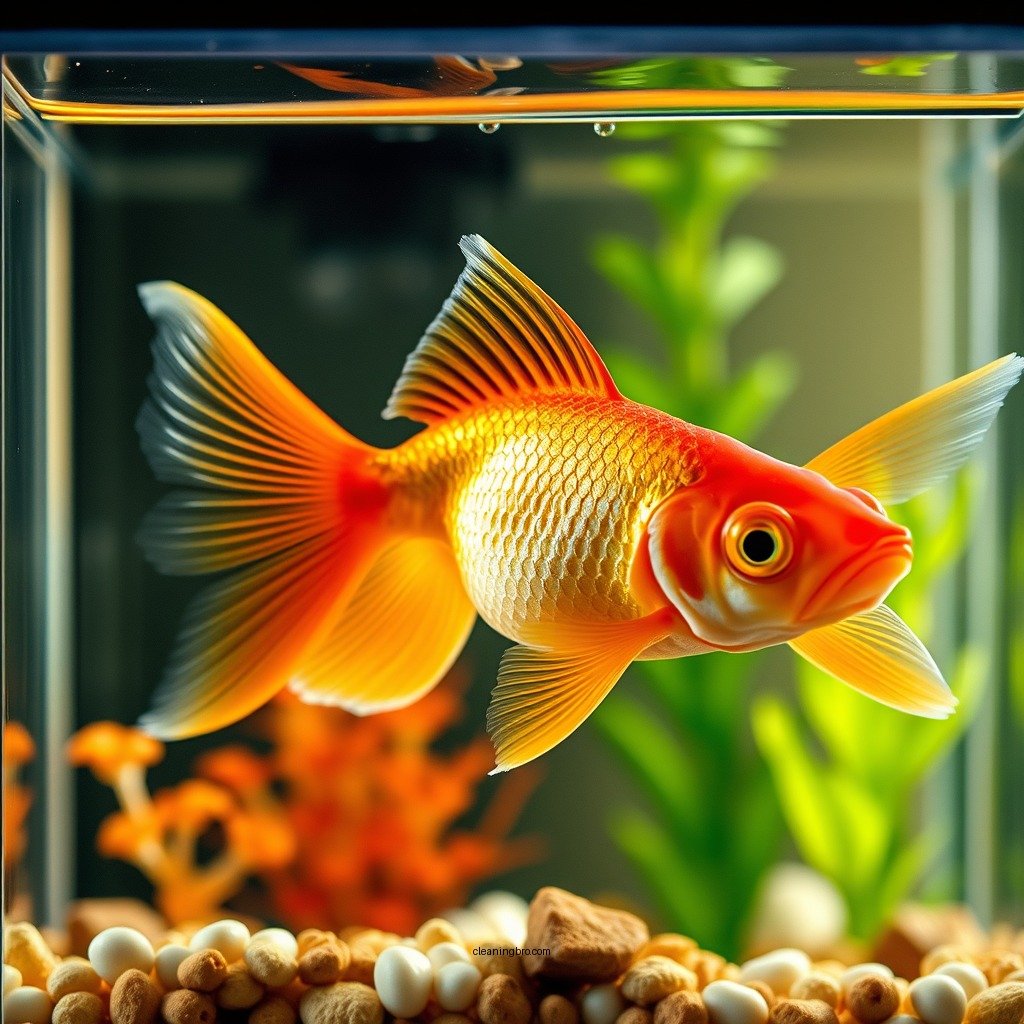
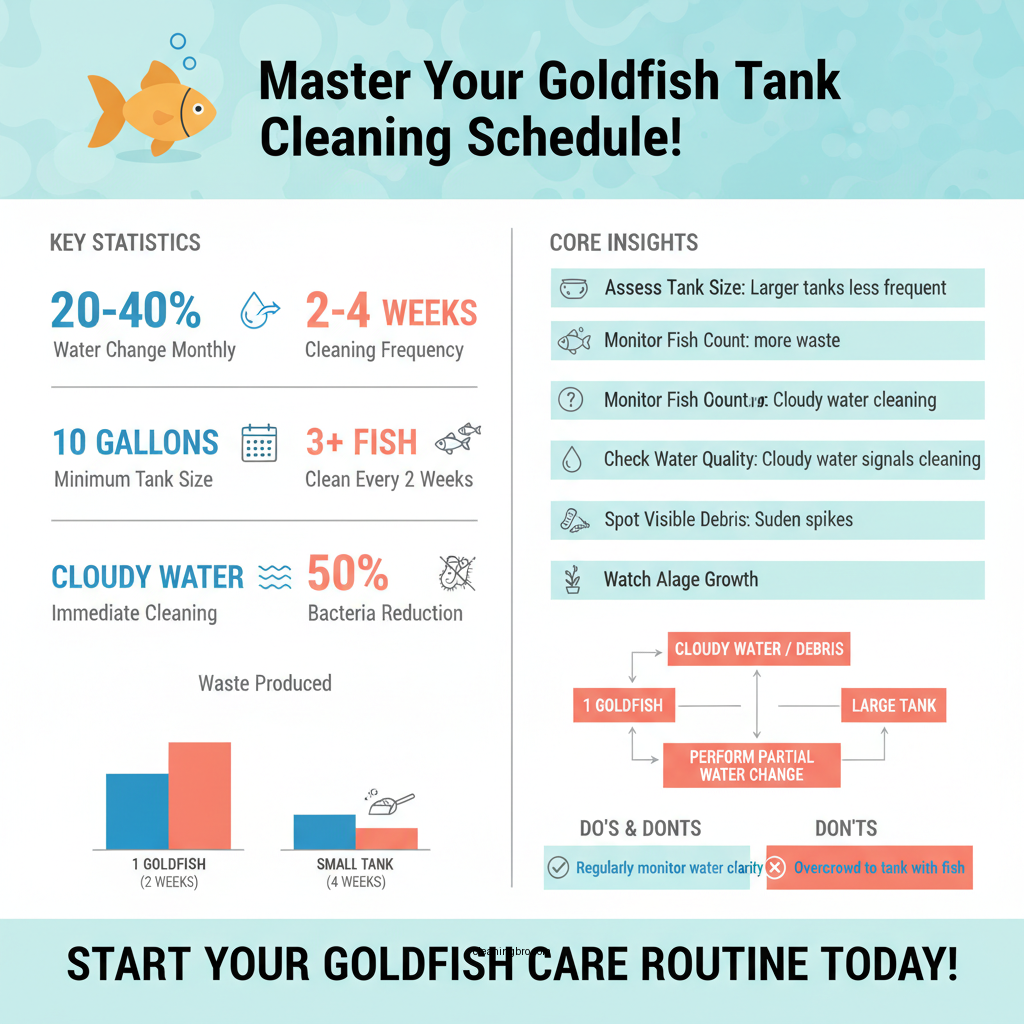
To maintain a healthy environment for your goldfish, you should clean their tank every two to four weeks, depending on the tank size and the number of fish. Regular maintenance ensures clean water and minimizes harmful bacteria. In this article, you’ll learn how to establish a cleaning schedule that suits your goldfish’s needs and the best practices for keeping their habitat clean.
Understanding Goldfish Tank Maintenance
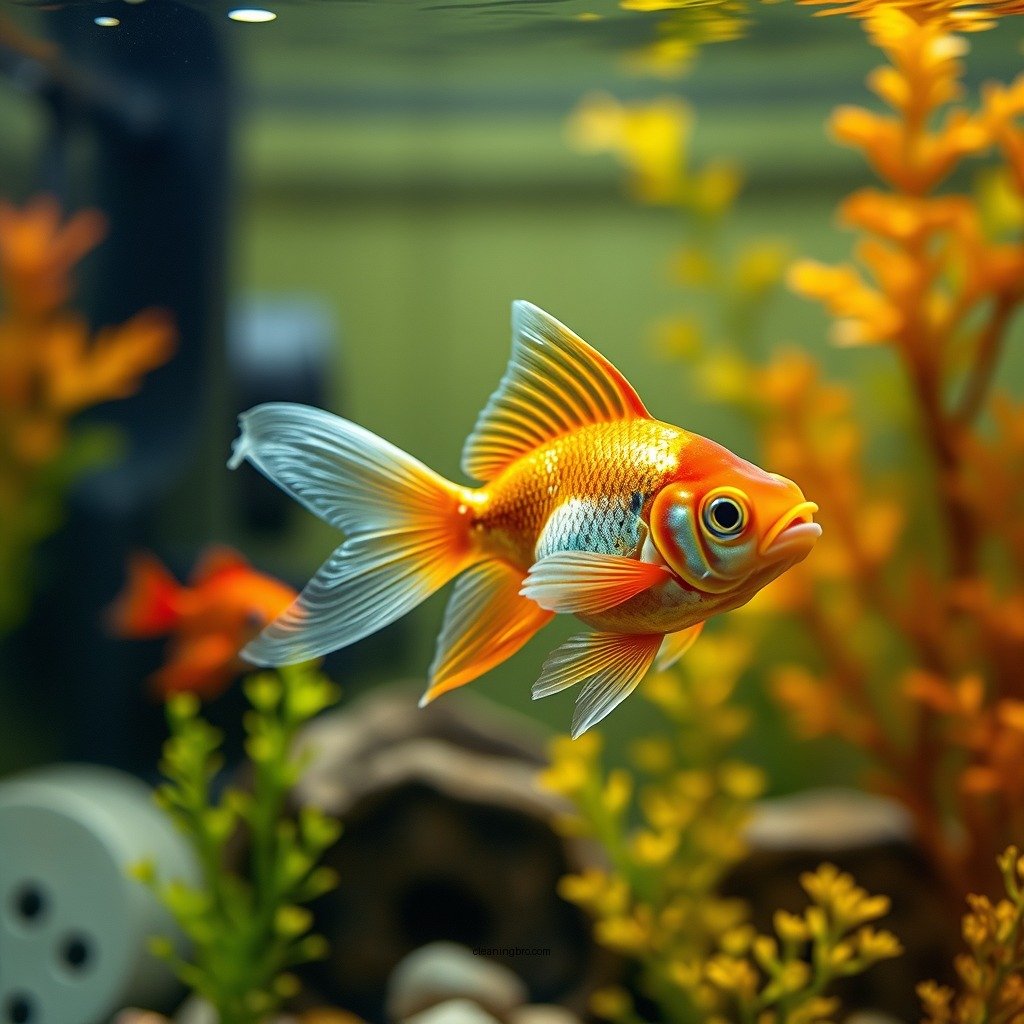
Goldfish are known for their vibrant colors and lively behaviors, but they also produce a significant amount of waste. This waste, if not managed, can quickly pollute the water, leading to a decline in water quality and potential health issues for your fish. Ammonia, nitrite, and nitrate levels can rise rapidly in an unclean tank, creating a toxic environment. Regular cleaning helps to mitigate these risks, ensuring a stable environment where your goldfish can thrive. Understanding the basics of goldfish tank maintenance is crucial for any fish owner looking to provide the best care for their aquatic pets.
Factors Influencing Cleaning Frequency
Several factors affect how often you should clean your goldfish tank:
– Tank Size: Larger tanks can dilute waste more effectively than smaller tanks, allowing for less frequent cleanings. Generally, a 20-gallon tank or larger can handle waste better than a 10-gallon tank.
– Number of Fish: The more goldfish you have, the more waste they will produce. A single goldfish in a large tank may require cleaning every four weeks, while multiple fish in a smaller tank may necessitate cleaning every two weeks to maintain optimal water quality.
Understanding these factors will help you create a tailored cleaning schedule that meets the needs of your specific aquarium setup.
Signs Your Tank Needs Cleaning
Recognizing when a tank requires cleaning is essential for maintaining a healthy aquatic environment. Here are some signs that indicate it may be time to clean your goldfish tank:
– Cloudy Water: If the water appears murky or discolored, it’s a strong indication that pollutants have built up and need addressing.
– Visible Debris: Uneaten food, fish waste, or decaying plant material can accumulate at the bottom of the tank, signaling that it’s time for a thorough cleaning.
– Increased Algae Growth: If you notice a sudden surge in algae growth, it can suggest an imbalance in the tank’s environment, often due to excess nutrients from waste.
Monitoring these indicators will help you maintain a clean and healthy habitat for your goldfish.
Top 7 Indicators for Tank Cleaning Frequency
| # | Indicator | Frequency of Cleaning | Severity Level |
|---|---|---|---|
| 1 | Cloudy Water | 2 weeks | High |
| 2 | Visible Debris | 1-2 weeks | Medium |
| 3 | Increased Algae Growth | 2-4 weeks | High |
| 4 | Fish Behavior Changes | As Needed | Medium |
| 5 | Odor | Immediate | Critical |
| 6 | Filtration Issues | As Needed | Medium |
| 7 | Unusual Fish Behavior | As Needed | Critical |
Essential Cleaning Tasks
Maintaining a clean goldfish tank involves several essential cleaning tasks:
1. Partial Water Changes: Performing partial water changes of 10-15% weekly is crucial for maintaining water quality. This process helps to dilute harmful substances and replace vital minerals.
2. Substrate Cleaning: Regularly vacuuming the substrate with a gravel vacuum removes uneaten food and waste that accumulates at the bottom of the tank.
3. Cleaning Decorations and Plants: Algae and debris can accumulate on decorations and plants. Regularly cleaning these items ensures that your tank remains visually appealing and healthy.
4. Filter Maintenance: Cleaning the filter according to the manufacturer’s recommendations is essential. A dirty filter can lead to poor water quality and increased waste levels.
Implementing these tasks into your cleaning routine will help ensure a thriving environment for your goldfish.
Tools and Supplies for Tank Cleaning
Having the right tools and supplies can make the tank cleaning process more efficient and effective. Here are some essential items you should consider:
– Gravel Vacuum: This tool allows you to easily clean the substrate while performing water changes by siphoning out waste and debris.
– Algae Scraper: An algae scraper is useful for maintaining tank surfaces, helping to remove stubborn algae buildup from the glass or acrylic walls.
– Nets: A net is essential for handling your goldfish safely, whether you’re transferring them during cleaning or removing debris.
– Water Conditioner: Using a water conditioner when adding new water can help neutralize harmful chemicals and make the water safe for your fish.
Investing in these tools will facilitate a smoother cleaning process, allowing you to maintain a clean and healthy habitat for your goldfish.
Tips for Efficient Tank Cleaning
To maximize your cleaning efforts and maintain consistency, consider implementing the following tips:
– Schedule Cleaning Days: Mark your calendar with cleaning days to create a routine. This consistency helps you stay vigilant about tank maintenance.
– Utilize a Quality Filter: Investing in a high-quality filter can significantly reduce the frequency of major cleanings by maintaining water clarity and quality between cleanings.
– Stay Observant: Regularly monitor your tank conditions, including water parameters and fish behavior, to catch any issues before they escalate into major problems.
By following these tips, you’ll create a more manageable cleaning routine that promotes a healthier environment for your goldfish.
Maintaining Water Quality Between Cleanings
Ensuring optimal water quality between cleanings is vital for the health of your goldfish. Here are key practices to follow:
– Test Water Parameters Regularly: Use a reliable water testing kit to monitor ammonia, nitrite, and nitrate levels. This proactive approach allows you to address issues before they affect your fish.
– Use Water Conditioners: When performing water changes or topping off the tank, always use water conditioners to remove chlorine and other harmful chemicals from tap water.
– Maintain Proper Temperature: Keep the tank water at a stable temperature suitable for goldfish, as fluctuations can stress your fish and lead to health problems.
By implementing these practices, you will enhance the overall health and quality of your goldfish’s living environment.
To conclude, maintaining a clean goldfish tank is crucial for the health and happiness of your fish. By cleaning every two to four weeks and staying alert for signs of pollution, you can create a thriving aquatic environment. Following the tips and strategies outlined in this guide will help keep your goldfish happy and healthy. Remember to plan your next cleaning session and enjoy the vibrant life of your goldfish!
Frequently Asked Questions
How often should I clean my goldfish tank?
You should perform a partial water change of about 25% every week to maintain optimal water quality for your goldfish. Additionally, a thorough cleaning of the tank, including substrate vacuuming and filter maintenance, should be done every 4 to 6 weeks to prevent the buildup of harmful toxins and debris.
What are the signs that my goldfish tank needs cleaning?
Common signs that your goldfish tank requires cleaning include cloudy water, an increase in algae growth, and visible waste or uneaten food on the substrate. If your goldfish are showing signs of stress, such as lethargy or gasping at the surface, it may also indicate that the tank conditions need immediate attention.
Why is it important to clean my goldfish tank regularly?
Regular cleaning of your goldfish tank is crucial for maintaining a healthy environment, as it helps to remove harmful waste products and excess nutrients that can lead to poor water quality. Clean tanks reduce stress on your goldfish, promote better health, and prevent diseases that can arise from dirty water conditions.
What is the best way to clean a goldfish tank?
The best way to clean a goldfish tank involves a few steps: first, remove around 25% of the water and replace it with fresh, dechlorinated water. Next, use a gravel vacuum to clean the substrate, and gently clean the tank walls and decorations with a soft sponge. Finally, check and clean the filter as needed to ensure proper water flow and filtration.
Which cleaning products are safe for goldfish tanks?
When cleaning a goldfish tank, it’s essential to use products that are specifically labeled as safe for aquariums and fish. Avoid harsh chemicals or soaps; instead, opt for aquarium-safe algae scrapers and dechlorinators for water changes. Always rinse any equipment thoroughly before placing it back into the tank to ensure no residues remain.
References
- Goldfish
https://en.wikipedia.org/wiki/Goldfish - https://www.ncbi.nlm.nih.gov/pmc/articles/PMC7947807/
https://www.ncbi.nlm.nih.gov/pmc/articles/PMC7947807/ - https://www.sciencedirect.com/science/article/pii/S235197892100142X
https://www.sciencedirect.com/science/article/pii/S235197892100142X - https://www.mayoclinic.org/healthy-lifestyle/consumer-health/in-depth/pet-care/art-20045704
https://www.mayoclinic.org/healthy-lifestyle/consumer-health/in-depth/pet-care/art-20045704 - Mid and North Coast Rural Report – ABC listen
https://www.abc.net.au/education/life-skills/keeping-goldfish/10041760 - Google Scholar Google Scholar
https://scholar.google.com/scholar?q=how+often+to+clean+goldfish+tank - Google Scholar Google Scholar
https://scholar.google.com/scholar?q=goldfish+care+cleaning+frequency - Google Scholar Google Scholar
https://scholar.google.com/scholar?q=cleaning+goldfish+tank+best+practices - https://www.turtleandfish.com/goldfish-care/cleaning-tank-guide/
https://www.turtleandfish.com/goldfish-care/cleaning-tank-guide/ - how often to clean goldfish tank – Search results
https://en.wikipedia.org/wiki/Special:Search?search=how+often+to+clean+goldfish+tank