How to Clean a Horse Stable: A Step-by-Step Guide
Cleaning a horse stable is essential for maintaining a healthy environment for your horse. Regular cleaning not only promotes hygiene but also enhances the comfort and well-being of your horse. This step-by-step guide provides practical steps and tips to ensure your horse’s living space is kept sanitary and comfortable, creating a safe haven for your equine companion.
Gather Necessary Tools and Supplies
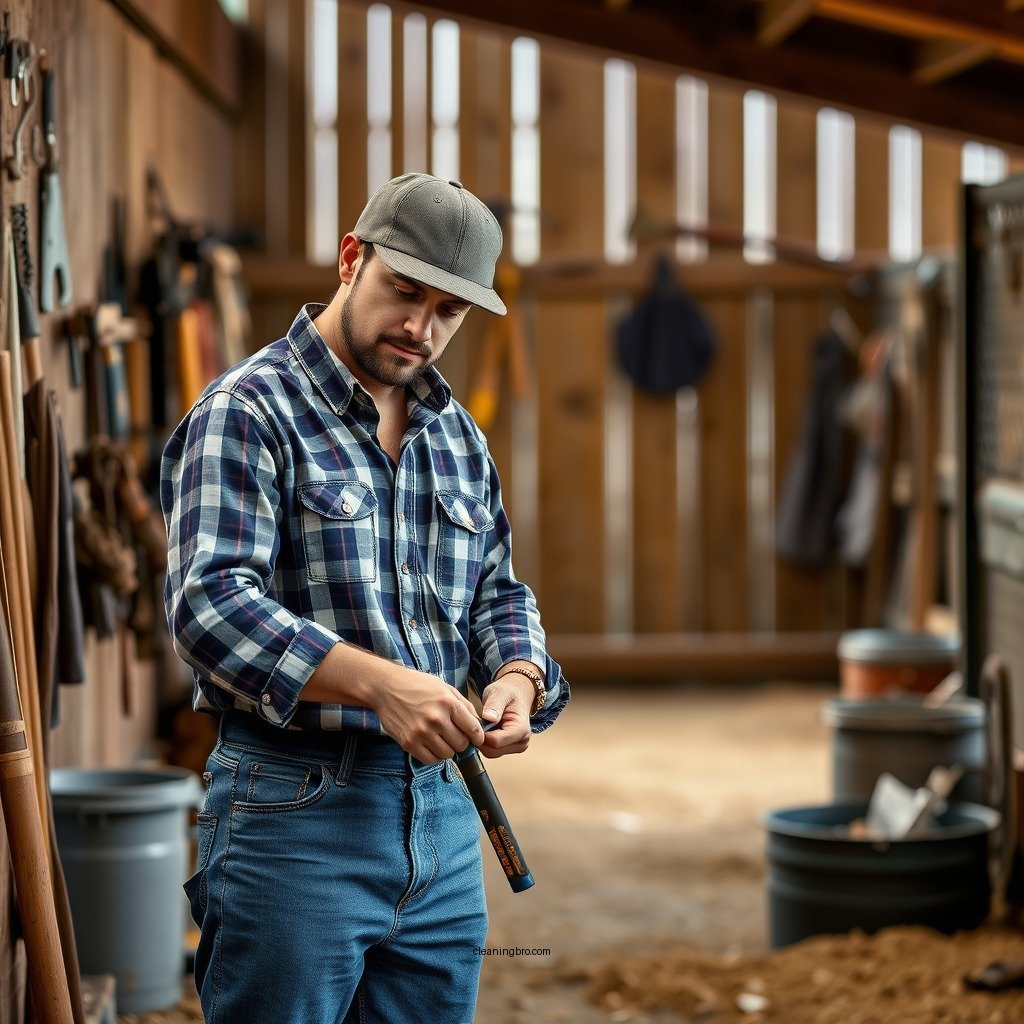
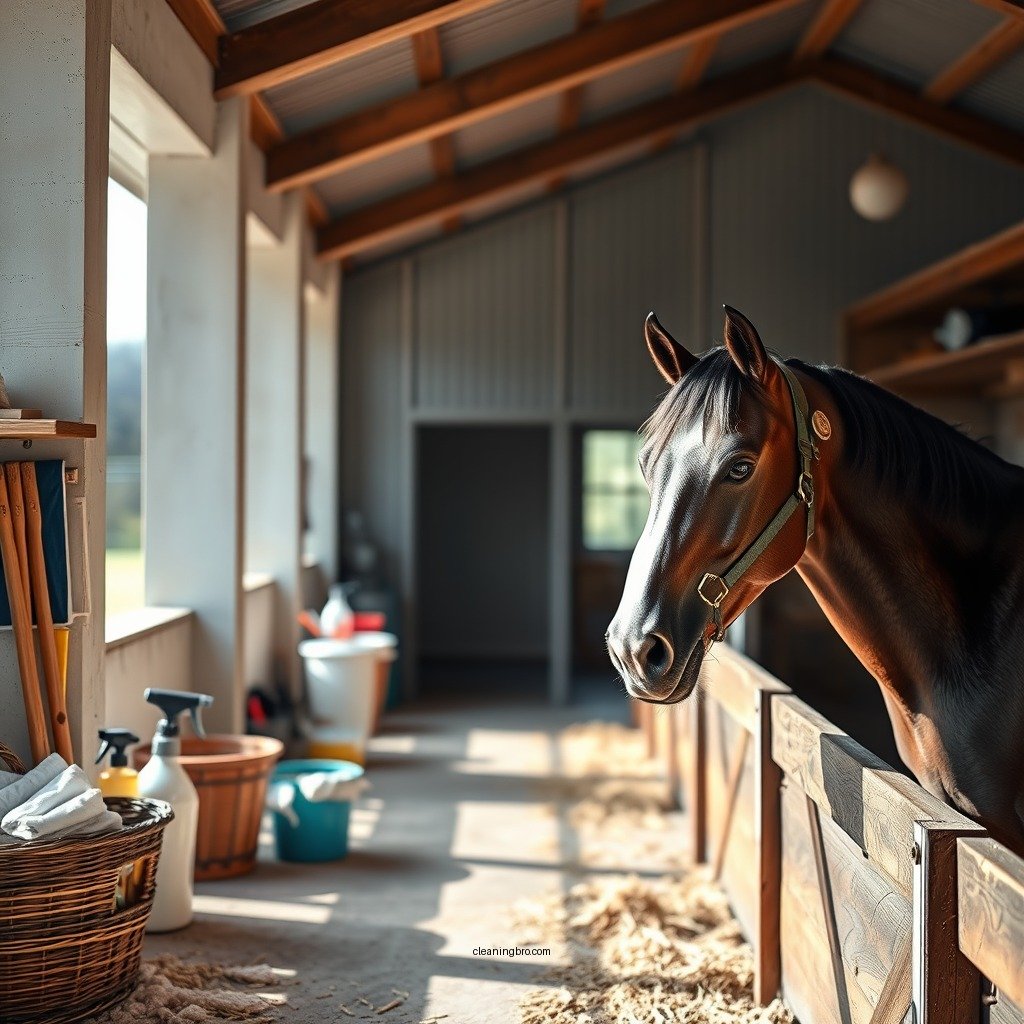
To effectively clean a horse stable, having the right tools and supplies is crucial. Here’s a list of essential items you will need:
– Broom and Shovel: These are fundamental for the daily removal of manure and debris. A sturdy broom paired with a shovel will make waste removal quick and efficient.
– Pitchfork: This tool is essential for moving bedding and hay around. It helps in efficiently turning and mixing bedding materials, ensuring they remain aerated and dry.
– Water Hose or Buckets: For washing down surfaces, a water hose can be very effective, especially for larger spaces. If a hose is unavailable, buckets can serve as a manual alternative for rinsing and cleaning.
– Scrub Brushes: Use strong scrub brushes for scrubbing walls and floors to eliminate dirt and bacteria effectively.
– Cleaning Agents: Non-toxic and horse-safe cleaning agents are essential for sanitizing the stable without harming your horse.
– Gloves and Masks: Protecting yourself while cleaning is important. Gloves prevent skin contact with manure, while masks can help avoid inhalation of dust and particles.
– Wheelbarrow: This makes it easier to transport waste and soiled bedding out of the stable quickly.
Remove Waste and Old Bedding
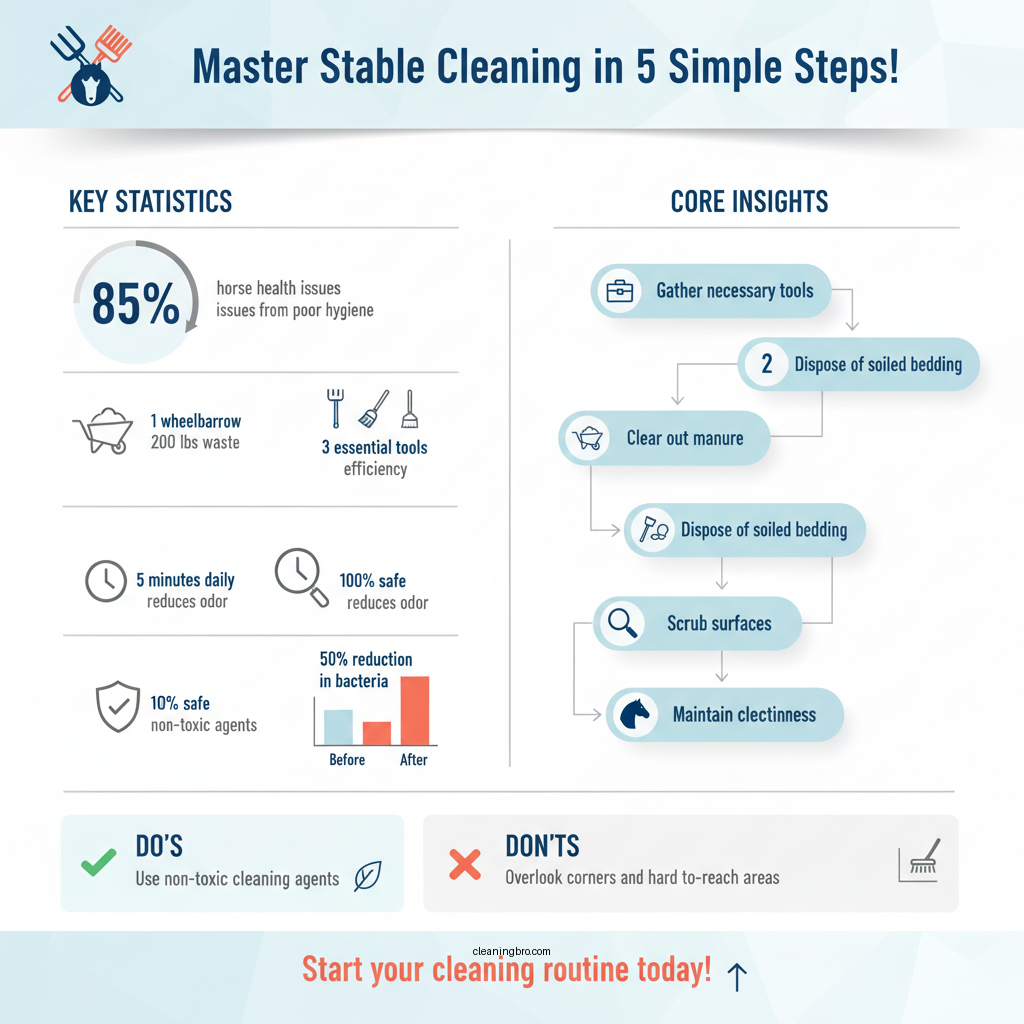
Begin the cleaning process by removing all manure and soiled bedding from the stable. This task can be broken down into several steps:
– Clear Out Manure: Start by using a pitchfork to gather manure into piles. Once you have collected enough, transfer it to a wheelbarrow for disposal.
– Remove Soiled Bedding: Following manure removal, use the pitchfork to lift and dispose of old straw or shavings. Ensure that you remove all residues to prevent the buildup of bacteria or unpleasant odors.
– Inspect for Debris: While cleaning, take the time to inspect the stable for any additional debris, such as leftover hay or feed, and remove these as well.
Clean Surfaces Thoroughly
Once the waste has been removed, it’s time to focus on cleaning the surfaces:
– Scrub Walls and Floors: Use a suitable cleaner and scrub brushes to thoroughly clean the walls and floors of the stable. Focus on corners and areas where dirt tends to accumulate.
– Eliminate Odors and Bacteria: Pay special attention to areas with strong odors. Allow the cleaning solution to sit for a few minutes before scrubbing to ensure maximum effectiveness.
– Rinse Surfaces: After scrubbing, use a water hose to rinse down all surfaces. This step is crucial to remove any lingering cleaning agents and dirt.
– Dry Completely: Ensure that the stable is completely dry before reintroducing bedding. A dry environment is essential to prevent mold and mildew growth.
Top 7 Horse Bedding Materials (2023)
| # | Material | Absorbency | Cost per Bale | Comfort Rating |
|---|---|---|---|---|
| 1 | Straw | Medium | $4.50 | ★ ★ ★ ★ ★ |
| 2 | Wood Shavings | High | $6.00 | ★ ★ ★ ★ ★ |
| 3 | Hemp | Very High | $8.00 | ★ ★ ★ ★ ★ |
| 4 | Paper Pellets | High | $7.50 | ★ ★ ★ ★ |
| 5 | Peat Moss | Medium | $5.00 | ★ ★ ★ |
| 6 | Corn Cob | Medium | $4.00 | ★ ★ ★ ★ |
| 7 | Rubber Mats | N/A | $10.00 | ★ ★ ★ ★ |
Replace Bedding
After ensuring the surfaces are clean and dry, it’s time to replace the bedding:
– Choose Quality Bedding: Select bedding that is both absorbent and comfortable for your horse. Common options include straw, wood shavings, hemp, and paper pellets.
– Spread Fresh Bedding: Add fresh bedding material to the stable floor, ensuring it is distributed evenly. Aim for a depth of around 4-6 inches to provide ample cushioning for your horse.
– Control Moisture: Consider using materials that help control moisture and odor, such as hemp or paper pellets, as they can significantly improve the overall environment of the stable.
Ensure Proper Ventilation
Good air circulation is crucial for a healthy stable environment:
– Open Windows and Doors: Whenever possible, keep windows and doors open to allow fresh air to circulate. This helps to reduce humidity and prevent the buildup of harmful ammonia from manure.
– Check Vents and Fans: Ensure that any ventilation systems are unobstructed and functioning. This includes checking for blockages in vents and ensuring that fans are operational during warmer months.
– Monitor Air Quality: If your stable is enclosed, consider using air quality monitors to keep track of ammonia levels and humidity, adjusting ventilation as needed to maintain a healthy environment.
Regular Maintenance Schedule
Establishing a regular cleaning routine is essential to maintaining a sanitary stable:
– Daily Tasks: Aim to remove manure and soiled bedding daily. This not only keeps the environment clean but also helps to prevent the buildup of bacteria and reduces odors.
– Weekly Duties: Set aside time each week for a more thorough cleaning, which could involve washing down walls and floors and checking for any maintenance issues.
– Monthly Deep Cleaning: Schedule a deep cleaning session once a month to address any buildup that may have occurred over time. This includes moving furniture and fixtures for a comprehensive clean.
Best Bedding Options for Horse Stables
| Feature | ⭐ Wood Shavings | Hemp | Straw |
|---|---|---|---|
| Absorbency | High | Very High | Medium |
| Cost | $6.00 per bale | $8.00 per bale | $4.50 per bale |
| Dust Level | Low | Very Low | High |
| Ease of Use | Easy | Moderate | Easy |
| Comfort Level | High | Very High | Medium |
| Odor Control | Good | Excellent | Average |
| Environmental Impact | Low | Low | High |
| Longevity | Medium | High | Medium |
| Best For | General Use | Performance Horses | Budget-Friendly |
Monitor Horse Health and Environment
Regular monitoring of your horse’s health and the stable environment is essential:
– Check for Distress Signs: Look for signs of distress in your horse, such as coughing, lethargy, or unusual behavior. These can be indicators of an unhealthy environment.
– Adjust Cleaning Practices: Be flexible with your cleaning routine based on seasonal changes. For instance, during wet months, you may need to clean more frequently to manage increased moisture.
– Consult a Veterinarian: If you notice persistent health issues, consult a veterinarian to rule out any underlying problems. Regular health checks can help catch issues early.
In conclusion, keeping your horse stable clean is vital for your horse’s well-being and comfort. By following these steps, you can create a safe and inviting environment for your horse. Commit to a regular cleaning schedule, ensure you have all the necessary tools on hand, and remain vigilant about your horse’s health and environment. For additional tips and resources on horse care, check out our other articles or subscribe for updates.
Frequently Asked Questions
How often should I clean my horse stable?
You should clean your horse stable at least once a day to maintain a healthy environment for your horse. Regular removal of manure and soiled bedding helps prevent the buildup of harmful bacteria and parasites, ensuring your horse stays healthy and comfortable.
What is the best method for cleaning a horse stable?
The best method for cleaning a horse stable involves removing all bedding, manure, and debris, followed by thorough sweeping and disinfecting the floor. Using a pitchfork to scoop out soiled bedding and then applying a stable disinfectant will help keep the area hygienic and reduce odors.
Why is it important to clean a horse stable regularly?
Cleaning a horse stable regularly is crucial to prevent health issues for your horse, such as respiratory problems and infections caused by bacteria and parasites. A clean stable also helps control odors and creates a more pleasant living space for both horses and humans.
Which bedding material is easiest to clean in a horse stable?
Straw and wood shavings are among the easiest bedding materials to clean in a horse stable. Wood shavings absorb moisture well and can be easily removed, while straw can be fluffed up to allow for better airflow and easier cleaning.
How can I make cleaning my horse stable more efficient?
To make cleaning your horse stable more efficient, establish a routine and use the right tools, such as a reliable pitchfork and a sturdy muck bucket. Additionally, consider using a wheelbarrow to transport waste and bedding quickly, and involve your horse in the process by allowing them to help during cleaning times, which can make it more enjoyable.
References
- https://en.wikipedia.org/wiki/Horse_stable
https://en.wikipedia.org/wiki/Horse_stable - https://www.extension.purdue.edu/extmedia/AS/AS-625-W.pdf
https://www.extension.purdue.edu/extmedia/AS/AS-625-W.pdf - Page not found
https://www.clemson.edu/extension/horses/health/stable-management.html - https://www.extension.umn.edu/agriculture/horse/management/stable-cleaning/
https://www.extension.umn.edu/agriculture/horse/management/stable-cleaning/ - https://www.thehorse.com/articles/39789/stable-management-cleaning-and-maintenance
https://www.thehorse.com/articles/39789/stable-management-cleaning-and-maintenance - Google Scholar Google Scholar
https://scholar.google.com/scholar?q=how+to+clean+a+horse+stable - Google Scholar Google Scholar
https://scholar.google.com/scholar?q=stable+management+horse+cleaning - Google Scholar Google Scholar
https://scholar.google.com/scholar?q=equine+stable+cleaning+techniques - https://www.equinetruth.com/cleaning-and-maintaining-a-stable/
https://www.equinetruth.com/cleaning-and-maintaining-a-stable/ - https://www.uaex.uada.edu/publications/pdf/FSA-6132.pdf
https://www.uaex.uada.edu/publications/pdf/FSA-6132.pdf