How to Clean a Pond Naturally: Effective Methods and Tips
Cleaning a pond naturally involves using eco-friendly methods that promote a healthy ecosystem while eliminating debris and pollutants. This guide will provide practical techniques to maintain a clean and vibrant pond without harmful chemicals, ensuring a safe habitat for fish and plants. You’ll discover how to effectively manage your pond’s health, improve water quality, and maintain biodiversity, creating a sustainable aquatic environment.
Understanding Pond Ecology
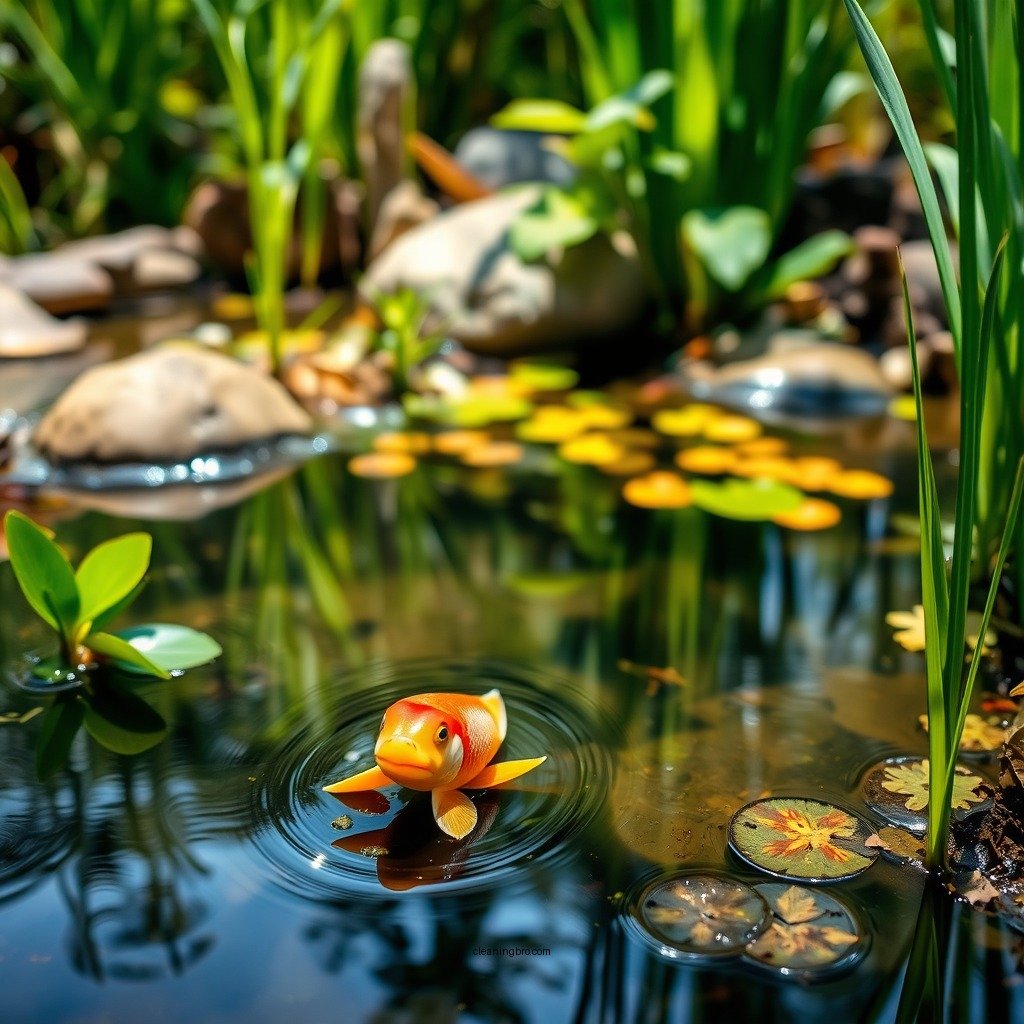
Maintaining a balanced ecosystem in your pond is crucial for the health of its inhabitants. A diverse ecosystem not only supports aquatic life but also helps regulate water quality. When a pond is well-balanced, it can naturally filter pollutants, leading to clearer water and a healthier environment for fish, amphibians, and plants.
Pollution can severely affect pond life. Excess nutrients from fertilizers or lawn runoff can lead to algal blooms, which deplete oxygen levels and harm aquatic organisms. Heavy metals and industrial waste can introduce toxins that may kill fish and disrupt the entire food web. Understanding these dynamics is essential for anyone looking to maintain a thriving pond.
Natural Filtration Methods
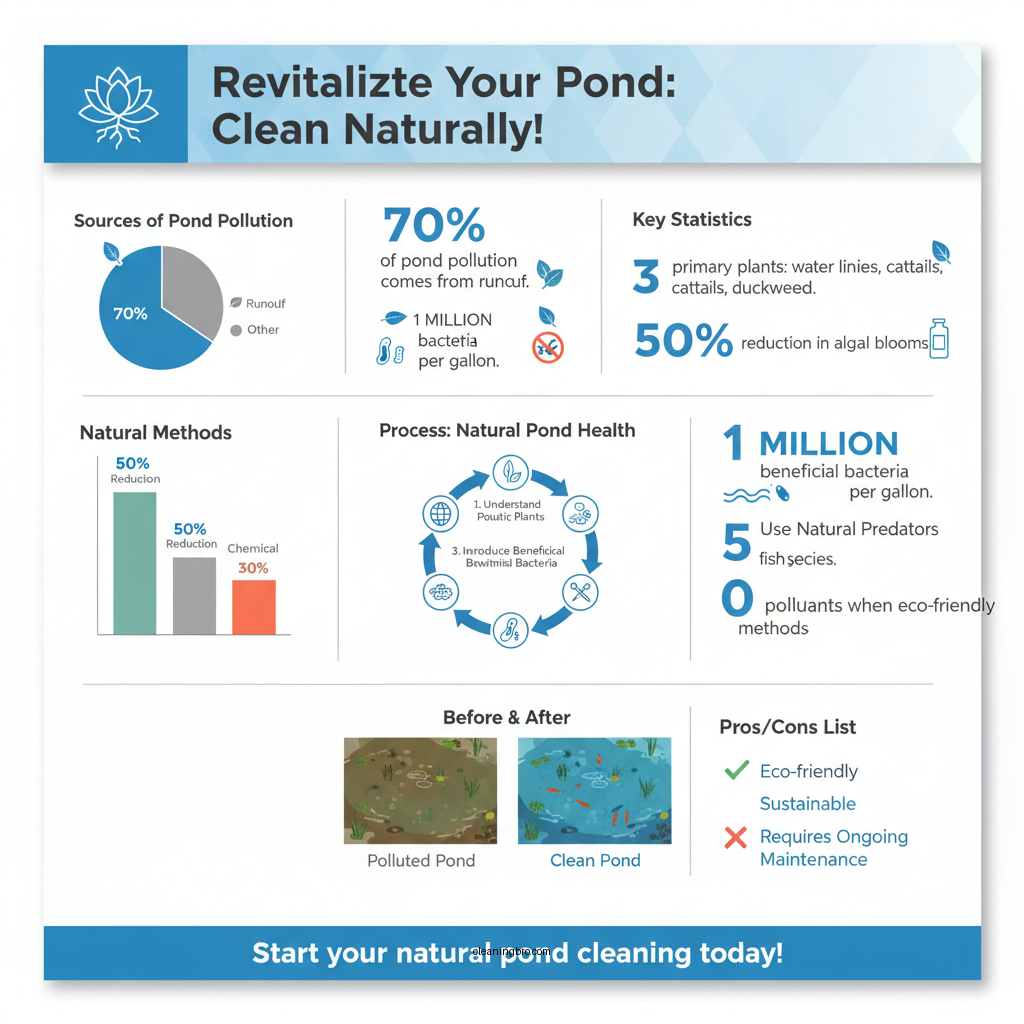
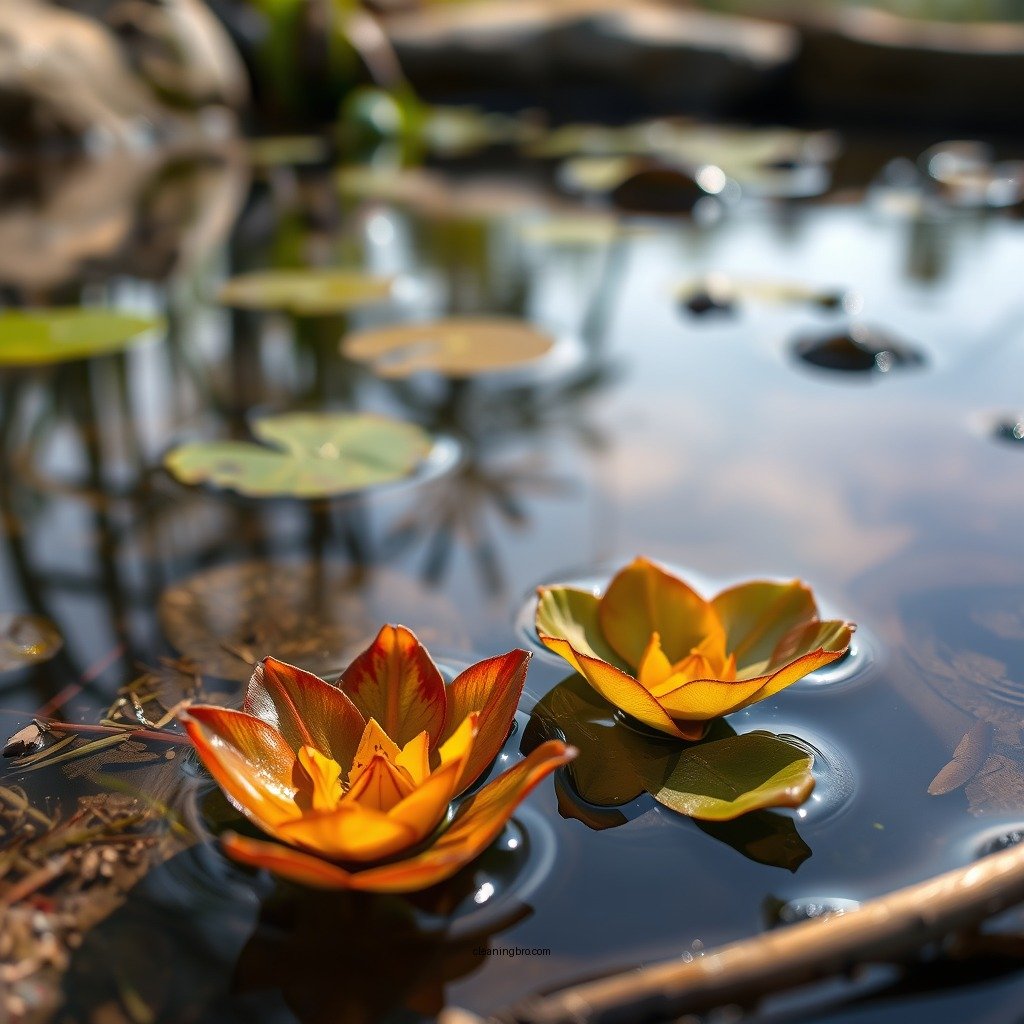
One of the most effective ways to clean a pond naturally is through natural filtration methods. Utilizing aquatic plants is key in this process. Plants like water lilies, cattails, and duckweed not only provide habitat but also absorb excess nutrients and purify the water through the process of phytoremediation.
Incorporating gravel and sand beds can enhance this natural filtration process. These substrates allow beneficial bacteria to thrive, which break down organic matter and pollutants. A well-structured pond bed provides an ideal habitat for these bacteria, further improving water clarity and overall health.
Implementing Biological Controls
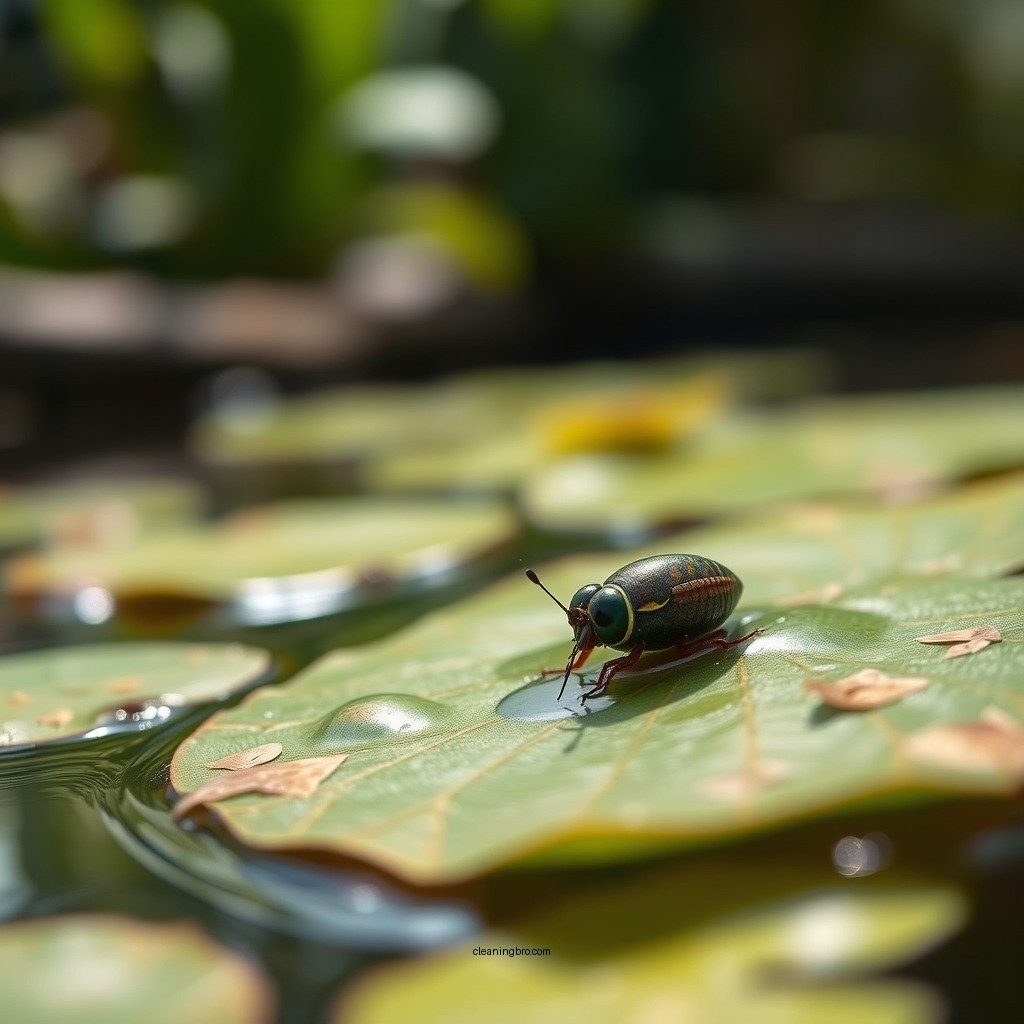
Introducing beneficial bacteria to your pond can greatly aid in its cleaning process. These bacteria help decompose organic waste, thus controlling nutrient levels and preventing algal blooms. Products containing live cultures of beneficial bacteria can be purchased and introduced to your pond as needed.
Natural predators, such as certain species of fish, can also be effective in controlling algae populations. For instance, introducing fish like grass carp can help manage excess plant growth, while species such as goldfish can eat mosquito larvae. This biological control method promotes a balanced ecosystem and reduces the need for chemical interventions.
Top 7 Aquatic Plants for Natural Pond Filtration
| # | Plant Name | Benefits | Sunlight Requirement | Growth Rate |
|---|---|---|---|---|
| 1 | Water Lilies | Shade and habitat | Full sun | Moderate |
| 2 | Cattails | Nutrient absorption | Partial sun | Fast |
| 3 | Duckweed | Surface coverage | Full sun | Very fast |
| 4 | Hornwort | Oxygenation | Low light | Fast |
| 5 | Water Hyacinth | Nutrient absorption | Full sun | Very fast |
| 6 | Water Mint | Fragrant foliage | Partial shade | Moderate |
| 7 | Water Sprite | Shade and oxygenation | Low light | Fast |
Manual Cleaning Techniques
For those who prefer a hands-on approach, manual cleaning techniques can be effective in maintaining pond cleanliness. Regularly removing debris such as fallen leaves, branches, and dead plants is crucial. Using a pond net or rake can simplify this process, allowing you to collect large amounts of waste without disturbing the ecosystem excessively.
For sludge and sediment buildup, using a pond vacuum can be beneficial. These vacuums are designed to remove debris without harming the surrounding flora and fauna. It is important, however, to avoid over-cleaning; leaving some organic matter can benefit the ecosystem by providing habitat for microorganisms.
Preventative Measures
Implementing preventative measures can significantly reduce debris accumulation and maintain a healthier pond. One effective strategy is to establish a vegetative buffer around the pond. Native plants can help absorb runoff, preventing excess nutrients from entering the water. Regularly trimming overhanging branches can also minimize leaf litter.
Routine maintenance and monitoring are essential for a thriving pond. Conduct regular checks for water clarity, algae growth, and overall ecosystem health. Early detection of problems can prevent more significant issues down the line, ensuring a sustainable pond environment.
Best Natural Pond Cleaning Methods
| Method | ⭐ Aquatic Plants | Biological Controls | Manual Cleaning |
|---|---|---|---|
| Cost | Low | Low | Moderate |
| Effectiveness | ✅ Excellent | ✅ Very good | ✅ Good |
| Labor Required | Low | Moderate | High |
| Environmental Impact | ✅ Positive | ✅ Positive | ✅ Neutral |
| Time Commitment | Low | Moderate | High |
| Maintenance Frequency | Seasonal | Regular | Weekly |
| Availability | Widely available | Specialty stores | Common tools |
| User Skill Level | Beginner | Intermediate | Advanced |
| Overall Effectiveness | ✅ Highly effective | ✅ Effective | ✅ Good |
| 🏆 Best For | Eco-friendly purification | Biological balance | Hands-on maintenance |
Enhancing Water Quality
Improving water quality is fundamental to maintaining a healthy pond ecosystem. Techniques for natural aeration, such as installing a fountain or waterfall, can increase oxygen levels in the water. This not only benefits fish and other aquatic life but also helps prevent the growth of harmful algae.
Regular water changes can also enhance clarity. By removing a percentage of the existing water and replacing it with fresh water, you dilute pollutants and restore chemical balances in the pond. However, it’s essential to ensure that the new water is treated appropriately to avoid introducing additional contaminants.
Seasonal Considerations
Cleaning a pond is a year-round commitment, with specific tasks that may vary by season. In the spring, it is important to remove any winter debris and check for any signs of emerging algae. This is also the time to add beneficial plants and ensure that your biological controls are in place.
As summer approaches, monitor the water temperature and nutrient levels closely, as these can fluctuate. Regular maintenance during this time helps prevent algal blooms.
In autumn, it’s critical to clear leaves and organic matter to reduce the nutrient load entering the water during the winter months. Preparing your pond for winter involves ensuring that any water features are appropriately winterized and that fish and plants are protected from freezing temperatures.
By implementing these natural cleaning methods, you can create a thriving pond ecosystem. Regular maintenance, combined with eco-friendly practices, will keep your pond clear and healthy. Start implementing these techniques today to enjoy a beautiful and sustainable water feature in your yard.
Frequently Asked Questions
What are the best natural methods to clean a pond?
The best natural methods to clean a pond include introducing beneficial aquatic plants, using barley straw to inhibit algae growth, and employing beneficial bacteria to break down organic matter. Additionally, aeration can improve water quality by increasing oxygen levels, which supports fish and beneficial microorganisms.
How can I reduce algae growth in my pond naturally?
To reduce algae growth in your pond naturally, consider adding floating plants like water lilies and duckweed that provide shade, or introduce fish species such as koi or goldfish that consume algae. Regularly removing debris and using barley straw can also help prevent excessive algae blooms.
Why is it important to maintain a clean pond ecosystem?
Maintaining a clean pond ecosystem is crucial for the health of aquatic life and the overall balance of the environment. A clean pond promotes biodiversity, prevents harmful algae blooms, and ensures that fish and plants thrive, which ultimately enhances the beauty and usability of your pond.
Which natural products are effective for pond cleaning?
Effective natural products for pond cleaning include barley straw, beneficial bacteria formulations, and enzyme-based cleaners that help break down organic sludge. These products not only clean the pond but also support a healthy ecosystem by promoting beneficial microorganisms.
How often should I clean my pond naturally?
You should aim to perform natural cleaning of your pond at least once a season, focusing on removing debris and monitoring water quality. Regular maintenance, such as checking plant growth and fish health, will help maintain a balanced ecosystem and reduce the need for intensive cleaning sessions.
References
- Pond
https://en.wikipedia.org/wiki/Pond - https://www.nature.com/articles/s41598-018-20727-1
https://www.nature.com/articles/s41598-018-20727-1 - https://www.sciencedirect.com/science/article/pii/S1877050916311440
https://www.sciencedirect.com/science/article/pii/S1877050916311440 - https://www.ncbi.nlm.nih.gov/pmc/articles/PMC7078516/
https://www.ncbi.nlm.nih.gov/pmc/articles/PMC7078516/ - Pond | body of water | Britannica
https://www.britannica.com/science/pond - https://www.epa.gov/nutrientpollution/what-nutrient-pollution
https://www.epa.gov/nutrientpollution/what-nutrient-pollution - https://www.webmd.com/healthy-aging/features/cleaning-your-pond
https://www.webmd.com/healthy-aging/features/cleaning-your-pond - https://www.pondconservation.org.uk/
https://www.pondconservation.org.uk/ - Google Scholar Google Scholar
https://scholar.google.com/scholar?q=how+to+clean+a+pond+naturally - Google Scholar Google Scholar
https://scholar.google.com/scholar?q=natural+pond+cleaning+methods