How to Clean a Prom Dress: Essential Tips for Care
Cleaning your prom dress effectively involves careful handling and the right techniques to preserve its beauty. Whether your dress is made of delicate fabric or adorned with sequins, knowing how to clean it properly will ensure it stays in pristine condition for years to come. In this article, we’ll guide you through the best methods for cleaning your prom dress safely and effectively.
Assess the Fabric Type

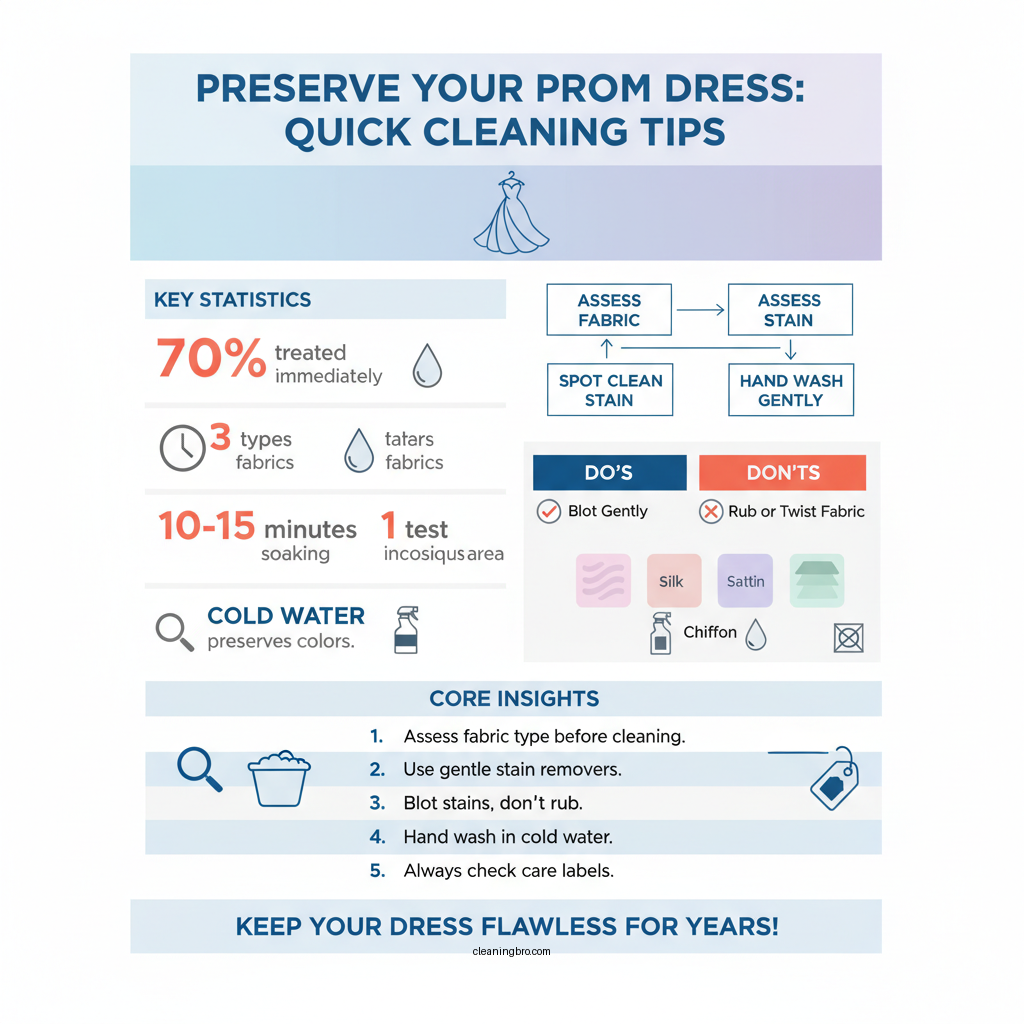
The first step in cleaning your prom dress is to assess the fabric type. Understanding the material your dress is made from is crucial, as different fabrics require different cleaning methods. Common fabrics used in prom dresses include silk, satin, chiffon, and tulle, each with unique qualities and care requirements.
– Identify the material: Silk is luxurious but delicate, often requiring dry cleaning. Satin has a smooth finish and can usually be hand-washed or machine-washed on a gentle cycle. Chiffon is lightweight and can be prone to snagging, making careful handling essential. Tulle, often used in skirts and overlays, can also be washed delicately but should be treated with caution to avoid tearing.
– Check the care label: Always refer to the manufacturer’s instructions for specific cleaning guidelines. The care label will provide invaluable information regarding washing temperatures, drying methods, and whether dry cleaning is necessary. Following these instructions will help minimize the risk of damage.
Spot Cleaning Stains

Stains are an unfortunate reality after a night of dancing and celebrating. However, addressing them promptly can prevent long-term damage to your dress.
– Use a gentle stain remover: For small stains, applying a gentle stain remover directly to the affected area is often effective. Blot the stain with a clean cloth rather than rubbing, as this can spread the stain or damage the fabric.
– Test in an inconspicuous area: Before applying any stain remover, it’s wise to test it in an inconspicuous area of the dress. This ensures that the product does not discolor or damage the fabric. If the test area remains unaffected, proceed with treating the stain.
Hand Washing Your Dress
If the care label permits hand washing, this method is often the safest and most effective way to clean your prom dress.
– Fill a bathtub or sink with cold water: Use cold water as it helps to preserve the colors and structure of the fabric. Add a mild detergent designed for delicate fabrics, which will clean without causing harm.
– Submerge the dress gently: Carefully place the dress in the water and avoid wringing or twisting it. Instead, gently agitate the water to help the detergent penetrate the fabric. Allow the dress to soak for about 10-15 minutes before rinsing thoroughly with cold water.
Machine Washing Precautions
If your dress is machine washable, taking precautions is essential to protect it.
– Use a garment bag: Placing your dress in a garment bag is crucial when machine washing. This protects the dress from snagging or tangling with other garments, which can lead to damage.
– Select a gentle cycle: Choose a gentle cycle with cold water and a mild detergent. This minimizes agitation and helps prevent fabric wear. Additionally, avoid using bleach or harsh detergents that can cause fading or fabric damage.
Drying Your Prom Dress
Proper drying techniques are vital in maintaining the integrity of your dress after washing.– Avoid the dryer: The heat and tumbling action of a dryer can cause shrinkage and damage beading or embellishments. Instead, lay the dress flat on a clean towel or hang it to air dry.
– Keep it out of direct sunlight: Direct sunlight can fade colors and weaken fabric fibers. To maintain your dress’s original color and structure, dry it in a shaded area with good airflow.
Storing Your Dress Properly
Once your dress is clean and dry, proper storage will help preserve its condition for future use.
– Use a breathable garment bag: A breathable garment bag protects your dress from dust and moisture, which can lead to mildew or fabric deterioration. Avoid plastic bags, as they can trap moisture.
– Store in a cool, dry place: Choose a storage location that avoids high humidity and extreme temperatures. A temperature-controlled closet or a spare room is often ideal.
Professional Cleaning Options
For heavily embellished or complex fabrics, professional cleaning may be the best choice.
– Consider dry cleaning: If your dress features intricate beading, embroidery, or is made from delicate materials, professional dry cleaning can help ensure it is cleaned safely without risk of damage.
– Ask about preservation techniques: Some cleaners offer specialized preservation techniques that can maintain the dress’s condition long-term. This is especially important if you plan to keep the dress as a memento.
Top 7 Fabric Types for Prom Dresses and Their Care
| # | Fabric Type | Care Method | Common Use |
|---|---|---|---|
| 1 | Silk | Dry Clean Only | Formal Wear |
| 2 | Satin | Hand Wash | Evening Gowns |
| 3 | Chiffon | Hand Wash | Bridesmaid Dresses |
| 4 | Tulle | Gentle Hand Wash | Skirts and Overlays |
| 5 | Lace | Dry Clean Recommended | Vintage Styles |
| 6 | Velvet | Hand Wash or Dry Clean | Formal Gowns |
| 7 | Organza | Gentle Hand Wash | Overlay Styles |
Hand Washing vs Machine Washing vs Dry Cleaning: Full Comparison
| Feature | ⭐ Hand Washing | Machine Washing | Dry Cleaning |
|---|---|---|---|
| Gentleness | ✅ Best for Delicate Fabrics | ❌ Risk of Damage | ✅ Safe for All Fabrics |
| Cost | Low | Low | High |
| Time Required | Moderate | Quick | Quick |
| Stain Removal | Effective | Effective | Very Effective |
| Convenience | Requires Attention | Low Attention Needed | Low Attention Needed |
| Color Preservation | Excellent | Good | Good |
| Risk of Shrinkage | Low | Medium | Very Low |
| Professional Finish | N/A | N/A | ✅ |
| Best For | Delicate Fabrics | Convenient Washing | Heavy Embellishments |
Maintaining the beauty of your prom dress is essential, and following the right cleaning methods can make all the difference. By assessing the fabric type, using appropriate cleaning techniques, and storing it correctly, you can ensure your dress remains a cherished memory for years to come. Don’t hesitate to seek professional help if you’re unsure about the cleaning process; it’s better to be safe than sorry!
Frequently Asked Questions
What are the best methods to clean a prom dress at home?
The best methods to clean a prom dress at home include spot cleaning with a gentle detergent and cold water, or using fabric-safe stain removers for specific stains. Always perform a patch test on a hidden area first to ensure the fabric’s color and texture remain intact. For delicate fabrics like silk or chiffon, consider hand washing instead of machine washing to preserve the dress’s quality.
How should I remove stubborn stains from my prom dress?
To remove stubborn stains from your prom dress, first identify the type of stain and treat it accordingly. For example, for wine stains, blot the area with club soda before washing. For grease stains, sprinkle baking soda on the area and let it sit before gently dabbing with a cloth. Always rinse thoroughly after treatment to prevent residue.
Why is it important to read the care label on my prom dress?
Reading the care label on your prom dress is crucial because it provides specific instructions on how to clean and care for the fabric. Different materials have varying cleaning requirements, and ignoring these can lead to damage or discoloration. Following the guidelines can help maintain the dress’s appearance and longevity.
Which cleaning products are safe for delicate prom dress fabrics?
Safe cleaning products for delicate prom dress fabrics include gentle detergents like Woolite or those specifically labeled for silk and delicate fabrics. Avoid bleach and harsh chemicals that can damage the fabric. Additionally, look for stain removers that are free from dyes and fragrances to minimize the risk of discoloration.
What should I do if my prom dress is heavily soiled?
If your prom dress is heavily soiled, it’s best to take it to a professional dry cleaner who specializes in formal wear. They have the expertise and equipment to clean delicate fabrics without causing damage. Attempting to clean heavily soiled dresses at home may result in permanent stains or fabric deterioration, so professional help is recommended.
References
- https://www.bbc.com/style/article/20190522-how-to-clean-a-prom-dress
https://www.bbc.com/style/article/20190522-how-to-clean-a-prom-dress - https://www.nytimes.com/2018/04/22/style/cleaning-prom-dress.html
https://www.nytimes.com/2018/04/22/style/cleaning-prom-dress.html - https://www.mayoclinic.org/healthy-lifestyle/consumer-health/in-depth/stain-removal/art-20045878
https://www.mayoclinic.org/healthy-lifestyle/consumer-health/in-depth/stain-removal/art-20045878 - https://www.sciencedirect.com/topics/earth-and-planetary-sciences/stain-removal
https://www.sciencedirect.com/topics/earth-and-planetary-sciences/stain-removal - Stain | chemistry | Britannica
https://www.britannica.com/science/stain - Google Scholar Google Scholar
https://scholar.google.com/scholar?q=cleaning+prom+dress - Google Scholar Google Scholar
https://scholar.google.com/scholar?q=how+to+remove+stains+from+dresses - Google Scholar Google Scholar
https://scholar.google.com/scholar?q=prom+dress+cleaning+guidelines - https://www.theguardian.com/education/2021/jun/09/how-to-clean-a-prom-dress-what-to-know
https://www.theguardian.com/education/2021/jun/09/how-to-clean-a-prom-dress-what-to-know - Google Scholar Google Scholar
https://scholar.google.com/scholar?q=how+to+clean+a+prom+dress