How to Clean Aluminium for Welding: Essential Steps
To effectively clean aluminium for welding, use a combination of mechanical and chemical methods to remove contaminants like grease, oxide layers, and dirt. This ensures a strong, reliable weld. In this article, you will learn the best techniques and materials to prepare aluminium surfaces for optimal welding results.
Understanding Aluminium Contamination
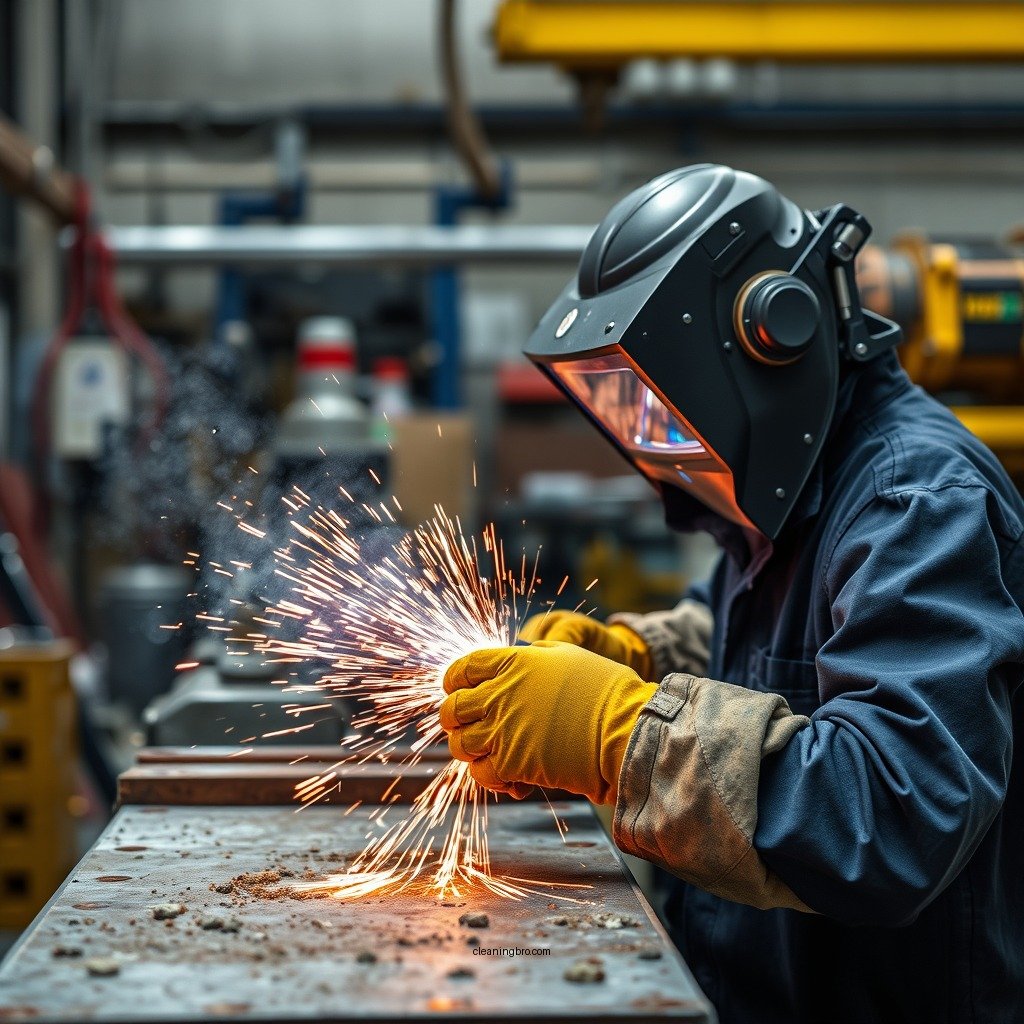
Cleaning aluminium surfaces before welding is critical due to various contaminants that can compromise weld integrity. Common contaminants include oil, grease, and oxide layers. Each type of contamination presents its own challenges, requiring specific cleaning methods for effective removal.
1. Oil and Grease: These substances often originate from machining processes or handling. They can prevent proper fusion during welding, leading to weak joints.
2. Oxide Layers: Aluminium naturally forms a thin oxide layer when exposed to air. This layer, while protective, can hinder welding. It is essential to remove it to ensure a good bond.
3. Dirt and Debris: Any foreign particles on the surface can act as a barrier to welding. Cleaning must ensure that all dirt is removed to maintain weld quality.
Mechanical Cleaning Techniques
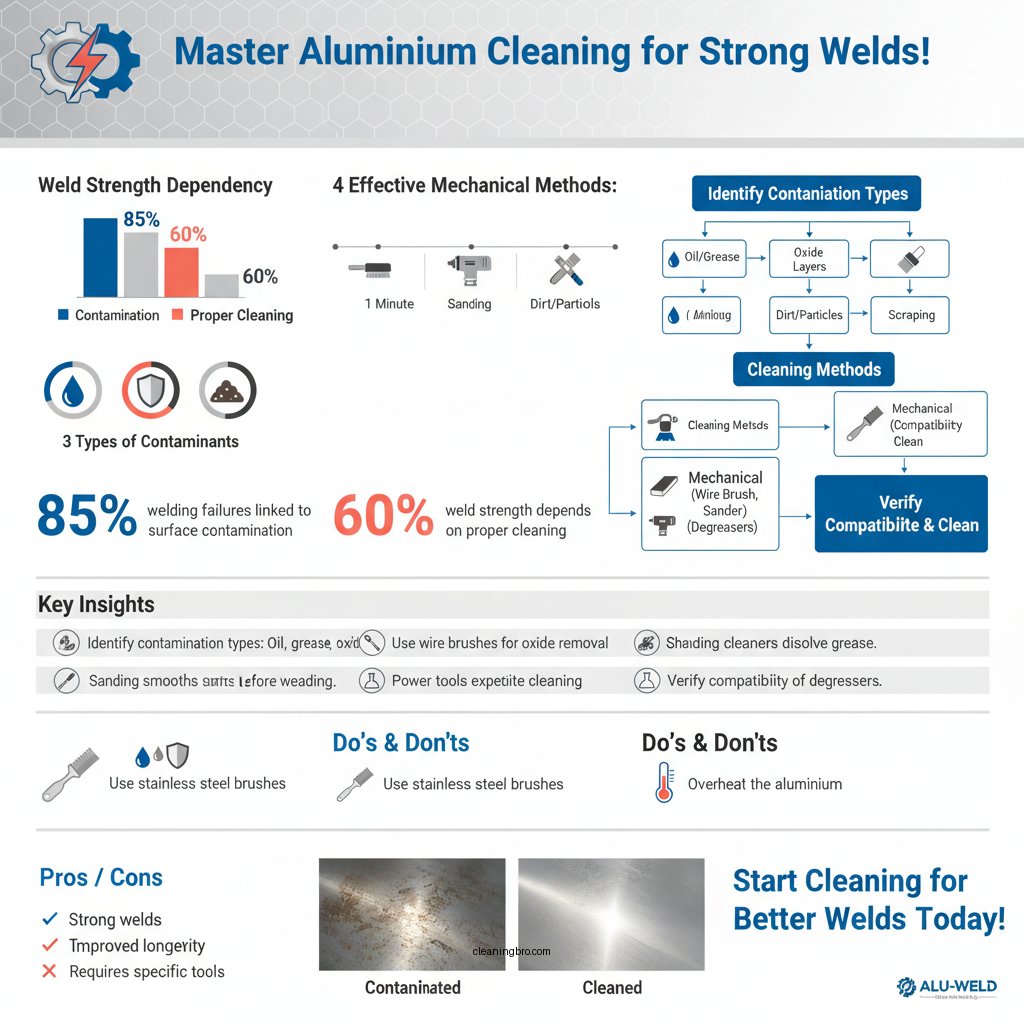
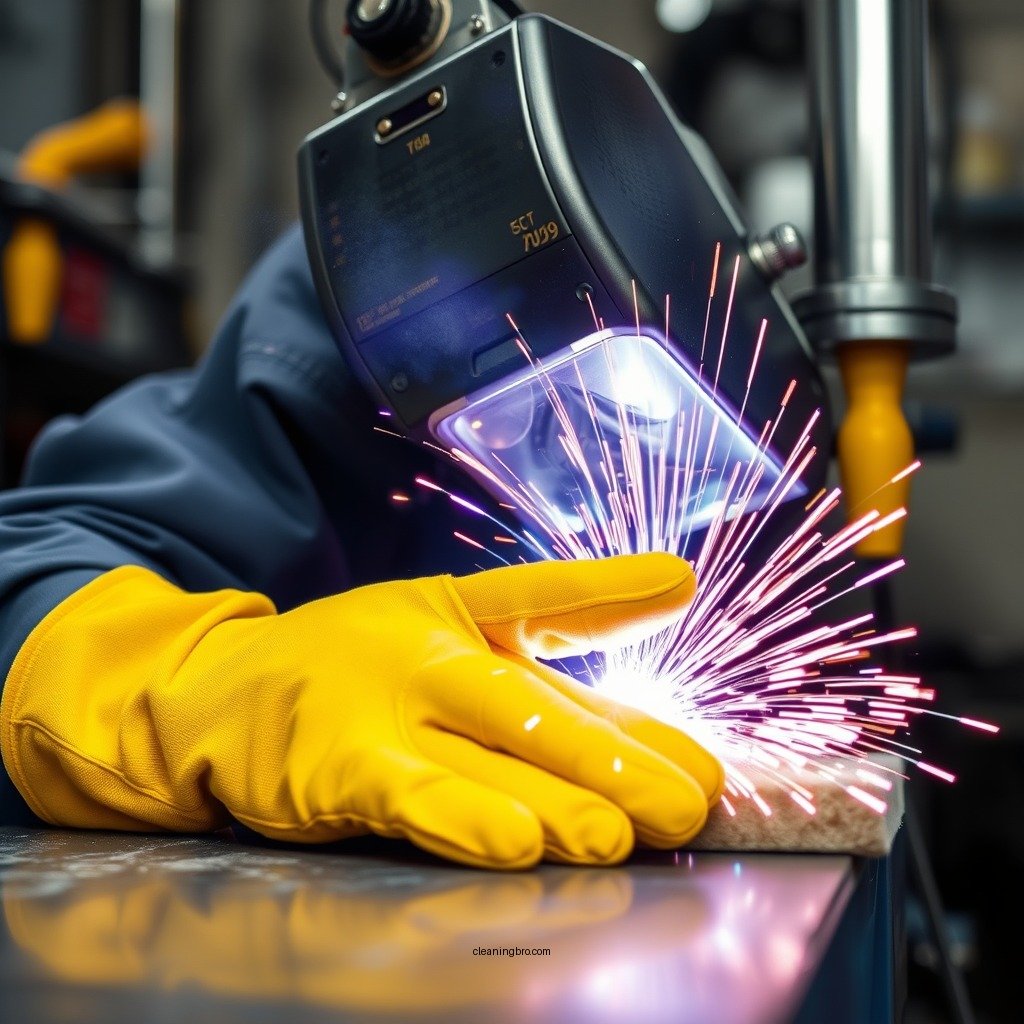
Mechanical cleaning techniques are essential for effective surface preparation, especially when dealing with stubborn oxide layers. Here are some effective methods:
1. Stainless Steel Wire Brush: Using a stainless steel wire brush is an efficient way to remove oxide layers from aluminium. The brush should be used gently to avoid scratching the underlying metal.
2. Sanding or Grinding: Sanding or grinding can be effective, particularly for larger surfaces. A fine-grit sandpaper or grinding wheel can help achieve a smooth surface by removing any remaining contaminants after brushing.
3. Power Tools: For extensive cleaning, power tools like angle grinders with appropriate discs can expedite the process. However, care must be taken to avoid overheating the aluminium, which can alter its properties.
4. Scrapers: In some cases, using a plastic or wooden scraper can help remove thicker contaminants without damaging the aluminium surface.
Chemical Cleaning Methods
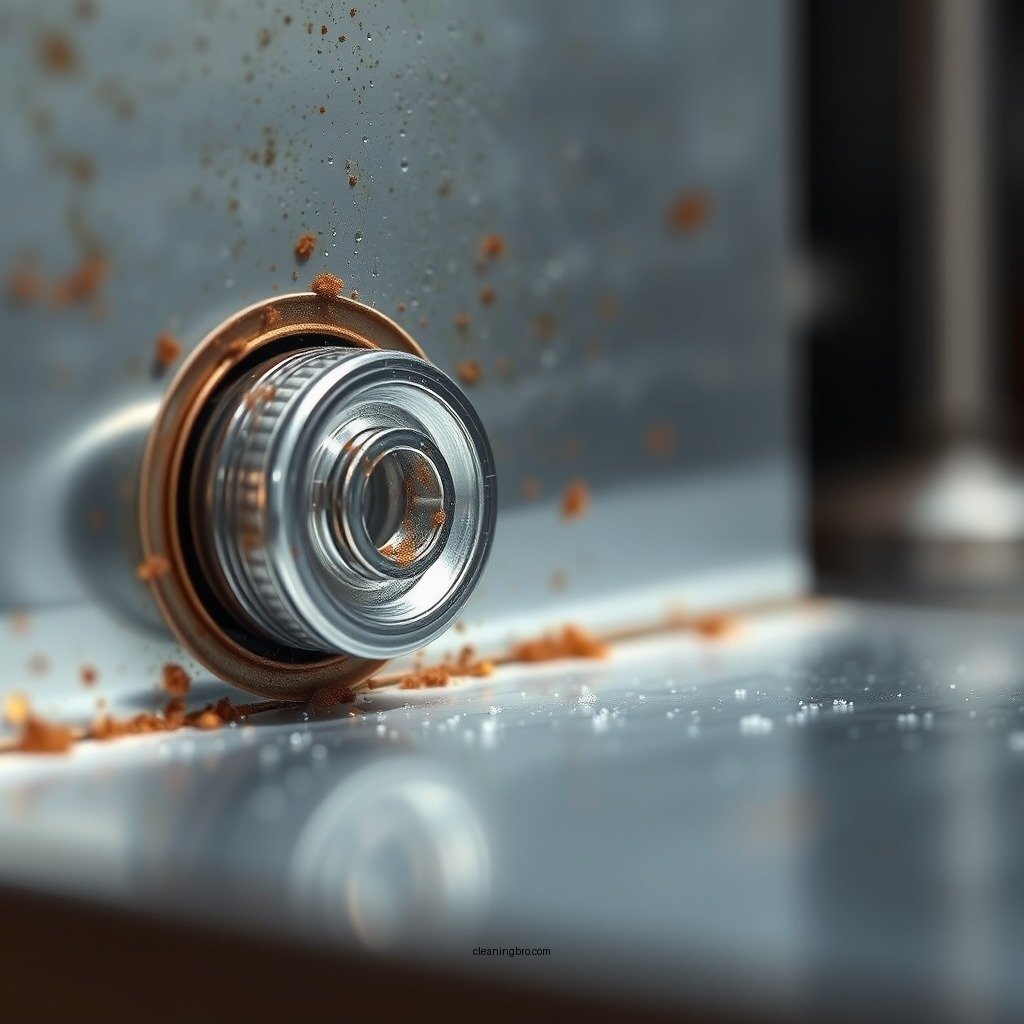
Chemical cleaning methods are often necessary to efficiently remove oils, greases, and other residues that mechanical methods may not fully address. Here are some common chemical cleaning methods:
1. Degreasers: Applying a degreaser or solvent specifically designed for metals can effectively eliminate oils and grease. Ensure the chosen degreaser is compatible with aluminium to prevent damage.
2. Dedicated Aluminium Cleaners: These cleaners often include phosphoric acid or other chemicals that can dissolve oxide layers and provide a brighter finish. They are specifically formulated to clean aluminium without causing harm.
3. Acid Solutions: Mild acid solutions, such as a mixture of vinegar and water, can be used for cleaning. Always follow with a thorough rinse to eliminate any residues that might interfere with welding.
4. Alkaline Cleaners: These solutions can also be effective in breaking down organic contaminants. Ensure to neutralize alkaline residues before welding.
The Importance of Surface Preparation
Proper cleaning is not just a preliminary step; it significantly impacts the quality and durability of the weld. A clean surface facilitates better fusion between the welding materials and reduces the risk of defects such as porosity or inclusions that can compromise structural integrity.
1. Improved Weld Quality: Clean surfaces allow for a smoother fusion of materials, which leads to stronger, more reliable joints. Impurities can lead to weak spots that may fail under stress.
2. Reduced Weld Defects: Contaminants can cause defects like porosity, which introduces voids in the weld that can weaken the joint. A thorough cleaning process minimizes these risks.
3. Longevity of the Weld: Properly prepared surfaces contribute to the overall longevity of the weld, ensuring that the welded joint can withstand environmental factors and mechanical stress.
Safety Precautions When Cleaning
Safety should always be a priority during the cleaning process. Here are essential safety precautions to consider:
1. Personal Protective Equipment (PPE): Always wear gloves, goggles, and protective clothing to safeguard against chemicals and sharp edges during mechanical cleaning.
2. Ventilation: Ensure the workspace is well-ventilated, especially when using chemical cleaners, to avoid inhaling harmful fumes.
3. Proper Handling of Chemicals: Follow the manufacturer’s instructions for all cleaning chemicals, including proper storage and disposal methods.
4. Fire Safety: Be aware of the flammability of some solvents used for cleaning. Keep a fire extinguisher nearby and follow all safety protocols.
Final Surface Inspection
After cleaning, it is crucial to conduct a final inspection of the aluminium surface to ensure it is free from contaminants. This step is vital to guarantee a successful welding process.
1. Visual Inspection: Look for any remaining grease, dirt, or oxide layers. Use a clean cloth to wipe the surface and check for residues.
2. Water Break Test: A simple and effective method to check cleanliness is the water break test. Apply a few drops of water to the surface; if the water beads up rather than spreading, contaminants may still be present.
3. Touch Test: Running a gloved hand over the surface can help identify any rough spots or residues that may not be visible.
Top 7 Contaminants Affecting Aluminium Welding
| # | Contaminant Type | Effect on Welding | Recommended Cleaning Method |
|---|---|---|---|
| 1 | Oil | Weakens weld strength | Solvent Degreaser |
| 2 | Grease | Prevents fusion | Aluminium Cleaner |
| 3 | Dust | Interferes with weld pool | Mechanical Brush |
| 4 | Oxide Layer | Reduces conductivity | Sanding |
| 5 | Paint | Impairs weld penetration | Chemical Stripper |
| 6 | Rust | Weakens structural integrity | Rust Remover |
| 7 | Contaminated Water | Causes defects | Distilled Water Rinse |
Top 3 Aluminium Cleaning Methods
| Feature | ⭐ Chemical Cleaners | Mechanical Cleaning | Combination Method |
|---|---|---|---|
| Effectiveness | High | Moderate | Very High |
| Speed | Fast | Slow | Moderate |
| Cost | Low | Low | Medium |
| Surface Finish | Smooth | Rough | Optimal |
| Ease of Use | Requires PPE | Simple | Moderate |
| Environmental Impact | Variable | Low | Moderate |
| Residue Removal | Yes | No | Yes |
| Suitable for All Contaminants | No | No | Yes |
| Time Required | Short | Long | Moderate |
| 🏆 Best For | Industrial Cleaning | Small Projects | General Use |
By following these steps, you can ensure that your aluminium is properly cleaned and prepared for welding, leading to stronger, more reliable joints. Make sure to gather all necessary materials and follow the techniques outlined to achieve the best results. Proper cleaning not only enhances the quality of your welds but also increases the efficiency of your welding projects, saving you time and resources in the long run.
Frequently Asked Questions
What is the best method to clean aluminium for welding?
The best method to clean aluminium for welding involves using a combination of mechanical and chemical cleaning techniques. Start by removing any dirt or grease with a degreaser, followed by scrubbing the surface with a stainless steel brush to eliminate oxidation. Finally, wipe the surface with a solvent such as acetone to ensure it is free of contaminants before welding.
How do I remove oxide layers from aluminium before welding?
To remove oxide layers from aluminium, you can use a chemical cleaning agent specifically designed for aluminium, or a mechanical method like sanding or grinding. Chemical solutions, such as phosphoric acid, effectively dissolve the oxide layer, while mechanical methods prepare the surface for better weld penetration. Always ensure to clean the surface thoroughly afterward to remove any residue.
Why is it important to clean aluminium prior to welding?
Cleaning aluminium prior to welding is crucial because contaminants like oil, dirt, and oxide layers can significantly affect the quality of the weld. These impurities can lead to weak welds, porosity, and even defects, compromising the structural integrity of the final product. Ensuring a clean surface promotes better fusion and improves overall welding performance.
Which cleaning products are safe for aluminium before welding?
Safe cleaning products for aluminium include non-chlorinated degreasers, phosphoric acid cleaners, and solvents like acetone or isopropyl alcohol. It is essential to select products that won’t corrode or damage the aluminium surface. Always check the manufacturer’s recommendations to ensure compatibility with your specific aluminium grade.
How can I ensure my aluminium is clean enough for welding?
To ensure your aluminium is clean enough for welding, conduct a visual inspection for any visible contaminants and perform a water break test. If water beads up on the surface, it indicates remaining oils or contaminants; a clean surface should allow water to spread evenly. Additionally, consider using a test weld on a scrap piece to evaluate the quality before proceeding with your final weld.
References
- https://en.wikipedia.org/wiki/Aluminium_welding
https://en.wikipedia.org/wiki/Aluminium_welding - https://www.sciencedirect.com/topics/engineering/aluminum-welding
https://www.sciencedirect.com/topics/engineering/aluminum-welding - https://www.ncbi.nlm.nih.gov/pmc/articles/PMC6771831/
https://www.ncbi.nlm.nih.gov/pmc/articles/PMC6771831/ - https://www.uwm.edu/engineering/wp-content/uploads/sites/270/2018/09/Aluminum-Welding.pdf
https://www.uwm.edu/engineering/wp-content/uploads/sites/270/2018/09/Aluminum-Welding.pdf - Google Scholar Google Scholar
https://scholar.google.com/scholar?q=how+to+clean+aluminium+for+welding - Google Scholar Google Scholar
https://scholar.google.com/scholar?q=aluminum+welding+preparation - Aluminum | Uses, Properties, & Compounds | Britannica
https://www.britannica.com/science/aluminum - https://pubmed.ncbi.nlm.nih.gov/19862809/
https://pubmed.ncbi.nlm.nih.gov/19862809/ - https://www.weldinginspectionsvcs.com/cleaning-aluminum-for-welding/
https://www.weldinginspectionsvcs.com/cleaning-aluminum-for-welding/ - how to clean aluminium for welding – Search results
https://en.wikipedia.org/wiki/Special:Search?search=how+to+clean+aluminium+for+welding