
To effectively clean algae from fish tank rocks, start by removing the rocks and scrubbing them with a soft brush under running water. For stubborn algae, a mixture of vinegar and water can be used. In this article, we will explore various methods and tips for keeping your aquarium rocks algae-free, ensuring a healthy environment for your fish.


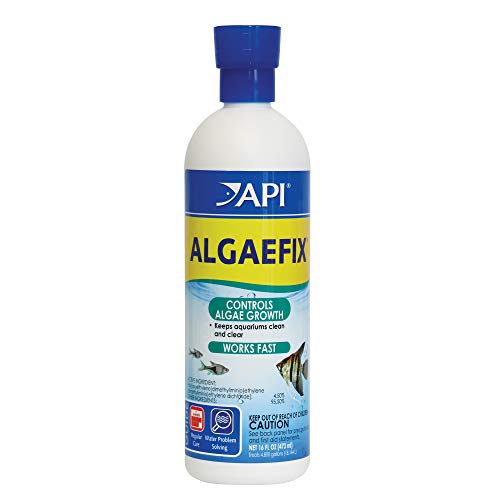

Understanding Algae Growth in Aquariums

Algae are a natural part of any aquatic ecosystem, thriving in environments rich in nutrients. These organisms can proliferate due to a variety of factors, including excess light, high organic waste levels, and inadequate filtration. Common types of algae found in fish tanks include green algae, brown algae, and blue-green algae, each presenting unique challenges for aquarium owners. Green algae can appear as a slimy coating on rocks and glass, while brown algae often takes on a dusty appearance and thrives in low-light conditions. Blue-green algae, or cyanobacteria, may appear in thick mats and can be particularly harmful, as it can produce toxins that affect fish health.

Regular maintenance, including monitoring water parameters and maintaining a balanced ecosystem, can significantly reduce the likelihood of algae blooms. By understanding the conditions that promote algae growth, aquarium enthusiasts can take proactive measures to maintain clean, algae-free rocks.
Tools and Supplies Needed


To effectively clean algae from fish tank rocks, you’ll need the following tools and supplies:
– Soft-bristled brush or sponge: Essential for gently scrubbing rocks without damaging beneficial bacteria.
– Vinegar or algae-specific cleaning solutions: Useful for tackling stubborn algae that resist simple scrubbing.
– Bucket: Necessary for rinsing and soaking the rocks during the cleaning process.
– Old toothbrush: Ideal for reaching hard-to-access areas of decorative rocks or crevices.
These tools will facilitate a thorough cleaning process, ensuring that your fish tank rocks are not only visually appealing but also conducive to a healthy aquatic environment.
Step-by-Step Cleaning Process

Follow these steps to effectively clean algae from fish tank rocks:
1. Remove Rocks from the Tank: Carefully take out the rocks you wish to clean and place them in a bucket. Make sure to handle them gently to avoid disturbing any beneficial bacteria that may have settled on their surfaces.
2. Scrub the Rocks: Using a soft-bristled brush or sponge, scrub each rock gently to remove algae buildup. Pay special attention to any areas that appear heavily soiled. Avoid using abrasive materials, as they can scratch the surface and harm the beneficial biofilm on the rocks.
3. Rinse Thoroughly: After scrubbing, rinse the rocks under warm running water to eliminate any remaining debris and algae particles. This step is crucial, as it helps wash away any cleaning agents if vinegar or chemicals were used.
4. Soak for Stubborn Algae (Optional): If any stubborn algae persist, soak the rocks in a mixture of equal parts vinegar and water for about 30 minutes. After soaking, scrub and rinse them again.
5. Reintroduce Rocks to the Tank: Once the rocks are clean and rinsed, carefully place them back into the aquarium, ensuring that you do not disturb the substrate or other decorations.
Here’s a visual representation of the cleaning process:
Top 7 Common Algae Types in Aquariums
| # | Algae Type | Appearance | Common Causes |
|---|---|---|---|
| 1 | Green Algae | Bright green slime | Excess light, high nitrates |
| 2 | Brown Algae | Dusty brown coating | Low light, excess silicates |
| 3 | Blue-Green Algae | Thick, mat-like layers | Excess nutrients, poor circulation |
| 4 | Red Algae | Red or purple film | Low light, high phosphates |
| 5 | Film Algae | Transparent film | Excess organic waste |
| 6 | Spider Algae | Long, stringy strands | High light, nutrient-rich water |
| 7 | Cladophora Algae | Green velvety strands | High light, high nutrients |
Preventing Future Algae Growth
Maintaining an algae-free aquarium not only enhances the aesthetic appeal but also promotes the wellbeing of your fish. Implement the following strategies to prevent future algae growth:
1. Adjust Lighting: Limit lighting exposure to 8-10 hours daily to prevent excessive algae growth. Use timers to maintain a consistent schedule, avoiding prolonged light exposure that encourages algae proliferation.
2. Regular Water Changes: Performing routine water changes (approximately 10-15% weekly) helps reduce nutrient buildup that fuels algae growth. This practice also ensures that harmful toxins are diluted, contributing to a healthier environment for your fish.
3. Introduce Live Plants: Adding live plants to your aquarium can significantly reduce algae growth. Plants compete for the same nutrients that algae thrive on, thereby limiting their availability and discouraging algae establishment.
4. Optimize Filtration: Ensure your aquarium’s filtration system is functioning effectively. A strong filter will help remove excess organic matter and maintain water clarity, further reducing the potential for algae growth.
5. Monitor Nutrient Levels: Regularly check your water parameters, particularly nitrate and phosphate levels, as these nutrients can promote algae growth. Keeping these levels low is crucial for preventing unwanted algae blooms.
By implementing these preventive measures, you can create an environment where algae struggle to thrive, thus ensuring a healthier ecosystem for your aquatic life.
Additional Tips for Effective Cleaning
In addition to the cleaning process described above, here are some additional tips for maintaining algae-free rocks:
– Consider Using a Gravel Vacuum: During water changes, utilize a gravel vacuum to remove algae and waste from the substrate. This helps maintain water quality and limits algae growth.
– Monitor Water Parameters: Regularly check and maintain balanced water parameters, particularly nitrate and phosphate levels, to keep nutrient levels in check.
– Introduce Algae-Eating Fish or Invertebrates: Certain species, such as snails, shrimp, and specific fish (like Siamese algae eaters), can help control algae growth naturally. Consider adding these to your tank to maintain a balanced ecosystem.
When to Seek Professional Help
If you encounter persistent algae problems that do not respond to standard cleaning and maintenance practices, it may be time to seek professional help. Here are some indicators that professional intervention may be necessary:
1. Persistent Algae Blooms: If algae continue to thrive despite regular cleaning, water changes, and adjustments to lighting, it may signify an underlying issue within your aquarium’s ecosystem.
2. Unexplained Algae Types: If you notice unfamiliar algae types or colors, consult with a local aquarium expert to determine the cause and appropriate remedial actions.
3. Professional Cleaning Services: For heavily affected tanks, professional cleaning services can help restore balance to your aquarium. These experts have specialized equipment and knowledge to address severe algae issues effectively.
By recognizing when to seek help, you can ensure that your aquarium remains a healthy and vibrant environment for your fish.
Keeping your fish tank rocks clean from algae is vital for the health of your aquarium and its inhabitants. By following the outlined steps and tips, you can maintain a visually appealing and thriving aquatic environment. Implementing regular maintenance and preventive measures will go a long way in ensuring your tank remains algae-free. Start your cleaning today and enjoy a healthier fish tank!
Frequently Asked Questions
What are the best methods to clean algae from fish tank rocks?
The best methods to clean algae from fish tank rocks include using a soft-bristle toothbrush or algae scrubber, as these tools effectively remove algae without damaging the rocks. Additionally, you can soak the rocks in a mixture of water and vinegar for about 30 minutes to help break down stubborn algae before scrubbing.
How often should I clean algae from my fish tank rocks?
You should clean algae from your fish tank rocks at least once a month, or more frequently if you notice excessive algae growth. Regular maintenance not only keeps your tank looking clean but also promotes a healthier environment for your fish and plants.
Why is it important to remove algae from fish tank rocks?
Removing algae from fish tank rocks is crucial because excessive algae can lead to poor water quality and oxygen depletion, harming your fish and aquatic plants. Additionally, algae can create an unsightly appearance in the tank, making it less enjoyable to view.
Which products are safe for cleaning algae from fish tank rocks?
Safe products for cleaning algae from fish tank rocks include aquarium-safe algae removers and natural remedies like vinegar or hydrogen peroxide diluted with water. Avoid using harsh chemicals or soaps, as they can be toxic to fish and disrupt the tank’s ecosystem.
How can I prevent algae growth on my fish tank rocks?
To prevent algae growth on your fish tank rocks, maintain proper lighting duration and intensity, as excessive light can encourage algae. Regular water changes, controlling nutrient levels, and adding algae-eating fish or invertebrates can also help minimize algae proliferation in your aquarium.
References
- Algae
https://en.wikipedia.org/wiki/Algae - https://www.ncbi.nlm.nih.gov/pmc/articles/PMC5961527/
https://www.ncbi.nlm.nih.gov/pmc/articles/PMC5961527/ - https://www.ncbi.nlm.nih.gov/pmc/articles/PMC3582235/
https://www.ncbi.nlm.nih.gov/pmc/articles/PMC3582235/ - https://www.sciencedirect.com/science/article/pii/S221478001730047X
https://www.sciencedirect.com/science/article/pii/S221478001730047X - Algae | Definition, Characteristics, Classification, Examples, & Facts | Britannica
https://www.britannica.com/science/algae - https://www.researchgate.net/publication/318258947_The_Impact_of_Algae_on_Aquatic_Ecosystems
https://www.researchgate.net/publication/318258947_The_Impact_of_Algae_on_Aquatic_Ecosystems - Google Scholar Google Scholar
https://scholar.google.com/scholar?q=how+to+clean+algae+from+fish+tank+rocks - Google Scholar Google Scholar
https://scholar.google.com/scholar?q=algae+removal+techniques+in+aquariums - Google Scholar Google Scholar
https://scholar.google.com/scholar?q=algae+control+in+fish+tanks - how to clean algae from fish tank rocks – Search results
https://en.wikipedia.org/wiki/Special:Search?search=how+to+clean+algae+from+fish+tank+rocks

1 Comment