How to Effectively Clean an Autoclave
Cleaning an autoclave is vital for ensuring its sterilization efficiency and enhancing its longevity. An effective cleaning regimen not only protects the integrity of sterilized items but also minimizes the risk of cross-contamination in healthcare settings. In this guide, you’ll discover best practices for cleaning your autoclave systematically, including essential tools, a step-by-step procedure, and routine maintenance tips.
Understanding the Importance of Autoclave Cleaning
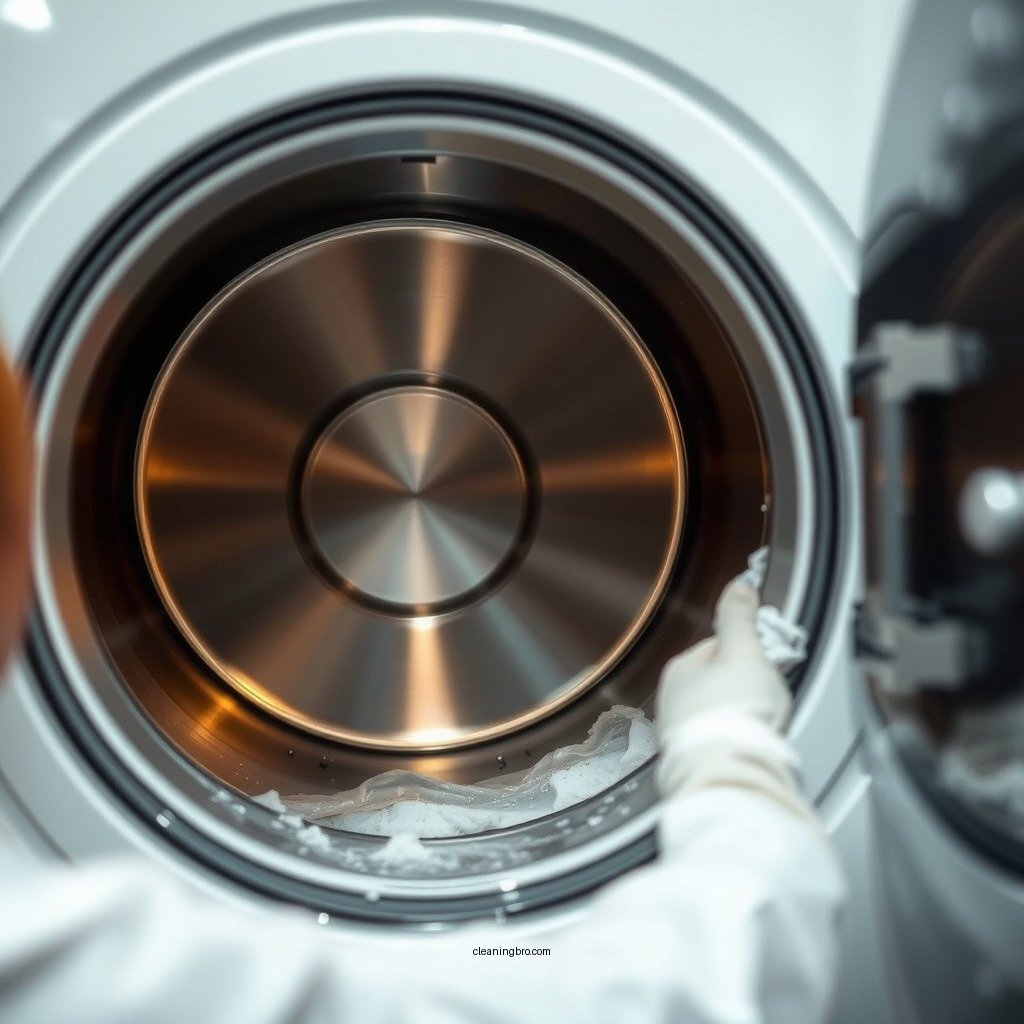
Cleaning an autoclave is crucial for several reasons. Firstly, it prevents contamination, which is essential for maintaining effective sterilization. Contaminated autoclaves can compromise the sterility of surgical instruments and other medical equipment, leading to potential health risks for patients. Moreover, regular cleaning extends the lifespan of the autoclave. By keeping the equipment free from debris, mineral deposits, and chemical residues, the likelihood of breakdowns and costly repairs is significantly reduced.
In addition, a clean autoclave operates more efficiently, providing consistent temperature and pressure levels necessary for effective sterilization. This efficiency minimizes processing times, thereby improving workflow in busy healthcare environments.
Preparing for the Cleaning Process
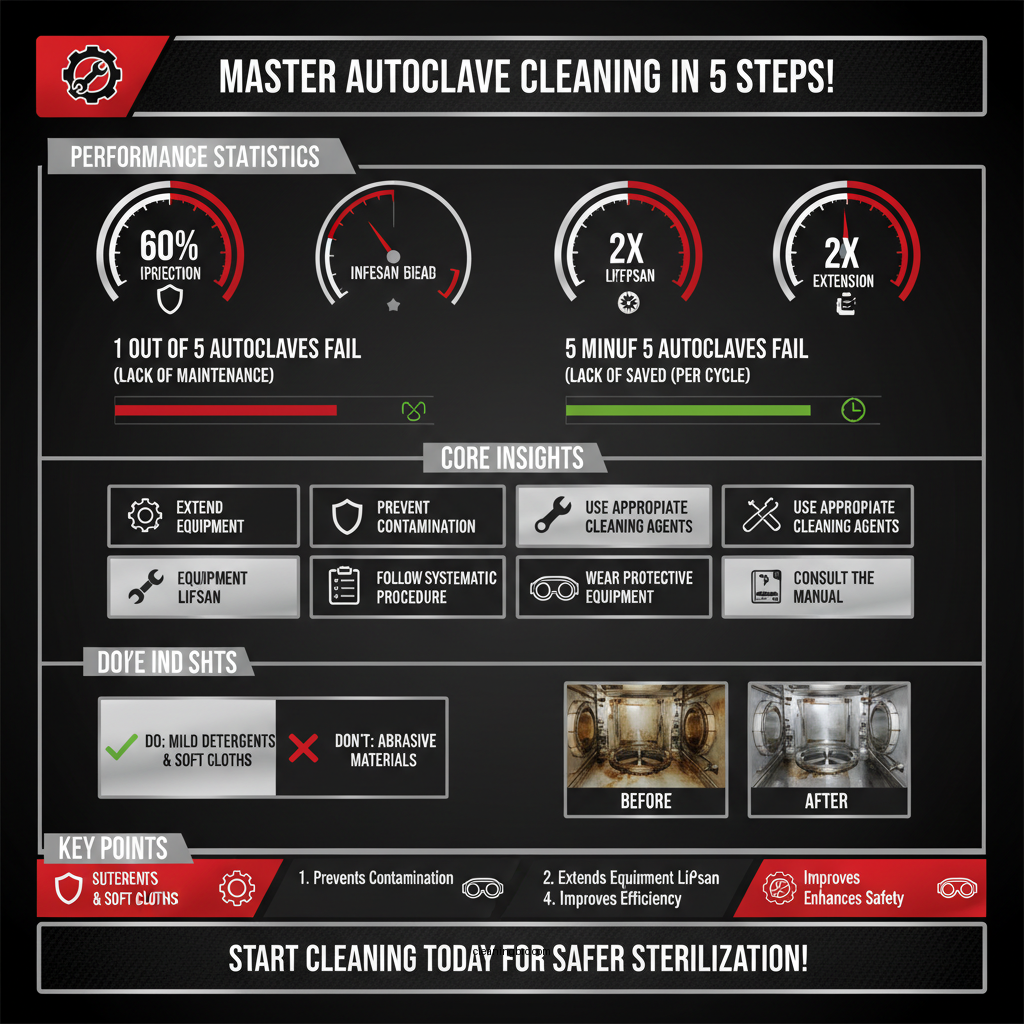
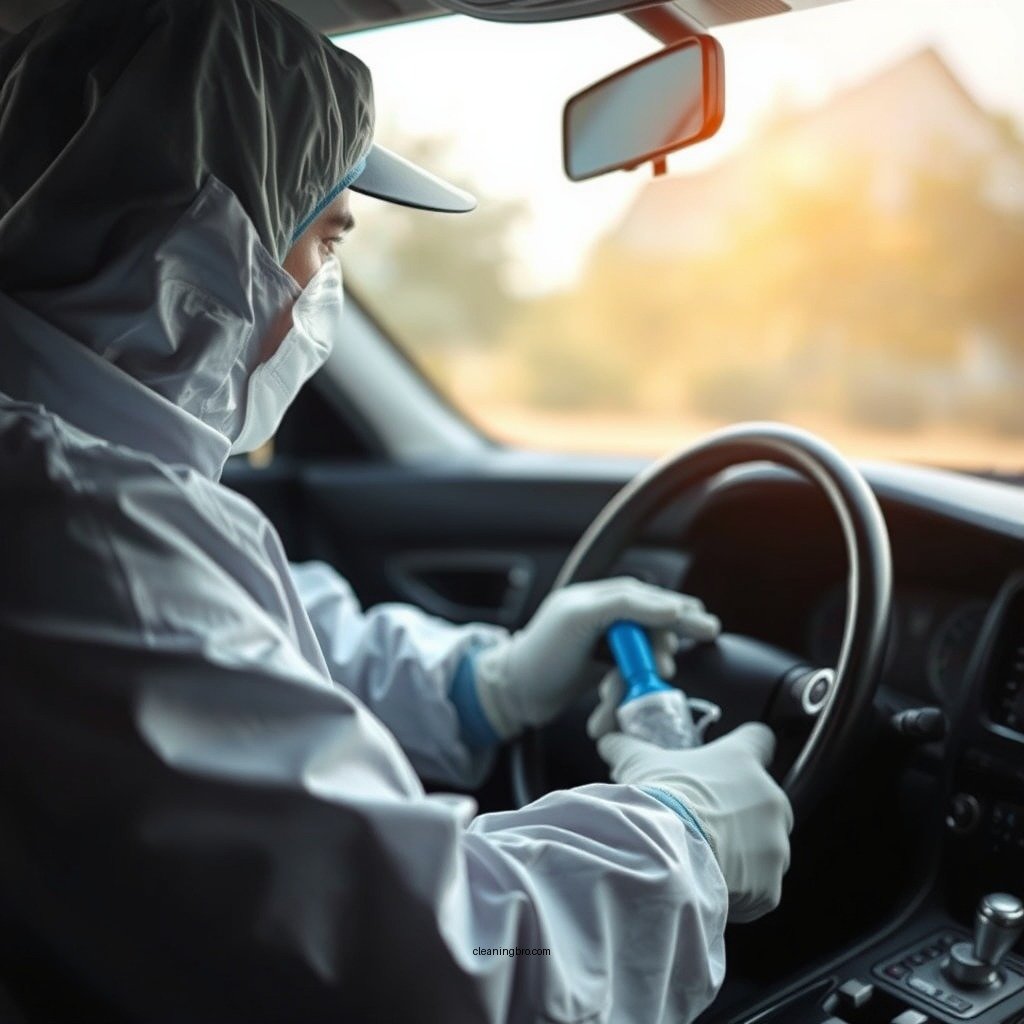
Before starting the cleaning process, it’s essential to gather all necessary supplies and personal protective equipment (PPE). This includes:
– Cleaning Supplies: Mild detergent, disinfectant, soft cloths, brushes, and sponges.
– PPE: Gloves, goggles, and masks to protect against exposure to cleaning agents and contaminants.
Next, ensure that the autoclave is powered off and completely cool. This is crucial for safety and to prevent damage to components during the cleaning process. Additionally, it may be beneficial to consult the manufacturer’s manual for any specific cleaning instructions or recommendations regarding cleaning agents and procedures.
Step-by-Step Cleaning Procedure
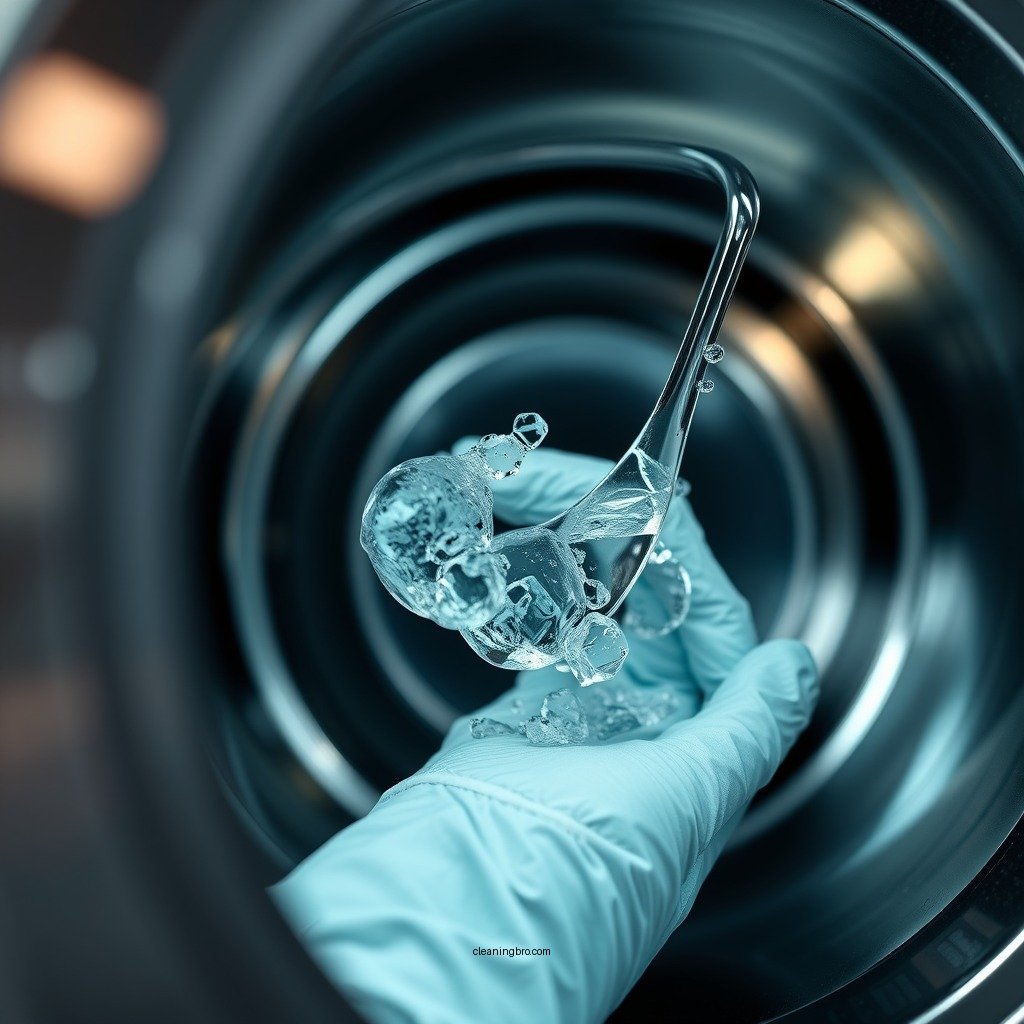
1. Remove Residual Materials: Start by opening the autoclave door and removing any instruments or materials left inside. Carefully discard any waste or residual materials to prevent contamination.
2. Clean the Interior Surfaces: Using a mild detergent and a soft cloth or sponge, scrub the interior surfaces of the autoclave chamber, including the trays and shelves. Pay special attention to corners and crevices where debris may accumulate.
3. Use Recommended Cleaning Agents: Depending on the manufacturer’s guidelines, apply appropriate cleaning agents that are designed for autoclave use. Avoid harsh chemicals that can corrode or damage the internal components.
4. Rinse Thoroughly: After scrubbing, rinse the interior surfaces with clean water to remove any chemical residues. Ensure that no detergent remains, as it can affect sterilization.
5. Dry Completely: Use a soft, dry cloth to wipe down the interior and leave the door open for a short time to allow for complete air drying.
After completing these steps, ensure that the autoclave is ready for operation by conducting a thorough inspection.
Top 7 Autoclave Cleaning Supplies (2024)
| # | Product | Type | Effectiveness | Price ($) |
|---|---|---|---|---|
| 1 | Autoclave Cleaning Solution A | Liquid | Highly Effective | 25 |
| 2 | Autoclave Detergent B | Powder | Moderately Effective | 15 |
| 3 | Sterilization Spray C | Spray | Highly Effective | 20 |
| 4 | Cleaning Wipes D | Wipes | Moderately Effective | 10 |
| 5 | Disinfectant Solution E | Liquid | Highly Effective | 30 |
| 6 | Odor Neutralizer F | Spray | Moderately Effective | 12 |
| 7 | Scale Remover G | Liquid | Highly Effective | 22 |
Cleaning the Autoclave Components
Cleaning should not be limited to the main chamber; specific components require attention as well. Key areas to focus on include:
– Door Gasket: This is critical for maintaining the seal during sterilization. Clean it with a damp cloth and inspect for cracks or wear. Replace if necessary to prevent leaks.
– Drain: Regularly clean and inspect the drain for clogs or buildup. A blocked drain can lead to water pooling and ineffective sterilization cycles.
– Filters: Check and replace air and water filters according to the manufacturer’s guidelines. Dirty filters can affect performance and lead to contamination.
Additionally, inspect seals and any other wear-prone parts. Keeping a close eye on these components can prevent unexpected downtime and ensure the autoclave operates efficiently.
Conducting Routine Maintenance
Establishing a routine maintenance schedule is crucial for autoclave longevity. The frequency of cleaning should correlate with the autoclave’s usage. For high-use environments, consider a weekly cleaning schedule. For less frequent use, monthly maintenance may suffice.
Regularly check and calibrate the autoclave settings to ensure optimal performance. This includes verifying temperature accuracy, pressure levels, and cycle times. Documenting these checks can provide valuable insights into the autoclave’s performance and maintenance history.
Troubleshooting Common Issues
Even with rigorous cleaning and maintenance, issues may arise. Common signs of inadequate sterilization include:
– Unusual Odors: A musty or chemical smell can indicate residue buildup or contamination within the chamber.
– Error Messages: Many modern autoclaves display error codes for specific malfunctions. Consulting the user manual can help diagnose and resolve these issues quickly.
– Leaks: If water is pooling around the autoclave, inspect seals and connections. A small leak may indicate a worn gasket or improper sealing.
To address these problems, always refer to the manufacturer’s manual for troubleshooting tips. In some cases, professional servicing may be necessary to restore optimal function.
Common Autoclave Issues and Solutions
Regularly cleaning your autoclave is not only a best practice but a necessity for maintaining safe and effective sterilization. By implementing the practices outlined in this guide, you can ensure that your autoclave remains in excellent condition, ultimately leading to enhanced patient safety and operational efficiency.
In conclusion, a systematic approach to cleaning and maintaining your autoclave is essential for its longevity and effectiveness. By following the outlined steps, you can prevent contamination, extend the equipment’s lifespan, and troubleshoot common issues. Consider creating a maintenance log to keep track of cleaning schedules and inspections. Regular attention to your autoclave will ensure it operates at peak performance, safeguarding the health of patients and the reputation of your facility.
Frequently Asked Questions
What are the essential steps to clean an autoclave?
To clean an autoclave effectively, start by unplugging the machine and allowing it to cool. Remove any removable parts like trays and racks, and wash them with warm, soapy water. Wipe down the interior and exterior surfaces with a disinfectant solution, and ensure you check and clean the water reservoir and filters to maintain optimal performance.
How often should I clean my autoclave?
It is recommended to clean your autoclave at least once a week, depending on usage frequency. If the autoclave is used heavily, more frequent cleaning may be necessary to prevent the buildup of contaminants and ensure effective sterilization. Regular maintenance helps extend the lifespan of the machine and ensures it operates efficiently.
Why is it important to regularly clean an autoclave?
Regular cleaning of an autoclave is crucial to prevent cross-contamination and ensure the sterilization process is effective. Residue from previous loads can interfere with the sterilization cycle, leading to ineffective results and potentially compromising sterilized items. Additionally, a clean autoclave minimizes the risk of malfunctions and extends the equipment’s durability.
What cleaning agents are best for autoclave maintenance?
The best cleaning agents for autoclave maintenance include non-abrasive disinfectants that are specifically designed for medical or laboratory equipment. Look for solutions that contain enzymes or are formulated to dissolve mineral deposits and organic matter without damaging the autoclave’s surfaces. Always follow the manufacturer’s recommendations for safe use.
Which parts of the autoclave require special attention during cleaning?
Special attention should be paid to the chamber, door seals, and water reservoir during the cleaning process. The chamber should be thoroughly wiped down to remove any residue, while the door seals must be checked for cleanliness to ensure a proper seal during sterilization. Regularly cleaning the water reservoir helps prevent mineral buildup and ensures effective steam generation.
References
- https://www.cdc.gov/infectioncontrol/guidelines/disinfection/cleaning.html
https://www.cdc.gov/infectioncontrol/guidelines/disinfection/cleaning.html - National Institutes of Health (NIH) |
https://www.nih.gov/ - https://www.who.int/water_sanitation_health/publications/cleaning_disinfection/en/
https://www.who.int/water_sanitation_health/publications/cleaning_disinfection/en/ - https://www.ncbi.nlm.nih.gov/pmc/articles/PMC4484071/
https://www.ncbi.nlm.nih.gov/pmc/articles/PMC4484071/ - https://www.sciencedirect.com/science/article/pii/S0360132316303015
https://www.sciencedirect.com/science/article/pii/S0360132316303015 - Autoclave | Sterilization, Pressure, Heat | Britannica
https://www.britannica.com/science/autoclave - https://www.mayoclinic.org/health-information/faq-20058027
https://www.mayoclinic.org/health-information/faq-20058027 - Google Scholar Google Scholar
https://scholar.google.com/scholar?q=how+to+clean+an+autoclave - Google Scholar Google Scholar
https://scholar.google.com/scholar?q=autoclave+cleaning+procedures - Google Scholar Google Scholar
https://scholar.google.com/scholar?q=disinfection+of+autoclaves