How to Clean Artificial Grass for Dogs: A Simple Guide
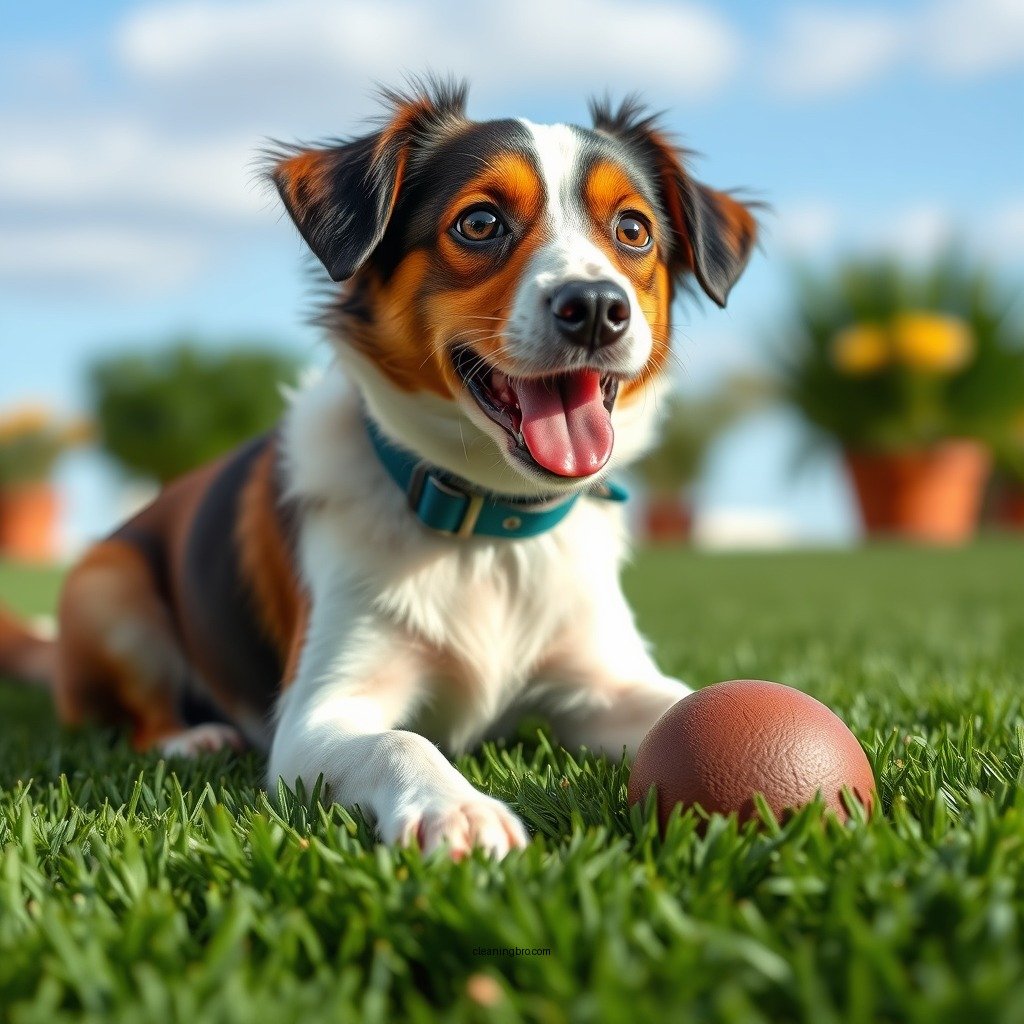
Cleaning artificial grass for dogs is essential to maintain a hygienic and pleasant environment for your pets. Regular cleaning helps remove waste, odors, and debris, ensuring your artificial lawn remains safe and enjoyable. In this article, you will learn effective methods and tips to keep your artificial grass clean and fresh, making it a worry-free space for your furry friends.
Understanding the Basics of Artificial Grass
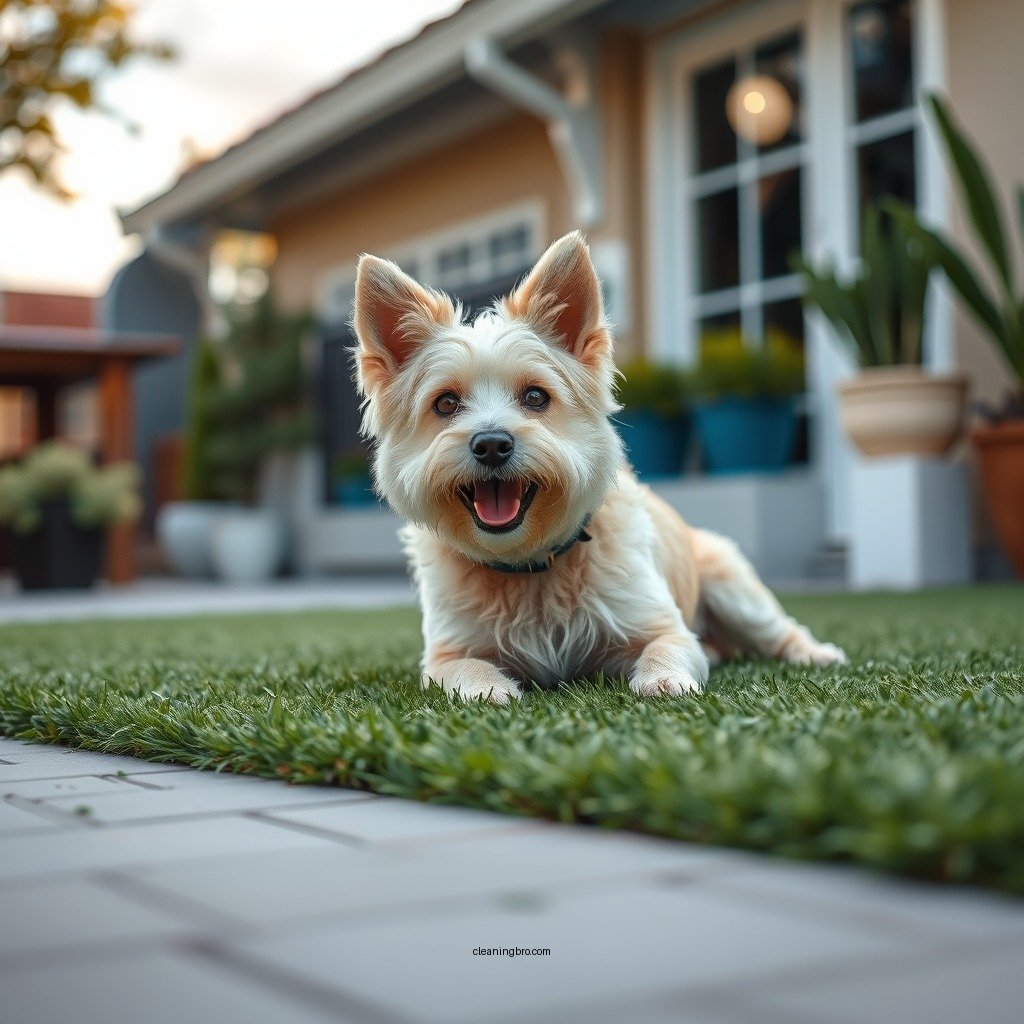
Artificial grass is made from a variety of synthetic materials, commonly polyethylene, polypropylene, or nylon. Understanding the specific type of artificial grass you have is crucial because the cleaning methods can vary based on the material. For instance, polyethylene is durable and UV-resistant, making it a popular choice for pet owners. Conversely, nylon is known for its resilience but may be more prone to staining from pet waste.
The benefits of artificial grass for dogs are numerous. It provides a soft, safe surface for pets to play on, is resistant to wear and tear, and requires minimal maintenance compared to natural grass. Furthermore, artificial turf is often designed with drainage systems that allow for easy cleaning and help prevent odors. Pet-friendly features, such as antimicrobial properties, also contribute to a healthier environment for your pets.
Daily Cleaning Routine
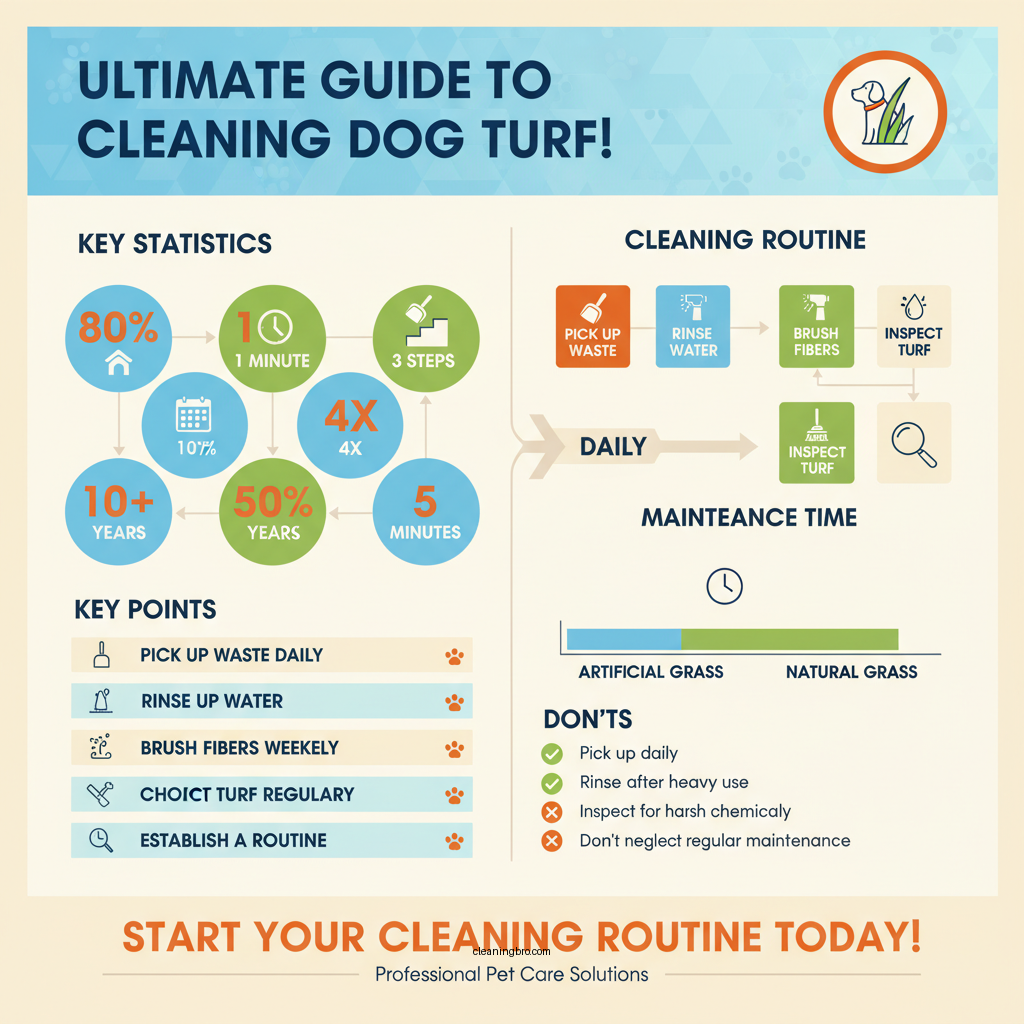
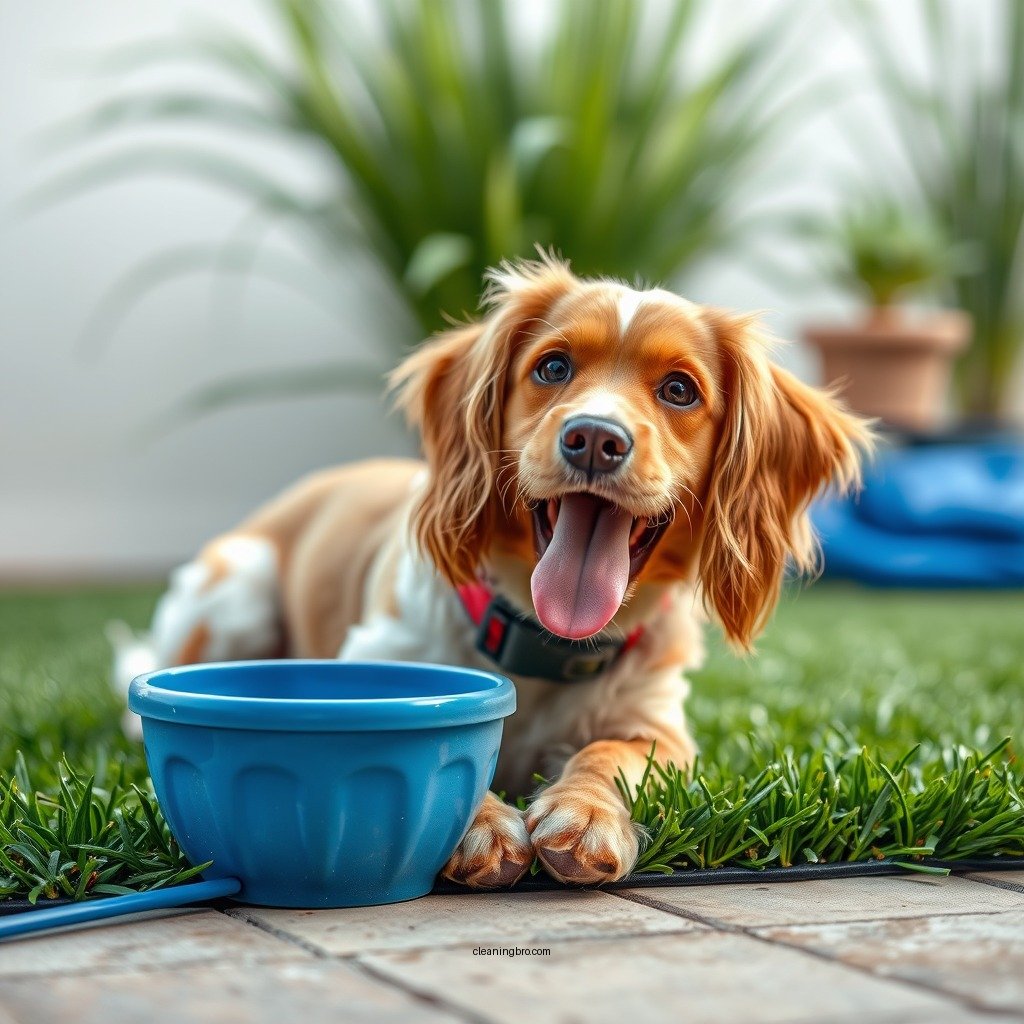
To keep your artificial grass in good condition, establish a daily cleaning routine. One of the most important tasks is to pick up dog waste immediately. This not only prevents staining but also minimizes odors and keeps the grass looking pristine. Invest in a dedicated waste scooper or bags to make this task easier.
Next, rinse the area with water using a hose. This helps remove any residual dirt, debris, or urine that may have accumulated throughout the day. Pay special attention to high-traffic areas where your dogs spend the most time, as these spots may require more frequent rinsing.
Weekly Maintenance Tips
In addition to your daily routine, implement a weekly maintenance schedule. Use a stiff bristle broom to brush the grass fibers against the grain, which helps lift the fibers and remove any trapped dirt or debris. Brushing not only keeps the grass looking lush but also helps to prevent matting of the fibers.
During your weekly maintenance, inspect the artificial grass for any signs of wear or damage. Look for areas where the fibers may be fraying or separation at the seams. Addressing these issues promptly will help maintain the integrity of your turf and extend its lifespan.
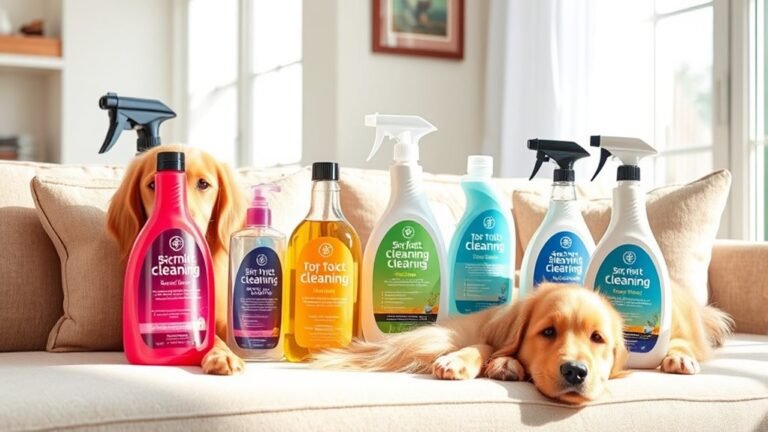
Top 7 Pet-Safe Cleaning Products for Artificial Grass
| # | Product Name | Type | Size | Pet-Safe |
|---|---|---|---|---|
| 1 | Simple Green | Cleaner | 1 Gallon | Yes |
| 2 | PetSafe Turf Cleaner | Enzymatic | 32 oz | Yes |
| 3 | Rocco & Roxie | Odor Eliminator | 32 oz | Yes |
| 4 | Nature’s Miracle | Stain Remover | 24 oz | Yes |
| 5 | Green Gobbler | Drain Cleaner | 32 oz | Yes |
| 6 | Pawtastic | Odor Control | 1 Gallon | Yes |
| 7 | Bissell | Pet Stain Eraser | 1 Each | Yes |
Deep Cleaning Methods
For a thorough cleaning, consider employing deep cleaning methods once every few months. One effective approach is to use a pet-safe cleaner. Look for non-toxic options specifically formulated for artificial grass; these cleaners can effectively sanitize the area without posing risks to your pets. Always follow the manufacturer’s instructions for optimal results.
Steam cleaning is another effective method for deep cleaning artificial grass. This process can sanitize and disinfect the turf without the need for harsh chemicals. Steam cleaning not only removes dirt and grime but also eliminates allergens and bacteria that may linger in the fibers.
Managing Odors
Managing odors is crucial when maintaining an artificial grass area for dogs. One simple method to neutralize smells is to sprinkle baking soda on the affected areas. Allow the baking soda to sit for several hours before rinsing it away. This natural deodorizer absorbs odors effectively.
Another effective solution is a diluted vinegar spray. Mix equal parts water and white vinegar in a spray bottle and lightly mist the grass. Vinegar’s acidity helps combat stubborn smells and can also deter pests. However, be cautious not to saturate the grass, as excessive moisture can lead to mold growth.
Seasonal Considerations
Seasonal changes can impact the upkeep of your artificial grass. During winter, it’s essential to clear snow and ice without damaging the turf. Use a plastic shovel to gently remove snow, as metal shovels can harm the grass fibers. Additionally, avoid using salt or chemical ice melts on artificial grass, as these can cause discoloration and damage.
In spring, conduct a thorough clean-up after winter. Remove any debris, leaves, or twigs that may have accumulated and perform a deep clean to refresh the lawn. This seasonal maintenance will keep your artificial grass looking its best as the weather warms up.
Best Cleaning Methods for Artificial Grass
Additional Tips for Dog Owners
To simplify the cleaning process, consider designating a specific potty area for your dog. Train your pet to use this area consistently, which will make waste management much easier. Using a surface that drains well will also help minimize odors and make cleaning more efficient.
Regular inspections of your artificial grass are essential. Check for pests, such as fleas or ticks, that may be drawn to the grassy area. Additionally, look out for any weeds that could emerge. Keeping a proactive approach will help you maintain a clean and healthy environment for your pets.
Maintaining artificial grass for dogs is a straightforward process that requires regular attention and the right techniques. By following these tips, you can ensure a safe, hygienic, and enjoyable space for your furry friends. Start implementing these cleaning strategies today for a fresh and inviting artificial lawn!
Frequently Asked Questions
How do I remove dog urine odor from artificial grass?
To eliminate dog urine odor from artificial grass, start by rinsing the area with water to dilute the urine. Then, use a mixture of equal parts water and white vinegar to clean the affected spots, as vinegar neutralizes odors. For persistent smells, consider a specialized enzymatic cleaner designed for artificial turf that breaks down the urine compounds.
What is the best way to clean artificial grass used by dogs?
The best way to clean artificial grass for dogs involves regularly removing solid waste using a pooper scooper and rinsing the area with water to wash away debris and urine. Additionally, using a mild soap solution or a specialized turf cleaner can help maintain hygiene and freshness. Regular maintenance will ensure your artificial grass remains clean and odor-free.
Why is it important to clean artificial grass regularly if I have dogs?
Regular cleaning of artificial grass is crucial for maintaining hygiene and preventing the buildup of bacteria, mold, and unpleasant odors, especially with dogs using the area. Without consistent cleaning, pet waste can lead to health risks for both pets and humans. Keeping the turf clean also prolongs its lifespan and appearance, ensuring a safe play area for your pets.
Which products are safe for cleaning artificial grass with dogs?
Safe products for cleaning artificial grass include enzymatic cleaners specifically formulated for pet waste, mild dish soaps, and vinegar-water solutions. Avoid harsh chemicals or bleach, as they can damage the turf and may be harmful to your pets. Look for biodegradable and pet-safe options to ensure the safety of your furry friends while cleaning.
How often should I clean artificial grass if I have multiple dogs?
If you have multiple dogs, it is recommended to clean your artificial grass at least once a week to manage waste and odors effectively. Daily spot cleaning can help remove solid waste and minimize bacteria buildup. Regular rinsing and deeper cleans every month will keep your artificial turf in optimal condition and provide a safe environment for your pets.
References
- 3 Ways to Clean Artificial Grass – wikiHow
https://www.wikihow.com/Clean-Artificial-Grass - https://www.cdc.gov/healthywater/drinking/cleaning_artificial_grass.html
https://www.cdc.gov/healthywater/drinking/cleaning_artificial_grass.html - https://www.mayoclinic.org/healthy-lifestyle/pet-health/in-depth/pet-urine-and-artificial-grass/art-20482777
https://www.mayoclinic.org/healthy-lifestyle/pet-health/in-depth/pet-urine-and-artificial-grass/art-20482777 - https://www.theguardian.com/lifeandstyle/2020/jul/09/how-to-clean-your-artificial-grass
https://www.theguardian.com/lifeandstyle/2020/jul/09/how-to-clean-your-artificial-grass - https://www.bbc.com/future/article/20210505-how-to-clean-your-garden-artificial-grass
https://www.bbc.com/future/article/20210505-how-to-clean-your-garden-artificial-grass - Google Scholar Google Scholar
https://scholar.google.com/scholar?q=cleaning+artificial+grass+for+dogs - Google Scholar Google Scholar
https://scholar.google.com/scholar?q=artificial+grass+maintenance+for+pets - Google Scholar Google Scholar
https://scholar.google.com/scholar?q=cleaning+synthetic+grass+pet+urine - https://www.nature.com/articles/s41598-020-61736-0
https://www.nature.com/articles/s41598-020-61736-0 - Google Scholar Google Scholar
https://scholar.google.com/scholar?q=how+to+clean+artificial+grass+for+dogs