How to Clean Your Boat Motor: A Step-by-Step Guide
Cleaning your boat motor is pivotal for maintaining performance and longevity. A thorough cleaning process not only improves efficiency but also prevents corrosion and buildup that can lead to costly repairs. This guide provides a systematic approach to effectively clean your boat motor, ensuring it remains in optimal condition for your aquatic adventures.
Gather Necessary Tools and Supplies
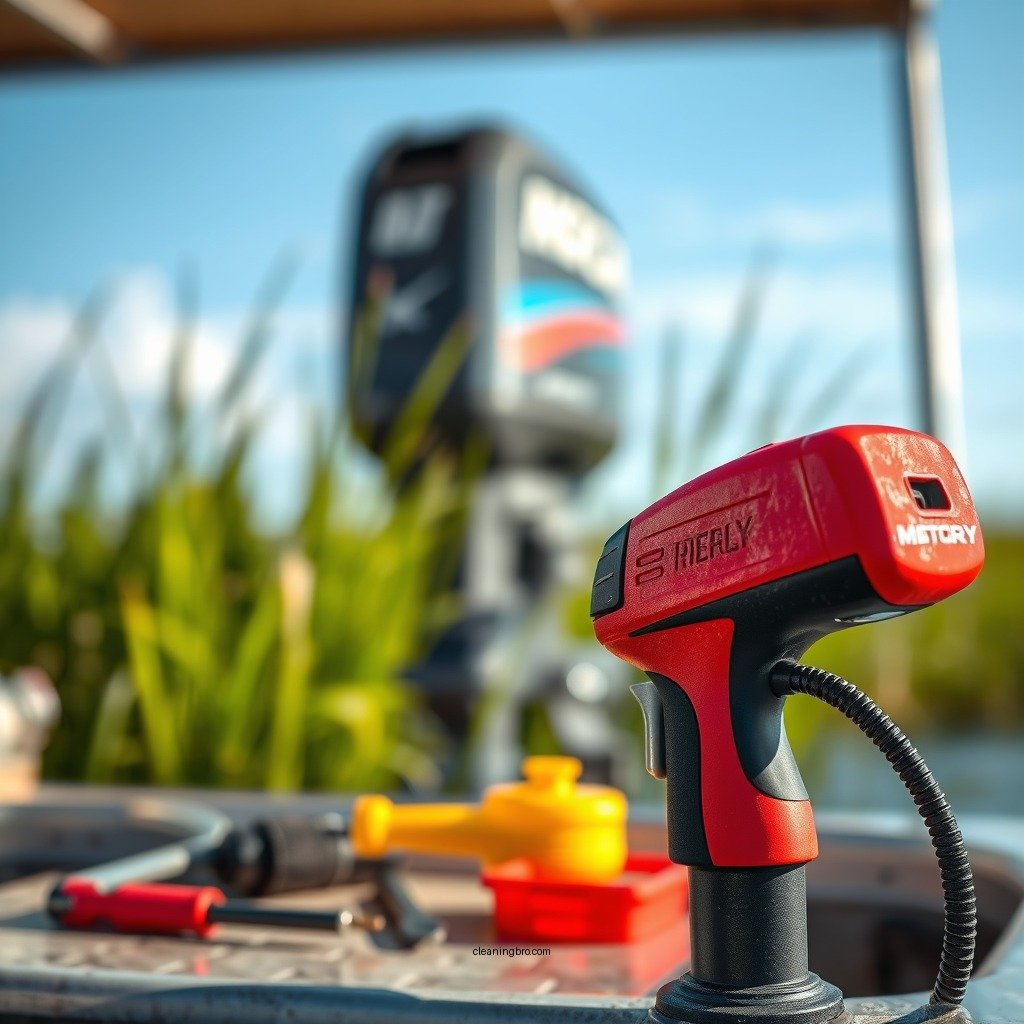
To begin your cleaning process, it is essential to gather all necessary tools and supplies. Start with the following cleaning supplies:
– Marine Engine Cleaner: Formulated specifically for boat motors, these cleaners effectively dissolve grease, grime, and salt deposits without harming the engine surfaces.
– Soft Brushes: Use a variety of brushes, including soft-bristle brushes for delicate components and stiff brushes for tougher grime.
– Rags or Microfiber Cloths: These are ideal for wiping down surfaces and ensuring a streak-free finish.
In addition to cleaning supplies, you should also prepare protective gear to ensure your safety during the cleaning process. Wearing gloves will protect your hands from harsh chemicals, while goggles will shield your eyes from splashes.
Disconnect and Prepare the Boat Motor
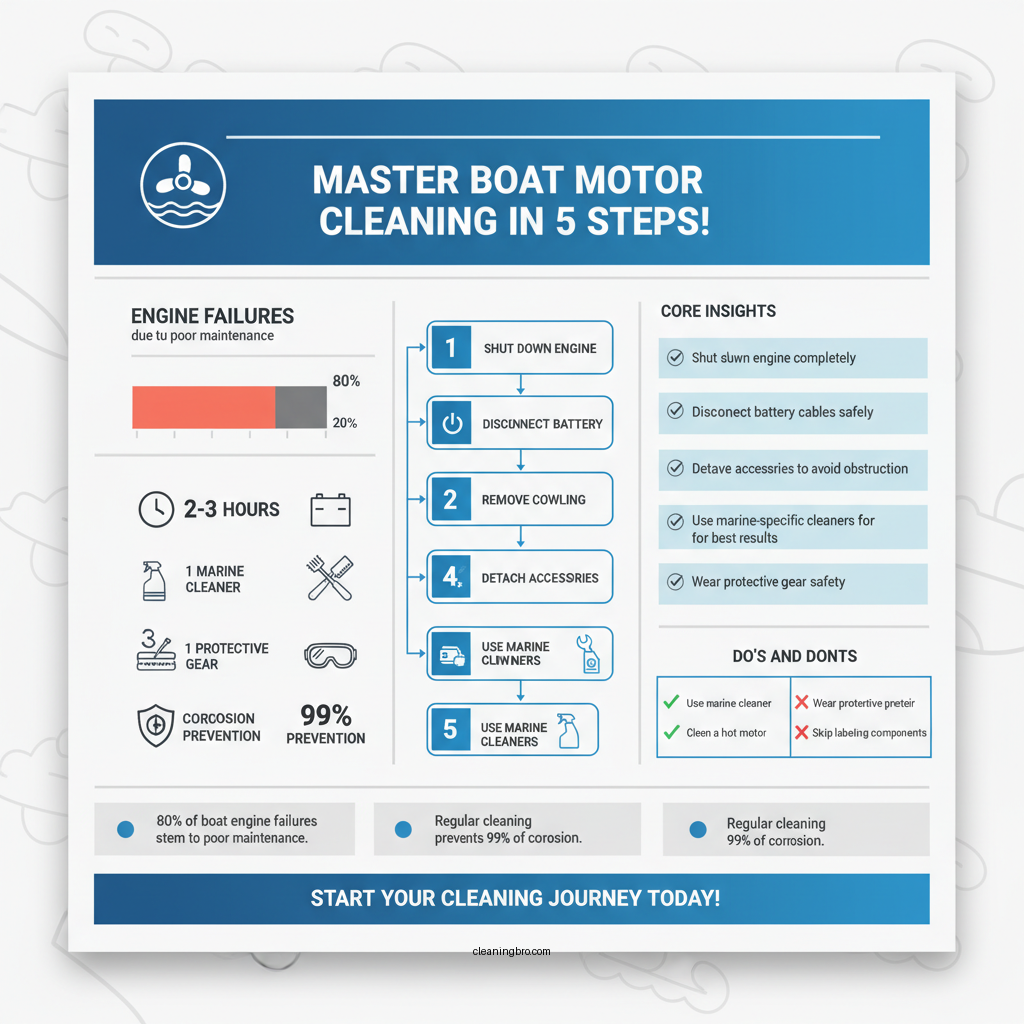
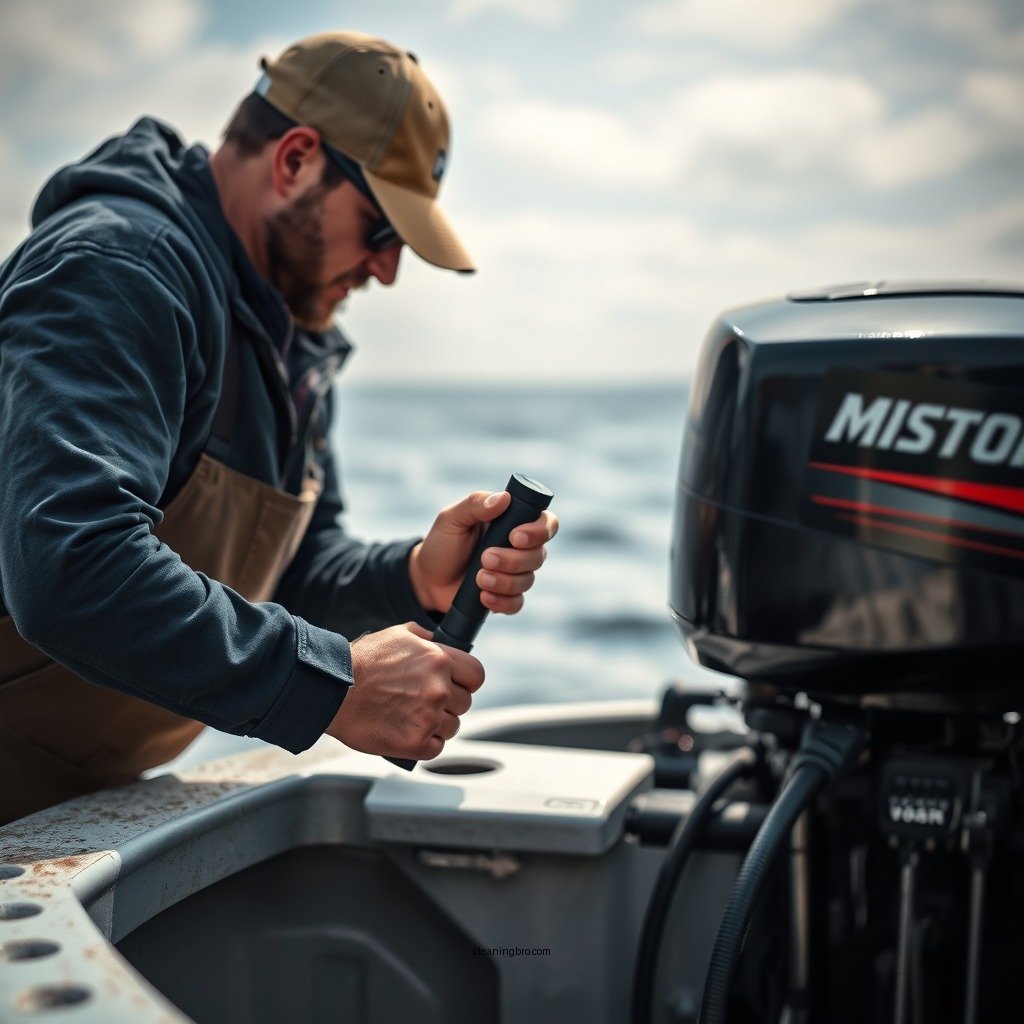
Before starting the cleaning process, it is critical to ensure that the motor is safe to work on. Begin by shutting down the engine completely. It is important that the motor is cool to the touch; cleaning a hot motor can lead to burns or damage to components.
Next, disconnect the battery cables. This step is crucial for preventing any accidental starts during the cleaning process. Always remove the negative terminal first to minimize the risk of short-circuiting.
Remove External Components
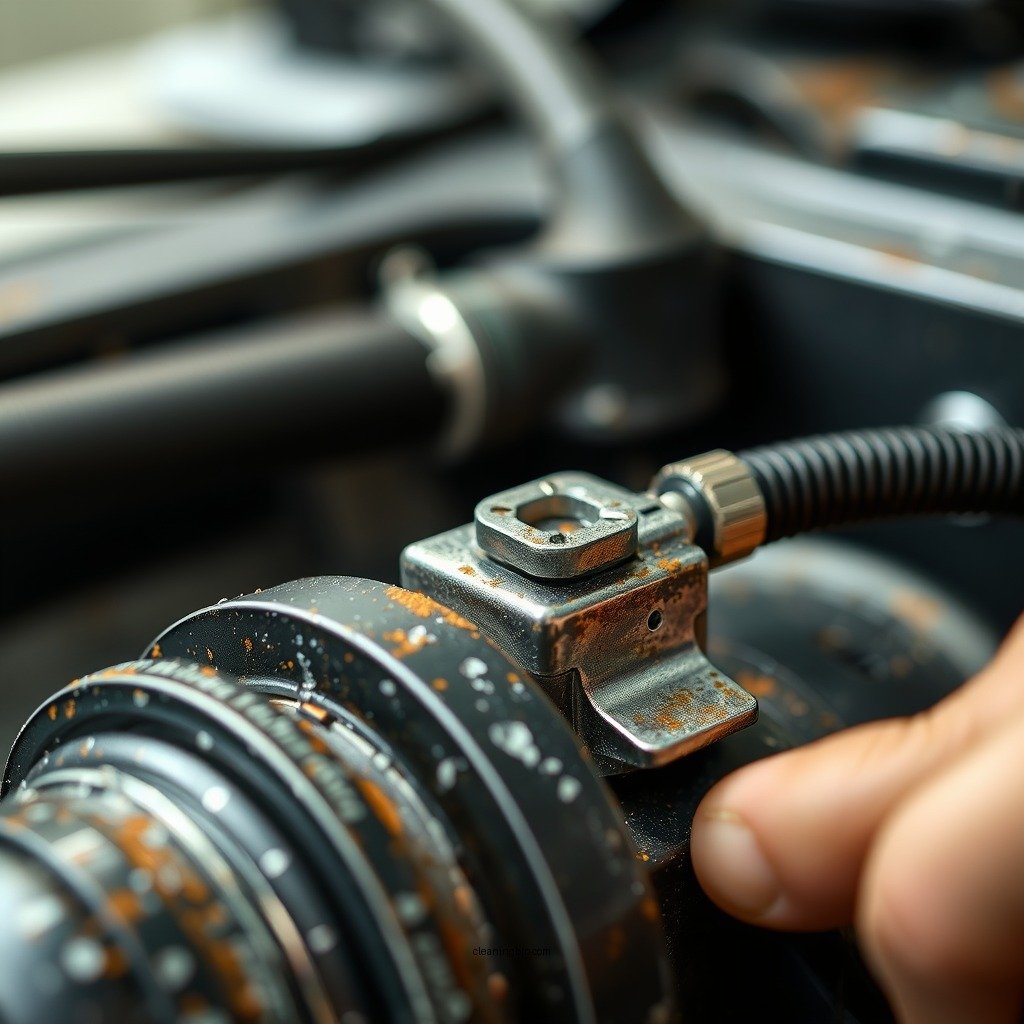
With the engine prepped, the next step involves removing external components that may hinder your cleaning efforts.
– Take off the Cowling: Carefully remove the motor cover, often referred to as the cowling. This will provide access to the internal areas of the motor.
– Detach Accessories: Remove any external attachments, such as fuel lines, hoses, or other accessories that could obstruct cleaning. Make sure to label or photograph the setup beforehand to ease reassembly later.
📋 DATA: Common Boat Motor Issues and Solutions
Common Boat Motor Issues and Cleaning Solutions
| # | Issue | Cause | Cleaning Solution |
|---|---|---|---|
| 1 | Corrosion | Saltwater exposure | Use a marine engine cleaner to remove salt deposits. |
| 2 | Overheating | Clogged cooling system | Flush the cooling system with fresh water. |
| 3 | Stalling | Dirty fuel injectors | Clean fuel injectors and ensure fuel lines are clear. |
| 4 | Loss of power | Obstructed air intake | Clean air filters and ensure proper airflow. |
| 5 | Engine noise | Loose components | Check and tighten all bolts and screws. |
| 6 | Fuel leaks | Worn hoses | Inspect and replace damaged fuel lines. |
| 7 | Battery issues | Corroded terminals | Clean battery terminals and apply corrosion protectant. |
Clean the Engine Exterior
With external components removed, you can now clean the engine exterior effectively.
– Apply Engine Cleaner: Spray the entire exterior of the motor with a suitable marine engine cleaner. Make sure to cover all surfaces, including hard-to-reach areas.
– Use Brushes: Utilize your soft brushes to gently scrub the surfaces. This action will help dissolve built-up dirt and grime without scratching or damaging any components. Pay special attention to areas prone to corrosion or salt buildup.
Flush the Cooling System
A critical part of maintaining your boat motor is ensuring the cooling system is functioning properly.
– Use Fresh Water: Attach a garden hose to the motor’s flushing port. This step is vital, especially for motors that have been used in saltwater.
– Run the Engine: Start the engine briefly while flushing the cooling system. This action will help to dislodge any salt or debris trapped inside. Always follow the manufacturer’s instructions regarding flushing to avoid damage.
📈 CHART: Engine Cleaning Frequency Recommendations
Recommended Engine Cleaning Frequency (Based on Usage)
Inspect and Reassemble
After cleaning, it is imperative to inspect the motor for any signs of wear or damage.
– Check for Damage: Look for cracks, corrosion, or loose components. This is an excellent opportunity to address any issues before reassembling.
– Reattach Components: Once you’ve ensured everything is in order, carefully reattach the cowling and any accessories that were removed. Refer to your notes or photographs for guidance.
Regular Maintenance Tips
To keep your boat motor in optimal condition, consider implementing a regular maintenance routine.
– Schedule Cleanings: Make it a habit to clean your motor after every use, particularly when operating in saltwater environments. This routine helps prevent corrosion and buildup.
– Follow Manufacturer Guidelines: Always consult your boat motor’s manual for specific cleaning and maintenance recommendations tailored to your motor type.
In addition, consider documenting your cleaning schedule and any issues encountered, which can be invaluable for future maintenance.
Maintaining a clean boat motor is crucial for ensuring it runs efficiently and lasts longer. By following these steps, you can keep your engine in prime condition and avoid costly repairs. Regular cleaning and maintenance not only enhance performance but also extend the life of your motor. For further information or to share your own cleaning tips, feel free to leave a comment or reach out!
Frequently Asked Questions
How do I properly clean my boat motor?
To properly clean your boat motor, first ensure the engine is off and cool. Use a garden hose to flush fresh water through the cooling system while the engine runs for a few minutes, which helps remove salt, dirt, and debris. After that, wipe down the exterior with a soft cloth and mild detergent, paying attention to areas around the propeller and lower unit.
What products are best for cleaning a boat motor?
The best products for cleaning a boat motor include marine-grade degreasers and non-corrosive cleaners specifically designed for outboard and inboard engines. Look for biodegradable options to protect the environment. Avoid using harsh chemicals that can damage engine components or the environment.
Why is it important to clean my boat motor regularly?
Regular cleaning of your boat motor is essential to prevent corrosion, buildup of salt, and debris that can impair performance and lead to costly repairs. It also helps maintain the engine’s cooling efficiency and longevity. A clean motor ensures optimal fuel efficiency and performance on the water.
How often should I clean my boat motor?
You should clean your boat motor after every use, especially if you’ve been in saltwater, to prevent buildup and corrosion. Additionally, performing a thorough cleaning at the beginning and end of each boating season is recommended to keep the motor in top condition throughout the year.
Which tools do I need to clean my boat motor effectively?
To clean your boat motor effectively, you’ll need basic tools such as a hose with a spray nozzle, a bucket, soft cloths, a scrub brush, and marine-grade cleaning solutions. Additionally, having a soft sponge and a toothbrush can help you reach smaller crevices and ensure a thorough cleaning.
References
- https://en.wikipedia.org/wiki/Boat_engine
https://en.wikipedia.org/wiki/Boat_engine - https://www.extension.purdue.edu/extmedia/FS/FS-6-W.pdf
https://www.extension.purdue.edu/extmedia/FS/FS-6-W.pdf - https://www.boatsafe.com/cleaning-your-outboard-motor/
https://www.boatsafe.com/cleaning-your-outboard-motor/ - https://www.westernboating.com/maintenance/how-to-clean-your-boat-engine/
https://www.westernboating.com/maintenance/how-to-clean-your-boat-engine/ - Google Scholar Google Scholar
https://scholar.google.com/scholar?q=clean+boat+motor+maintenance - Google Scholar Google Scholar
https://scholar.google.com/scholar?q=boat+engine+cleaning+techniques - Google Scholar Google Scholar
https://scholar.google.com/scholar?q=outboard+motor+cleaning+procedures - Google Scholar Google Scholar
https://scholar.google.com/scholar?q=how+to+clean+boat+motor - how to clean boat motor – Search results
https://en.wikipedia.org/wiki/Special:Search?search=how+to+clean+boat+motor - https://www.ncbi.nlm.nih.gov/search/research-articles/?term=how+to+clean+boat+motor
https://www.ncbi.nlm.nih.gov/search/research-articles/?term=how+to+clean+boat+motor