How to Clean Brushed Aluminium: Effective Techniques
Cleaning brushed aluminium effectively requires gentle methods to avoid scratching the surface while removing dirt and grime. In this guide, you’ll learn the best techniques and products to restore the shine and maintain the appearance of your brushed aluminium items.
Understanding Brushed Aluminium
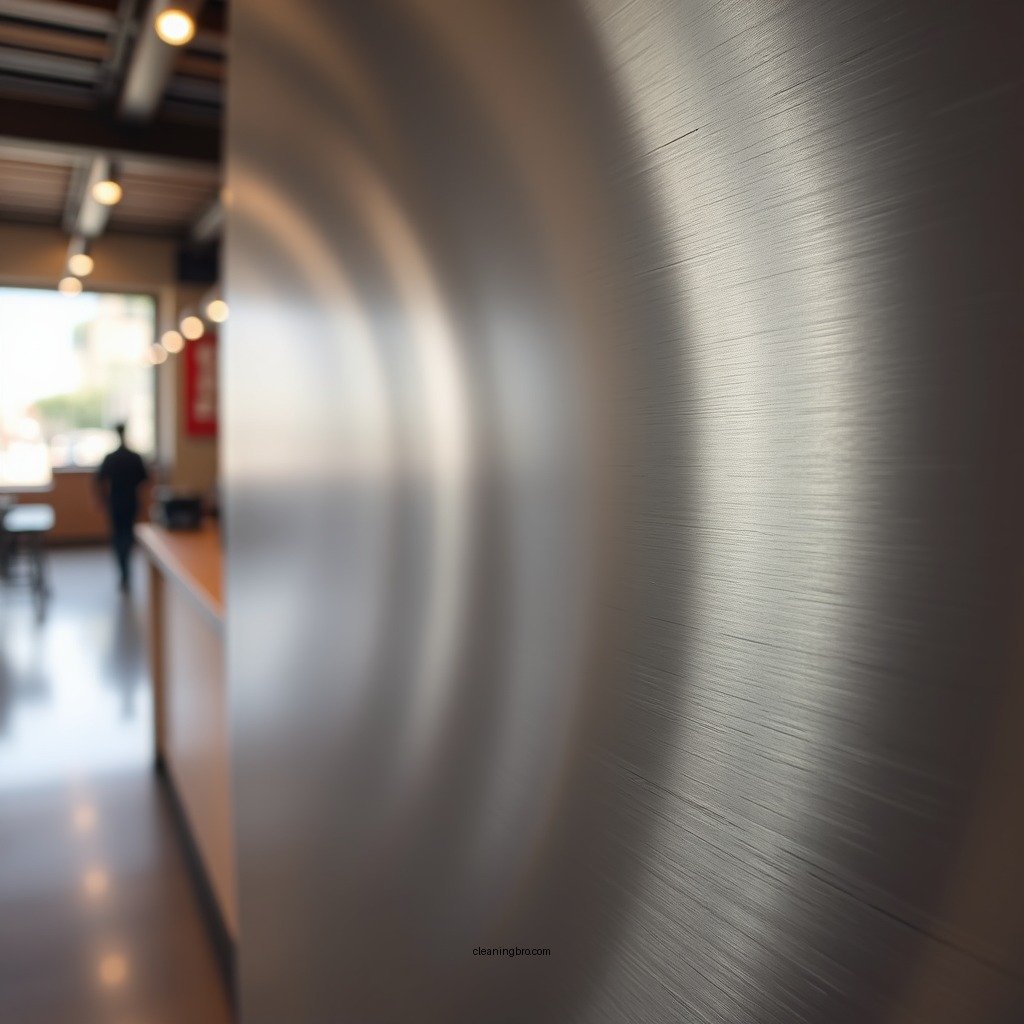
Brushed aluminium is a popular material characterized by its unique texture, which is achieved through a process that involves polishing the surface with a fine-bristle brush. This creates a series of small, parallel lines that provide a distinctive aesthetic appeal. Commonly used in various applications, brushed aluminium can be found in kitchen appliances, automotive parts, architectural features, and electronic devices.
Proper cleaning is crucial for maintaining the finish of brushed aluminium. The surface can easily accumulate dirt, grease, and fingerprints, which not only diminishes its shine but can also lead to corrosion if not addressed promptly. Using improper cleaning methods can result in scratches and irreversible damage, making it essential to understand the right techniques and products to use.
Tools and Materials Needed
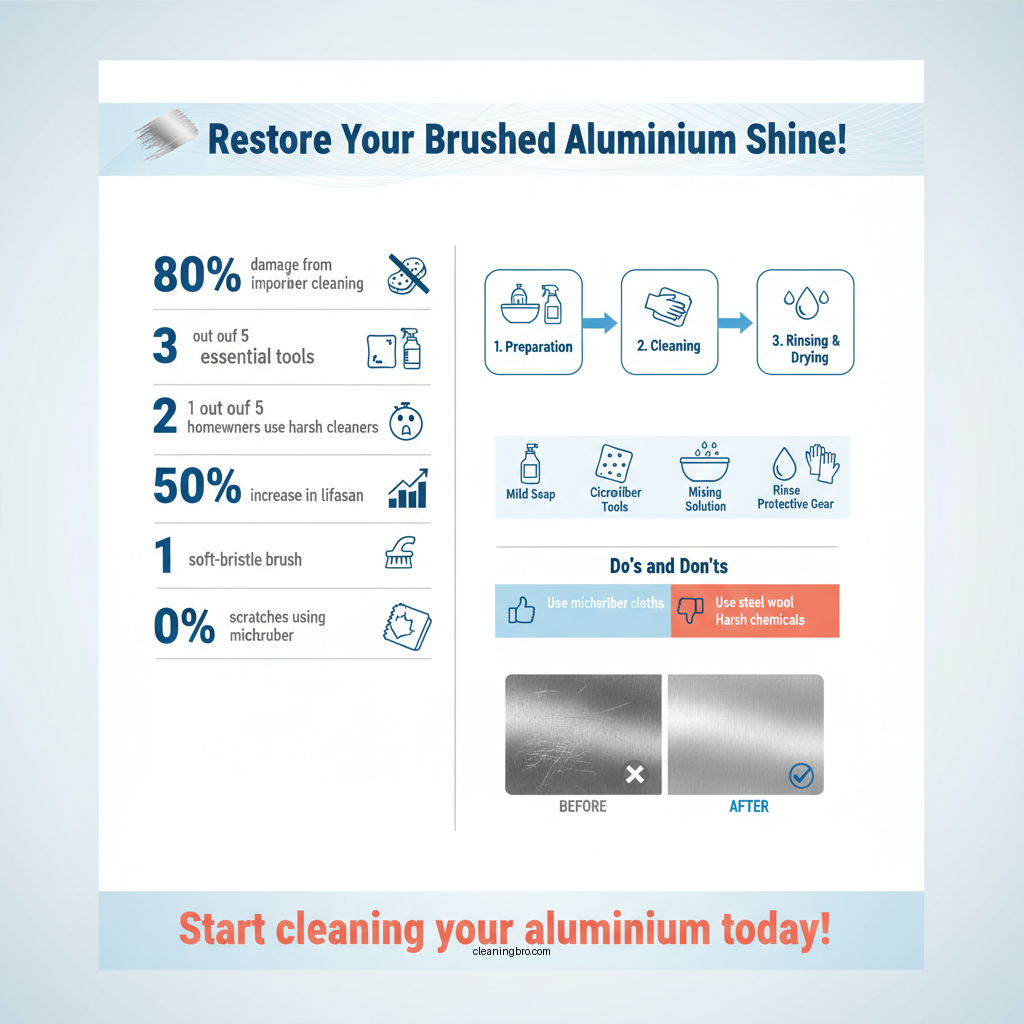
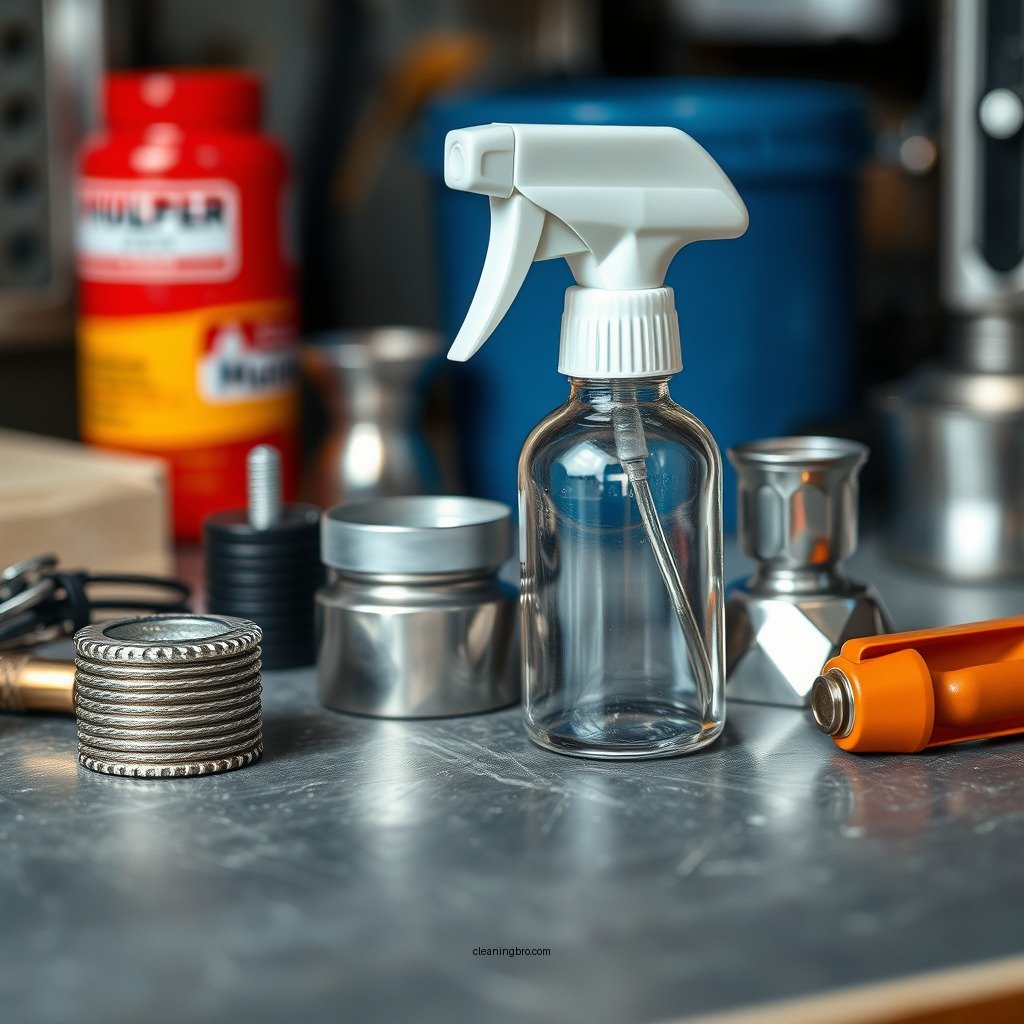
To effectively clean brushed aluminium, you will need specific tools and materials that ensure a gentle yet thorough cleaning process. Here’s a list of recommended supplies:
– Mild Soap: A gentle dish soap or a specialized aluminium cleaner.
– Microfiber Cloths: Soft, lint-free cloths that won’t scratch the surface.
– Bowl: For mixing cleaning solutions.
– Water: Preferably warm, to help dissolve dirt and grime.
– Soft-Bristle Brush: For areas with stubborn dirt, such as crevices.
Suggested Protective Gear
For safety during the cleaning process, especially when dealing with cleaning agents, consider using:
– Gloves: To protect your hands from irritation.
– Goggles: To shield your eyes from any splashes.
Step-by-Step Cleaning Process
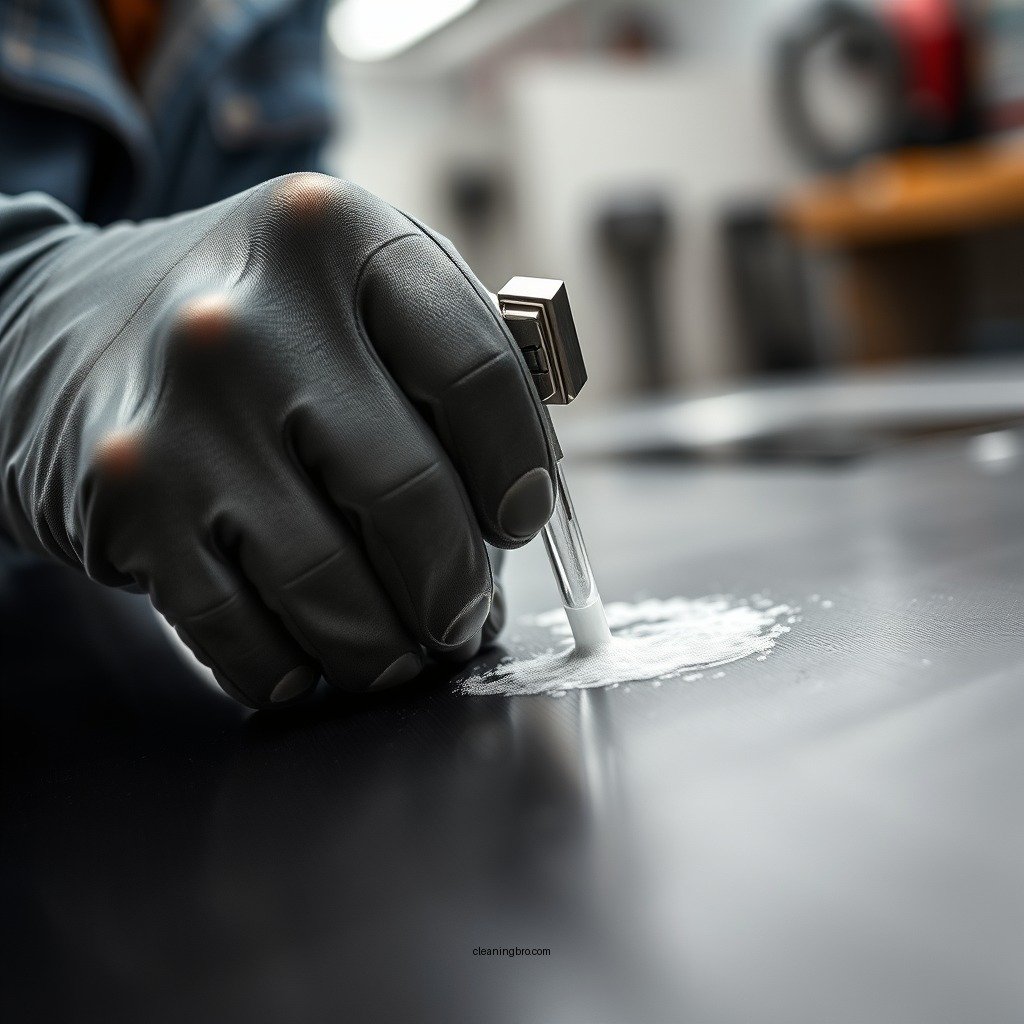
Cleaning brushed aluminium involves a careful approach to prevent damage. Follow these steps for the best results:
1. Prepare the Surface: Start by removing any loose debris or dust from the surface. Use a soft brush or a dry microfiber cloth to wipe away particles.
2. Create a Mild Soap Solution: Mix a few drops of mild soap in warm water. Avoid harsh chemicals or abrasive cleaners that could scratch the surface.
3. Gently Clean the Surface: Dampen a microfiber cloth in the soap solution and wring it out to avoid excess water. Wipe the brushed aluminium gently, following the grain of the finish to avoid scratches.
4. Rinse: After cleaning, use a clean, damp cloth to remove any soap residue.
5. Dry the Surface: Finish by drying the aluminium with another clean microfiber cloth to prevent water spots.
Dealing with Stains and Marks
Brushed aluminium can develop various stains, including fingerprints, grease marks, and oxidation. Here are common stains and techniques for effective removal:
– Fingerprints and Grime: Use a mixture of vinegar and water (1:1 ratio) on a microfiber cloth to wipe away these marks. Vinegar acts as a natural cleaner that won’t harm the finish.
– Oxidation Marks: For tougher oxidation, consider using a specialized aluminium cleaner or a paste made from baking soda and water. Apply it gently with a soft-bristle brush, then rinse thoroughly.
– Stubborn Stains: If marks persist, try using a small amount of isopropyl alcohol on a cloth, ensuring you wipe in the direction of the grain.
Polishing Brushed Aluminium
Polishing is an essential step after cleaning, as it helps restore the shine and protect the surface. Here’s why polishing is important:
– Restores Luster: Polishing can enhance the aesthetic appeal of brushed aluminium, making it look new.
– Protective Layer: A good polish can create a protective barrier against grime and oxidation.
Recommended Polishing Products
For the best results, consider these products:
– Aluminium Polish: Look for a non-abrasive polish designed specifically for brushed aluminium.
– Microfiber Applicators: Use these to apply the polish evenly and avoid scratches.
Polishing Method
1. Apply a small amount of polish to a clean microfiber cloth.
2. Work it into the surface in a circular motion, ensuring even coverage.
3. Allow the polish to sit for a few minutes, then buff with a clean cloth to achieve a shiny finish.
Preventive Care Tips
Maintaining brushed aluminium is easier than you might think. Here are some best practices to follow:
– Regular Cleaning: Establish a routine cleaning schedule to remove dirt and prevent buildup. A quick wipe-down every few weeks can make a significant difference.
– Avoid Harsh Chemicals: Steer clear of cleaners containing ammonia or abrasive materials, which can damage the finish.
– Use Coasters and Mats: For items like kitchen appliances, use coasters or mats to prevent scratches and marks from everyday use.
When to Seek Professional Help
While regular cleaning can maintain the appearance of brushed aluminium, there are times when professional help may be necessary:
– Severe Damage: If your aluminium surfaces are scratched or severely tarnished, a professional cleaning service may be able to restore them more effectively.
– Complex Items: For intricate designs or hard-to-reach areas, hiring experts who have specialized tools and expertise can save time and ensure a thorough job.
– Time Constraints: If you lack the time or resources to clean your aluminium items properly, professional cleaning services can provide peace of mind.
Common Stains on Brushed Aluminium and Removal Techniques
| # | Stain Type | Removal Technique | Recommended Product |
|---|---|---|---|
| 1 | Fingerprints | Vinegar solution | White vinegar |
| 2 | Grease Marks | Mild soap and water | Dish soap |
| 3 | Oxidation | Baking soda paste | Baking soda |
| 4 | Tarnish | Aluminium cleaner | Commercial aluminium cleaner |
| 5 | Rust | Rust remover | Rust-specific cleaner |
| 6 | Food Stains | Warm soapy water | Liquid soap |
| 7 | Water Spots | Vinegar rinse | White vinegar |
Brushed Aluminium Cleaning Effectiveness Ratings (Out of 10)
Maintaining brushed aluminium requires a thoughtful approach to cleaning and care. By understanding the material, utilizing the appropriate tools, and following best practices, you can keep your brushed aluminium surfaces looking their best. Implement these techniques and preventive measures to enjoy long-lasting shine and durability. With the right knowledge, your brushed aluminium items can remain as stunning as the day you first acquired them.
Frequently Asked Questions
How do I remove scratches from brushed aluminium surfaces?
To remove scratches from brushed aluminium, start by cleaning the area with a gentle soap solution to eliminate any dirt. Then, use a fine-grit sandpaper or a scouring pad to gently buff the scratched area in the direction of the grain. Finish by polishing with a soft cloth and a suitable aluminium polish to restore the shine.
What is the best way to clean brushed aluminium without damaging it?
The best way to clean brushed aluminium is to use a mixture of warm water and mild dish soap. Apply the solution with a soft cloth or sponge, gently wiping in the direction of the grain to avoid scratching. Rinse thoroughly with clean water and dry with a microfiber cloth to prevent water spots.
Why is it important to clean brushed aluminium regularly?
Regular cleaning of brushed aluminium is essential to prevent corrosion and maintain its appearance. Dirt, grease, and oxidation can accumulate over time, dulling the finish and potentially leading to more severe damage. By cleaning frequently, you can extend the life of your aluminium surfaces and keep them looking their best.
Which cleaning products should I avoid when cleaning brushed aluminium?
When cleaning brushed aluminium, avoid abrasive cleaners, bleach, and acidic products, as these can scratch and damage the surface. Additionally, steer clear of steel wool or scouring pads that are too rough, as they can leave scratches. Instead, opt for gentle soaps and non-abrasive sponges for effective cleaning.
How can I restore the shine to my dull brushed aluminium?
To restore the shine to dull brushed aluminium, first clean the surface thoroughly to remove any grime. Next, use a commercial aluminium polish or a mixture of vinegar and olive oil, applying it with a soft cloth. Buff the area gently in the direction of the grain until the desired shine is achieved, ensuring a protective layer that helps prevent future dullness.
References
- Aluminium
https://en.wikipedia.org/wiki/Aluminium - https://www.sciencedirect.com/topics/materials-science/brushed-aluminum
https://www.sciencedirect.com/topics/materials-science/brushed-aluminum - https://pubmed.ncbi.nlm.nih.gov/26367635/
https://pubmed.ncbi.nlm.nih.gov/26367635/ - Aluminum | Uses, Properties, & Compounds | Britannica
https://www.britannica.com/science/aluminum - https://www.nature.com/articles/s41598-020-73509-1
https://www.nature.com/articles/s41598-020-73509-1 - https://www.cdc.gov/niosh/docs/2010-103/pdfs/2010-103.pdf
https://www.cdc.gov/niosh/docs/2010-103/pdfs/2010-103.pdf - Google Scholar Google Scholar
https://scholar.google.com/scholar?q=how+to+clean+brushed+aluminium - Google Scholar Google Scholar
https://scholar.google.com/scholar?q=cleaning+brushed+aluminum+methods - Google Scholar Google Scholar
https://scholar.google.com/scholar?q=maintenance+of+brushed+aluminum - https://www.reuters.com/article/us-aluminum-cleaning-idUSKBN2A40X5
https://www.reuters.com/article/us-aluminum-cleaning-idUSKBN2A40X5