How to Clean Cork: A Comprehensive Guide
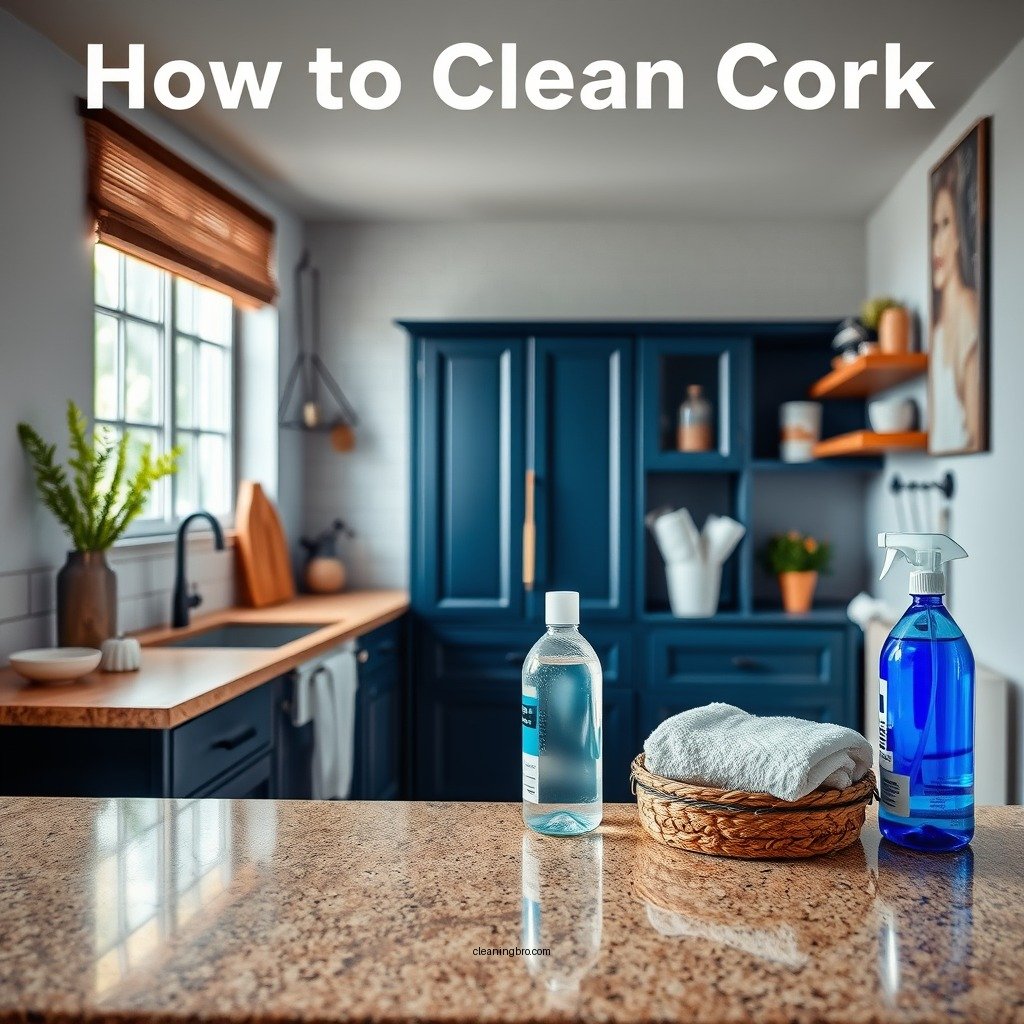
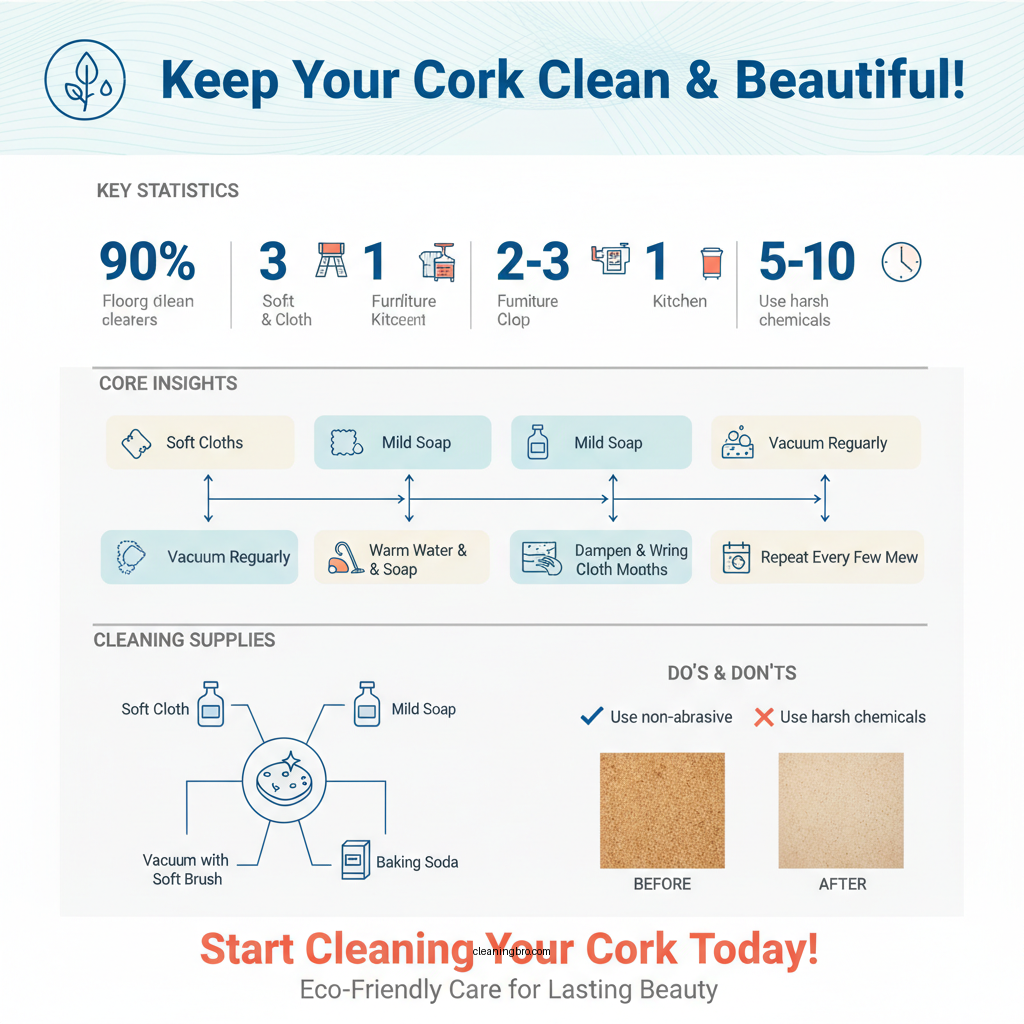
Cleaning cork is simple and effective, allowing you to maintain its natural beauty and longevity. By following the right techniques and using appropriate cleaning supplies, you can ensure that your cork surfaces, whether in flooring, furniture, or kitchenware, remain in excellent condition without causing damage. In this comprehensive guide, you will learn the best methods and tips for cleaning cork surfaces, ensuring they stay beautiful and functional for years to come.
Understanding Cork Material
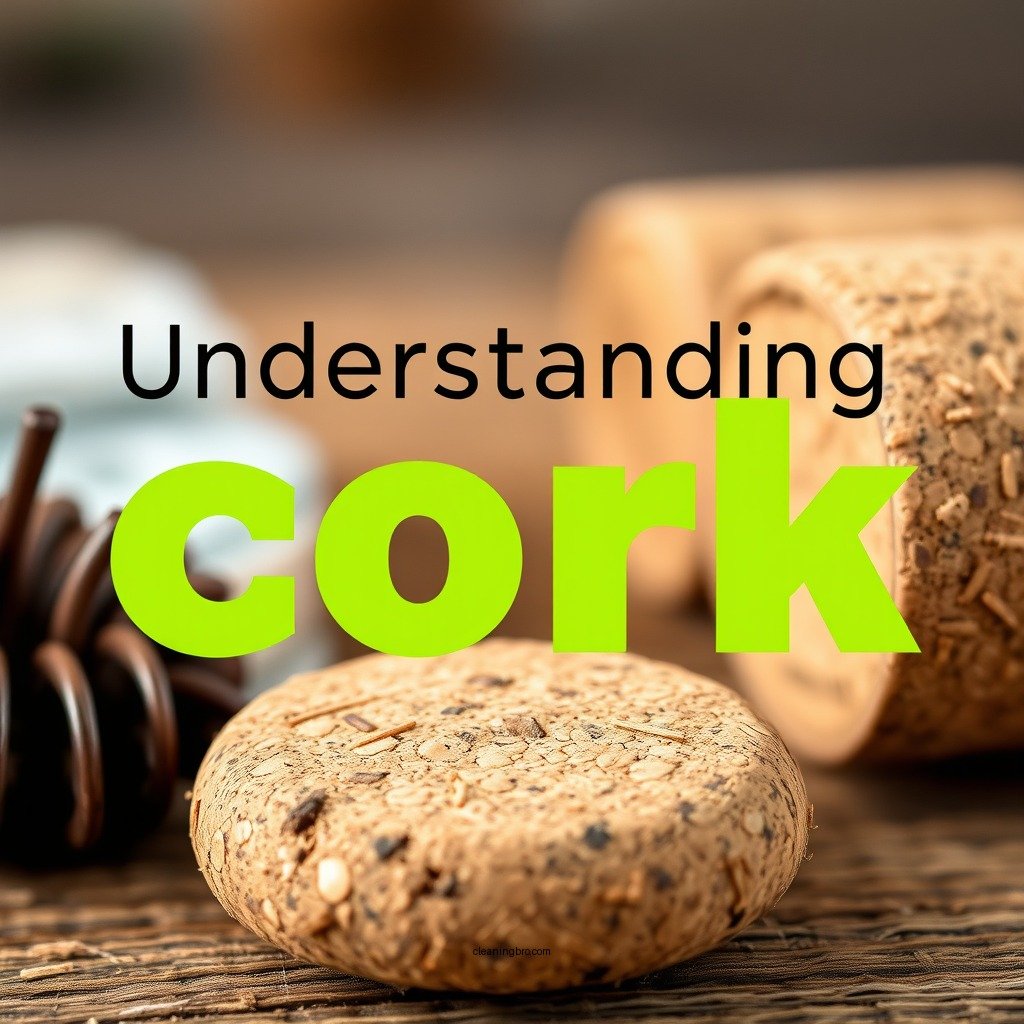
Cork is a natural material derived from the bark of cork oak trees, primarily found in Mediterranean regions. Its unique cellular structure gives cork its lightweight, buoyant, and elastic properties, making it an excellent choice for a variety of applications. From flooring and wall coverings to wine stoppers and kitchenware, cork is celebrated for its durability and aesthetic appeal. One of the key advantages of cork is its eco-friendliness; it is renewable and biodegradable, appealing to environmentally conscious consumers.
However, the cleaning methods for cork can vary significantly based on its application. For instance, cork flooring may require different care than cork coasters or cutting boards. Understanding these nuances is essential for maintaining the integrity and appearance of cork products.
Essential Cleaning Supplies
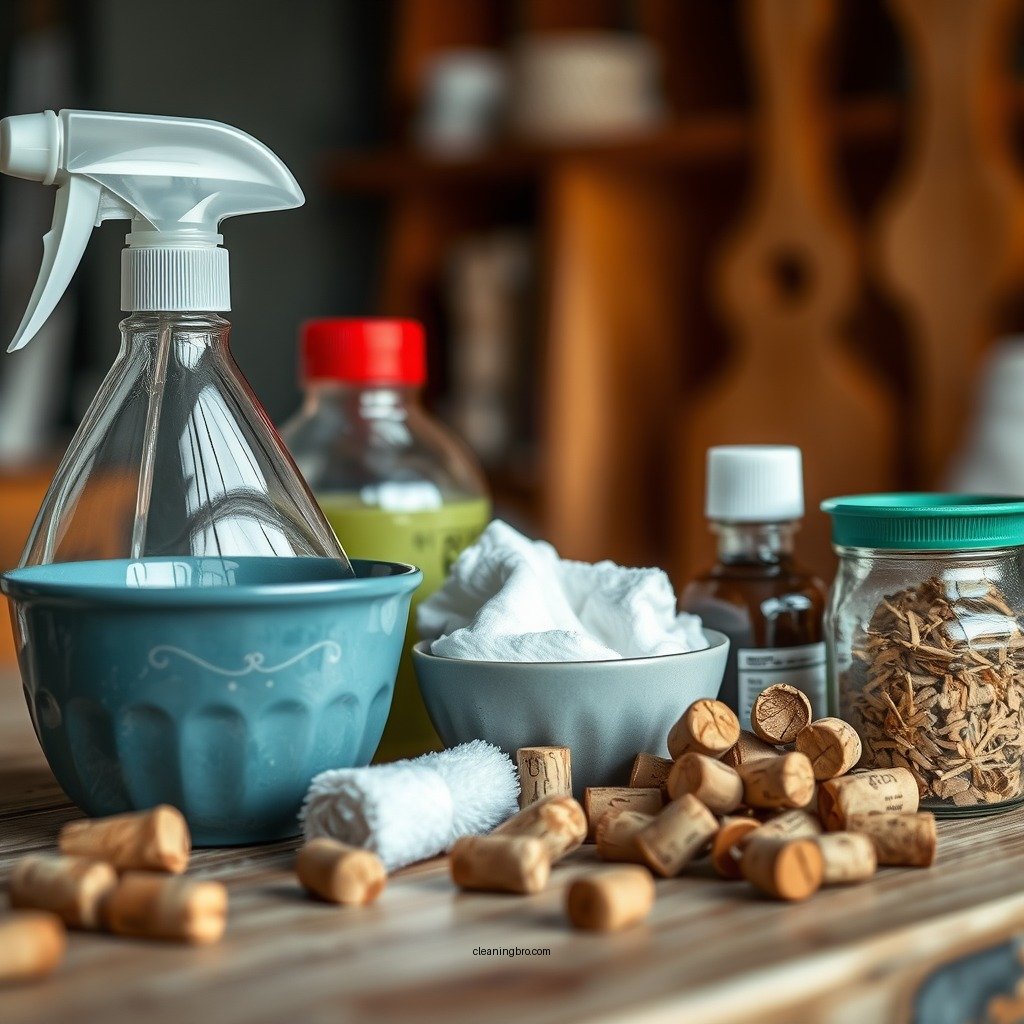
To effectively clean cork, you need to gather a few essential cleaning supplies:
– Soft cloths or sponges: These will help you avoid scratching or damaging the cork surface while cleaning.
– Mild soap or specialized cork cleaners: Choose non-abrasive soaps that are safe for natural materials. Avoid harsh chemicals that can degrade the cork’s integrity over time.
Additionally, you may want to have baking soda on hand for stain removal and odor control, as well as a vacuum cleaner with a soft brush attachment for regular maintenance.
Step-by-Step Cleaning Process
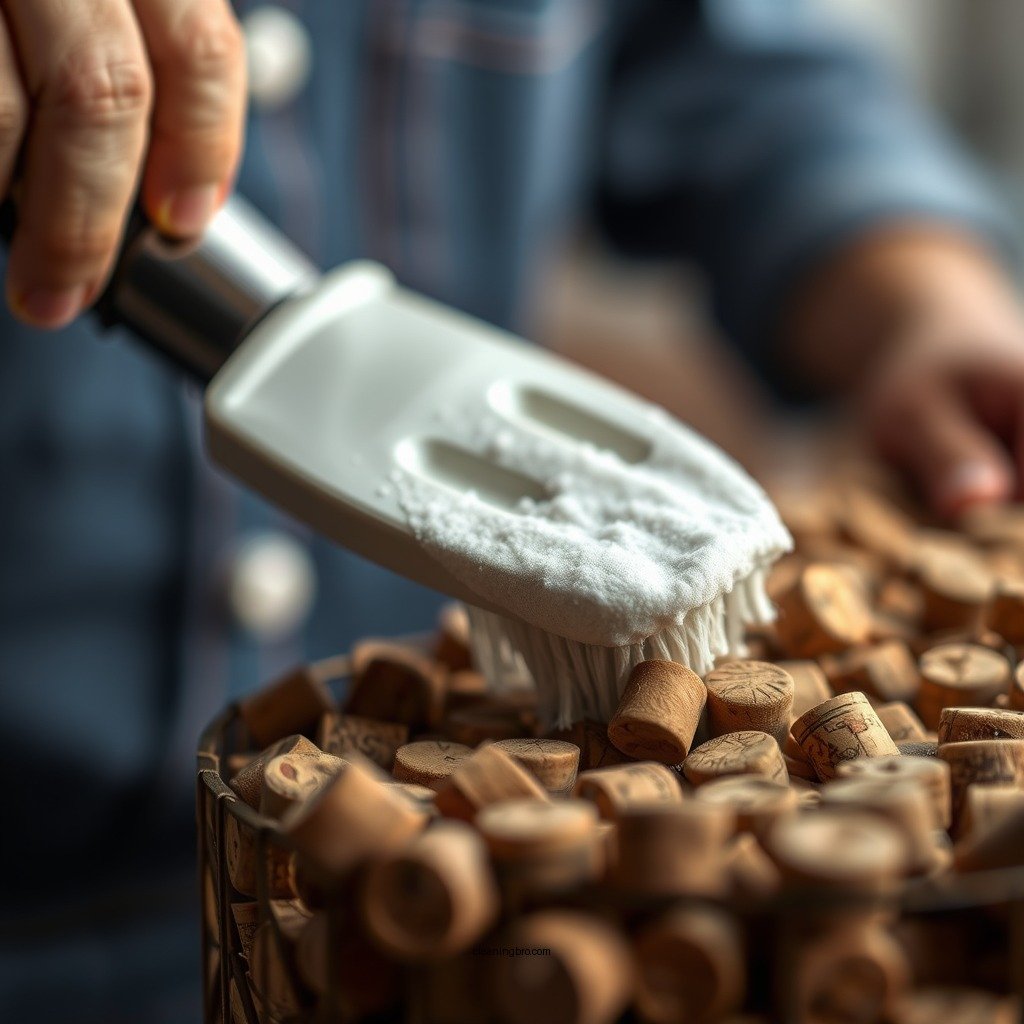
Cleaning cork is straightforward if you follow a systematic approach. Here’s a step-by-step guide:
1. Remove Loose Dirt and Debris: Start by using a dry, soft cloth to gently wipe away any loose dirt and dust from the cork surface. This prevents scratching during the wet cleaning process.
2. Prepare a Cleaning Solution: Mix a solution of warm water and a few drops of mild soap in a bowl. Ensure that the soap is well-diluted to avoid residue.
3. Dampen the Cloth: Dip a soft cloth or sponge into the soapy water solution, then wring it out thoroughly so that it is damp, not soaking wet. Excess moisture can damage cork by causing warping or degradation.
4. Wipe the Cork Surface: Gently wipe the cork surface with the damp cloth, making sure to follow the grain of the cork. Be careful not to scrub too hard, as this could damage the finish.
5. Dry the Surface: After cleaning, use a dry cloth to wipe away any excess moisture. Allow the cork to air dry completely before using it again.
Dealing with Stains and Odors
Cork surfaces can sometimes become stained or develop odors, especially in kitchen applications. Here’s how to handle these issues:
– For Stubborn Stains: Create a paste using equal parts baking soda and water. Apply this paste to the stained area, gently rubbing it in with a soft cloth. Let it sit for about 10-15 minutes, then wipe it off with a damp cloth. Rinse the area with clean water and dry thoroughly.
– To Eliminate Odors: Sprinkle baking soda generously over the cork surface. Allow it to sit for several hours or overnight to absorb the odors. Afterward, vacuum the baking soda off, and your cork should smell fresh again.
Maintenance Tips for Cork
Maintaining cork involves regular cleaning and proper care to extend its life. Here are some tips to keep in mind:
– Regular Dusting: Make it a habit to dust cork surfaces regularly to prevent the buildup of dirt and grime. A soft, dry cloth or a vacuum cleaner with a soft brush attachment works well for this purpose.
– Avoid Excessive Moisture: Cork is sensitive to water, so avoid soaking cork items or exposing them to standing water. Wipe up spills immediately to prevent moisture from penetrating.
– Keep Away from Direct Sunlight: Prolonged exposure to direct sunlight can fade the color of cork and cause it to dry out. Whenever possible, place cork items in shaded areas or use curtains to protect them from harsh sunlight.
Common Mistakes to Avoid
When cleaning cork, it’s essential to avoid certain common pitfalls:
– Harsh Chemicals: Never use bleach, ammonia, or other harsh chemicals on cork, as they can cause irreversible damage.
– Abrasive Scrubbers: Avoid using steel wool or abrasive sponges that can scratch the surface of the cork. Stick to soft cloths or sponges.
– Soaking: Refrain from soaking cork items in water, which can lead to warping and degradation over time. Always use a damp cloth rather than a soaking one.
When to Seek Professional Help
In certain situations, it may be beneficial to consult a professional for cork cleaning and maintenance:
– Heavily Stained or Damaged Cork: If your cork surfaces have become heavily stained or show signs of damage that you cannot address, consider reaching out to a professional cleaner who specializes in natural materials.
– Large Cork Installations: For extensive cork installations, such as flooring, professional maintenance may ensure that the cork remains in optimal condition, particularly if it requires specialized care.
Top 7 Cork Products by Usage (2024)
| # | Product Type | Usage (%) | Durability Rating |
|---|---|---|---|
| 1 | Cork Flooring | 40% | ★★★★☆ |
| 2 | Cork Coasters | 25% | ★★★★★ |
| 3 | Cork Boards | 15% | ★★★☆☆ |
| 4 | Cork Wine Stoppers | 10% | ★★★☆☆ |
| 5 | Cork Kitchenware | 5% | ★★★★☆ |
| 6 | Cork Shoes | 3% | ★★☆☆☆ |
| 7 | Cork Crafts | 2% | ★★☆☆☆ |
Cork Product Durability Ratings (2024)
Maintaining clean cork is essential for its appearance and durability. By following these steps and tips, you can ensure your cork items remain beautiful and functional. Regular cleaning and proper care will help prevent wear and tear, ensuring that cork continues to be a sustainable and attractive choice in your home. For more cleaning hacks and tips, don’t hesitate to explore further resources!
Frequently Asked Questions
What is the best way to clean cork flooring without damaging it?
The best way to clean cork flooring is to use a soft broom or vacuum to remove dust and debris, followed by a damp mop with a mild pH-neutral cleaner. Avoid using excessive water, as cork can swell if it absorbs too much moisture. Regular maintenance will keep your cork flooring looking new and extend its lifespan.
How do I remove stains from cork surfaces?
To remove stains from cork surfaces, first, blot the stain with a clean cloth to absorb any excess liquid. Then, create a mixture of warm water and a few drops of dish soap, applying it gently with a soft cloth. For tougher stains, consider using a solution of vinegar and water, but always test a small area first to ensure it doesn’t damage the cork.
Why is it important to regularly clean cork products?
Regularly cleaning cork products is important because it prevents the buildup of dirt, dust, and moisture, which can lead to mold and mildew growth. Additionally, maintaining cleanliness helps preserve the cork’s natural appearance and prevents odors, ensuring your cork items, such as coasters or flooring, remain in excellent condition.
Which products should I avoid when cleaning cork?
When cleaning cork, avoid using abrasive cleaners, solvents, or harsh chemicals, as these can damage the cork’s surface and finish. Additionally, steer clear of steam cleaners and excessive water, as moisture can warp and degrade cork materials over time. Instead, opt for pH-neutral cleaners specifically designed for cork.
How often should I clean my cork surfaces for optimal care?
For optimal care, you should clean your cork surfaces at least once a week to remove dust and dirt. Deep cleaning should be performed every month or as needed, especially in high-traffic areas. Regular cleaning not only maintains the aesthetic appeal of cork but also helps in prolonging its durability and performance.
References
- How to Clean Cork (+ Cork Maintenance Tips)
https://www.wikihow.com/Clean-Cork - https://www.britannica.com/science/cork
https://www.britannica.com/science/cork - https://pubmed.ncbi.nlm.nih.gov/33220378/
https://pubmed.ncbi.nlm.nih.gov/33220378/ - Anatomy, Head and Neck, Masseter Muscle – StatPearls – NCBI Bookshelf
https://www.ncbi.nlm.nih.gov/books/NBK539869/ - https://www.sciencedirect.com/topics/agricultural-and-biological-sciences/cork
https://www.sciencedirect.com/topics/agricultural-and-biological-sciences/cork - https://www.researchgate.net/publication/324581739_Cork_Characteristics_and_Applications
https://www.researchgate.net/publication/324581739_Cork_Characteristics_and_Applications - Google Scholar Google Scholar
https://scholar.google.com/scholar?q=how+to+clean+cork - Google Scholar Google Scholar
https://scholar.google.com/scholar?q=cork+cleaning+methods - Google Scholar Google Scholar
https://scholar.google.com/scholar?q=maintenance+of+cork+material - how to clean cork – Search results
https://en.wikipedia.org/wiki/Special:Search?search=how+to+clean+cork