How to Clean Duck Eggs: A Simple Guide
Cleaning duck eggs is a straightforward process that ensures their freshness and safety for consumption. To effectively clean these eggs, you need to wash them gently with warm water and a mild soap while avoiding harsh chemicals. This article will guide you through the best techniques for cleaning duck eggs while preserving their natural protective coating, ensuring they remain safe and delicious.
Why Cleaning Duck Eggs is Important
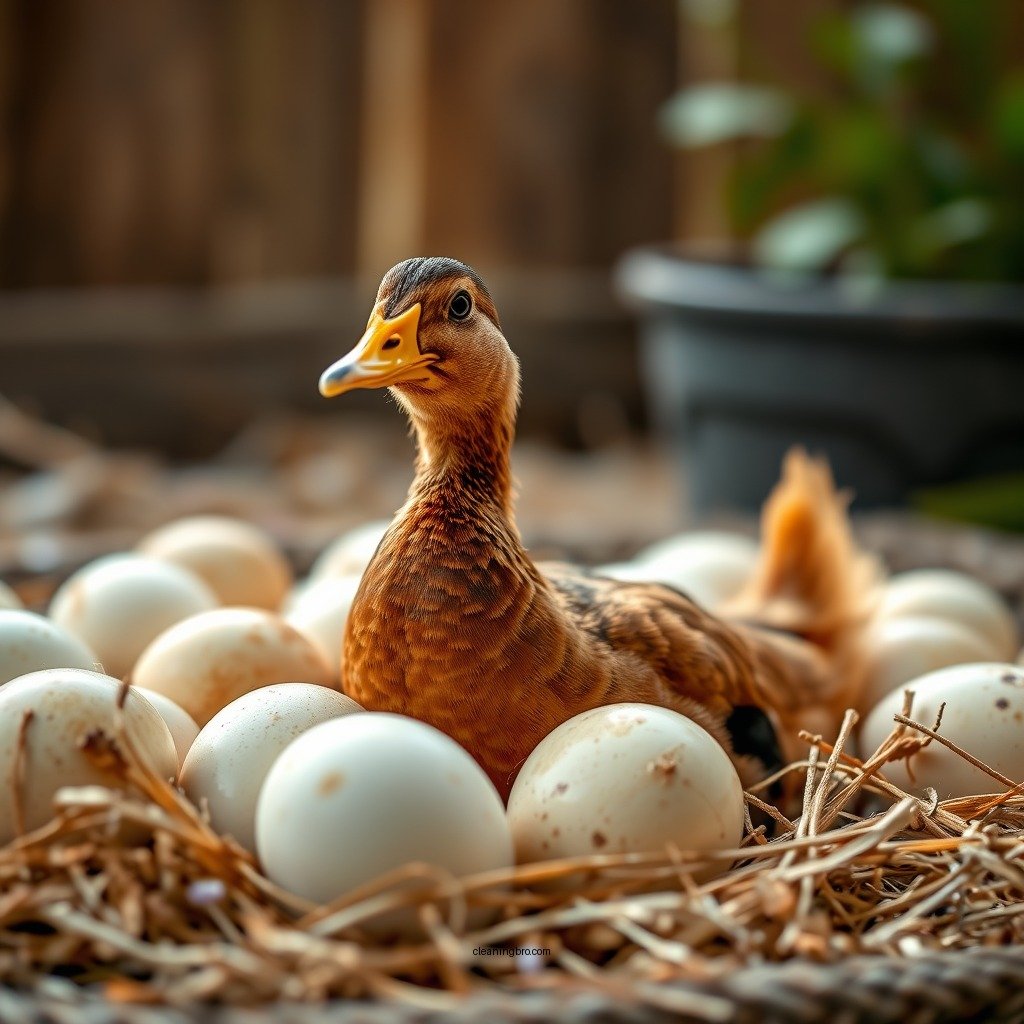
Cleaning duck eggs is essential for several reasons. First and foremost, it removes dirt, bacteria, and other contaminants that could compromise the quality of the eggs. Duck eggs, like any other type of egg, can harbor pathogens such as Salmonella, which can lead to foodborne illness if consumed. By cleaning the eggs, you minimize this risk, making them safer for consumption.
Additionally, cleaning helps prevent contamination and spoilage during storage. Eggs are often laid in environments that may expose them to various contaminants, so a proper cleaning routine is vital for maintaining their quality. Dirty eggs can spoil more quickly, leading to waste and potential health risks.
Tools You’ll Need

To clean duck eggs effectively, gather the following tools:
– Soft Sponge or Cloth: A soft sponge or cloth is essential to avoid scratching the eggshells while providing enough friction to remove dirt.
– Warm Water: Use warm water (not hot) to help dissolve any debris and facilitate the cleaning process.
– Mild Soap (Optional): While soap is not always necessary, a mild detergent can be used for particularly dirty eggs. Ensure it is free from harsh chemicals.
– Bowl or Sink for Washing: A clean bowl or sink is required to wash the eggs without cross-contamination.
Step-by-Step Cleaning Process

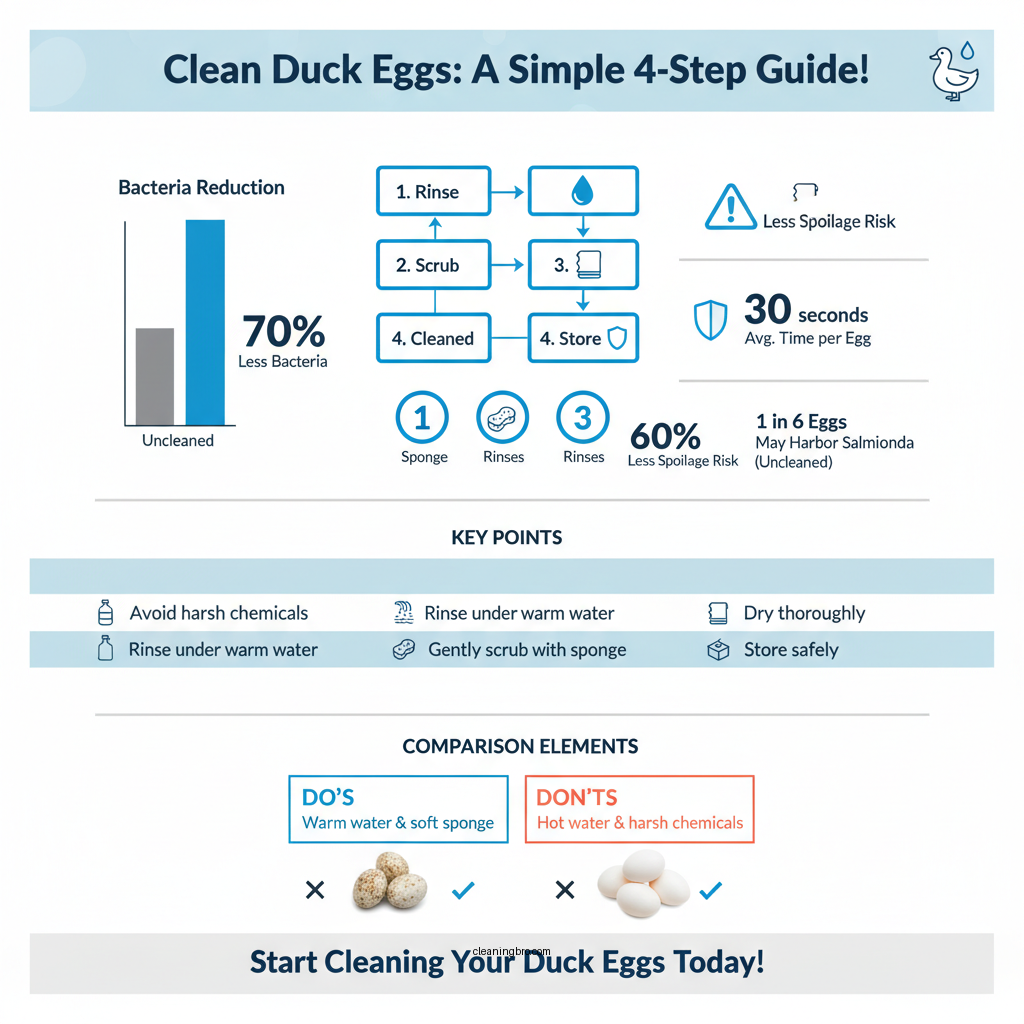
1. Rinse the Eggs Under Warm Running Water: Begin the cleaning process by rinsing the duck eggs under warm running water. This will help loosen any dirt or debris on the surface.
2. Use a Soft Sponge to Gently Scrub Away Any Stubborn Dirt: After rinsing, take a soft sponge and gently scrub the eggs to remove any remaining dirt. Be careful not to use too much pressure, as this can crack the shell or remove the protective bloom.
3. Rinse Again: Once the dirt has been removed, give the eggs another rinse under warm water to ensure all soap and debris are washed away.
4. Dry the Eggs: After cleaning, pat the eggs dry with a clean towel. This step is crucial to prevent moisture from causing bacterial growth during storage.
Duck Egg Cleaning Effectiveness by Method
| # | Cleaning Method | Effectiveness (%) | Time Required (min) |
|---|---|---|---|
| 1 | Warm Water Rinse | 85% | 2 |
| 2 | Mild Soap and Sponge | 95% | 3 |
| 3 | Vinegar Solution | 90% | 4 |
| 4 | Dry Scrubbing | 70% | 3 |
| 5 | Soaking | 60% | 5 |
| 6 | No Cleaning | 100% | 0 |
Tips for Effective Cleaning
To ensure effective cleaning of duck eggs, consider the following tips:
– Clean Eggs as Soon as Possible After Collection: The sooner you clean the eggs, the less time dirt and bacteria have to settle. Ideally, clean them right after collection to maintain their freshness.
– Avoid Soaking Eggs: Soaking eggs can lead to water absorption through the shell, which may compromise their quality and encourage bacterial growth. Instead, opt for a quick rinse or gentle scrubbing method.
– Use the Right Temperature: Ensure the water is warm but not hot, as hot water can cause the eggs to expand and crack.
– Inspect Eggs During Cleaning: Check for any cracks or damage while cleaning. Discard any eggs that are cracked, as they can harbor bacteria and spoil quickly.
Drying and Storing Cleaned Eggs
Once your duck eggs are clean, it’s vital to handle them correctly to maintain their quality:
– Pat Eggs Dry with a Clean Towel: After cleaning, gently pat the eggs dry using a clean towel to remove any excess moisture. This step is critical to preventing bacterial growth.
– Store Eggs in a Cool, Dry Place or Refrigerate: For optimal freshness, store your washed duck eggs in a cool, dry place. Refrigeration can extend their shelf life, keeping them fresh for several weeks.
– Use a Carton or Basket: When storing, place the eggs in a carton or basket to protect them from cracking and to minimize movement.
Common Mistakes to Avoid
While cleaning duck eggs, be mindful of these common mistakes:
– Using Bleach or Harsh Chemicals: Avoid using bleach or any harsh chemicals that can damage the eggshell and remove the protective bloom. These substances can also leave harmful residues.
– Scrubbing Too Hard: Excessive scrubbing can lead to micro-cracks in the eggshell, allowing bacteria to penetrate. Always use a gentle touch when cleaning.
– Not Cleaning Regularly: Failing to clean eggs regularly can lead to the buildup of bacteria and dirt, which can compromise their safety and quality.
When Not to Clean Duck Eggs
There are specific instances when cleaning duck eggs is unnecessary:
– If the Eggs are Clean and Free from Dirt: If your duck eggs look clean and have no visible dirt or debris, it is best to leave them unwashed until use. The natural bloom helps protect the eggs from bacteria.
– Understanding the Importance of the Natural Protective Coating: The bloom acts as a barrier against pathogens. Cleaning eggs unnecessarily can diminish this protective layer, reducing their freshness and shelf life.
In summary, cleaning duck eggs is a simple yet crucial process that helps maintain their quality and safety. By following the outlined steps and tips, you can ensure that your duck eggs remain fresh and ready for consumption. Remember to gather the necessary tools, clean them carefully, and store them properly. For further insights into egg care and storage, explore our other articles. Happy egg cleaning!
Frequently Asked Questions
What is the best method to clean duck eggs before cooking?
The best method to clean duck eggs before cooking is to gently wash them under warm running water. Use a soft sponge or cloth to remove any dirt or debris, but avoid using soap, as it can penetrate the eggshell. After washing, dry the eggs thoroughly with a clean towel to prevent bacterial growth.
How do you remove bloom from duck eggs?
To remove the bloom from duck eggs, you can use a mixture of water and vinegar or simply warm water. The bloom is a natural protective coating that can be washed off without damaging the eggs. After soaking the eggs briefly, rinse them with clean water and dry them properly to ensure they remain safe for consumption.
Why is it important to clean duck eggs before storing them?
Cleaning duck eggs before storing them is crucial because it helps to eliminate any bacteria or contaminants that may be present on the shell. This can prolong the freshness and safety of the eggs, reducing the risk of foodborne illnesses. Additionally, keeping the eggs clean can help maintain their quality and taste for a longer period.
Which cleaning products are safe to use on duck eggs?
The safest cleaning products to use on duck eggs are mild, food-safe solutions such as vinegar or a baking soda paste. Avoid using harsh chemicals or detergents, as these can seep through the eggshell and compromise the egg’s safety. Always rinse thoroughly with water after cleaning to remove any residue.
What should you avoid when cleaning duck eggs?
When cleaning duck eggs, you should avoid using soap, abrasive materials, or extreme temperatures. Soap can penetrate the eggshell and affect the egg’s quality, while abrasive materials can scratch the shell, allowing bacteria to enter. It’s also essential not to soak the eggs for too long, as excessive moisture can lead to spoilage.
References
- Duck as food
https://en.wikipedia.org/wiki/Duck_egg - https://pubmed.ncbi.nlm.nih.gov/26153766/
https://pubmed.ncbi.nlm.nih.gov/26153766/ - https://www.ncbi.nlm.nih.gov/pmc/articles/PMC4869740/
https://www.ncbi.nlm.nih.gov/pmc/articles/PMC4869740/ - https://www.sciencedirect.com/science/article/pii/S0950329315001838
https://www.sciencedirect.com/science/article/pii/S0950329315001838 - Duck | Definition, Types, & Facts | Britannica
https://www.britannica.com/animal/duck - https://www.fda.gov/food/food-safety-modernization-act-fsma
https://www.fda.gov/food/food-safety-modernization-act-fsma - Google Scholar Google Scholar
https://scholar.google.com/scholar?q=how+to+clean+duck+eggs - Google Scholar Google Scholar
https://scholar.google.com/scholar?q=duck+egg+cleaning+methods - Pinguecula – StatPearls – NCBI Bookshelf
https://www.ncbi.nlm.nih.gov/books/NBK558965/ - https://www.ncbi.nlm.nih.gov/pmc/articles/PMC7491272/
https://www.ncbi.nlm.nih.gov/pmc/articles/PMC7491272/