
Removing gasoline stains from concrete can be a challenging task, but it is certainly achievable with the right approach. The key to effective cleaning lies in acting quickly to absorb the gasoline and then using appropriate cleaning agents to eliminate any residual stains and odors. In this article, we’ll explore the best methods and products for effectively cleaning gas off concrete surfaces, ensuring your outdoor or garage areas remain pristine.
Understanding Gasoline Stains
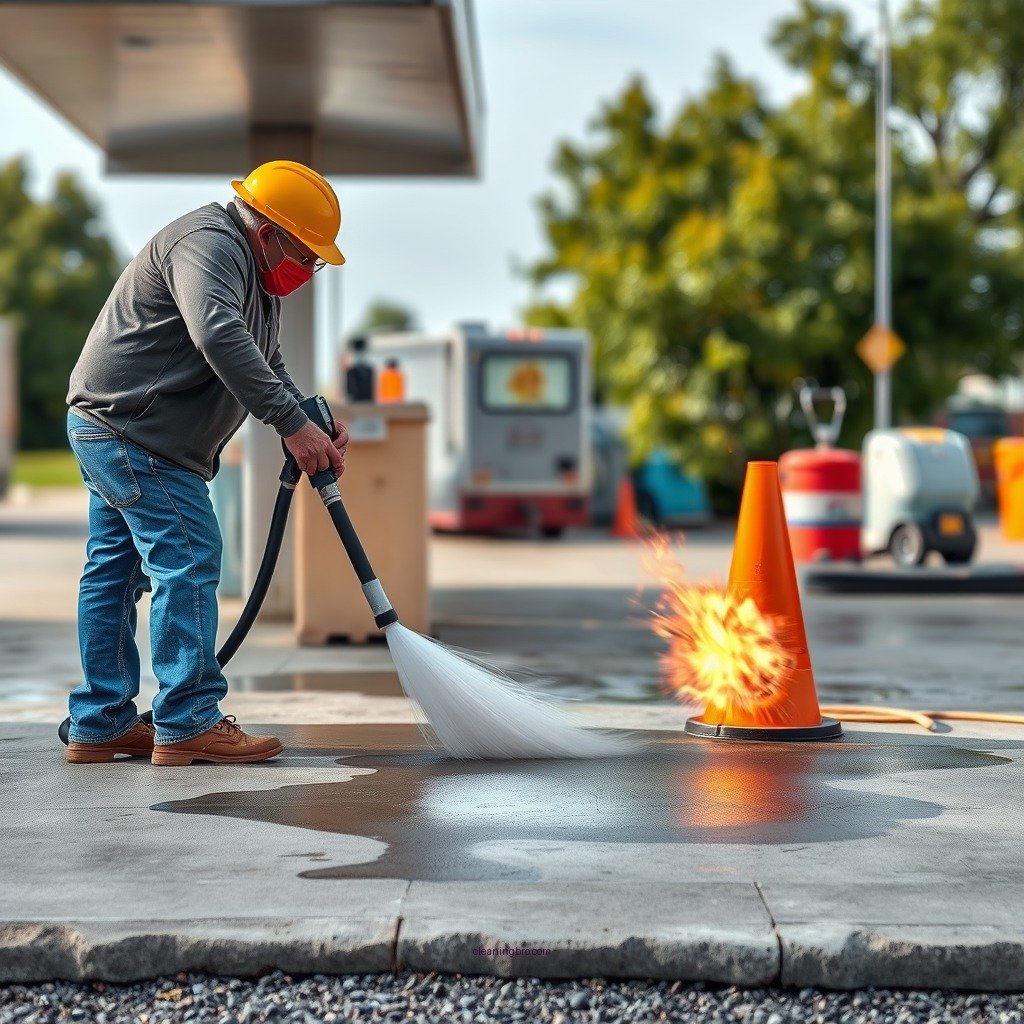
Gasoline is a potent mixture of hydrocarbons and other chemicals, making it particularly difficult to clean from porous surfaces like concrete. When gasoline spills occur, the liquid can seep into the tiny pores of the concrete, which not only leads to unsightly stains but also can create lingering odors that are unpleasant and potentially hazardous. Immediate action is crucial to prevent permanent staining and odors. The longer gasoline remains on concrete, the more entrenched the stain can become, making it harder to remove. Thus, understanding the nature of gasoline stains is the first step in effective cleaning.

Tools and Materials Needed
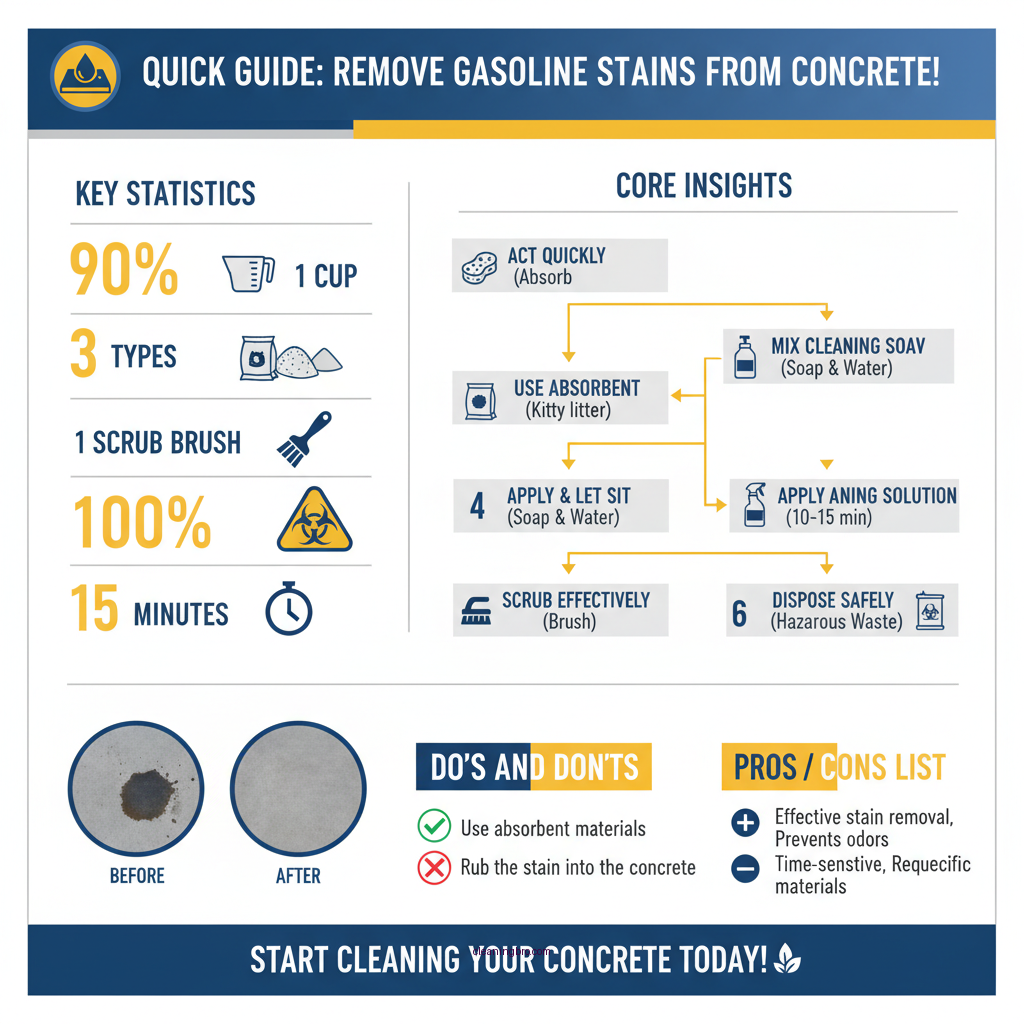
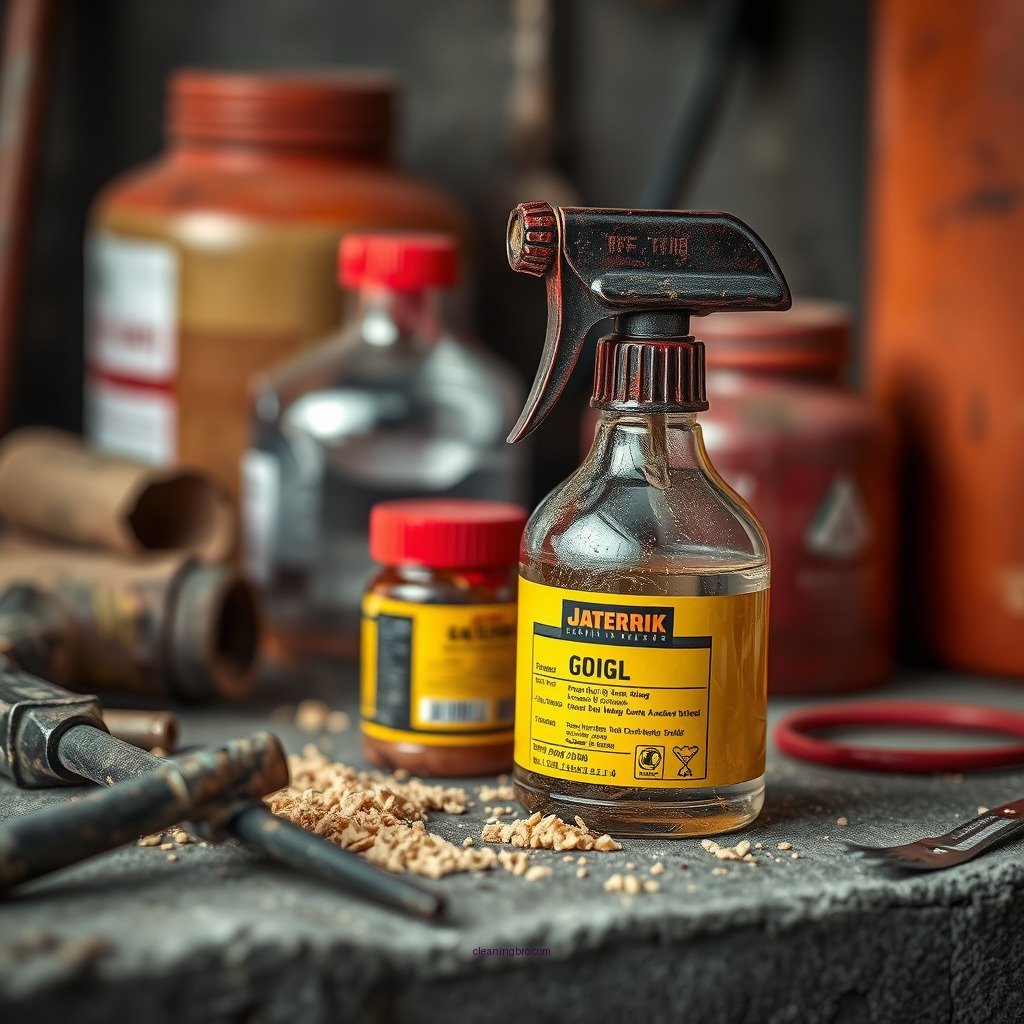
To successfully clean gasoline off concrete, you’ll need a selection of tools and materials:
– Absorbent materials: Common choices include kitty litter, sawdust, or even baking soda, which can effectively soak up excess gasoline.
– Cleaning agents: Dish soap, degreasers, or commercial cleaners specifically designed for oil and grease removal can break down remaining residues.
– Scrub brush or pressure washer: A stiff-bristled scrub brush helps in scrubbing away stains, while a pressure washer can be useful for larger areas or stubborn stains.
Having these materials ready will streamline the cleaning process and improve your chances of effectively removing the gasoline stains.
Step-by-Step Cleaning Process
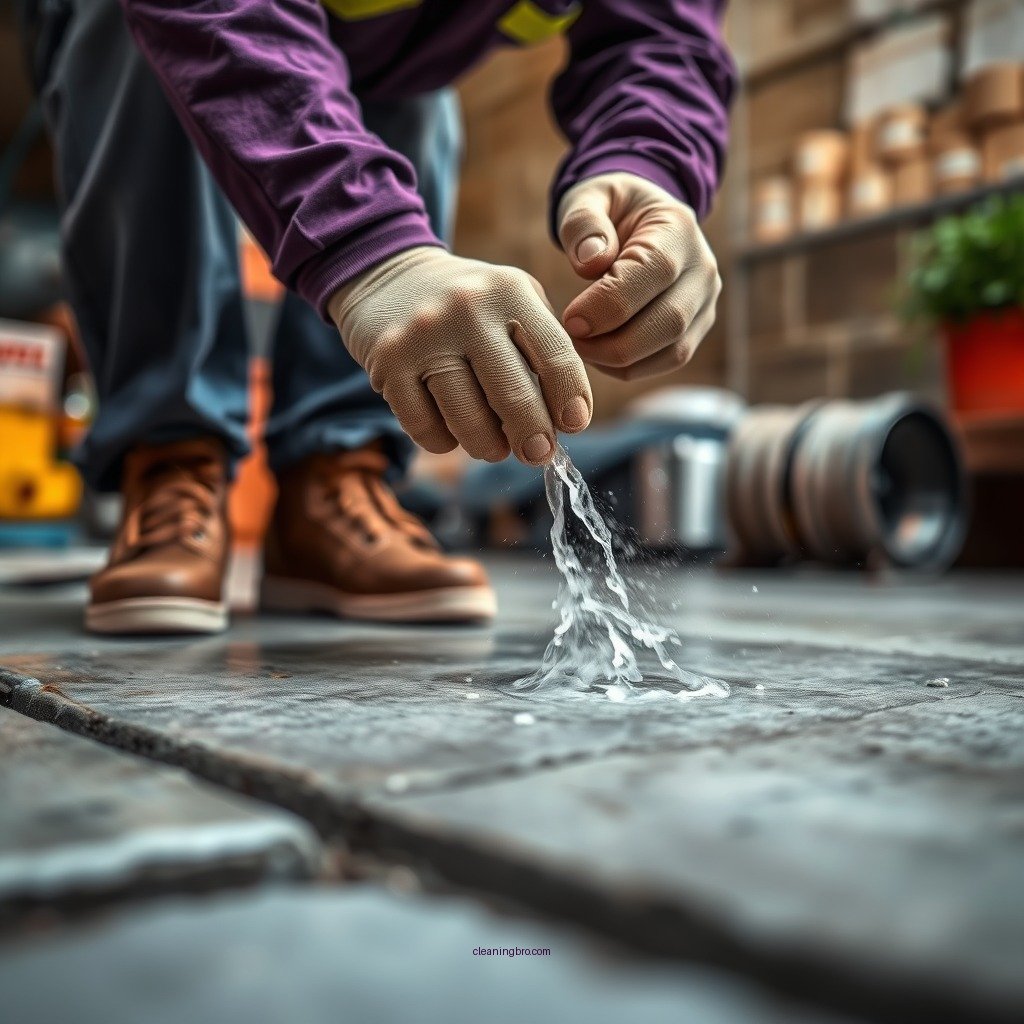
Cleaning gasoline off concrete involves a straightforward process:
1. Absorb the Gasoline: Start by pouring an absorbent material over the gas stain. Let it sit for at least 15 minutes to soak up as much gasoline as possible. Avoid rubbing the stain, as this can drive the gasoline deeper into the concrete.
2. Sweep Up the Absorbent: After sufficient time has passed, sweep up the absorbent material. Dispose of it according to local hazardous waste guidelines, as gasoline-soaked materials can be flammable.
3. Prepare a Cleaning Solution: Mix a cleaning solution using warm water and a degreaser or dish soap. A common ratio is about one cup of dish soap for a gallon of water.
4. Apply the Solution: Pour the cleaning solution onto the stained area and allow it to sit for approximately 10-15 minutes. This allows the solution to penetrate the concrete and break down any remaining gasoline residue.
5. Scrub the Stain: Using a stiff-bristled scrub brush, scrub the stained area in a circular motion. This action will help lift the stain from the concrete.
6. Rinse: Rinse the area thoroughly with water. If using a pressure washer, be cautious with the pressure settings to avoid damaging the concrete.
7. Repeat if Necessary: For persistent stains, you may need to repeat the process or consider using a stronger commercial cleaner.
Using Commercial Cleaners
If home remedies do not yield satisfactory results, consider using commercial cleaners specifically designed for oil and grease removal. Products like Krud Kutter or Oil Eater can be particularly effective. When selecting a commercial cleaner, look for one that specifies it is safe for use on concrete. Always follow the manufacturer’s instructions for dilution and application for optimal results.
Commercial cleaners often contain powerful solvents that can dissolve gasoline residues more effectively than DIY solutions, making them a valuable option for tougher stains.
Tips for Preventing Future Stains
Preventing gasoline stains on concrete requires some proactive measures:
– Proper Storage: Store gasoline in secure, sealed containers away from concrete surfaces. This minimizes the risk of spills and leaks.
– Regular Inspection: Periodically check areas where gasoline is used or stored. This can help catch leaks or spills early, reducing the chances of staining.
– Use Protective Covers: If possible, use tarps or mats under areas where gasoline containers are stored or used, providing an additional layer of protection against spills.
By implementing these preventative measures, you can protect your concrete surfaces from future stains, ensuring they remain clean and safe.
Safety Precautions
Safety should always be a priority when handling gasoline and cleaning solutions. Here are some important safety precautions to follow:
– Personal Protective Equipment: Always wear gloves and goggles to protect your skin and eyes from gasoline and cleaning agents.
– Ventilation: Ensure proper ventilation in your working area to avoid inhaling harmful fumes. Open windows or use fans to circulate air.
– Emergency Measures: Keep a fire extinguisher nearby, especially if working with flammable substances like gasoline. Familiarize yourself with its use in case of an emergency.
Taking these precautions will help ensure a safe and successful cleaning process.
Top 7 Absorbent Materials for Gasoline Cleanup
| # | Material | Absorption Rate | Cost per Bag | Best For |
|---|---|---|---|---|
| 1 | Kitty Litter | Up to 2X | $5 | Household Use |
| 2 | Sawdust | 1.5X | $4 | Workshops |
| 3 | Baking Soda | 1X | $2 | Small Spills |
| 4 | Sand | 1.5X | $6 | Construction Sites |
| 5 | Oil-Dry | 3X | $8 | Professional Use |
| 6 | Absorbent Pads | 2.5X | $10 | Industrial Use |
| 7 | Coconut Fiber | 2X | $9 | Eco-Friendly |
Absorbent Material Effectiveness (%)
Best Cleaning Agents for Gasoline Stains
| Feature | ⭐ Dish Soap | Krud Kutter | Oil Eater |
|---|---|---|---|
| Price | $6 | $9 | $12 |
| Effectiveness | Good | Excellent | Very Good |
| Eco-Friendly | ✅ | ✅ | ❌ |
| Stain Removal | ✅ | ✅ | ✅ |
| Odor Neutralization | ❌ | ✅ | ✅ |
| Surface Compatibility | ✅ | ✅ | ✅ |
| Ease of Use | ✅ | ✅ | ✅ |
| Packaging | Bottles | Spray | Bottle |
| Free Trial | ❌ | ❌ | ❌ |
| 🏆 Best For | General Use | Heavy Stains | Oil Removal |
By following these methods, you can effectively remove gasoline from concrete and prevent future stains. Remember to act quickly and use the right materials for the best results. If you found this guide helpful, consider sharing it with others who may need it, or leave a comment with your own tips and experiences.
Frequently Asked Questions
What are the best methods to clean gas off concrete?
The best methods to clean gas off concrete involve using absorbent materials like cat litter or sawdust to soak up excess fuel first. After that, a mixture of dish soap and warm water can effectively break down the remaining residue. Scrubbing the area with a stiff brush can help lift the stain, followed by rinsing with water to complete the process.
How can I remove gasoline stains from my driveway?
To remove gasoline stains from your driveway, start by applying a generous amount of absorbent material to the stained area and let it sit for several hours. Next, use a mixture of a degreaser and water to scrub the stain vigorously. Rinse thoroughly with a hose to ensure all soap and residue are washed away.
Why is it important to clean gasoline spills on concrete immediately?
It’s important to clean gasoline spills on concrete immediately because gasoline can damage the surface and lead to further staining over time. Additionally, gasoline is highly flammable, posing a fire hazard, especially if left unattended in warm weather. Prompt cleaning helps maintain safety and the integrity of your concrete surfaces.
Which cleaning products are effective for removing gas from concrete?
Effective cleaning products for removing gas from concrete include commercial degreasers, enzyme-based cleaners, and dish soap. Some people also find success with vinegar and baking soda mixtures for a more natural approach. Always ensure that the cleaning product is suitable for concrete surfaces to avoid any damage.
What should I do if the gasoline stain persists after cleaning?
If the gasoline stain persists after cleaning, consider using a pressure washer to apply more force to the stain, which can help lift it out. Alternatively, you can repeat the cleaning process using a stronger degreaser or specialized concrete cleaner designed for tough stains. If all else fails, consulting a professional cleaning service may be necessary for persistent stains.
References
- https://www.epa.gov/manage-spills/guidance-managing-gasoline-spills
https://www.epa.gov/manage-spills/guidance-managing-gasoline-spills - https://www.nps.gov/articles/cleaning-up-gasoline-spills.htm
https://www.nps.gov/articles/cleaning-up-gasoline-spills.htm - https://www.cdc.gov/niosh/topics/gasoline.html
https://www.cdc.gov/niosh/topics/gasoline.html - https://www.ncbi.nlm.nih.gov/pmc/articles/PMC7216874/
https://www.ncbi.nlm.nih.gov/pmc/articles/PMC7216874/ - https://www.sciencedirect.com/topics/earth-and-planetary-sciences/gasoline-contamination
https://www.sciencedirect.com/topics/earth-and-planetary-sciences/gasoline-contamination - https://www.britannica.com/science/gasoline
https://www.britannica.com/science/gasoline - Google Scholar Google Scholar
https://scholar.google.com/scholar?q=clean+gas+off+concrete - https://scholar.google.com/scholar?q=gasoline+spill+cleanup Google Scholar
https://scholar.google.com/scholar?q=gasoline+spill+cleanup - https://scholar.google.com/scholar?q=removing+gasoline+from+concrete Google Scholar
https://scholar.google.com/scholar?q=removing+gasoline+from+concrete - Google Scholar Google Scholar
https://scholar.google.com/scholar?q=how+to+clean+gas+off+concrete
