How to Clean Fish Tank Rocks from Algae
To effectively clean fish tank rocks of algae, you can use a combination of manual scrubbing, soaking in vinegar, and regular maintenance practices. This guide will help you achieve clean, algae-free rocks, ensuring a healthier environment for your aquatic pets. Maintaining the cleanliness of your fish tank rocks is crucial not only for aesthetic reasons but also for the overall health of your aquatic life. Algae can create an unhealthy environment if left unchecked, leading to potential stress for your fish and other inhabitants.
Understanding Algae Growth on Fish Tank Rocks
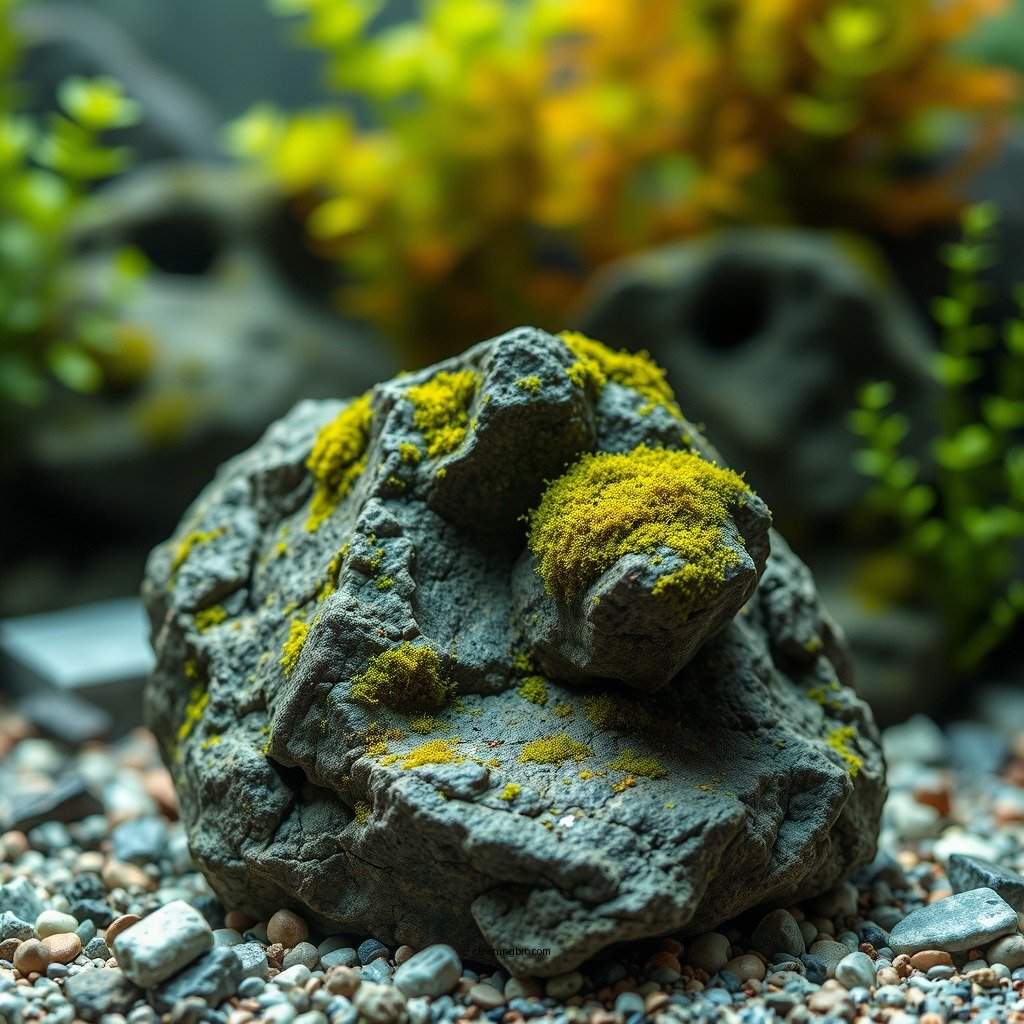
Algae thrive on organic waste and excess nutrients in the water. This growth can be exacerbated by factors such as poor lighting, overfeeding, and inadequate filtration. Algae can manifest in various forms, including green hair algae, brown diatoms, and blue-green algae, each requiring different approaches for effective removal. Identifying the type of algae present in your aquarium can help determine the most effective cleaning method. For instance, green algae can often be scrubbed off easily, while blue-green algae may require more intensive treatments.
Algae Types and Their Characteristics
| Algae Type | Description | Preferred Removal Method |
|——————|—————————————|——————————|
| Green Hair Algae | Long, filamentous strands; can cover rocks and plants | Manual scrubbing |
| Brown Diatoms | Brown, dusty film; often found in new tanks | Vinegar soak or scrubbing |
| Blue-Green Algae | Slimy, often toxic; can be green or blue | Chemical treatment |
| Green Spot Algae | Small green dots; usually harmless but unsightly | Scrubbing or scraping |
Manual Cleaning Techniques
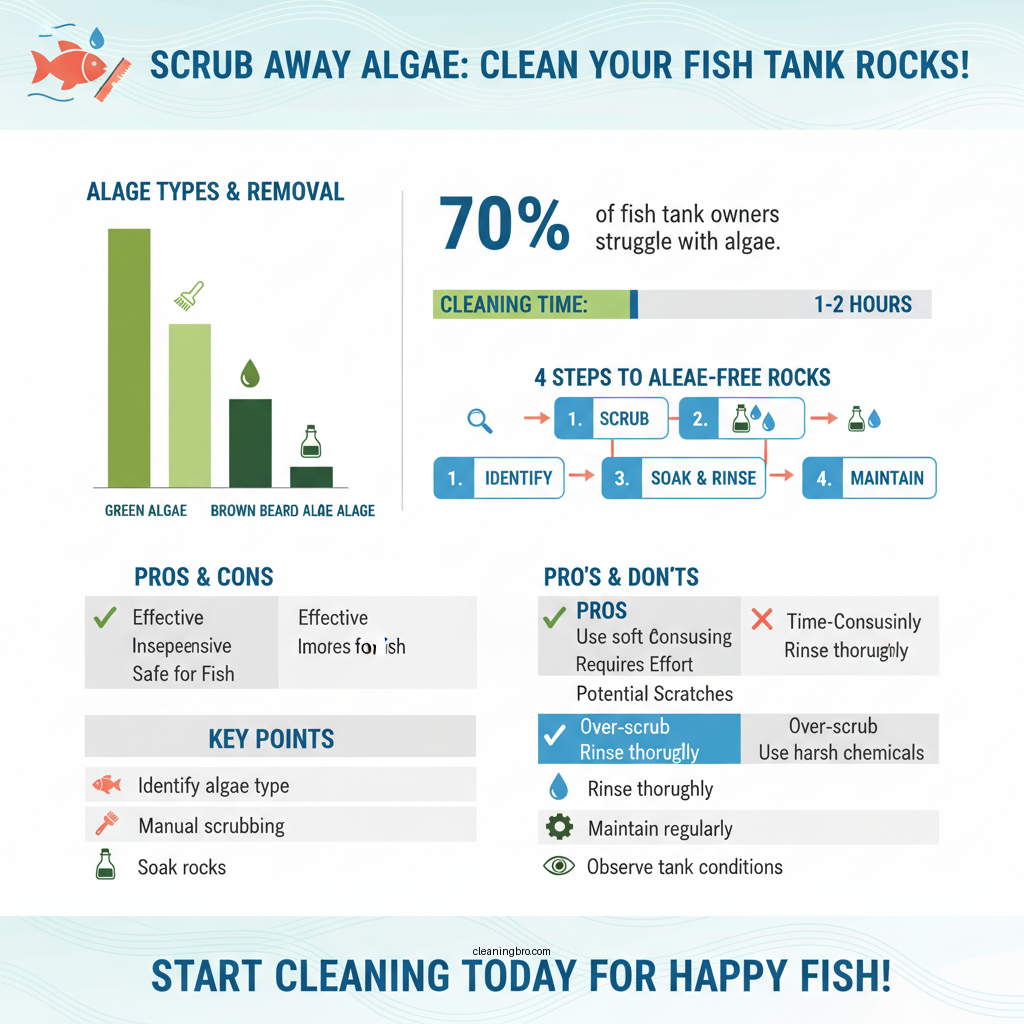
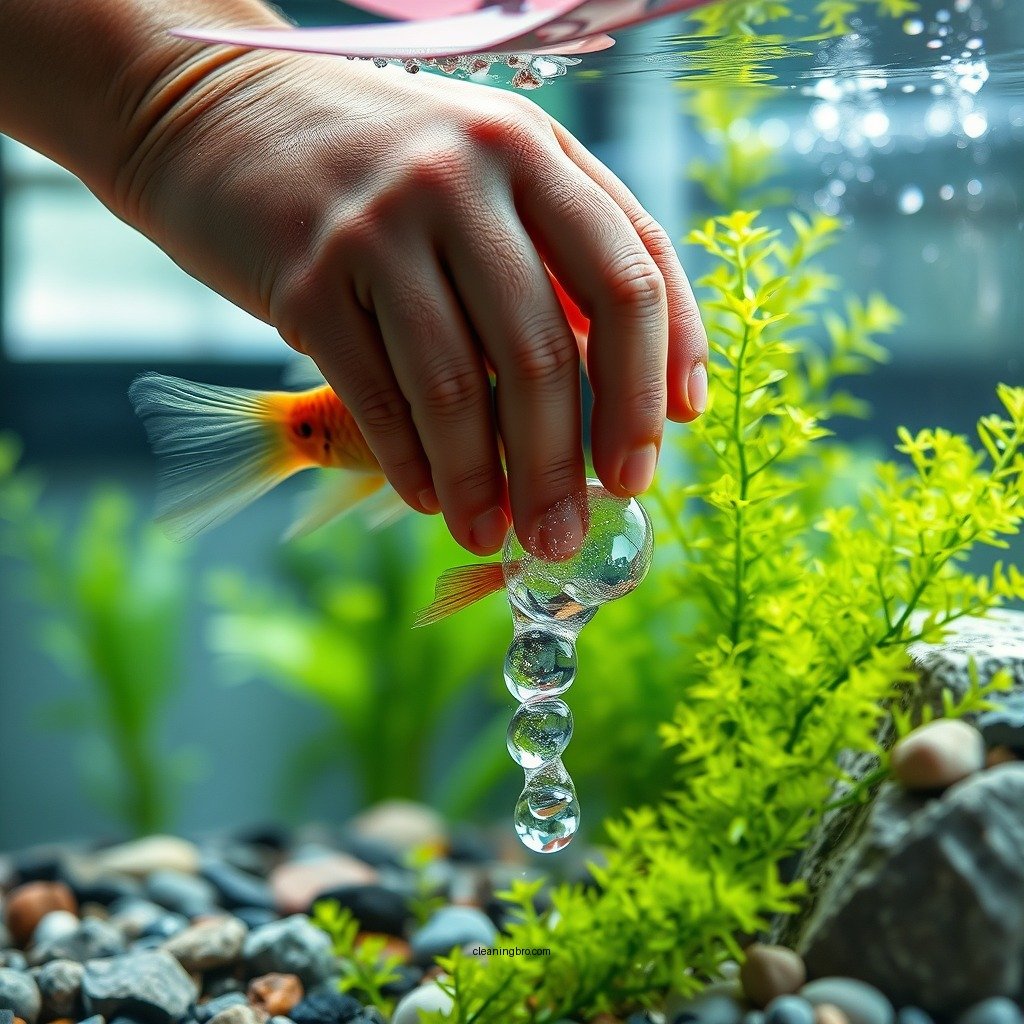
Manual cleaning is the most straightforward and effective method for removing algae from fish tank rocks. Start by using a soft brush or scrub sponge, ensuring that it is non-abrasive to avoid scratching your rocks. Gently scrub the affected areas, taking care not to disturb the substrate or any aquatic plants. After scrubbing, rinse the rocks thoroughly in clean water to remove any loosened algae and debris. If the algae are particularly stubborn, consider soaking the rocks in a vinegar solution, which can help break down the algae without damaging the rock’s surface.
Soaking Rocks in Vinegar
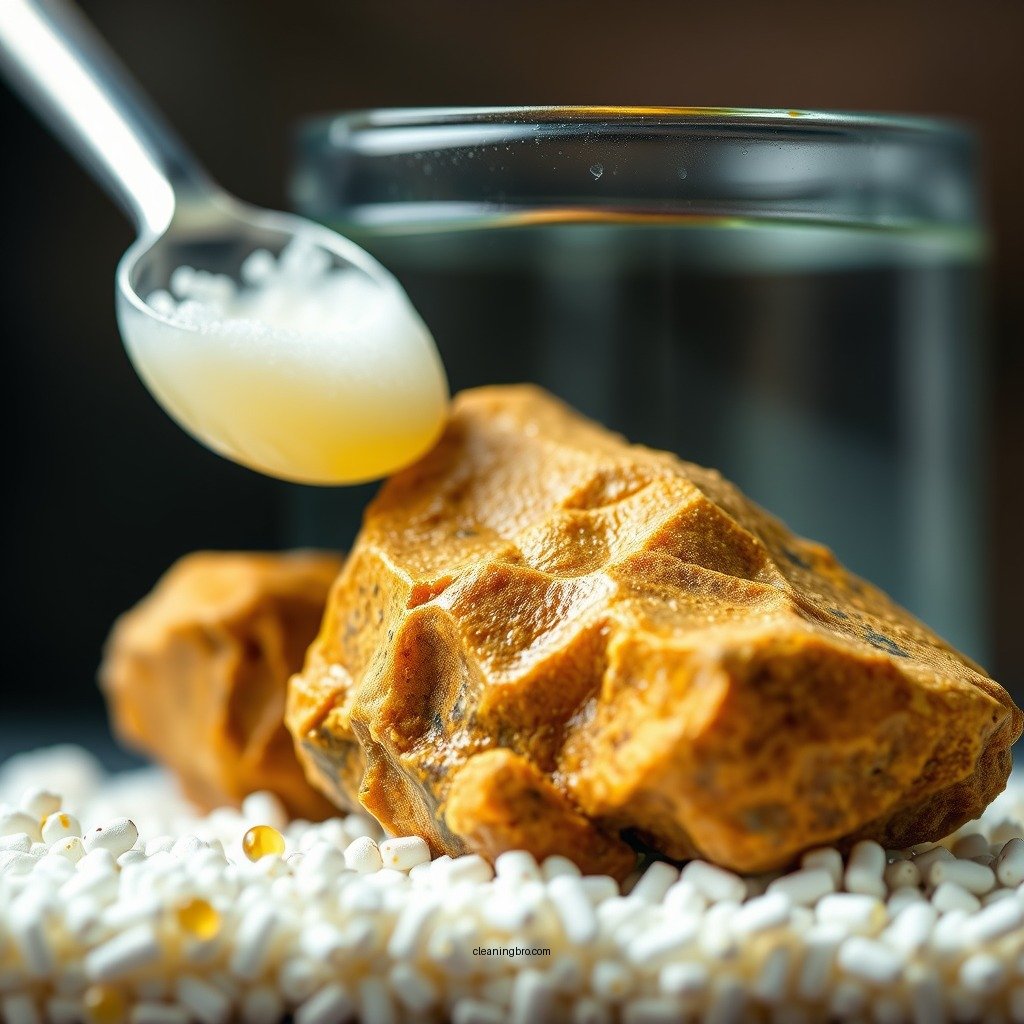
Soaking your fish tank rocks in vinegar is an effective method for combating stubborn algae growth. To prepare a vinegar solution, mix equal parts water and white vinegar in a container that can accommodate your rocks. Submerge the rocks in this solution for approximately 30 minutes. The acetic acid in the vinegar will help to dissolve algae and mineral deposits. After soaking, rinse the rocks thoroughly in clean water to ensure no vinegar residue remains, as this could negatively affect your fish and plants.
Using a Fish-Safe Algae Remover
There are several commercially available algae removers that are safe for use in aquariums. When choosing a product, ensure it is labeled as “fish-safe” to avoid harming your aquatic pets. Always follow the manufacturer’s instructions for application and dosage to achieve the best results. These products can effectively target specific types of algae and may provide longer-lasting results than manual cleaning alone. However, they should be used in conjunction with regular maintenance practices for optimal tank health.
Comparison of Popular Fish-Safe Algae Removers
Comparison of Popular Fish-Safe Algae Removers
| # | Product Name | Effectiveness | Ease of Use | Price |
|---|---|---|---|---|
| 1 | API AlgaeFix | ★★★★☆ | ★★★★☆ | $8.99 |
| 2 | Tetra Algae Control | ★★★★☆ | ★★★☆☆ | $10.99 |
| 3 | Hikari Algae Wafers | ★★★☆☆ | ★★★★☆ | $5.99 |
| 4 | Seachem Flourish Excel | ★★★★★ | ★★★★☆ | $15.99 |
| 5 | Marineland Algae Remover | ★★★★☆ | ★★★☆☆ | $9.49 |
Regular Maintenance Tips
Preventing algae buildup is significantly easier than removing established growth. Regular maintenance practices are essential for keeping your fish tank environment healthy. Schedule routine cleanings every 1-2 weeks, which should include scrubbing the rocks, changing a portion of the water, and cleaning the filter. Regular water changes help maintain balanced nutrient levels, reducing the likelihood of algae proliferation. Additionally, consider adjusting your lighting schedule; excessive light can promote algae growth.
Recommended Maintenance Schedule
| Task | Frequency |
|————————–|————————|
| Scrub rocks | Every 1-2 weeks |
| Water change | Every 1-2 weeks |
| Filter cleaning | Monthly |
| Light adjustment | As needed |
Preventing Future Algae Growth
Preventing future algae growth in your fish tank is critical for maintaining an aesthetically pleasing and healthy environment. Limiting light exposure is one of the most effective strategies; consider reducing the amount of time your aquarium lights are on to 8-10 hours per day. Additionally, maintain a balanced feeding routine for your fish to minimize waste. Overfeeding can lead to excess nutrients in the water, fueling algae growth. Lastly, ensure that your filtration system is adequate for your tank size, as effective filtration will help remove organic waste before it can contribute to algae proliferation.
Bar Chart of Common Algae Growth Factors
Factors Affecting Algae Growth in Aquariums
Regularly cleaning your fish tank rocks not only enhances the appearance of your aquarium but also contributes to the health of your aquatic environment. Implement these cleaning methods and maintenance tips to keep your fish tank thriving and algae-free. By understanding the factors that contribute to algae growth and employing proactive strategies, you can create a more stable and healthy habitat for your fish and plants.
Frequently Asked Questions
What are the best methods to clean algae from fish tank rocks?
The best methods to clean algae from fish tank rocks include using a soft brush or sponge specifically designed for aquariums, as these won’t scratch the surfaces. Additionally, you can soak the rocks in a solution of water and aquarium-safe vinegar for about 30 minutes to help loosen stubborn algae. Be sure to rinse thoroughly before placing them back in the tank to avoid harming your fish.
How often should I clean the rocks in my fish tank to prevent algae buildup?
It’s recommended to clean the rocks in your fish tank every 2-4 weeks to prevent excessive algae buildup. Regular maintenance, including partial water changes and proper lighting management, can help inhibit algae growth. Monitoring water conditions and keeping an eye on nutrient levels will also aid in maintaining a cleaner environment for your fish.
Why is algae growing on my fish tank rocks, and how can I stop it?
Algae growth on fish tank rocks is often caused by excess nutrients, particularly nitrates and phosphates, combined with too much light. To stop algae growth, reduce feeding, ensure proper filtration, and limit the amount of direct light your tank receives. Introducing algae-eating fish or invertebrates can also help manage algae levels naturally.
Which tools are most effective for scrubbing fish tank rocks without damaging them?
The most effective tools for scrubbing fish tank rocks without causing damage include aquarium-safe brushes, soft sponges, or even old toothbrushes with soft bristles. Avoid using harsh chemicals or abrasive materials, as these can harm both the rocks and the aquatic life in your tank. Regular scrubbing with these gentle tools can keep rocks clean and free from algae.
What should I do if my fish tank rocks have stubborn algae that won’t come off?
If your fish tank rocks have stubborn algae, try soaking them in a mixture of warm water and white vinegar for about 30 minutes, then scrub them with a soft brush. If that doesn’t work, you can consider using a diluted bleach solution (1 part bleach to 10 parts water), but be sure to rinse thoroughly and let them dry completely before placing them back in the tank. Always monitor your tank’s water parameters after cleaning to ensure a safe environment for your fish.
References
- Aquarium
https://en.wikipedia.org/wiki/Aquarium - https://www.sciencedirect.com/topics/agricultural-and-biological-sciences/aquarium
https://www.sciencedirect.com/topics/agricultural-and-biological-sciences/aquarium - Aquarium | Setup, Fish & Supplies | Britannica
https://www.britannica.com/science/aquarium - https://www.ncbi.nlm.nih.gov/pmc/articles/PMC5469216/
https://www.ncbi.nlm.nih.gov/pmc/articles/PMC5469216/ - https://www.pubmed.ncbi.nlm.nih.gov/30730017/
https://www.pubmed.ncbi.nlm.nih.gov/30730017/ - https://www.aaas.org/news/how-clean-aquarium
https://www.aaas.org/news/how-clean-aquarium - Google Scholar Google Scholar
https://scholar.google.com/scholar?q=how+to+clean+fish+tank+rocks+algae - Google Scholar Google Scholar
https://scholar.google.com/scholar?q=aquarium+maintenance+and+algae - Google Scholar Google Scholar
https://scholar.google.com/scholar?q=algae+removal+in+aquarium+rocks - how to clean fish tank rocks algae – Search results
https://en.wikipedia.org/wiki/Special:Search?search=how+to+clean+fish+tank+rocks+algae