
Keeping a permanent dental bridge clean is essential for both oral health and the longevity of the bridge. Effective cleaning involves a combination of proper brushing techniques, specialized cleaning tools, and regular dental check-ups. In this article, we will explore essential tips to maintain your dental bridge, ensuring optimal hygiene and health.
Understanding Your Permanent Dental Bridge
A permanent dental bridge is a prosthetic device used to replace one or more missing teeth. It is anchored to the adjacent natural teeth, also known as abutment teeth, and serves to restore both function and aesthetics to the mouth. The importance of maintaining oral hygiene around the bridge cannot be overstated. Without proper care, plaque and food debris can accumulate, leading to gum disease, decay of the supporting teeth, and potential failure of the bridge itself. Regular cleaning not only preserves the structure of the bridge but also contributes to overall oral health.
Recommended Cleaning Tools
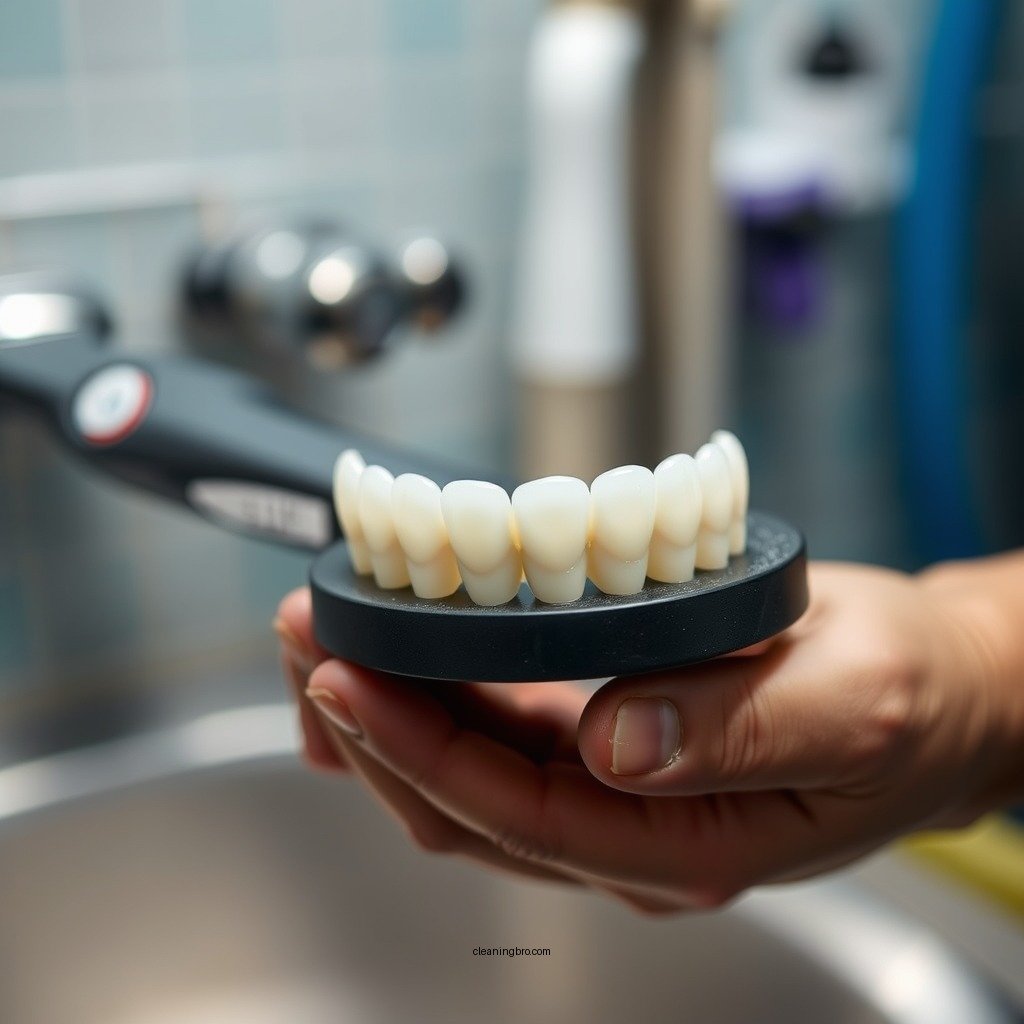
To effectively clean your dental bridge, you should utilize specific tools designed for optimal care:
– Soft-bristled toothbrush: This type of toothbrush is ideal for gentle cleaning around the bridge and the adjacent teeth. The soft bristles help prevent damage to the gum tissue and the bridge materials.
– Interdental brushes or floss threaders: These tools are essential for cleaning between the teeth and under the bridge. They provide the reach and flexibility necessary to remove plaque and food particles that a regular toothbrush may miss.
Proper Brushing Techniques
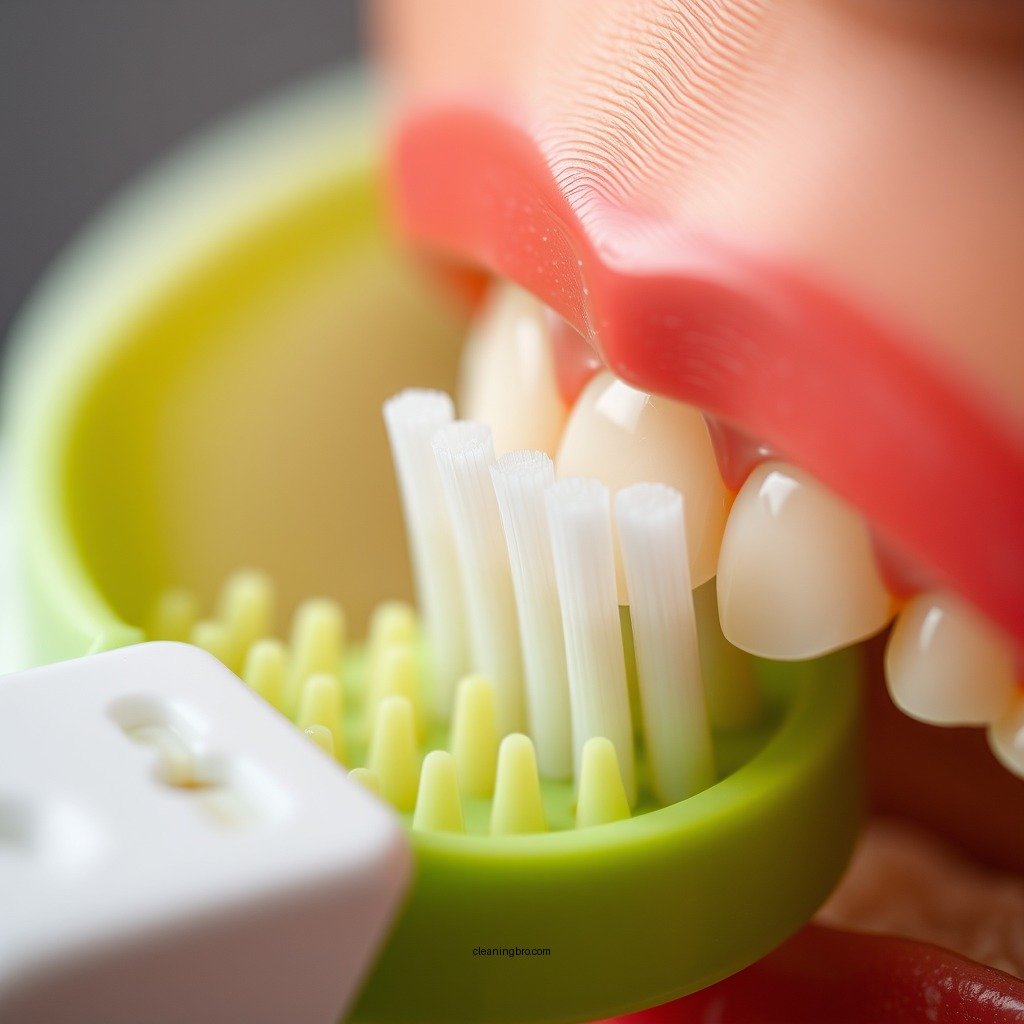
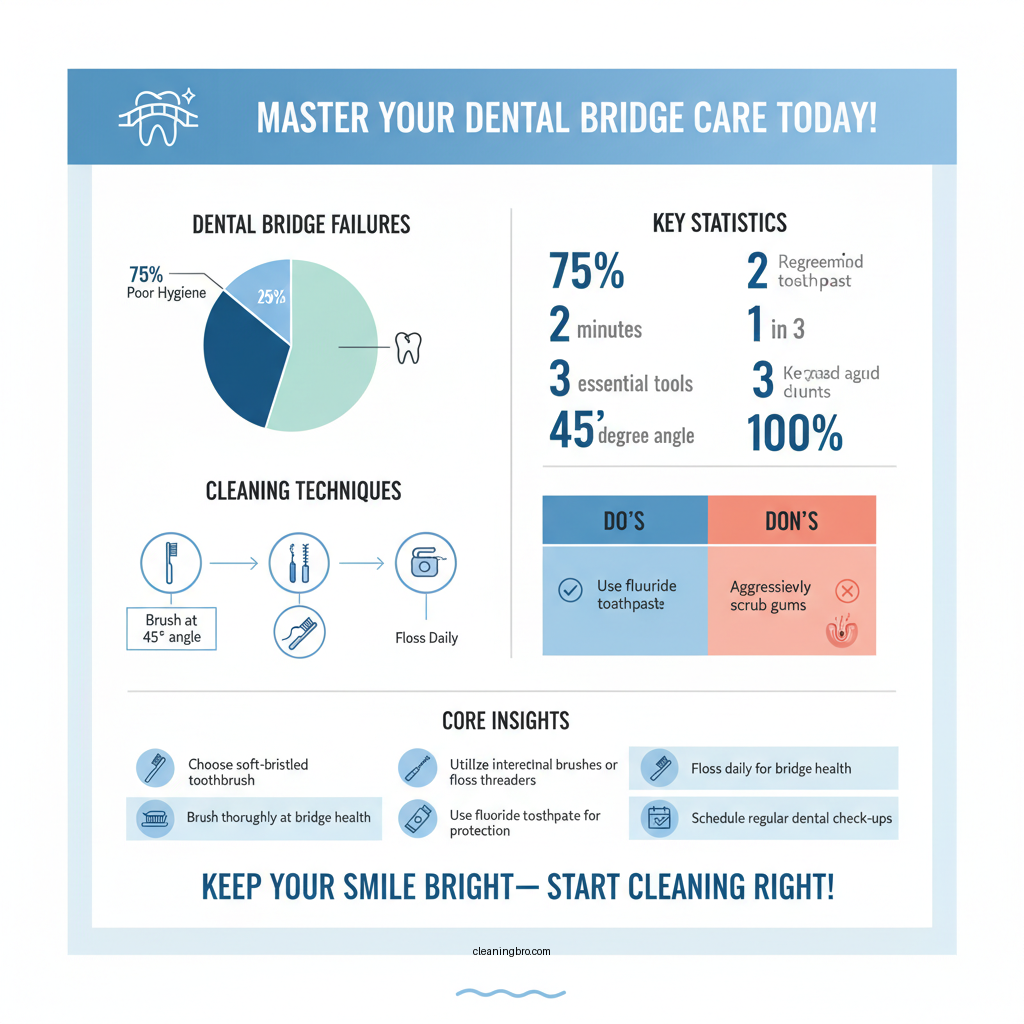
To keep your dental bridge and surrounding teeth healthy, follow these brushing techniques:
– Use fluoride toothpaste: Fluoride helps prevent decay by strengthening tooth enamel, making it crucial for individuals with dental bridges. Choose a toothpaste that is specifically formulated for sensitive teeth if you experience discomfort.
– Brush at a 45-degree angle: Position your toothbrush at a 45-degree angle to the gum line. This technique allows the bristles to reach under the gum line, effectively cleaning around the bridge and preventing plaque buildup.
– Be thorough but gentle: Brush all surfaces of the bridge and the surrounding teeth for at least two minutes, ensuring you cover the front, back, and chewing surfaces. Avoid aggressive scrubbing, as this can irritate the gums and damage the bridge.
Flossing Around Your Bridge
Daily flossing is crucial for maintaining the health of your dental bridge and surrounding teeth. Here’s how to do it effectively:
1. Choose the right floss: Use waxed dental floss or a floss threader that can slide easily under the bridge without causing damage.
2. Insert the floss: Gently guide the floss between the bridge and the adjacent teeth. For fixed bridges, a floss threader may be necessary to navigate around the bridge structure.
3. Clean thoroughly: Wrap the ends of the floss around your fingers and gently slide it up and down the sides of the bridge and the adjacent teeth. Be careful not to snap the floss, as this can lead to gum injury.
4. Repeat daily: Flossing should be a daily habit to effectively remove plaque and prevent gum disease.
Utilizing Mouthwash
Incorporating mouthwash into your dental care routine can further enhance your oral hygiene practices. Here are the benefits and recommendations:
– Benefits of antibacterial mouthwash: Antibacterial mouthwash helps reduce oral bacteria, providing an additional layer of protection against plaque buildup and gum disease.
– Recommended types of mouthwash: Look for mouthwash that contains fluoride and has antibacterial properties. Alcohol-free options are preferable, as they are less likely to cause dry mouth, which can contribute to dental issues.
Regular Dental Check-ups
Regular dental visits are vital for maintaining your dental bridge. Here’s what to keep in mind:
– Importance of biannual visits: It is recommended to visit your dentist at least twice a year for professional cleanings and check-ups. This allows your dentist to monitor the health of your bridge and surrounding teeth and to perform any necessary maintenance.
– What to expect during a dental check-up: During your visit, the dentist will examine your bridge, check for signs of decay or gum disease, and may perform a professional cleaning. They will provide personalized advice based on your specific dental needs.
Common Mistakes to Avoid
To ensure the longevity of your dental bridge, be aware of these common mistakes:
– Neglecting to clean under the bridge: Failing to clean the area beneath the bridge can lead to plaque buildup and gum disease. Always ensure that you are cleaning this area thoroughly with floss or interdental brushes.
– Using hard-bristled brushes: Hard-bristled toothbrushes can damage both the bridge and your gums. Always opt for a soft-bristled brush to maintain the health of your dental structures.
Top 7 Dental Hygiene Tools for Permanent Bridges (2023)
| # | Tool | Type | Effectiveness |
|---|---|---|---|
| 1 | Soft-Bristled Toothbrush | Manual | High |
| 2 | Interdental Brush | Manual | Very High |
| 3 | Floss Threader | Manual | High |
| 4 | Antibacterial Mouthwash | Liquid | High |
| 5 | Electric Toothbrush | Electric | Very High |
| 6 | Water Flosser | Electric | Very High |
| 7 | Dental Pick | Manual | Moderate |
Top Dental Hygiene Tools: Manual vs Electric Options
| Feature | ⭐ Electric Toothbrush | Water Flosser | Manual Toothbrush |
|---|---|---|---|
| Price | $50-$300 | $30-$100 | $2-$15 |
| Cleaning Efficiency | High | Very High | Moderate |
| Portability | Medium | High | High |
| Battery Life | 1-2 weeks | N/A | N/A |
| Water Resistance | Some models | ✅ | ❌ |
| Ease of Use | ✅ | ✅ | ✅ |
| Customizable Settings | ✅ | N/A | ❌ |
| Replacement Parts | Available | N/A | Available |
| Best For | Users seeking efficiency | Users needing thorough cleaning | Budget-conscious users |
Maintaining your permanent dental bridge requires consistent care and the right tools. By utilizing effective cleaning techniques, employing specialized tools, and scheduling regular dental visits, you can ensure your bridge remains in excellent condition. Make these habits part of your daily routine to keep your smile healthy and bright.
Frequently Asked Questions
How do I properly clean my permanent dental bridge at home?
To effectively clean your permanent dental bridge, start by brushing your teeth at least twice daily with a non-abrasive toothpaste. Use a soft-bristled toothbrush to gently clean the bridge and surrounding teeth, ensuring you reach all surfaces. Additionally, incorporate daily flossing or the use of interdental brushes to remove plaque and food particles from around the bridge.
What tools are best for cleaning between the teeth and under a permanent dental bridge?
The best tools for cleaning between teeth and under a permanent dental bridge include dental floss, floss threaders, and interdental brushes. These tools allow you to reach tight spaces and remove debris that a regular toothbrush might miss. Using a water flosser can also be beneficial for a thorough clean, as it helps flush out food particles and plaque.
Why is it important to maintain good hygiene around my permanent dental bridge?
Maintaining good hygiene around your permanent dental bridge is crucial to prevent gum disease, cavities, and bad breath. Neglecting proper cleaning can lead to plaque buildup, which may cause inflammation and infection in the surrounding gum tissue. Regular care not only preserves the integrity of the bridge but also enhances your overall oral health.
What are the best cleaning products for permanent dental bridges?
The best cleaning products for permanent dental bridges include non-abrasive toothpaste, antimicrobial mouthwash, and fluoride rinses. Look for products designed specifically for sensitive gums or dental restorations, as they will be gentle yet effective. Always avoid harsh whitening agents and abrasive materials that could damage the bridge.
Which common mistakes should I avoid when cleaning my permanent dental bridge?
Common mistakes to avoid when cleaning your permanent dental bridge include using hard-bristled toothbrushes, skipping flossing, and neglecting regular dental check-ups. Also, refrain from using abrasive toothpaste that can scratch the surface of the bridge. Following a consistent oral care routine and being gentle with your cleaning techniques will help maintain your dental bridge effectively.
References
- https://www.mayoclinic.org/healthy-lifestyle/oral-health/in-depth/dental-bridges/art-20046802
https://www.mayoclinic.org/healthy-lifestyle/oral-health/in-depth/dental-bridges/art-20046802 - https://www.nidcr.nih.gov/health-info/dental-bridges
https://www.nidcr.nih.gov/health-info/dental-bridges - https://www.webmd.com/oral-health/guide/dental-bridges
https://www.webmd.com/oral-health/guide/dental-bridges - https://www.ncbi.nlm.nih.gov/pmc/articles/PMC4699038/
https://www.ncbi.nlm.nih.gov/pmc/articles/PMC4699038/ - https://www.colgate.com/en-us/oral-health/dental-bridges/how-to-care-for-dental-bridges
https://www.colgate.com/en-us/oral-health/dental-bridges/how-to-care-for-dental-bridges - Google Scholar Google Scholar
https://scholar.google.com/scholar?q=how+to+clean+permanent+dental+bridge - Google Scholar Google Scholar
https://scholar.google.com/scholar?q=dental+bridge+care+and+maintenance - Google Scholar Google Scholar
https://scholar.google.com/scholar?q=cleaning+permanent+dental+bridges+techniques - how to clean permanent dental bridge – Search results
https://en.wikipedia.org/wiki/Special:Search?search=how+to+clean+permanent+dental+bridge - https://www.ncbi.nlm.nih.gov/search/research-articles/?term=how+to+clean+permanent+dental+bridge
https://www.ncbi.nlm.nih.gov/search/research-articles/?term=how+to+clean+permanent+dental+bridge
