How to Clean Galvanized Steel: A Step-by-Step Guide
Cleaning galvanized steel is essential to maintain its appearance and prevent corrosion. To clean it effectively, start with a mild detergent solution and a soft brush to remove dirt and grime, followed by rinsing with clean water. In this article, you will learn the best methods and tips to ensure your galvanized steel remains in excellent condition.
Understanding Galvanized Steel
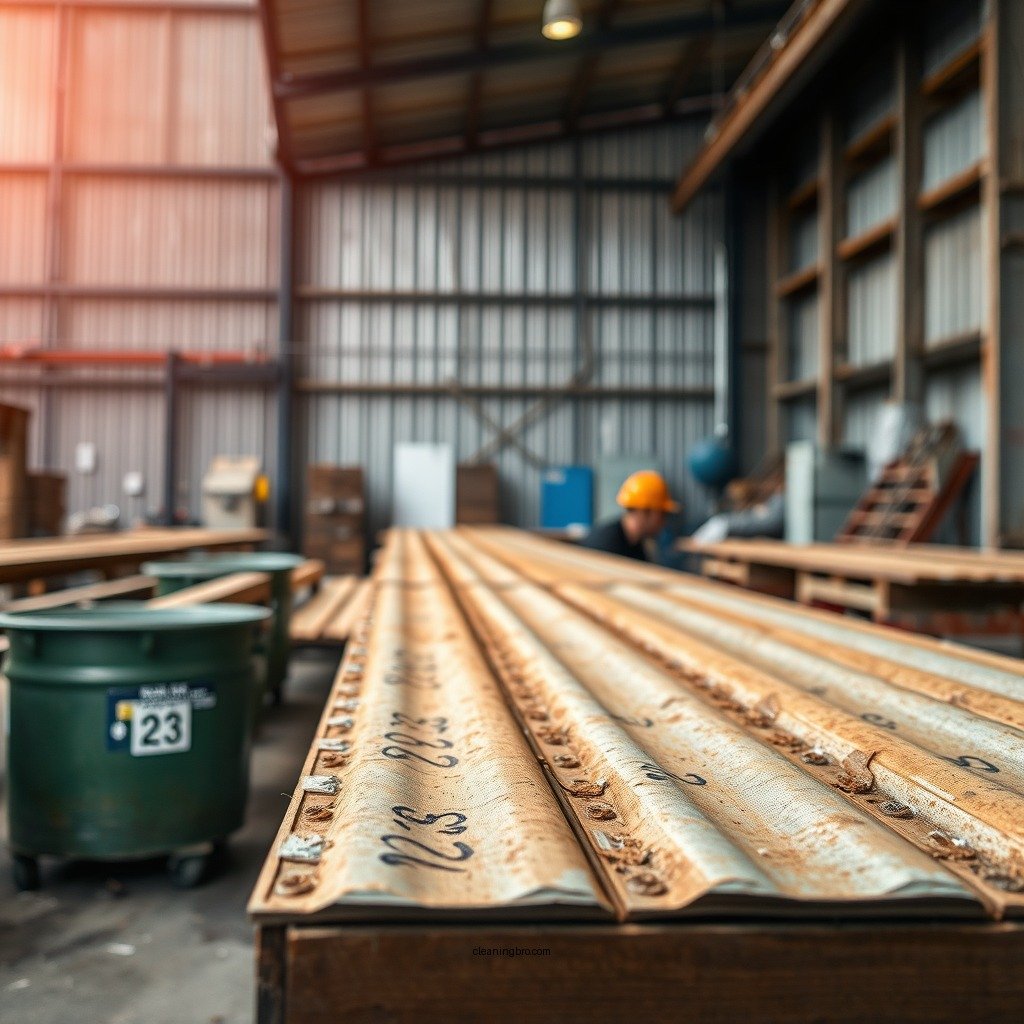
Galvanized steel is steel that has been coated with zinc to prevent rust and corrosion. This coating is achieved through a process known as galvanization, which involves dipping the steel into molten zinc or applying a zinc-rich paint. Understanding the properties of galvanized steel is crucial when selecting the appropriate cleaning methods, as harsh chemicals or abrasive tools can damage the protective layer. The zinc coating not only extends the life of the steel but also provides a distinctive appearance. Recognizing this can help you appreciate the importance of proper maintenance to preserve both functionality and aesthetics.
Tools and Materials Needed
To effectively clean galvanized steel, you will need the following tools and materials:
– Mild Detergent or Soap: Choose a non-corrosive detergent that won’t harm the zinc coating. Common options include dish soap or a mixture of water and vinegar.
– Soft Brush or Sponge: Select a soft-bristled brush or a non-abrasive sponge to avoid scratching the surface.
– Clean Water: Ensure you have access to a hose or bucket of clean water for rinsing.
– Protective Gloves and Eyewear: Wear gloves to protect your hands from cleaning solutions and eyewear to shield your eyes during the cleaning process.
Step-by-Step Cleaning Process
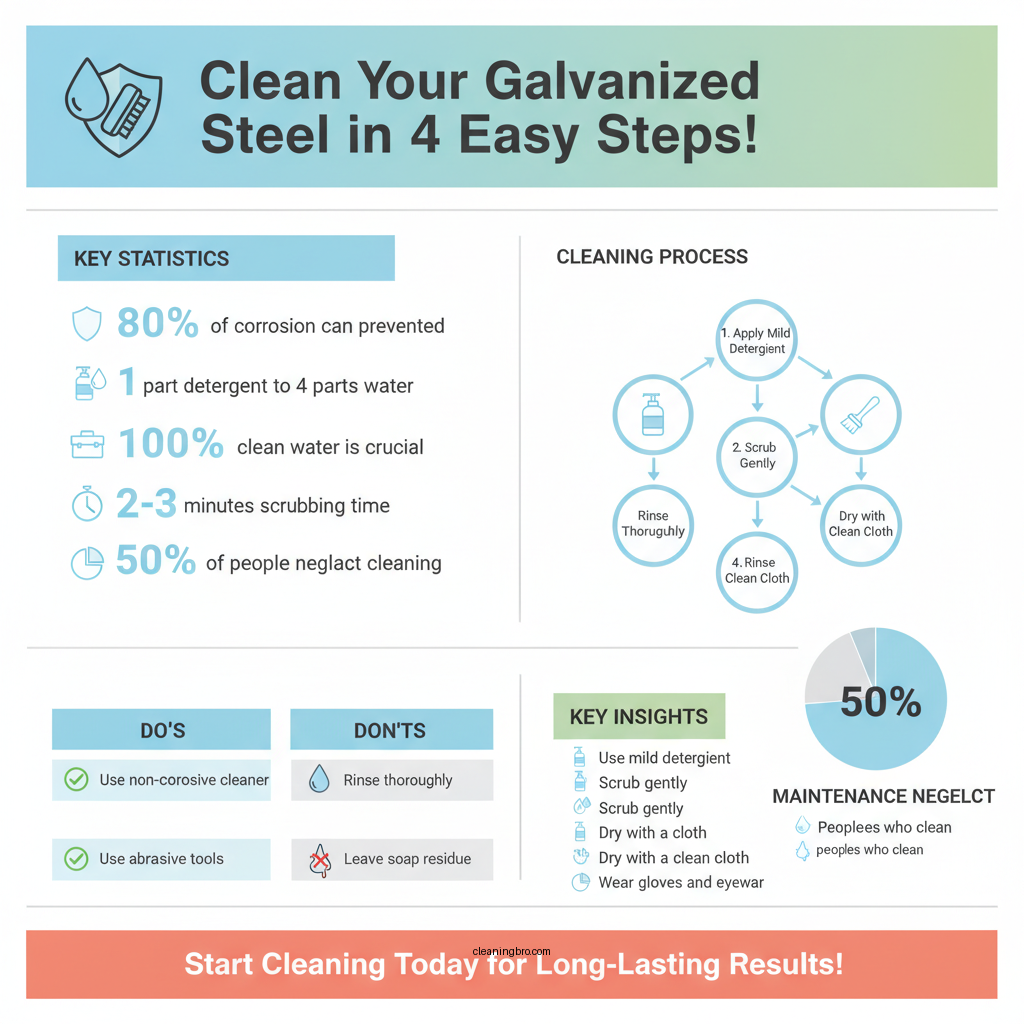
1. Prepare the Cleaning Solution: Start by mixing a gentle cleaning solution using a mild detergent and warm water. A typical ratio is one part detergent to four parts water. For added cleaning power, you can use a vinegar solution (one part vinegar to three parts water).
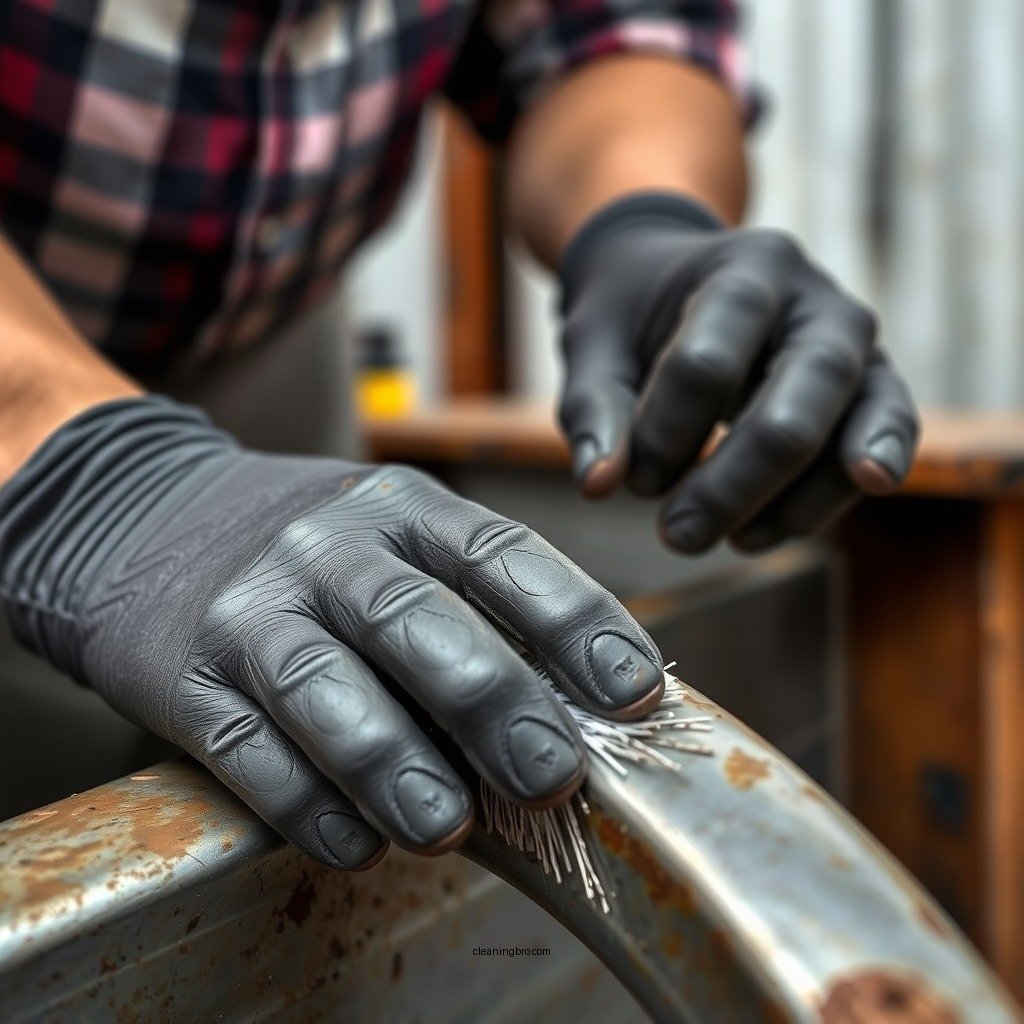
2. Scrub the Surface: Using your soft brush or sponge, apply the cleaning solution to the galvanized steel surface. Work in small sections, scrubbing gently to avoid damaging the zinc coating. Pay special attention to areas with visible dirt or stains, ensuring you do not apply excessive pressure.
3. Rinse Thoroughly: After scrubbing, rinse the galvanized steel with clean water to remove any soap residue. It’s essential to ensure that all detergent is eliminated, as any lingering soap can attract dirt and lead to corrosion over time.
4. Dry the Surface: Use a clean, soft cloth to dry the surface of the steel. This step is vital to prevent water spots and further corrosion. Make sure to wipe in a consistent motion to leave a uniform finish.
Top 7 Cleaning Solutions for Galvanized Steel (2024)
| # | Cleaning Solution | Form | pH Level | Effectiveness |
|---|---|---|---|---|
| 1 | Mild Detergent | Liquid | 6-8 | High |
| 2 | Vinegar Solution | Liquid | 2-3 | Moderate |
| 3 | Baking Soda Paste | Paste | 8-9 | High |
| 4 | Commercial Degreaser | Liquid | 7-9 | Low |
| 5 | Lemon Juice | Liquid | 2 | Moderate |
| 6 | Rubbing Alcohol | Liquid | 7-8 | High |
| 7 | Dish Soap | Liquid | 6-8 | High |
Rinsing and Drying
After scrubbing and cleaning, it’s crucial to rinse off all the soap residue thoroughly. Using a hose with clean water, ensure that every part of the galvanized steel is rinsed. Any remaining detergent can lead to corrosion, undermining the protective zinc layer. Following rinsing, drying the steel is equally important. Use a clean, soft cloth to wipe the surface, preventing water spots and streaks. If air drying is preferred, ensure that the area is well-ventilated to facilitate faster drying and minimize water accumulation.
Effectiveness of Various Cleaning Methods for Galvanized Steel
Dealing with Stubborn Stains
Occasionally, despite your best cleaning efforts, stubborn stains may persist on galvanized steel. In such cases, consider using a vinegar solution or a baking soda paste. To create a baking soda paste, combine baking soda with water to achieve a thick consistency. Apply the paste to the stained area and let it sit for about 10-15 minutes. Afterward, gently scrub with your soft brush or sponge before rinsing with clean water. For vinegar, apply the solution directly onto the stain and allow it to sit for a few minutes before scrubbing. This method is effective against rust, grease, and other hard-to-remove stains while remaining safe for the zinc coating.
Preventative Maintenance Tips
Regular maintenance is vital for preserving the integrity and appearance of galvanized steel. Here are some preventative maintenance tips:
1. Regular Cleaning: Schedule periodic cleanings of your galvanized steel surfaces to prevent the buildup of dirt and grime.
2. Inspect for Rust: Frequently check for any signs of rust or damage. If found, address it promptly by cleaning the area and applying a rust-inhibiting paint or sealant.
3. Avoid Harsh Chemicals: Steer clear of abrasive cleaners or harsh chemicals that could damage the zinc coating. Always opt for mild cleaning agents.
4. Protect from Scratches: When using tools around galvanized steel, be cautious to avoid scratches that can expose the underlying steel to moisture and lead to corrosion.
5. Store Properly: If you have galvanized steel items that can be stored, keep them in a dry location to minimize exposure to moisture.
By implementing these preventative measures, you can significantly extend the life of your galvanized steel and maintain its aesthetic appeal.
Maintaining galvanized steel is vital for longevity. By following these steps, you can keep your galvanized steel looking great while preventing any potential corrosion issues. For more tips, subscribe to our blog for the latest maintenance advice. Proper care not only enhances the lifespan of your galvanized steel but also retains its functionality and visual charm, making it a worthwhile investment for any property owner.
Frequently Asked Questions
What is the best way to clean galvanized steel without damaging it?
The best way to clean galvanized steel is to use a mild detergent mixed with water and a soft cloth or sponge. Avoid abrasive cleaners or scrubbing pads, as they can scratch the protective zinc coating. Rinse thoroughly with clean water and dry to prevent water spots.
How often should I clean my galvanized steel items or surfaces?
You should clean your galvanized steel items at least once or twice a year, depending on their exposure to harsh weather or contaminants. Regular cleaning helps maintain the protective zinc layer, preventing rust and extending the lifespan of the steel.
Why is it important to clean galvanized steel regularly?
Regular cleaning of galvanized steel is important because it prevents the buildup of dirt, grime, and corrosive substances that can compromise the protective zinc coating. This maintenance helps to avoid rust formation and ensures the longevity and durability of the steel.
Which cleaning products are safe for galvanized steel?
Safe cleaning products for galvanized steel include mild dish soap, vinegar, and baking soda solutions. Always avoid acidic or abrasive cleaners, as they can damage the zinc coating. After cleaning, rinse well with water and dry to maintain the surface’s integrity.
How can I remove rust from galvanized steel?
To remove rust from galvanized steel, you can use a mixture of vinegar and baking soda to create a paste. Apply the paste to the rusted areas and let it sit for a few hours before scrubbing gently with a soft brush. Afterward, rinse thoroughly with water and dry to prevent further corrosion.
References
- Galvanization
https://en.wikipedia.org/wiki/Galvanization - https://www.sciencedirect.com/topics/materials-science/galvanized-steel
https://www.sciencedirect.com/topics/materials-science/galvanized-steel - https://www.britannica.com/technology/galvanization
https://www.britannica.com/technology/galvanization - https://www.ncbi.nlm.nih.gov/pmc/articles/PMC6080421/
https://www.ncbi.nlm.nih.gov/pmc/articles/PMC6080421/ - Google Scholar Google Scholar
https://scholar.google.com/scholar?q=how+to+clean+galvanized+steel - Google Scholar Google Scholar
https://scholar.google.com/scholar?q=cleaning+methods+for+galvanized+steel - https://www.extension.purdue.edu/extmedia/ID/ID-379-W.pdf
https://www.extension.purdue.edu/extmedia/ID/ID-379-W.pdf - https://www.extension.umn.edu/docs/pdf/4726-cleaning-galvanized-steel.pdf
https://www.extension.umn.edu/docs/pdf/4726-cleaning-galvanized-steel.pdf - https://www.msu.edu/~calkins/cleaning_galvanized_steel.pdf
https://www.msu.edu/~calkins/cleaning_galvanized_steel.pdf - how to clean galvanized steel – Search results
https://en.wikipedia.org/wiki/Special:Search?search=how+to+clean+galvanized+steel