How to Clean Gasoline Off Car Paint: A Simple Guide
Cleaning gasoline off your car paint is essential to prevent damage and maintain its appearance. Acting swiftly and using the right materials is crucial for an effective cleaning process. In this article, you will learn practical methods and tips to safely clean your vehicle without harming its paint, ensuring it remains in pristine condition.
Understanding the Problem

Gasoline spills on car paint can lead to significant damage if not addressed promptly. The chemicals present in gasoline can strip away protective wax coatings and lead to discoloration, peeling, or fading of the paint. Over time, prolonged exposure can result in irreversible damage, requiring costly repairs or a complete repainting. Therefore, it’s critical to clean gasoline spills as soon as they occur to maintain the integrity and aesthetics of your vehicle.
When gasoline comes into contact with car paint, it disrupts the chemical balance of the paint surface. This disruption can create dull spots, discoloration, and even weaken the bond between the paint and the vehicle. To mitigate these risks, understanding the urgency of the situation is paramount. The quicker you can get to cleaning, the better chance you have of preserving your car’s finish.
Materials Needed
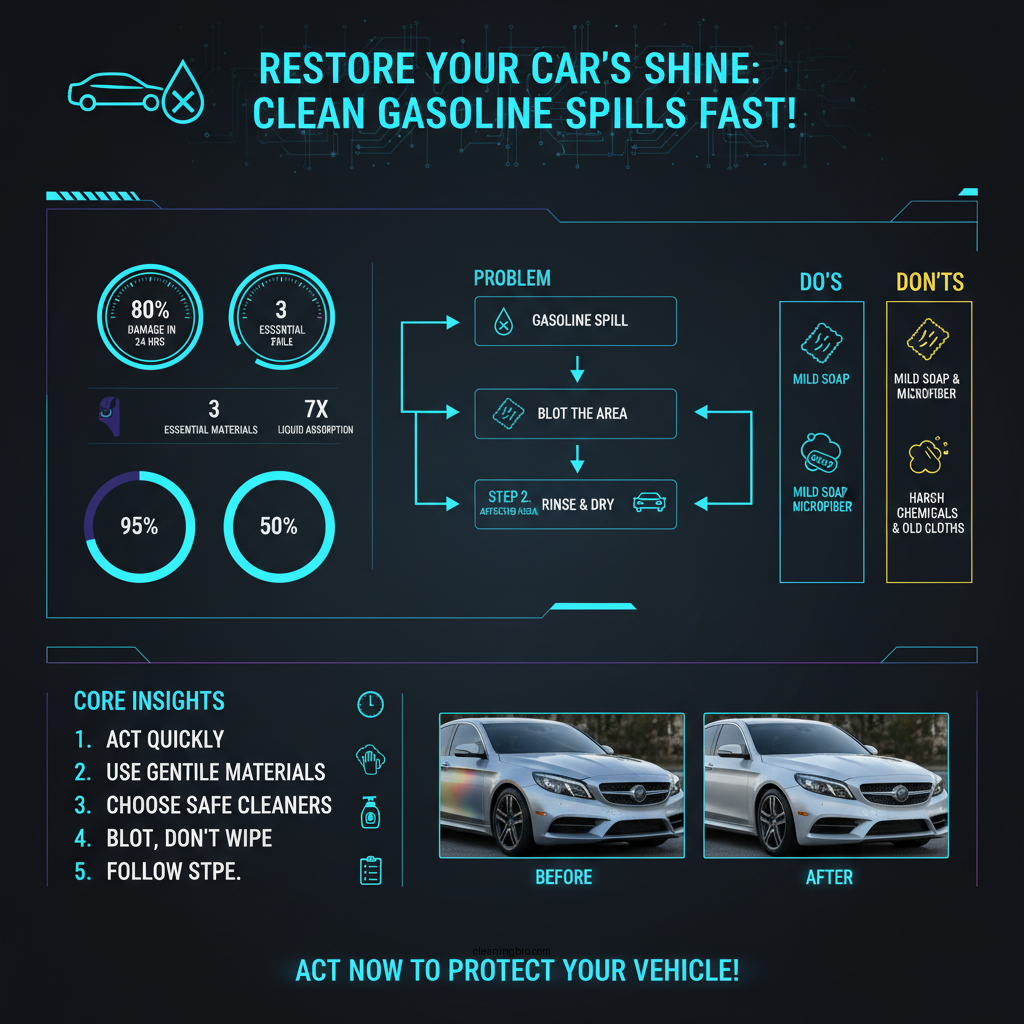
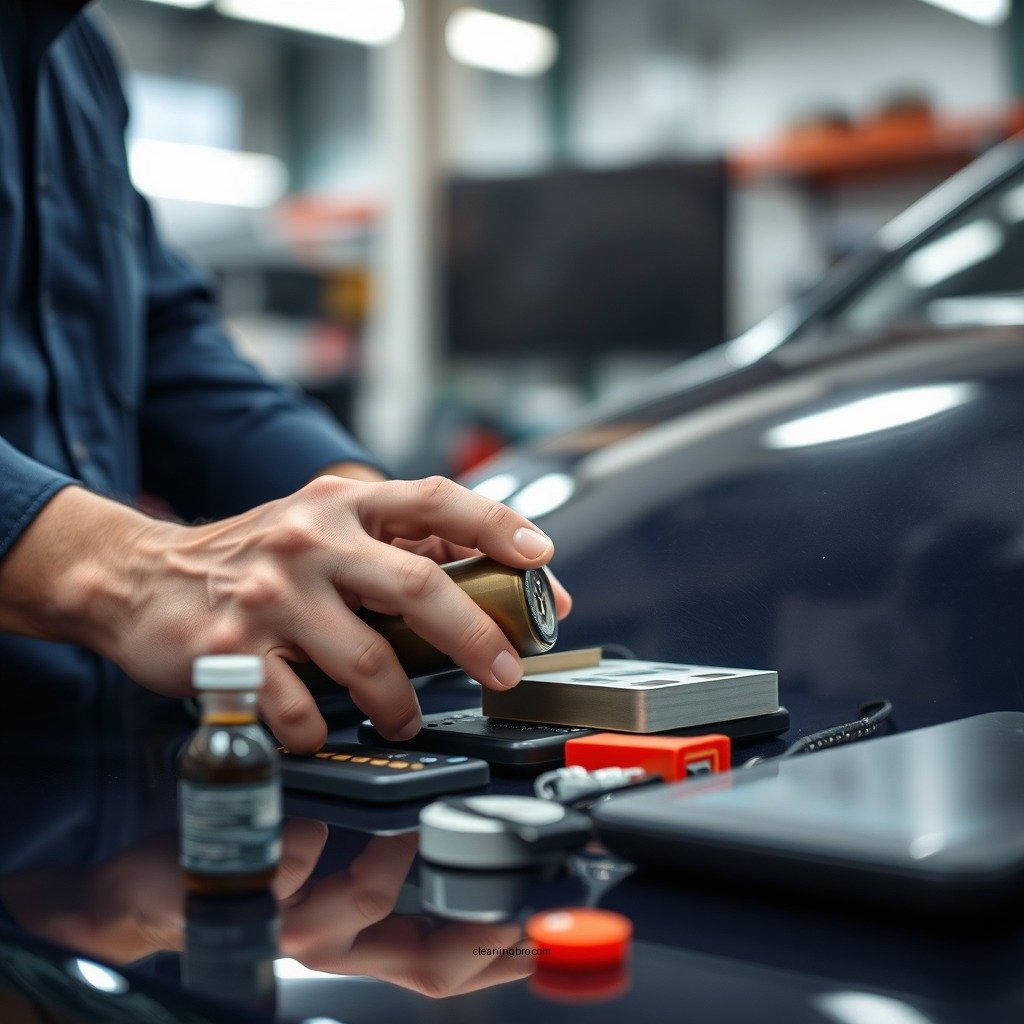
To effectively clean gasoline off your car paint, gather the following materials:
– Microfiber Cloths: These are essential for gentle cleaning without scratching the paint surface. Their soft texture absorbs liquids effectively and is less likely to cause damage compared to traditional cloths.
– Mild Soap or Car Wash Solution: Choose a soap that is pH-balanced and specifically formulated for automotive use. Harsh chemicals can further damage the paint, so avoid any strong detergents.
– Rubbing Alcohol or Specialized Automotive Cleaner: For tougher gasoline stains that do not come off with soap and water, rubbing alcohol can be an effective solution. Alternatively, consider using a specialized automotive cleaner that is designed to tackle tough stains without harming the paint.
Step-by-Step Cleaning Process
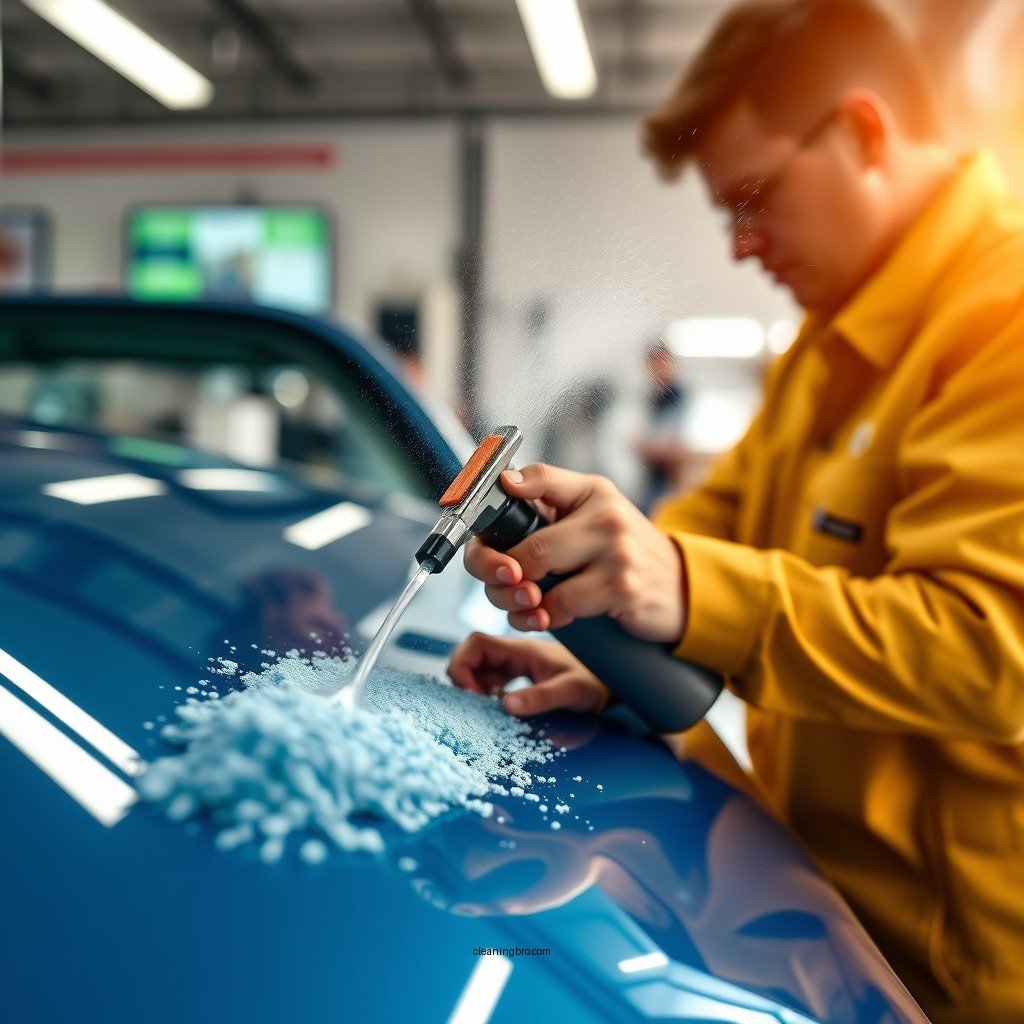
1. Blot the Area: Start by using a clean microfiber cloth to gently blot the area with gasoline. This helps to absorb the excess liquid without spreading it further. Avoid wiping, as this can smear the gasoline and make the situation worse.
2. Prepare a Soap Solution: Mix a few drops of mild soap with warm water in a bucket. Make sure the solution is not too concentrated, as you only need enough soap to help break down the gasoline residue.
3. Wash the Affected Area: Dip another clean microfiber cloth into the soapy water and wring it out so it’s damp but not dripping. Gently wipe the affected area, working from the outside of the spill toward the center to avoid spreading the gasoline. Rinse the cloth frequently in clean water to avoid reapplying gasoline.
4. Rinse Thoroughly: After washing, rinse the area with clean water to remove any soap residue. This step is critical as leftover soap can also harm the paint.
5. Dry the Area: Use a dry microfiber cloth to pat the area dry, ensuring no moisture remains, which could lead to further issues.
Additional Techniques for Stubborn Stains
Sometimes, gasoline stains can be particularly stubborn. If you’ve followed the initial cleaning steps and still see signs of gasoline:
– Use Rubbing Alcohol: Moisten a clean microfiber cloth with rubbing alcohol and gently dab the stained area. This method can effectively break down remaining gasoline residues without harming the paint.
– Automotive Cleaner: If rubbing alcohol is not available or effective, consider using a specialized automotive cleaner designed for removing tough stains. Apply it as per the manufacturer’s instructions, typically allowing it to sit for a few minutes before wiping away.
– Gentle Application: Always remember to avoid scrubbing too hard, as excessive pressure can scratch the paint surface. Instead, use a light touch to lift the stain without causing additional damage.
Preventive Measures
Taking preventive measures can save you from the hassle of cleaning gasoline spills in the future. Here are some practical tips:
– Safe Parking: Always park your car in a safe area, away from fuel pumps and areas where gasoline spills are likely to occur. This habit not only protects your paint but also minimizes risks associated with potential accidents.
– Use a Car Cover: If you frequently work with gasoline or other potentially harmful substances, consider using a car cover. This protective layer can prevent spills from directly contacting your vehicle’s paint and provide an additional barrier against environmental elements.
– Regular Maintenance: Regularly waxing your car can create a protective layer that helps to shield the paint from chemical spills and other contaminants. Keeping your vehicle clean and waxed can make it easier to clean off any potential spills in the future.
When to Seek Professional Help
In some cases, cleaning gasoline off your car may not be enough, especially if significant damage has occurred. Consider seeking professional help if:
– Significant Damage: If you notice discoloration, peeling, or other signs of damage after a gasoline spill, a professional detailer or body shop can assess the situation and provide the necessary repairs.
– Uncertainty in Cleaning Methods: If you’re unsure about the best methods to safely clean your car without risking further damage, consulting with an expert can save you from potential mistakes that may worsen the situation.
📋 Data: Common Gasoline Spill Scenarios and Their Impact
Common Gasoline Spill Scenarios and Their Impact
| # | Scenario | Potential Damage | Cleaning Difficulty | Time to Resolve |
|---|---|---|---|---|
| 1 | Minor Spill at Gas Station | Low discoloration | Easy | 30 min |
| 2 | Spill During Refueling | Moderate damage | Moderate | 1 hour |
| 3 | Accidental Spill in Garage | High discoloration | Difficult | 2 hours |
| 4 | Spill During Maintenance | Severe damage | Very Difficult | 3+ hours |
| 5 | Leak from Fuel Line | Extensive damage | Very Difficult | 4+ hours |
| 6 | Spill on Hot Engine | Severe discoloration | Very Difficult | 5+ hours |
| 7 | Spill on Clear Coat | Moderate discoloration | Moderate | 1 hour |
📈 Chart: Time to Clean Gasoline Spills by Scenario
Time Required to Clean Gasoline Spills (Hours)
To keep your car looking pristine and to avoid damage, make sure to clean any gasoline spills immediately and use the right materials. If you encounter any issues or are unsure, don’t hesitate to reach out to a professional for assistance. Maintaining your vehicle’s appearance not only enhances its value but also ensures a safer driving experience. Stay proactive and protect your investment!
Frequently Asked Questions
How can I safely remove gasoline stains from my car’s paint?
To safely remove gasoline stains from your car’s paint, start by rinsing the affected area with water to dilute the gasoline. Next, use a microfiber cloth and a gentle car soap solution to wash the area. Avoid abrasive materials, as they can scratch the paint. After cleaning, rinse thoroughly and apply a wax or sealant to restore shine.
What household items can help clean gasoline off car paint?
Common household items like baking soda and vinegar can help clean gasoline off car paint. Mix baking soda with water to create a paste, apply it to the stain, and let it sit for 10-15 minutes before gently scrubbing with a microfiber cloth. Vinegar can also be used; simply spray it onto the stain, allow it to sit, and then wipe clean with a soft cloth.
Why is it important to clean gasoline off car paint quickly?
Cleaning gasoline off car paint quickly is crucial because gasoline can damage the clear coat and paint finish over time. If left untreated, it can lead to discoloration, fading, and even corrosion of the metal underneath. Prompt action helps preserve your car’s aesthetic and resale value.
What is the best commercial product for removing gasoline from car paint?
The best commercial products for removing gasoline from car paint include automotive degreasers and specialized car wash soaps designed to break down petroleum-based substances. Look for products labeled as safe for automotive finishes and follow the instructions for the best results. Always test a small area first to ensure compatibility with your car’s paint.
Which techniques should I avoid when cleaning gasoline off car paint?
Avoid using harsh chemicals like bleach or ammonia, as they can damage your car’s paint and clear coat. Additionally, steer clear of abrasive scrubbers or steel wool, which can scratch the surface. It’s also important not to use hot water, as it can cause the gasoline to penetrate deeper into the paint.
References
- Renault looks to retro styling and affordability in EV strategy for Europe
https://www.thecarconnection.com/news/1132777_how-to-remove-gasoline-from-your-car-paint - Google Scholar Google Scholar
https://scholar.google.com/scholar?q=how+to+clean+gasoline+off+car+paint - Google Scholar Google Scholar
https://scholar.google.com/scholar?q=gasoline+removal+car+paint - Google Scholar Google Scholar
https://scholar.google.com/scholar?q=cleaning+gasoline+off+car+surfaces - https://www.bbc.com/news/magazine-35444356
https://www.bbc.com/news/magazine-35444356 - https://www.nytimes.com/2021/05/06/automobiles/cleaning-gasoline-car-paint.html
https://www.nytimes.com/2021/05/06/automobiles/cleaning-gasoline-car-paint.html - how to clean gasoline off car paint – Search results
https://en.wikipedia.org/wiki/Special:Search?search=how+to+clean+gasoline+off+car+paint - https://www.ncbi.nlm.nih.gov/search/research-articles/?term=how+to+clean+gasoline+off+car+paint
https://www.ncbi.nlm.nih.gov/search/research-articles/?term=how+to+clean+gasoline+off+car+paint