How to Clean Green Off Brass: Effective Methods Revealed
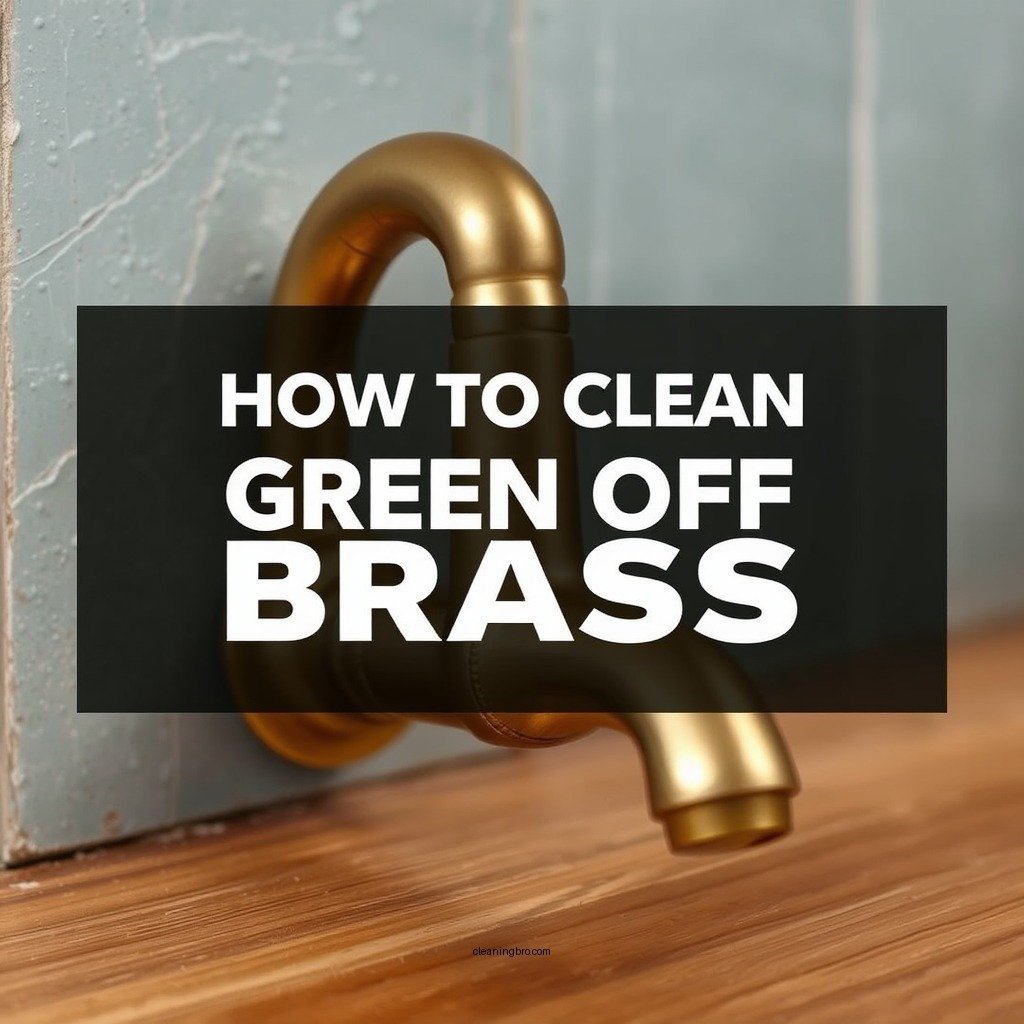
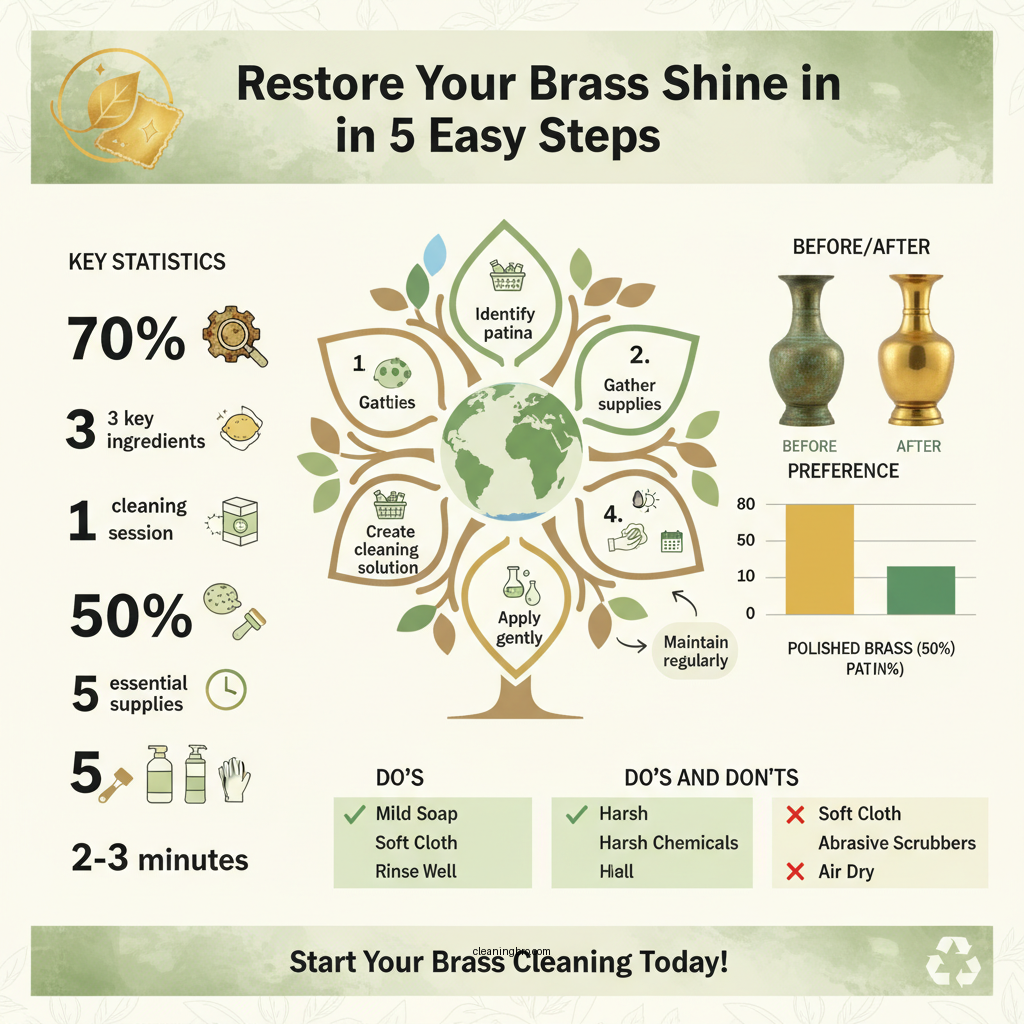
Cleaning green off brass is a straightforward process that can restore your items to their original shine. The green discoloration, known as patina, occurs due to oxidation, but with the right methods and materials, you can easily remove it. In this article, you will discover various effective cleaning techniques and tips to keep your brass looking its best.
Understanding Brass Patina
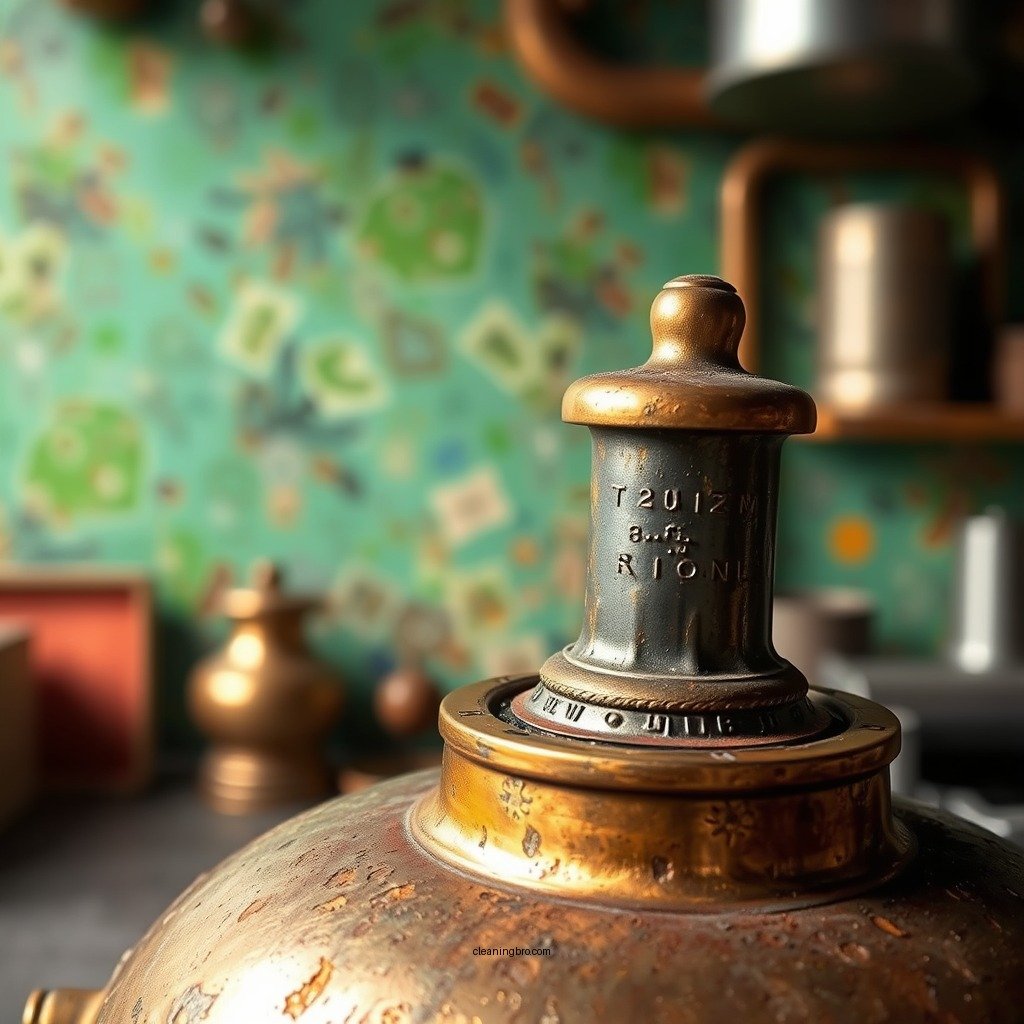
Brass, an alloy primarily composed of copper and zinc, can develop a greenish patina over time due to exposure to moisture and air. This oxidation is a natural process, often seen in older brass items, and while some may appreciate the antique look it conveys, many prefer the lustrous shine of polished brass. The patina can be particularly problematic for decorative items, musical instruments, and hardware, where aesthetics play an essential role. Understanding the causes of this discoloration is crucial for effective cleaning and maintenance.
The main contributors to brass patina include humidity, air pollution, and environmental factors. The chemical reaction between copper in brass and oxygen leads to the formation of copper oxide, which appears green. Consequently, regular cleaning and maintenance not only enhance the visual appeal of your brass items but also prolong their lifespan and functionality.
Essential Cleaning Supplies
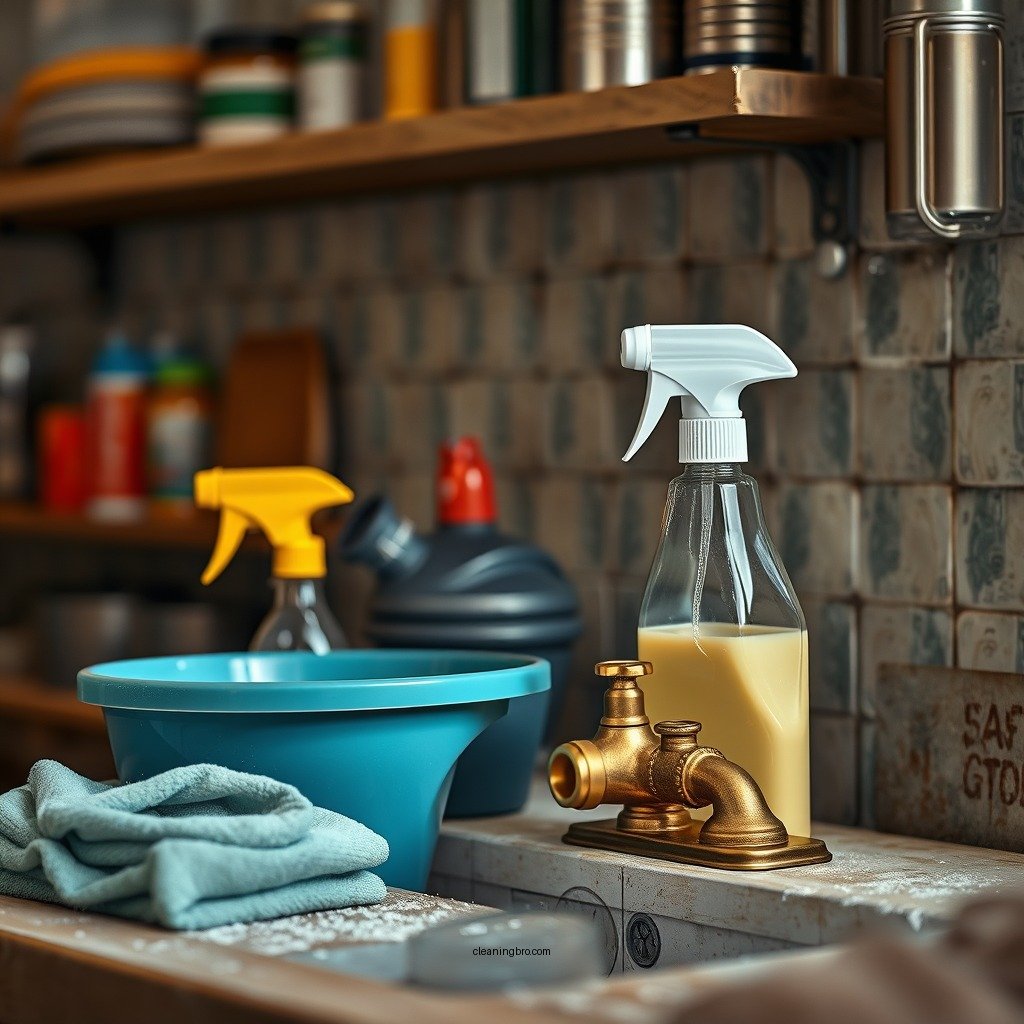
Before embarking on your brass cleaning journey, it’s essential to gather the right materials. Here’s a list of supplies that will simplify the cleaning process:
– Mild Soap: A gentle dish soap can effectively remove dirt and grime without being harsh on the brass surface.
– Vinegar: Its acidity helps dissolve the oxidized layer, making it an excellent choice for removing patina.
– Baking Soda: This natural abrasive can be mixed with water to create a paste that gently scrubs away tarnish.
– Soft Cloths: Microfiber or cotton cloths are ideal, as they will not scratch the brass.
– Specialized Brass Cleaners: For tougher patina buildup, consider investing in commercial brass cleaners that are specifically formulated for this metal.
Having these supplies at hand will make the cleaning process much smoother and more effective.
Step-by-Step Cleaning Process
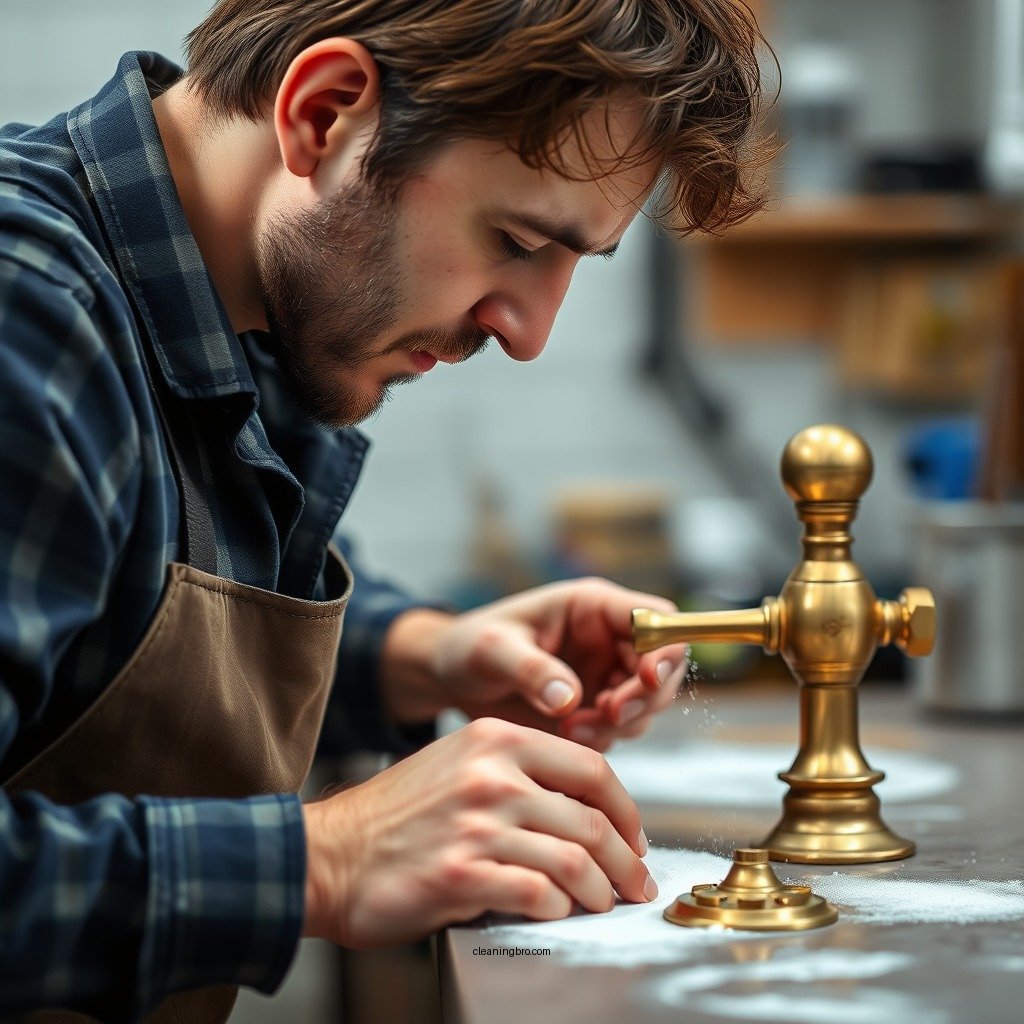
Cleaning brass can be broken down into a simple, effective process. Follow these steps to restore your brass items:
1. Prepare Your Cleaning Solution: Start by mixing equal parts vinegar and water in a bowl. Alternatively, you can create a paste using three parts baking soda to one part water.
2. Apply the Solution: Dip your soft cloth into the solution, ensuring it’s damp but not overly wet. Apply the mixture to the green areas of the brass item, focusing on heavily tarnished spots.
3. Gently Scrub: Using circular motions, gently scrub the brass surface. Avoid using abrasive materials that could scratch the metal. For stubborn areas, let the solution sit for a few minutes before scrubbing again.
4. Rinse and Dry: After cleaning, rinse the brass item with warm water to remove any residue from the cleaning solution. Dry it thoroughly with a clean cloth to prevent new tarnish from forming.
5. Final Polish: For an extra shine, you can use a specialized brass polish after cleaning. This will enhance the luster and provide a protective layer against future oxidation.
By following these steps, you can effectively remove the green patina and restore the original beauty of your brass items.
Top 7 Brass Cleaning Methods
| # | Method | Effectiveness | Ease of Use | Cost |
|---|---|---|---|---|
| 1 | Vinegar and Water | High | Easy | Low |
| 2 | Baking Soda Paste | Medium | Moderate | Very Low |
| 3 | Commercial Brass Cleaner | Very High | Easy | Medium |
| 4 | Lemon Juice and Salt | Medium | Moderate | Low |
| 5 | Ketchup | Low | Very Easy | Very Low |
| 6 | Toothpaste | Medium | Easy | Low |
| 7 | Olive Oil and Vinegar | Low | Moderate | Low |
Preventing Future Oxidation
To keep your brass items looking their best and to prevent the return of green oxidation, consider the following preventive measures:
– Store Properly: Ensure that brass items are stored in a dry environment. Moisture accelerates the oxidation process, so use silica gel packets in storage areas to absorb humidity.
– Regular Cleaning: Establish a routine cleaning schedule to remove dust and oils. Regular maintenance will prevent the buildup of tarnish and oxidation.
– Protective Coatings: Consider applying a clear lacquer or wax finish to the brass surface. These coatings create a barrier between the metal and environmental elements, significantly reducing oxidation.
– Avoid Exposure: Keep brass items away from direct sunlight and harsh chemicals, which can exacerbate tarnishing.
By implementing these preventive measures, you will not only maintain the aesthetic appeal of your brass items but also extend their longevity.
Alternative Cleaning Methods
In addition to the traditional cleaning methods, there are several alternative techniques that can be effective in removing green patina from brass:
1. Lemon Juice and Salt: The acidity of lemon juice combined with the abrasiveness of salt creates a potent cleaner. Apply the mixture to the brass item, let it sit for a few minutes, then scrub gently with a soft cloth.
2. Ketchup: Surprisingly, ketchup can be used to clean brass due to its acidity and mild abrasiveness. Apply a thin layer to the stained areas, allow it to sit for 10 minutes, then wipe clean.
3. Toothpaste: Non-gel toothpaste can serve as a mild abrasive. Apply a small amount to a soft cloth and scrub the brass item gently. Rinse thoroughly afterward.
4. Commercial Brass Cleaning Products: If home remedies fail, there are many commercial brass cleaning products available that are formulated to tackle tough tarnish. Follow the manufacturer’s instructions for safe and effective use.
These alternative methods provide various options, allowing you to choose one that fits your preference and the specific condition of your brass items.
When to Seek Professional Help
While many brass cleaning tasks can be accomplished at home, there are situations where professional help may be warranted:
– Valuable or Antique Items: If your brass item is a valuable antique, it is advisable to consult a professional restorer. Improper cleaning can lead to irreversible damage, reducing its value.
– Severe Corrosion: For items that exhibit significant corrosion or damage, a professional can assess the situation and employ specialized techniques to restore the item safely.
– Restoration Services: Professionals not only clean but can also repair and restore brass items to their original condition. This may include buffing, polishing, or re-coating surfaces for protection.
Seeking professional assistance can be a wise investment, especially when dealing with cherished or valuable pieces.
In summary, cleaning green off brass can be easily achieved with the right techniques and precautions. From understanding the causes of patina to employing effective cleaning methods, you now have the tools to restore your brass items to their former glory. Regular maintenance and preventive measures will keep your brass looking its best for years to come. For more tips and tricks on maintaining your home decor, stay tuned to our blog!
Frequently Asked Questions
What causes green oxidation on brass items?
The green oxidation on brass, commonly referred to as verdigris, is primarily caused by a chemical reaction between copper in the brass and moisture in the air, especially when combined with pollutants or acidic substances. This reaction leads to the formation of copper carbonate, which appears as a greenish patina. Understanding the cause can help in preventing further oxidation.
How can I effectively remove green tarnish from brass?
To effectively remove green tarnish from brass, create a paste using equal parts of baking soda and water, then apply it to the affected areas. Gently scrub with a soft cloth or toothbrush to avoid scratching the surface, and rinse with warm water before drying thoroughly. This method is gentle yet effective in restoring brass to its original shine.
Why is it important to clean green oxidation off brass promptly?
Cleaning green oxidation off brass promptly is important because if left untreated, the corrosion can penetrate deeper into the metal, potentially leading to irreversible damage. Regular maintenance not only preserves the aesthetic appeal of brass items but also extends their lifespan, making them more durable and valuable over time.
What are the best homemade solutions for cleaning brass with green stains?
The best homemade solutions for cleaning brass with green stains include a mixture of vinegar and salt, or lemon juice and baking soda. Both combinations can effectively break down the oxidation while being gentle enough not to damage the brass surface. Always rinse and dry the item thoroughly after cleaning to prevent further tarnish.
Which tools are most effective for cleaning brass with green oxidation?
The most effective tools for cleaning brass with green oxidation include soft cloths, non-abrasive sponges, and toothbrushes with soft bristles. These tools help ensure that you can clean the surface without scratching or damaging the brass while effectively removing tarnish and oxidation.
References
- How to Clean Brass: 14 Steps (with Pictures) – wikiHow
https://www.wikihow.com/Clean-Brass - https://www.britannica.com/topic/brass
https://www.britannica.com/topic/brass - https://pubmed.ncbi.nlm.nih.gov/29361488/
https://pubmed.ncbi.nlm.nih.gov/29361488/ - https://www.sciencedirect.com/science/article/pii/S0141813017301123
https://www.sciencedirect.com/science/article/pii/S0141813017301123 - https://www.hindawi.com/journals/jchem/2020/5129705/
https://www.hindawi.com/journals/jchem/2020/5129705/ - https://www.nature.com/articles/s41598-020-71028-7
https://www.nature.com/articles/s41598-020-71028-7 - https://www.ars.usda.gov/ARSUserFiles/20350500/Brass.pdf
https://www.ars.usda.gov/ARSUserFiles/20350500/Brass.pdf - https://www.cdc.gov/niosh/docs/2005-149/pdfs/2005-149.pdf
https://www.cdc.gov/niosh/docs/2005-149/pdfs/2005-149.pdf - Google Scholar Google Scholar
https://scholar.google.com/scholar?q=how+to+clean+green+off+brass - Google Scholar Google Scholar
https://scholar.google.com/scholar?q=brass+cleaning+methods