How to Clean Keg Lines: A Step-by-Step Guide
Cleaning keg lines is essential for maintaining the quality of your draft beer and preventing off-flavors. This process involves several straightforward steps that ensure your keg lines are free from bacteria and beer stone. In this guide, you’ll learn how to effectively clean your keg lines to keep your beer tasting fresh and crisp.
Why Cleaning Keg Lines is Important
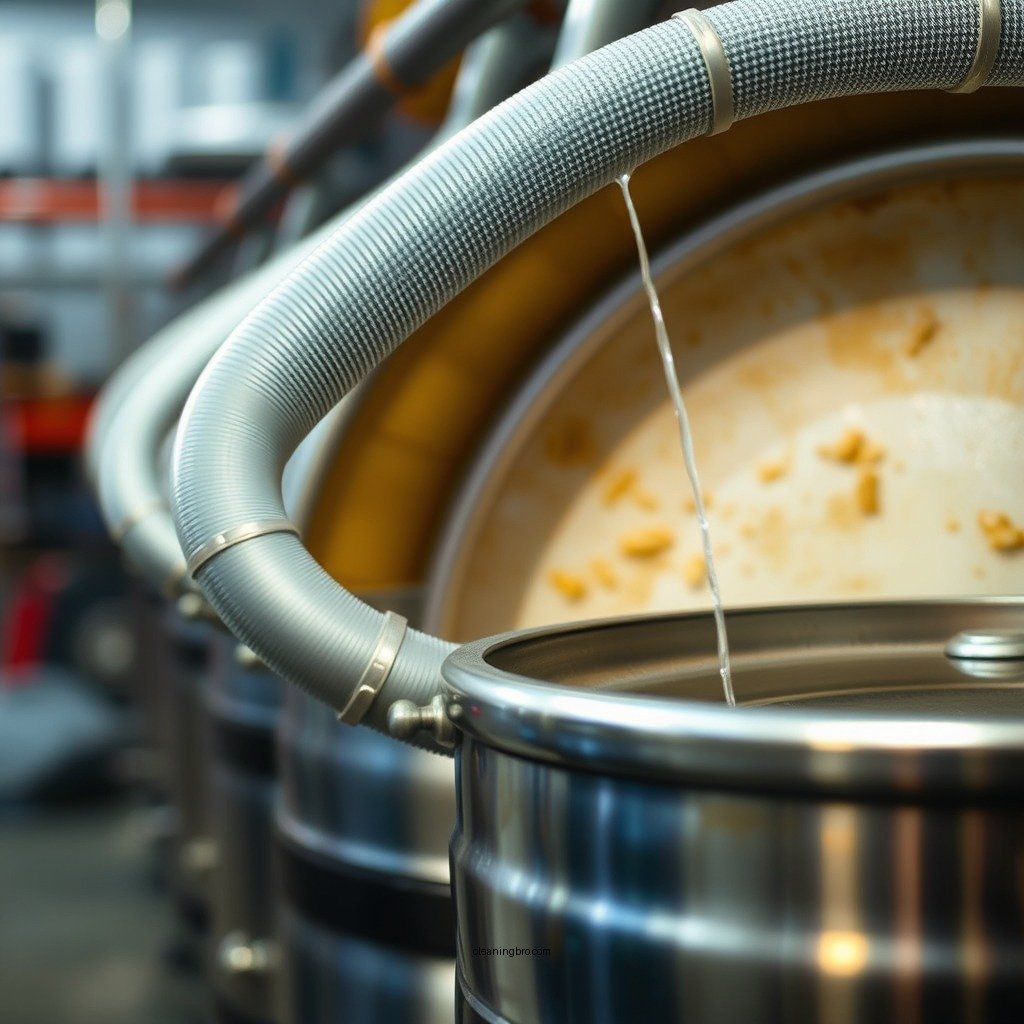
Cleaning keg lines is a critical practice for any establishment serving draft beer. Understanding its importance can significantly impact the overall quality of the beer served. Here are the key reasons:
– Prevents Off-Flavors and Unpleasant Aromas: Over time, residues and bacteria can build up in keg lines, leading to off-flavors that detract from the intended taste profile of the beer. Regular cleaning helps to mitigate this issue, ensuring that patrons enjoy the full flavor of their favorite brews.
– Maintains the Integrity and Taste of the Beer Served: Freshness is paramount in the beer industry. A clean line ensures that the beer served is as fresh as possible, preserving the nuances of the beer’s flavor and aroma. This is especially important for craft beers, where subtle flavors can be easily masked by contaminants.
– Extends the Life of Your Kegging Equipment: Regular maintenance of keg lines not only ensures a better product but also prolongs the life of the kegging equipment. Neglecting to clean lines can lead to more serious issues, including blockages or damage to the taps, which can incur significant repair or replacement costs.
Tools and Supplies Needed
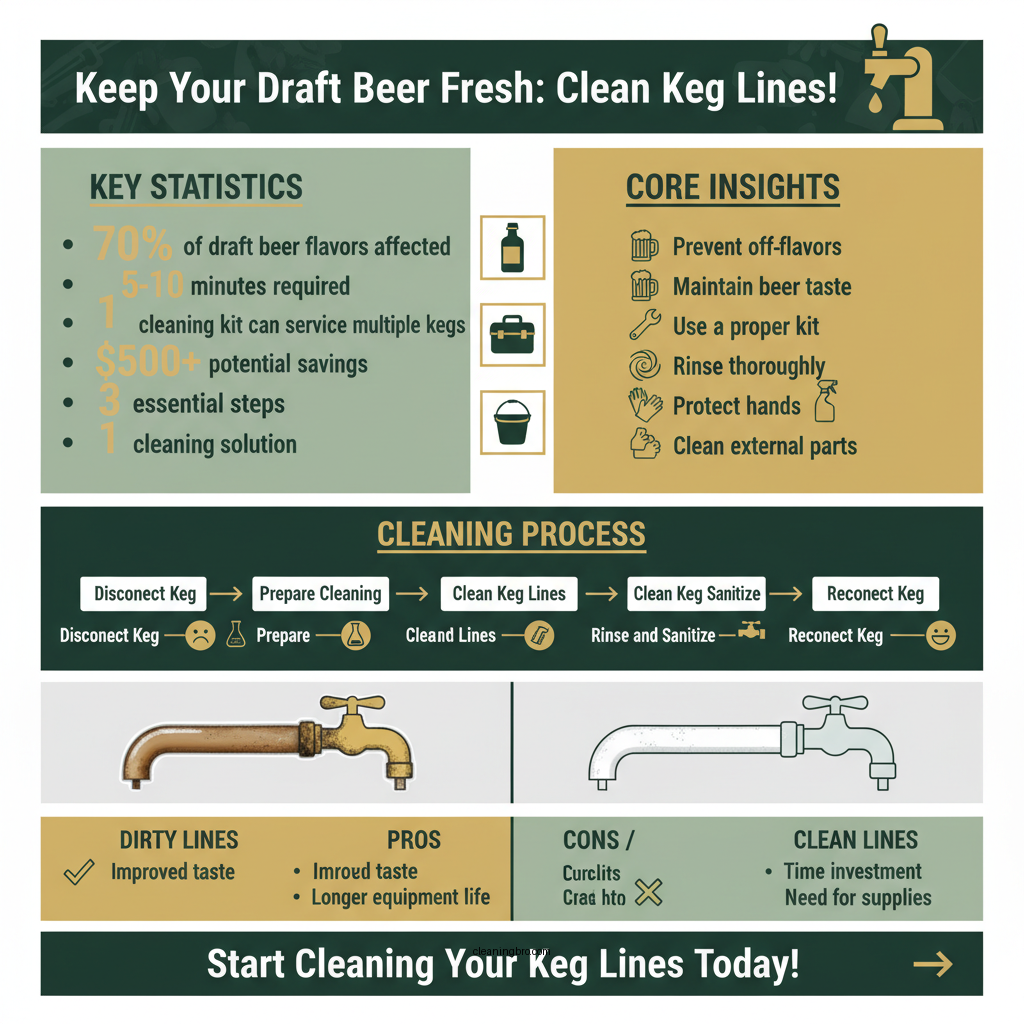
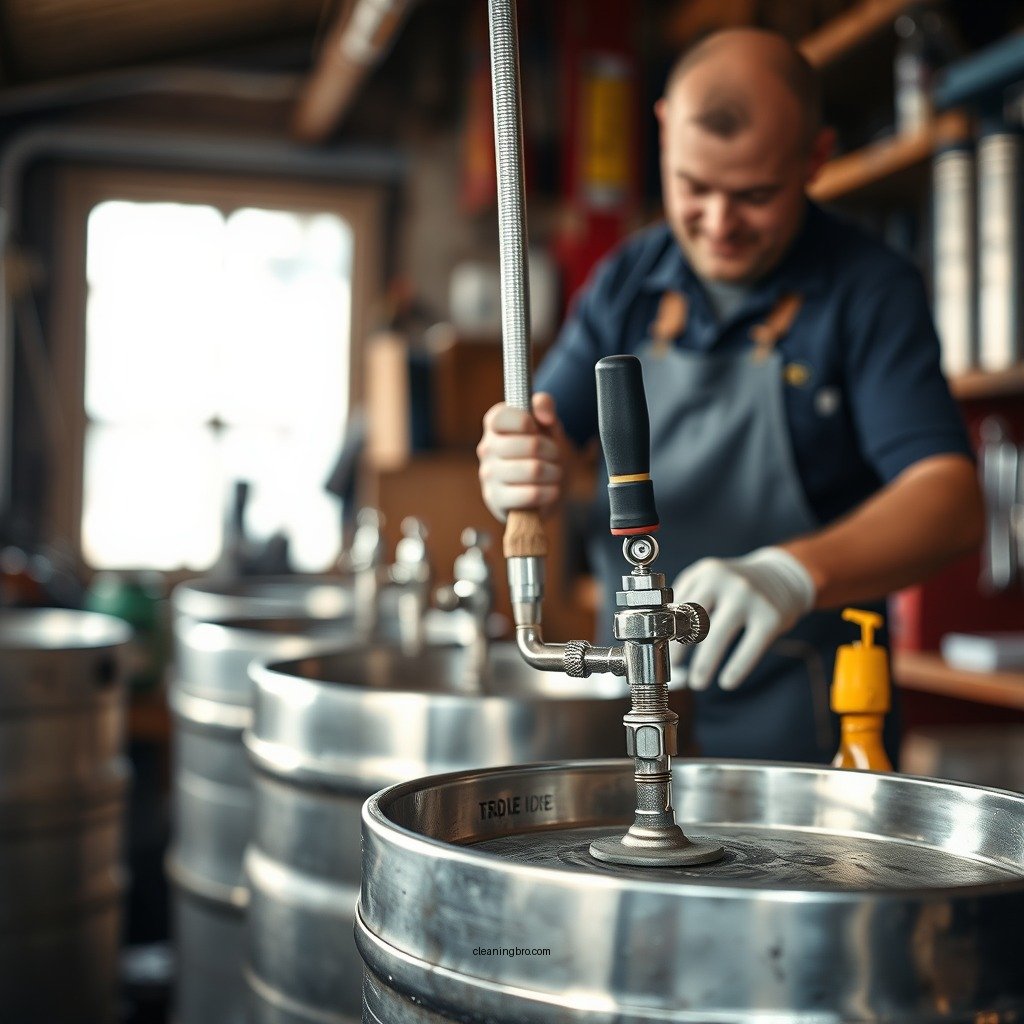
To effectively clean keg lines, having the right tools and supplies is essential. Below is a list of everything you will need:
– Cleaning Solution (Specifically for Beer Lines): Use a recommended cleaning solution designed specifically for keg lines. This ensures that the solution is safe for your equipment and effective in removing residues.
– Keg Line Cleaning Kit: A standard kit typically includes a connector and a pump, enabling you to circulate the cleaning solution through the lines effectively. This kit is crucial for reaching every nook and cranny of your system.
– Water and a Bucket for Rinsing: Clean, warm water is necessary for rinsing the keg lines after the cleaning solution has been flushed through. A bucket will help contain any overflow during this process.
– Gloves and a Cloth for Handling: Having gloves protects your hands from chemicals, and a cloth can be useful for cleaning any external parts of the kegging system.
Step-by-Step Cleaning Process
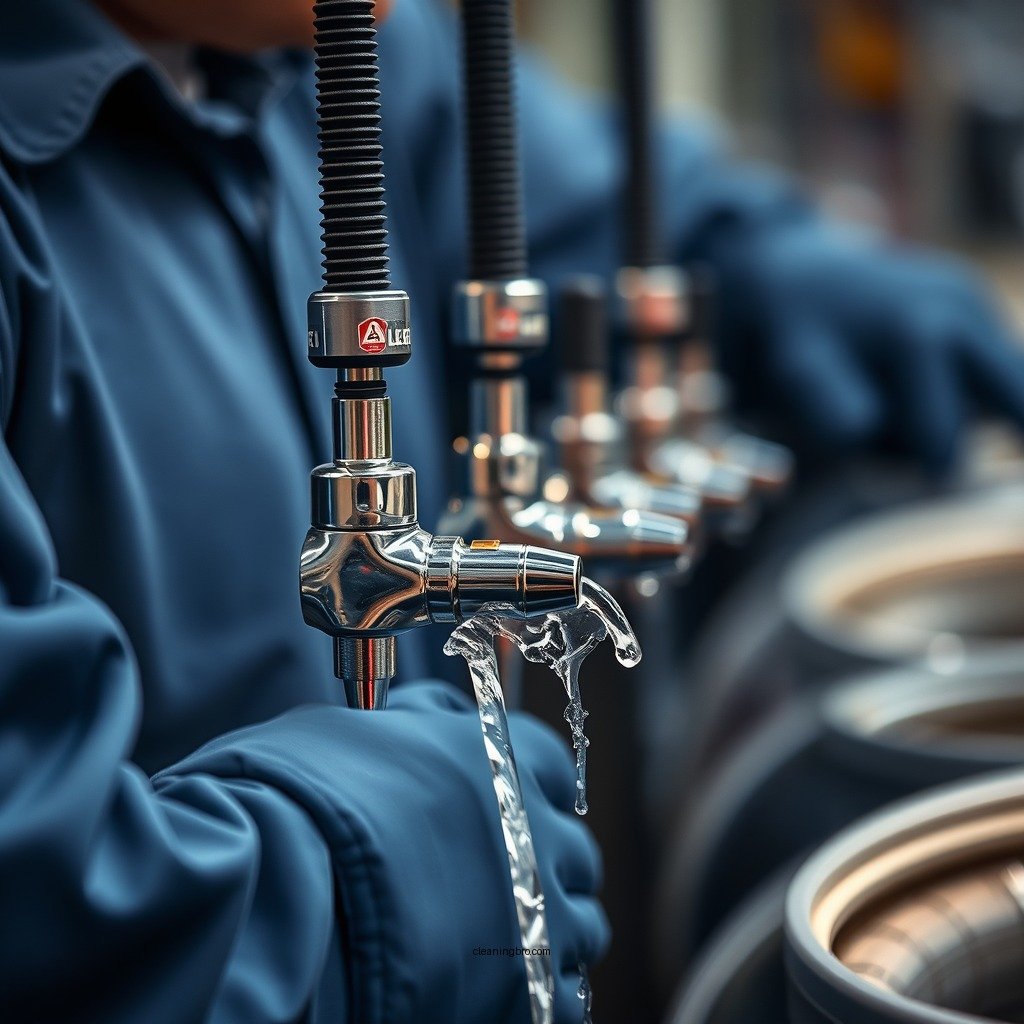
Cleaning keg lines is a systematic process. Follow these steps to ensure thorough cleaning:
1. Disconnect the Keg and Remove the Lines Carefully: Begin by safely disconnecting the keg from the tap system. Be cautious to avoid any spills, as beer can create a slippery surface. Once disconnected, gently remove the lines from the keg.
2. Prepare the Cleaning Solution According to the Manufacturer’s Instructions: Follow the specific instructions provided with your cleaning solution. Dilution ratios are important to ensure effective cleaning without damaging your equipment.
3. Attach the Cleaning Connector and Pump the Solution Through the Lines: Connect the cleaning solution to the lines using the connector from your cleaning kit. Use the pump to circulate the cleaning solution through the lines, allowing it to sit in the lines for the recommended duration before flushing it out.
Common Keg Cleaning Solutions and Their Effectiveness
| # | Cleaning Solution | Effectiveness (%) | Safe for Lines | Frequency of Use |
|---|---|---|---|---|
| 1 | PBW (Powdered Brewery Wash) | 95% | Yes | Every 2 weeks |
| 2 | Star San | 90% | Yes | After every use |
| 3 | Oxiclean | 85% | Yes | Every month |
| 4 | BrewClean | 92% | Yes | Every 3 weeks |
| 5 | Chemistry 101 | 88% | Yes | As needed |
| 6 | Brewery Cleaner | 91% | Yes | Every month |
| 7 | Simple Green | 80% | Yes | Rarely |
Rinsing the Keg Lines
Once the cleaning solution has been pumped through the lines, it’s crucial to rinse the keg lines thoroughly to remove any residual cleaning solution. Here’s how to do it effectively:
– Use the Same Setup as Cleaning but Replace the Cleaning Solution with Water: After completing the cleaning process, reattach the lines to the keg and fill the system with clean water. This will help flush out any remaining cleaning agent.
– Ensure All Residual Cleaning Solution is Removed to Avoid Contamination: It’s vital to continue rinsing until the water runs clear and free of bubbles. Any leftover cleaner can lead to off-flavors in your beer, thus negating the benefits of the cleaning process.
Frequency of Cleaning Keg Lines
To maintain optimal beer quality, regular cleaning of keg lines is essential. Here are some guidelines on how often you should clean:
– Clean Keg Lines Every 2 to 4 Weeks, Depending on Usage: If your establishment serves a high volume of draft beer, cleaning every two weeks is advisable. For lower volume operations, cleaning every four weeks may suffice.
– Increase Frequency if the Lines are Used for Different Types of Beer: Switching between different styles of beer, especially those with distinct flavor profiles, may warrant more frequent cleaning to prevent cross-contamination.
– Regular Maintenance Helps Prevent Build-Up and Maintains Beer Quality: Establishing a cleaning schedule not only helps keep your lines clean but also promotes a culture of quality and care within your operation.
Common Mistakes to Avoid
While cleaning keg lines may seem straightforward, there are several common pitfalls that can compromise the effectiveness of the process. Be vigilant and avoid these mistakes:
– Neglecting to Rinse Thoroughly After Cleaning: Failing to rinse the lines properly can lead to residual cleaning agents, which can spoil the taste of the beer. Always ensure that the lines are thoroughly rinsed.
– Using the Wrong Cleaning Solution that Can Damage the Lines: Not all cleaning solutions are suitable for every type of keg line. Always check compatibility to avoid damaging your equipment.
– Forgetting to Clean the Couplers and Taps Along with the Lines: It’s easy to focus solely on the lines, but couplers and taps can harbor bacteria and residues as well. Ensure these components are included in your cleaning routine.
Troubleshooting Common Issues
Despite diligent cleaning practices, issues may still arise. Here are some troubleshooting tips for common keg line problems:
– If Off-Flavors Persist, Check for Residual Cleaning Solution or Equipment Issues: If the beer still tastes off after cleaning, inspect for any residual cleaning agent or malfunctioning equipment that may be affecting beer quality.
– Inspect Lines for Wear and Tear that May Require Replacement: Regularly check your keg lines for signs of damage or wear. Cracks, kinks, or discoloration can indicate a need to replace the lines.
– Ensure Proper Flow and Pressure Settings During Keg Operation: Incorrect flow or pressure settings can lead to issues with beer delivery and taste. Regularly check and adjust these settings as needed.
Cleaning your keg lines is a simple but vital task that helps preserve the quality of your beer. By following the outlined steps and regularly maintaining your equipment, you’ll enjoy fresher, better-tasting drafts. Don’t wait—gather your supplies and clean your keg lines today for optimal beer enjoyment!
Frequently Asked Questions
How often should I clean my keg lines?
It’s recommended to clean your keg lines every two weeks to maintain the quality of your beer and prevent the buildup of bacteria and yeast. Regular cleaning ensures that the flavors remain consistent and prevents off-tastes that can arise from dirty lines.
What is the best method for cleaning keg lines?
The best method for cleaning keg lines involves using a specialized beer line cleaning solution, which effectively removes buildup and residue. You’ll need to connect the cleaning solution to the keg coupler and run it through the lines for about 15-30 minutes, followed by rinsing with clean water to ensure no cleaning solution remains.
Why is it important to clean keg lines?
Cleaning keg lines is crucial because it prevents contamination, which can lead to off-flavors and spoilage of the beer. Dirty lines can harbor bacteria and yeast, negatively impacting the taste and aroma of your beer, making regular maintenance essential for optimal draft quality.
Which tools do I need to clean keg lines effectively?
To clean keg lines effectively, you’ll need a keg cleaning kit that typically includes a cleaning solution, a faucet brush, a line cleaning adapter, and a bucket for rinsing. Having these tools on hand makes the cleaning process efficient and ensures that every part of your system is properly maintained.
How do I know if my keg lines need cleaning?
You should clean your keg lines if you notice a change in the taste, aroma, or clarity of your beer, as these are signs of contamination. Additionally, if you see sediment or buildup in the lines or faucets, it’s a clear indication that it’s time to perform a thorough cleaning to maintain beer quality.
References
- https://www.cdc.gov/healthywater/drinking/cleaning-drinking-water-systems.html
https://www.cdc.gov/healthywater/drinking/cleaning-drinking-water-systems.html - https://www.ncbi.nlm.nih.gov/pmc/articles/PMC3340205/
https://www.ncbi.nlm.nih.gov/pmc/articles/PMC3340205/ - https://www.who.int/water_sanitation_health/publications/cleaning_and_disinfection_of_drinking_water.pdf
https://www.who.int/water_sanitation_health/publications/cleaning_and_disinfection_of_drinking_water.pdf - Cleaning | technology | Britannica
https://www.britannica.com/science/cleaning - Google Scholar Google Scholar
https://scholar.google.com/scholar?q=how+to+clean+keg+lines - Google Scholar Google Scholar
https://scholar.google.com/scholar?q=cleaning+beer+kegs - Google Scholar Google Scholar
https://scholar.google.com/scholar?q=keg+line+sanitation - https://www.sciencedirect.com/topics/agricultural-and-biological-sciences/keg-cleaning
https://www.sciencedirect.com/topics/agricultural-and-biological-sciences/keg-cleaning - https://www.nature.com/articles/s41545-018-0037-7
https://www.nature.com/articles/s41545-018-0037-7 - https://www.reuters.com/article/us-health-clean-water-idUSKBN1E80C4
https://www.reuters.com/article/us-health-clean-water-idUSKBN1E80C4